+91 9910402252
admin@chalbanjare.com


| Entry Fee | 30 |
| Timings | 06:00 - 18:00 |
| Altitude (m) | 170 |
| Ideal Visit Duration (hrs) | 2 |
| Best Time of Day | Morning |
| Crowd Level | Moderate |
| Distance from City Centre (km) | 10 |
| Walking Difficulty | Easy |
| Parking Available | Yes |
| Last Mile Access | Road |
| Suitable for Kids | Yes |
| Suitable for Seniors | Yes |
| Wheelchair Friendly | No |
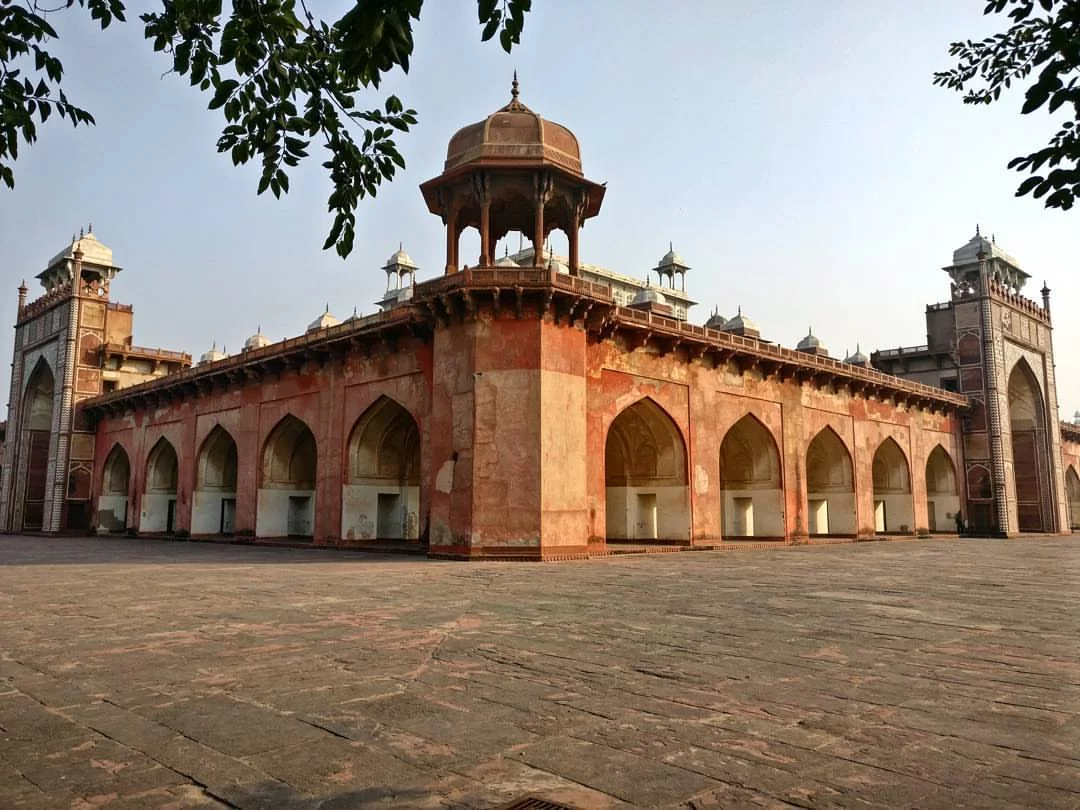
Why Visit: Akbar’s Tomb in Sikandra, Agra, is the majestic resting place of Emperor Akbar, one of the greatest rulers of the Mughal Empire. Visitors come to admire its historical significance, intricate architecture, and the grandeur of Mughal design.
Atmosphere: The tomb is set within sprawling gardens with pathways lined by lush greenery and symmetrical layouts. The tranquil environment, combined with the grandeur of the mausoleum, offers a peaceful and contemplative experience for visitors.
What Makes it Special: The site is notable for its unique blend of Islamic, Hindu, and Persian architectural elements, including intricately carved gateways, marble inlays, and decorative motifs. The harmonious garden setting, historical legacy, and iconic Mughal style make Akbar’s Tomb a must-visit destination for history enthusiasts, photographers, and cultural tourists.
Akbar’s Tomb, located in Sikandra on the outskirts of Agra, is the mausoleum of the third Mughal emperor, Akbar the Great, built in the early 17th century. The tomb was commissioned by Akbar’s son, Emperor Jahangir, and is a fine example of Mughal architecture, blending Islamic, Hindu, and Persian design elements.
The tomb complex is set within a large, symmetrical garden known as a charbagh, featuring gateways, red sandstone structures, and marble inlays that reflect the grandeur and sophistication of the Mughal era. Over the centuries, it has remained an important historical landmark, attracting tourists, historians, and architecture enthusiasts from around the world.
The ideal time to visit Akbar’s Tomb is when the weather is pleasant, allowing visitors to explore the mausoleum and its gardens comfortably. Early mornings and late afternoons provide a serene environment with fewer crowds, making it perfect for sightseeing and photography.
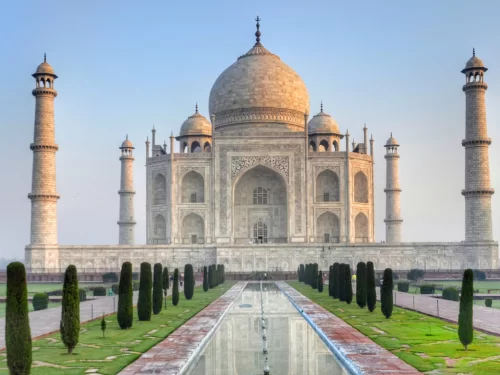 Historical Site
The Taj Mahal is a world-renowned white marble mausoleum in Agra, celebrated for its beauty, symmetry, and historical significance.
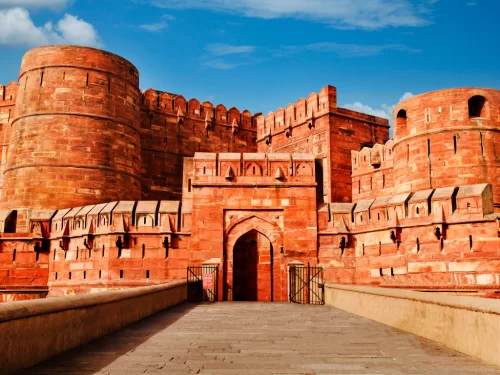 Fort
Fort
Agra Fort is a massive 16th-century Mughal fort in Agra, known for its stunning architecture, history, and UNESCO World Heritage status.
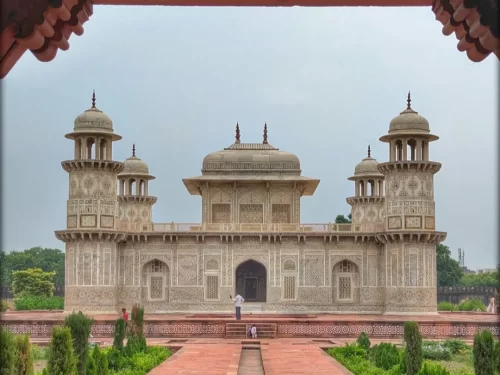 Monument
Itmad-ud-Daula, often called the “Baby Taj,” is a stunning Mughal mausoleum in Agra known for its intricate marble inlay work.
Get customized Uttar Pradesh tour planning designed around seasonal weather, travel distances between heritage regions, spiritual travel flow, and comfortable pacing. Whether you are visiting for historic monuments, temple circuits, river experiences, cul
⚡ Quick Response | 💰 Free consultation | 🕒 24×7 expert support