Thiruchendur Murugan Temple in Tiruchendur, Thoothukudi, Tamil Nadu, India

Thiruchendur Murugan Temple , Kanniyakumari
The temple is one of the six sacred abodes (Arupadai Veedu) of Lord Murugan and is traditionally associated with his victory over the demon Surapadman. Visitors come for religious worship, its distinctive coastal location, Dravidian architecture and the annual Skanda Sashti festival.

Quick Facts About Thiruchendur Murugan Temple

Thiruchendur Murugan Temple – Quick Facts

Entry Fee General darshan is free; special quick-darshan services are chargeable.
Timings 4:00 AM–9:00 PM daily; festival timings may vary.
Altitude (m) Approximately 17 m above sea level.
Ideal Visit Duration 2–3 hours; longer during crowded periods.
Best Time of Day Early morning for darshan and cooler conditions.
Crowd Level High during weekends, monthly Sashti and major festivals.
Distance from City Centre (km) Within Tiruchendur town; exact distance depends on the starting point.
Walking Difficulty Easy to moderate; walking and standing in queues required.
Parking Available Parking facilities are available around the temple area; availability varies with crowds.
Last Mile Access Road access to the temple vicinity, followed by a walk through the temple approach.
Suitable for Kids Yes, with adult supervision, especially near the seashore.
Suitable for Seniors Generally yes; queues and extended standing may be challenging.
Wheelchair Friendly Full wheelchair access is not confirmed; check with temple authorities before visiting.

Why Visit Thiruchendur Murugan Temple in Tamil Nadu?

Thiruchendur Murugan Temple is an important pilgrimage destination dedicated to Lord Murugan, attracting devotees from across Tamil Nadu and other parts of India. Its coastal location and association with Lord Murugan make it a significant stop for visitors exploring the religious heritage of southern Tamil Nadu.

The temple has a deeply devotional atmosphere, with worshippers gathering for prayers, darshan and traditional rituals. Its setting close to the Bay of Bengal gives visitors the opportunity to experience the contrast between the temple's sacred surroundings and the nearby seashore.

What makes Thiruchendur distinctive is its position beside the sea and its place among the six sacred abodes of Lord Murugan, known as Arupadai Veedu. For travellers, it offers a meaningful combination of spiritual significance, traditional temple architecture and a memorable coastal setting.

History of Thiruchendur Murugan Temple, Tamil Nadu

Thiruchendur Murugan Temple, located on the coast of Thoothukudi district in Tamil Nadu, is one of the six sacred abodes of Lord Murugan, traditionally known as the Arupadai Veedu. Its religious significance is reflected in the ancient Tamil devotional work Tirumurugarruppadai, which identifies Tiruchendur as a sacred place of Murugan worship. The temple is also associated with the traditional account of Lord Murugan's victory over Surapadman, commemorated through the annual Soorasamharam festival. Historical inscriptions record Pandya-period patronage, including a donation made by King Varaguna Pandya around 875 CE. The temple's distinctive seashore setting makes it unique among the six abodes.

Best Time to Visit Thiruchendur Murugan Temple, Tamil Nadu

Thiruchendur Murugan Temple can be visited throughout the year, but November to February is generally more comfortable for pilgrims because temperatures along Tamil Nadu’s southeastern coast are comparatively milder. This period is suitable for temple darshan and exploring the coastal surroundings.

  • Ideal months: November to February is a practical choice for a more comfortable pilgrimage. The Tamil month of Aippasi, usually October–November, is also significant because the temple celebrates the Kanda Sashti festival during this period.
  • Weather during the best season: Days are generally warm, with less intense heat than the summer months. Coastal humidity can still be noticeable, so carry water and plan time outdoors accordingly.
  • Periods to avoid or plan carefully: April to June can be particularly hot, making midday visits uncomfortable. October to December is part of the northeast monsoon season in this region, so heavy rain or rough coastal weather may occasionally affect travel plans.
  • Festival consideration: Kanda Sashti and Soorasamharam attract large numbers of devotees, especially on the main celebration days. Visit during this time for the festival atmosphere, but expect crowds and allow additional time for darshan.

How to reach Thiruchendur Murugan Temple

  • By Air: Thoothukudi Airport (Tuticorin Airport) at Vagaikulam is the nearest airport, approximately 40–50 km from the temple by road. Madurai Airport is an alternative for travellers with more flight options, but requires a longer road journey.
  • By Train: Thiruchendur Railway Station is the closest station, around 1–2 km from the temple, with rail connectivity towards Tirunelveli. Tirunelveli Junction is a major alternative railhead for passengers arriving from other parts of India.
  • By Road: Thiruchendur is connected by road with Tirunelveli, Thoothukudi and other towns in Tamil Nadu. Regular bus services operate to the town. From Thiruchendur bus stand or railway station, local auto-rickshaws and a short walk provide access to the temple entrance.

What to Expect When You Visit Thiruchendur Murugan Temple, Tamil Nadu

  • Temple Environment and Surroundings: Thiruchendur Murugan Temple is situated along the Bay of Bengal coastline in Thoothukudi district, Tamil Nadu. Visitors can expect a busy religious atmosphere, with the temple complex located close to the seashore. The coastal surroundings bring sea breezes, humidity and strong sunlight, particularly during the afternoon.
  • Temple Architecture and Premises: The temple is known for its impressive nine-tiered Rajagopuram, traditional Dravidian architecture and its association with Lord Murugan. Visitors can explore designated areas of the temple complex, observe religious structures and experience its established worship traditions.
  • Facilities and Amenities: Basic facilities for pilgrims, including footwear storage arrangements, drinking water facilities and bathing facilities near the temple, are available. Shops selling ???? items, flowers and devotional offerings operate around the temple streets. Availability and access to individual facilities may vary.
  • Darshan and Religious Activities: Devotees visit throughout the year for darshan, prayers and special rituals dedicated to Lord Murugan. Temple worship follows established traditions, and visitors should follow the instructions of temple staff regarding queues, offerings and entry into specific areas.
  • Accessibility and Transportation: Thiruchendur is connected by road and rail to other parts of Tamil Nadu. Thiruchendur Railway Station is located close to the temple, while local taxis, autos and buses provide transportation options. The main temple entrance and surrounding streets can become crowded during peak pilgrimage periods.
  • Walking and Movement: Visiting the temple involves walking through the complex, waiting in darshan queues and navigating busy surrounding streets. Visitors planning to take a ritual sea bath should exercise caution because sea conditions can change. Follow designated bathing arrangements and local safety instructions.
  • Dress Code and Visitor Behaviour: Visitors should wear modest and culturally appropriate clothing. Footwear must be removed before entering designated temple areas. Maintain cleanliness, respect religious practices and avoid disturbing devotees during prayers and ceremonies.
  • Crowd Conditions: The temple attracts substantial numbers of devotees during weekends, Tamil festival days, Skanda Sashti and other important Murugan celebrations. Waiting times for darshan can increase considerably during these occasions. Arriving early can help visitors manage queues more comfortably.
  • Photography and Restrictions: Photography may be restricted inside certain worship areas. Check the current temple rules before taking photographs, particularly near sanctums and during religious ceremonies. Follow security instructions and displayed notices.
  • Weather and Coastal Conditions: Thiruchendur generally experiences warm, humid coastal weather. Strong sunlight can make outdoor movement uncomfortable, while monsoon periods may bring heavy rain and rough sea conditions. Carry drinking water, use sun protection and avoid entering the sea when conditions are unsafe.
  • Practical Visit Planning: Check current darshan timings, special pooja schedules and temple announcements before travelling. Allow additional time during festivals and arrange accommodation and return transport in advance during major pilgrimage periods. Visitors should also account for queues and the time required to explore the temple and nearby seashore.

Important Visitor Information for Thiruchendur Murugan Temple, Tamil Nadu

  • Crowd Levels: The temple can become extremely crowded during Kanda Sashti, Vaikasi Visakam, Thaipusam, Masi Brahmotsavam and Avani Brahmotsavam. Weekends and public holidays may also see heavier footfall.
  • Best Visiting Hours: Early morning, soon after the temple opens at 4:00 AM, is generally a quieter time for darshan. The temple is normally open from 4:00 AM to 9:00 PM, but festival schedules may differ. Check the official temple notice for current queue-entry cut-off times before visiting.
  • Weather Conditions: The temple is on Tamil Nadu's southeastern coast, where conditions can be hot, humid and sunny. Monsoon rainfall and strong coastal winds may affect outdoor movement, so check the local forecast before travelling.
  • Dress and Temple Etiquette: Wear modest clothing suitable for a Hindu place of worship. Maintain a respectful atmosphere and follow the temple authorities' instructions in the sanctum and prayer areas.
  • Seashore Safety: The temple stands close to the Bay of Bengal. Be cautious near the shoreline, especially when waves are strong, and follow local safety instructions. Do not enter the sea in unsafe conditions.
  • Festival-Day Precautions: During major festivals, expect longer queues, crowded approach roads and delays around the temple. Allow additional time for darshan and local travel.

Thiruchendur Murugan Temple: Photography and Viewpoints

  • Temple entrance and gopuram: The tall temple tower and traditional Dravidian architecture provide the main exterior photography subjects. Capture the gopuram from the approach to show its scale and sculptural details.
  • Temple and seashore: The coastal setting offers distinctive compositions around the temple complex, with the Bay of Bengal providing a contrasting backdrop where visible from accessible public areas.
  • Best lighting: Early morning is suitable for photographing the exterior before visitor activity increases. Late afternoon can bring softer light to the temple structures and surrounding coastline.
  • Crowds and access: The entrance and temple corridors can become busy during festivals, special poojas and peak pilgrimage periods. Allow extra time for exterior photographs on these days.
  • Photography rules: Photography restrictions may apply inside the temple and sanctum areas. Follow displayed notices and instructions from temple authorities, and avoid photographing worshippers without permission.

Near By Attraction

Arulmigu Sri Mutharamman Temple Temple

Arulmigu Sri Mutharamman Temple

Arulmigu Sri Mutharamman Temple is a Hindu Shakti temple dedicated to Goddess Mutharamman and Lord Gnanamoorthiswarar, located in the coastal village of Kulasekarapattinam near Tiruchendur.
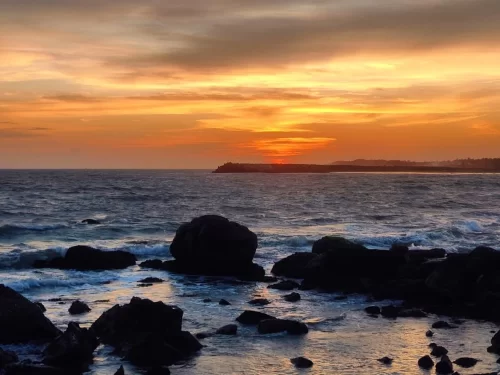
Sunset at Sunset Point, Kanniyakumari during golden hour, featuring rocky shoreline, ocean waves and vibrant sky, perfect romantic experience Kanyakumari tour package Viewpoint

Sunset View Point Kanniyakumari

Sunset View Point is a coastal viewpoint located in Kanyakumari, Tamil Nadu, known for its views of the sun setting over the Arabian Sea.
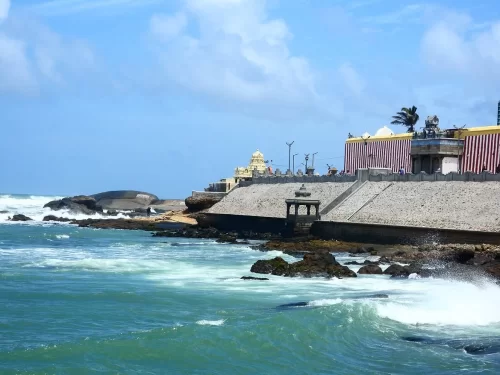
Kumari Amman Temple, Kanniyakumari during clear day, featuring Arabian Sea waves, rocky shoreline and coastal temple, perfect spiritual experience Kanyakumari tour package Temple

Kumari Amman Temple

Kumari Amman Temple is an ancient Hindu temple dedicated to Goddess Devi Kanya Kumari, located at the southern tip of India in Kanyakumari, Tamil Nadu.

Frequently Asked Questions About Thiruchendur Murugan Temple

Thiruchendur Murugan Temple is located in Tiruchendur town in Thoothukudi district of Tamil Nadu. The temple stands close to the Bay of Bengal and is one of the six sacred abodes of Lord Murugan. Its coastal location, religious significance and traditional Dravidian architecture make it an important pilgrimage destination in southern Tamil Nadu.
Thiruchendur Murugan Temple is one of the six sacred abodes of Lord Murugan known as Arupadai Veedu. It is traditionally associated with Lord Murugan's victory over the demon Surapadman. The temple is also famous for its nine tiered Rajagopuram, coastal setting and the annual Skanda Sashti festival, which attracts devotees from different parts of India.
Thiruchendur Murugan Temple generally remains open from 4 AM to 9 PM daily according to the published travel guide. However, darshan arrangements and entry timings may change during festivals and special religious ceremonies. Early morning is usually convenient for devotees seeking cooler weather. Visitors should confirm the current schedule with temple authorities before travelling.
General darshan at Thiruchendur Murugan Temple is free for devotees. However, special quick darshan services and certain religious rituals may involve additional charges. Visitors should check the current availability and official prices directly with temple authorities. Carry identification and avoid relying on unauthorised agents offering guaranteed entry or special temple services.
November to February is generally the best time to visit Thiruchendur Murugan Temple because the coastal weather is comparatively comfortable for sightseeing and darshan. April to June can be particularly hot and humid. Visitors travelling between October and December should also check rainfall forecasts because the northeast monsoon can affect coastal weather and road conditions.
Thoothukudi Airport is the nearest airport to Thiruchendur Murugan Temple at approximately 40 to 50 kilometres by road. Thiruchendur Railway Station is around 1 to 2 kilometres from the temple. Tirunelveli Junction provides additional railway connectivity. Regular buses and road transport services connect Tiruchendur with Tirunelveli, Thoothukudi and other towns in Tamil Nadu.
Approximately two to three hours are generally sufficient for Thiruchendur Murugan Temple darshan and exploring the surrounding temple area. However, waiting times can increase significantly during weekends, monthly Sashti observances and major festivals. Devotees should allow additional time for parking, walking and religious rituals. Early arrival can make the pilgrimage more comfortable.
Visitors should wear modest and culturally appropriate clothing when visiting Thiruchendur Murugan Temple. Footwear must be removed before entering designated worship areas. Devotees should follow temple instructions regarding clothing, offerings, photography and entry into restricted sections. Comfortable footwear is useful for walking outside the temple, while lightweight clothing helps manage the warm coastal weather.
Skanda Sashti is one of the most important festivals celebrated at Thiruchendur Murugan Temple. The Soorasamharam ceremony commemorates Lord Murugan's traditional victory over Surapadman. Other important celebrations include Vaikasi Visakam, Thaipusam and Masi Brahmotsavam. These festivals attract large numbers of devotees, so visitors should arrange accommodation and transport in advance and prepare for longer darshan queues.
Thiruchendur Murugan Temple is generally suitable for families with children and senior citizens. However, walking and standing in darshan queues may be challenging for visitors with limited mobility. Wheelchair accessibility should be confirmed directly with temple authorities. Families should carry drinking water, plan rest breaks and supervise children near the seashore because strong waves can create unsafe conditions.

Loved this place ? Let’s Plan Your Tamil Nadu Trip

Get customized Tamil Nadu tour planning designed around temple visit timing, seasonal weather comfort, road travel distances, and realistic pacing across regions. Whether you are visiting for architectural heritage, spiritual journeys, coastal relaxation,

⚑ Quick Response | πŸ’° Free consultation | πŸ•’ 24Γ—7 expert support

×

Plan Your Trip
