+91 9910402252
admin@chalbanjare.com


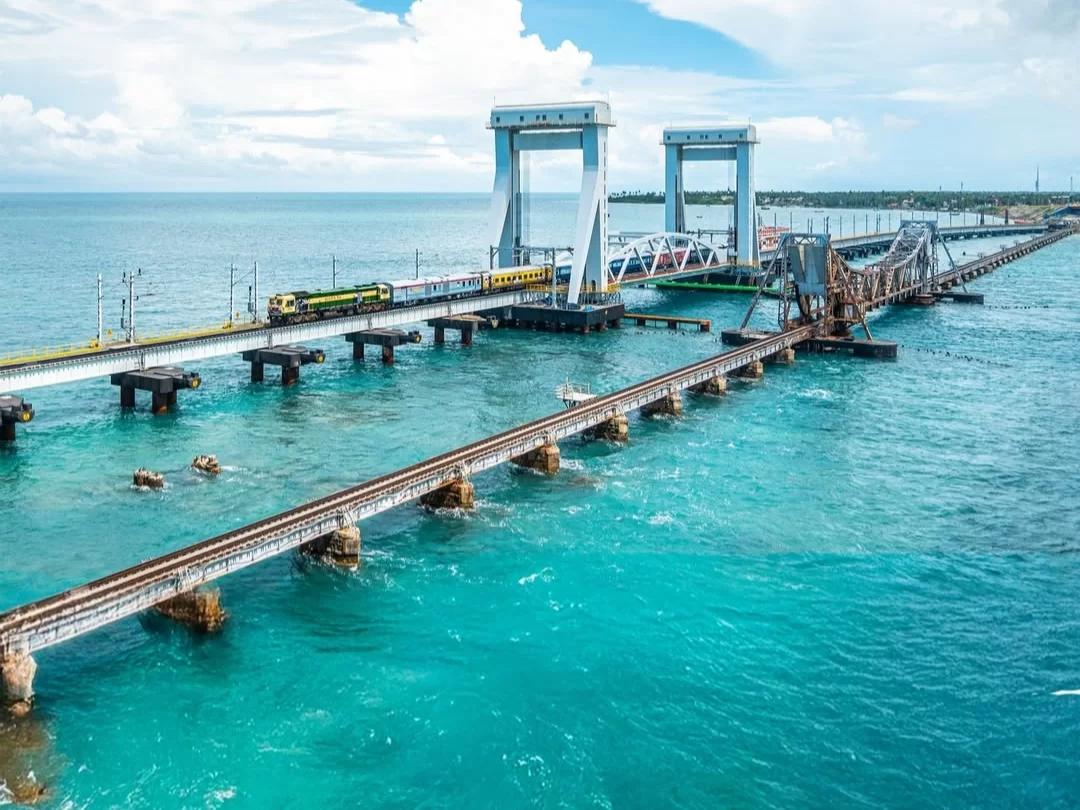
| Entry Fee | No entry fee (free access for pedestrians on designated areas) |
|---|---|
| Timings | 24 hours for viewing from public areas; train operations follow Indian Railways schedule |
| Altitude (m) | Approx. 10 m above sea level |
| Ideal Visit Duration | 30 minutes – 1 hour |
| Best Time of Day | Early morning or late afternoon for clear views and calmer winds |
| Crowd Level | Moderate, higher during weekends and tourist season |
| Distance from City Centre (km) | Approx. 5 km from Pamban town centre |
| Walking Difficulty | Easy on designated pedestrian pathways; some areas may be exposed to wind |
| Parking Available | Limited parking near the bridge approach on Pamban side |
| Last Mile Access | Accessible by auto-rickshaw, taxi, or short walk from Pamban town and bus stops |
| Suitable for Kids | Yes, but caution advised near rail tracks and edge areas |
| Suitable for Seniors | Yes, if avoiding steep or exposed areas; most viewing points are accessible |
| Wheelchair Friendly | Partially; some sections have ramps, but others may be uneven or narrow |
Visitors come to Pamban Bridge to experience one of India’s iconic railway bridges and to enjoy panoramic views of the Palk Strait. It is popular for photography, sightseeing, and observing the engineering marvel of a cantilever bridge connecting Rameswaram to the mainland.
The on-ground atmosphere is breezy and open, with wind from the sea and unobstructed views of the water and surrounding islands. Pedestrian areas and nearby viewpoints allow visitors to safely enjoy the bridge without interfering with train operations.
What makes Pamban Bridge distinct is its combination of functional railway infrastructure and scenic coastal setting. Crossing the bridge offers a unique perspective of trains moving above the sea and views of the surrounding marine landscape that are not available elsewhere in the region.
Pamban Bridge was opened in 1914 as India’s first sea bridge and the longest cantilever railway bridge at the time. It was constructed to connect Rameswaram with mainland Tamil Nadu and facilitate rail transport for both passengers and freight.
The bridge was damaged by a cyclone in 1964 and subsequently restored, incorporating improvements to withstand high winds and waves. It remains a functional railway bridge while also serving as a landmark of early 20th-century engineering.
Pamban Bridge is culturally significant as it forms the main access route to Rameswaram, an important pilgrimage destination. Its engineering design and historical importance make it a notable point of interest for tourists and railway enthusiasts.
Pamban Bridge can be visited throughout the year, but the experience is most comfortable during cooler and drier months when sea winds are pleasant and visibility for sightseeing and photography is optimal.
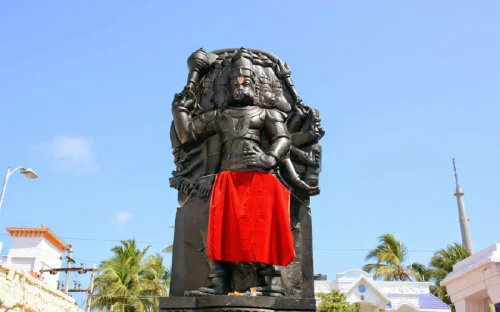 Temple
Sri Panchmukhi Hanuman Temple is a Hindu temple in Rameswaram, Tamil Nadu, known for its Panchmukhi Hanuman idol and display of stones associated with the Ramayana tradition.
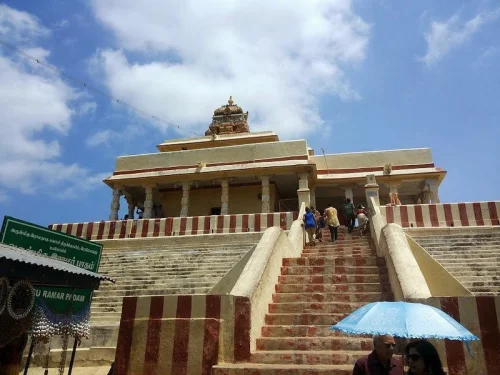 Temple
Gandhamadhana Parvatham is the highest natural point on Rameswaram Island, located in Rameswaram, Tamil Nadu.
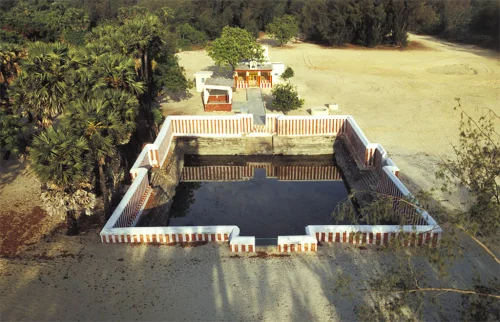 Temple
Jada Theertham Sivan Temple is a sacred Hindu temple located near Rameswaram in Tamil Nadu, associated with the Ramayana.
Get customized Tamil Nadu tour planning designed around temple visit timing, seasonal weather comfort, road travel distances, and realistic pacing across regions. Whether you are visiting for architectural heritage, spiritual journeys, coastal relaxation,
⚡ Quick Response | 💰 Free consultation | 🕒 24×7 expert support

