Padmanabhapuram Palace, Padmanabhapuram (Tamil Nadu, India)

Padmanabhapuram Palace , Kanniyakumari
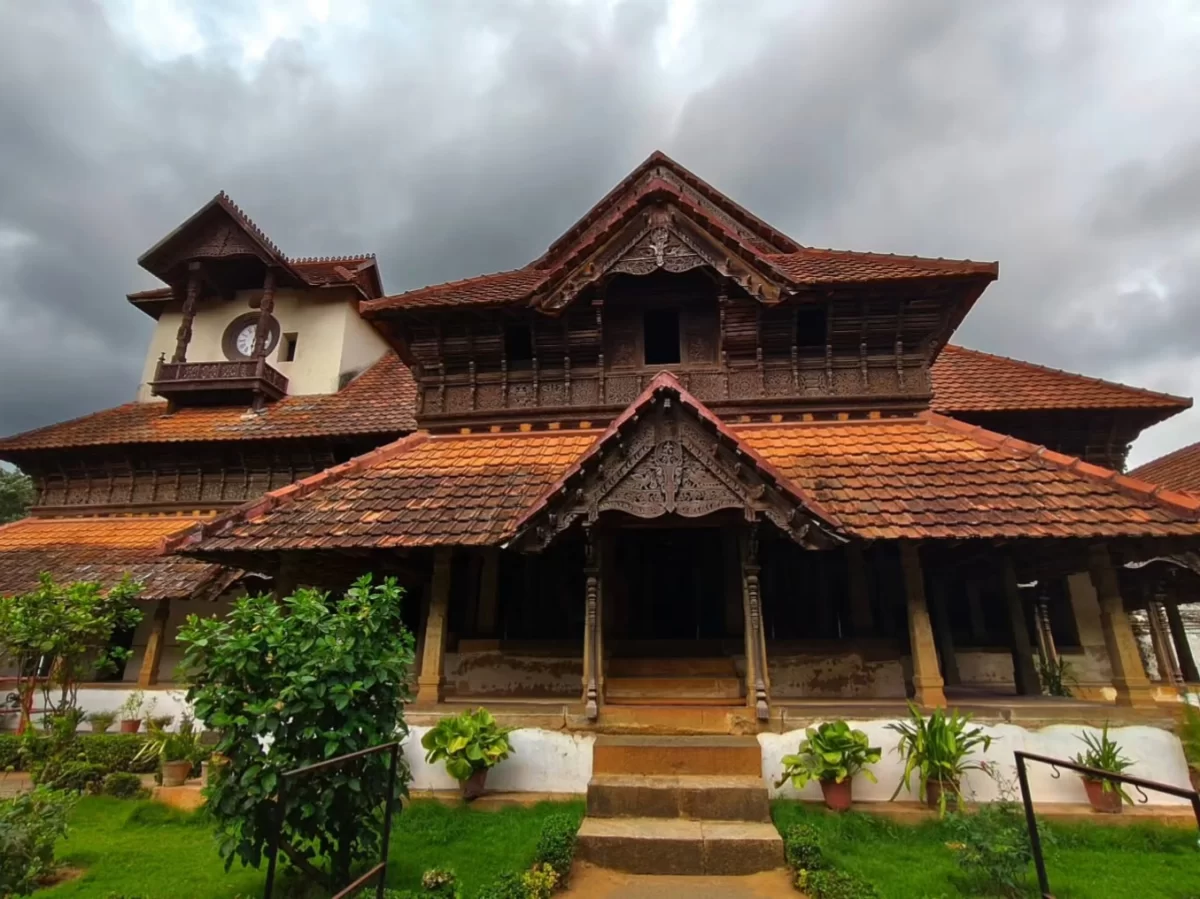
Tourists visit this palace to see preserved wooden interiors, carved ceilings, antique halls, and the large palace courtyard layout. It is one of the best-known heritage sites in the Kanyakumari region and is often visited as a cultural stop from Nagercoil or Kanyakumari.

Quick Facts About Padmanabhapuram Palace

Quick Facts About Padmanabhapuram Palace, Tamil Nadu

Entry Fee ?40 (Indian adults), ?20 (Indian children), ?200 (foreign tourists) (ticket rates may change)
Timings 9:00 AM to 12:30 PM and 2:00 PM to 5:00 PM (closed on Mondays)
Altitude (m) Approx. 40 m above sea level
Ideal Visit Duration 1.5 – 2.5 hours
Best Time of Day Morning session (9:00 AM – 11:30 AM) for cooler weather and clearer exploration
Crowd Level Moderate on weekdays; high on weekends and holiday season
Distance from City Centre (km) Approx. 15 km from Nagercoil city centre
Walking Difficulty Moderate (large complex with multiple halls and walking across courtyards)
Parking Available Yes, parking available near the palace entrance
Last Mile Access Accessible by taxi, auto-rickshaw, and local buses from Thuckalay and Nagercoil
Suitable for Kids Yes (safe walking areas, open courtyards, cultural learning visit)
Suitable for Seniors Partly suitable (walking required; some areas have steps and uneven flooring)
Wheelchair Friendly No (limited accessibility due to steps, wooden thresholds, and heritage structure layout)

Why Visit Padmanabhapuram Palace, Tamil Nadu

Visitors come to Padmanabhapuram Palace to explore one of South India’s best-preserved wooden palace complexes, known for its intricate carvings, traditional architecture, and well-maintained royal interiors. The palace is a practical stop for travellers interested in heritage sites near Nagercoil, Thuckalay, and Kanyakumari.

The on-ground atmosphere feels quiet and structured, with controlled entry, designated walking paths, and a sense of calm inside the palace halls. The wooden corridors, open courtyards, and shaded interiors create a cooler environment compared to the outside climate, though the site can feel busy during weekends.

What makes this palace distinct is the scale of its wooden construction and the detail visible in ceilings, pillars, and floor designs, including long galleries and preserved living quarters. Unlike many monument-style attractions, the experience here is immersive, as visitors move through multiple interconnected sections rather than viewing the palace from the outside only.

History of Padmanabhapuram Palace, Tamil Nadu

Padmanabhapuram Palace served as the historic seat of the Travancore royal family when Padmanabhapuram was the capital of the kingdom. The palace complex developed over different periods and reflects the administrative and residential importance the town once held in the southern region of present-day Tamil Nadu.

The palace is known for its traditional wooden architecture, including long corridors, carved beams, sloping tiled roofs, and large courtyards built in a style associated with Kerala craftsmanship. Many sections were designed for royal residence, official gatherings, and storage, and several interiors remain preserved with original structural detailing.

Today, the palace is maintained as a protected heritage site and functions as a museum-like complex where visitors can view historic halls, decorative wooden ceilings, and preserved royal spaces. Its continued preservation makes it one of the most significant surviving examples of traditional South Indian palace architecture in the region.

Best Time to Visit Padmanabhapuram Palace, Tamil Nadu

Padmanabhapuram Palace is best visited during the cooler months when walking through the large palace complex and open courtyards feels comfortable. Since the visit involves continuous walking across wooden halls, stone pathways, and outdoor sections, avoiding peak heat and heavy rain improves the overall experience.

  • Ideal months: November to February (pleasant temperatures and comfortable conditions for exploring the full palace complex).
  • Weather during best season: Cooler mornings and mild afternoons, making it easier to walk through multiple palace sections without heat fatigue.
  • Good alternative months: October and March (generally manageable weather, though midday warmth can be noticeable).
  • Periods to avoid: April to June due to strong summer heat and humidity, which can make outdoor courtyard movement tiring.
  • Monsoon caution: June to September can bring frequent rain in the region, which may make pathways slippery and reduce comfort while moving between palace buildings.

How to Reach Padmanabhapuram Palace, Tamil Nadu

  • Nearest airport: Trivandrum International Airport (Thiruvananthapuram Airport, TRV), approximately 45–55 km away. Travel time is usually around 1.5 to 2.5 hours depending on border traffic and road conditions.
  • Nearest railway station: Thuckalay Railway Station, approximately 4–6 km from the palace. Nagercoil Junction is a major railhead around 15–18 km away and is better connected for long-distance trains.
  • By road: Padmanabhapuram Palace is well-connected by road from Nagercoil, Kanyakumari, and Thiruvananthapuram. Regular buses and private taxis operate via Thuckalay, which is the closest town for local connectivity.
  • Last-mile connectivity: Auto-rickshaws and taxis are commonly available from Thuckalay town and Nagercoil. The palace entrance is easily reachable by vehicle, but during weekends and holiday season, visitor traffic can cause short delays near the entry area.
  • Travel note: Since the palace is close to the Tamil Nadu–Kerala border, travel time from Trivandrum may vary depending on check-post movement and peak-hour congestion.

What to Expect When You Visit Padmanabhapuram Palace, Tamil Nadu

  • Palace environment: A large heritage complex with multiple wooden buildings, open courtyards, tiled roofs, and shaded corridors, giving a traditional royal residence feel rather than a single monument-style structure.
  • Walking experience: Visitors should expect continuous walking across different palace sections, including wooden halls, stone pathways, and uneven floor areas typical of preserved heritage architecture.
  • Interior viewing: Many rooms contain preserved wooden ceilings, carved pillars, royal halls, and traditional layout spaces. Some interiors may feel dim due to controlled lighting and heritage preservation needs.
  • Surroundings: The palace is located in a quiet town setting near Thuckalay, with a more local atmosphere compared to major city tourist attractions.
  • Facilities: Basic visitor facilities are available near the entry area, but amenities are limited compared to large modern tourist complexes. Visitors may need to rely on nearby Thuckalay town for food options.
  • Accessibility limitations: The palace has steps, wooden thresholds, and heritage-style narrow passages in several areas, making full access difficult for wheelchairs and challenging for visitors with mobility issues.
  • Visitor conditions: The site is generally calm on weekdays but can become crowded on weekends, holidays, and during peak tourist season, which may slow movement through narrow corridors.
  • Photography and rules: Photography is usually allowed in selected areas, but some sections may restrict photography to protect interiors. Visitors should follow instructions displayed at the entrance or inside halls.

Important Visitor Information for Padmanabhapuram Palace, Tamil Nadu

  • Crowd and weather notes: The palace interiors remain cooler due to wooden construction, but outdoor courtyards can feel hot and humid in summer. During monsoon months, pathways may become damp and slippery in open sections.
  • Peak visiting hours: Late morning to afternoon (11:00 AM to 3:30 PM) is usually the busiest period, especially on weekends, school holidays, and peak tourist season.
  • Quiet visiting hours: Early morning soon after opening is generally the best time for a quieter walk through the palace halls and less congestion in narrow corridors.
  • Dress code: No strict dress code is enforced, but decent clothing is recommended as the palace is a culturally significant heritage site with controlled entry and visitor monitoring.
  • Footwear rule: Certain interior areas may require visitors to remove footwear depending on palace section rules. Visitors should be prepared for barefoot walking in selected halls.
  • Photography restrictions: Photography may be limited in specific rooms to protect interiors. Some sections may require an additional camera fee depending on current management rules.
  • Safety and movement caution: Many interiors have low wooden beams, narrow passages, and raised thresholds, so visitors should walk carefully, especially in dimly lit rooms.
  • Time slot limitation: The palace operates with a lunch break, so visitors should plan entry accordingly to avoid arriving during the closure window.

Photography and Viewpoints at Padmanabhapuram Palace, Tamil Nadu

  • Best exterior viewpoint: The main entrance area and open courtyard sections offer the clearest wide-angle views of the palace’s sloping tiled roofs and traditional wooden architecture.
  • Courtyard photography: The central courtyards are ideal for capturing the scale of the palace complex, with long corridors and wooden pillars forming strong symmetrical frames.
  • Interior highlight shots: Several halls feature detailed wooden ceilings and carved beams, which are key photography points, though lighting inside is often low and may affect image clarity.
  • Best time for lighting: Morning hours provide softer natural light in the courtyards and reduce harsh shadows, making exterior and corridor photography more balanced.
  • Monsoon and weather impact: During rainy months, open areas may appear darker and surfaces can reflect light unevenly, which affects outdoor photography and movement between sections.
  • Photography rules: Photography is generally allowed in many outdoor and corridor areas, but certain interior rooms may restrict photography or require an additional camera fee depending on current entry rules.
  • Crowd impact: Weekends and holidays can create congestion in narrow wooden corridors, making it difficult to capture clean frames. Weekday mornings are usually better for uninterrupted photography.
  • Viewpoint limitation: Since this is a preserved heritage structure, access to certain upper levels or restricted rooms may be limited, reducing full panoramic viewpoints within the palace.

Near By Attraction

Kanniyakumari Shri Tirupathi Temple, grand Balaji temple in Kanyakumari with golden vimana and Dravidian-style architecture Temple

Kanniyakumari Shri Tirupathi Temple

Kanniyakumari Shri Tirupathi Temple is a revered Hindu temple dedicated to Lord Venkateswara, attracting devotees in southern Tamil Nadu.

Shrine of Our Lady of Ransom, iconic white Gothic-style church in Kanyakumari near the seafront Church

Shrine of Our Lady of Ransom

Shrine of Our Lady of Ransom is a historic Catholic church in Kanniyakumari, known for its Gothic architecture and seaside location.

Gandhi Memorial Mandapam Kanyakumari Tamil Nadu featuring central Mahatma Gandhi statue within white pavilion columns under partly cloudy skies and beachfront plaza, essential historical patriotic Kanyakumari tour package stop Memorial

Mahatma Gandhi Mandapam

Mahatma Gandhi Mandapam is a memorial complex in Madurai dedicated to Mahatma Gandhi, located within the Tamukkam area.

Frequently Asked Questions About Padmanabhapuram Palace

The best time to visit Padmanabhapuram Palace is from October to March when the weather is pleasant for exploring the large wooden complex. Morning hours provide a quieter and more comfortable experience.
Padmanabhapuram Palace is generally open during standard daytime hours and remains closed on certain weekly holidays. Visitors should confirm official timings before planning.
Padmanabhapuram Palace charges an entry fee for visitors. Separate charges may apply for cameras and video equipment.
Padmanabhapuram Palace can be reached easily by taxi bus or private vehicle as it is located along a well connected highway route. The palace entrance is accessible from the main road.
Most travelers spend two to three hours at Padmanabhapuram Palace. The visit includes exploring multiple courtyards halls and galleries within the complex.
Padmanabhapuram Palace features traditional wooden architecture ornate ceilings mural paintings and antique furniture displayed across various sections. Informational boards provide historical context for the exhibits.
Padmanabhapuram Palace is suitable for families and history enthusiasts due to its structured layout and maintained pathways. Visitors should supervise children on wooden staircases and polished floors.
Photography inside Padmanabhapuram Palace may be restricted in certain sections. Visitors should follow posted guidelines and staff instructions regarding camera use.
Padmanabhapuram Palace can be visited during monsoon as most areas are covered or indoors. Rain may affect travel conditions but not the interior exploration experience.
Padmanabhapuram Palace can be combined with nearby temples forts and coastal viewpoints. These attractions are usually accessible within short travel distance.

Loved this place ? Let’s Plan Your Tamil Nadu Trip

Get customized Tamil Nadu tour planning designed around temple visit timing, seasonal weather comfort, road travel distances, and realistic pacing across regions. Whether you are visiting for architectural heritage, spiritual journeys, coastal relaxation,

⚑ Quick Response | πŸ’° Free consultation | πŸ•’ 24Γ—7 expert support

×

Plan Your Trip