Kanniyakumari Shri Tirupathi Temple – A Sacred Temple of Lord Venkateswara in Tamil Nadu

Kanniyakumari Shri Tirupathi Temple , Kanniyakumari
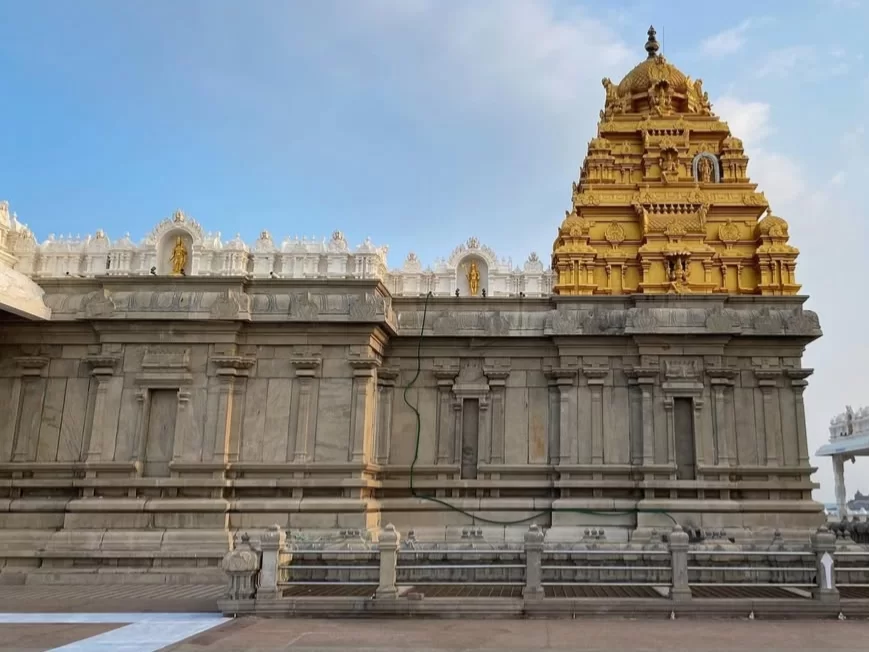
Kanniyakumari Shri Tirupathi Temple is dedicated to Lord Venkateswara (Balaji) and serves as an important place of worship for devotees in the region. Built in traditional South Indian temple architectural style, the temple reflects the spiritual traditions associated with Tirupati. Devotees visit the shrine to offer prayers for prosperity and well-being, especially during major Hindu festivals and auspicious days.

Quick Facts About Kanniyakumari Shri Tirupathi Temple

Quick Facts About Kanniyakumari Shri Tirupathi Temple

Entry Fee No entry fee
Timings 6:00 AM – 12:00 PM and 4:00 PM – 8:00 PM (daily)
Altitude (m) 10 m
Ideal Visit Duration 30–45 minutes
Best Time of Day Early morning for peaceful darshan; evening during aarti
Crowd Level Moderate (higher during weekends and festival days)
Distance from City Centre (km) 1 km (from Kanniyakumari town centre)
Walking Difficulty Easy (well-maintained temple premises)
Parking Available Limited (street parking near temple)
Last Mile Access Taxi/auto or walkable from central Kanniyakumari
Suitable for Kids Yes (family-friendly temple environment)
Suitable for Seniors Yes (minimal walking; seating available)
Wheelchair Friendly Limited (outer areas accessible; inner sanctum has steps)

Why Visit Kanniyakumari Shri Tirupathi Temple

Why Visit

Kanniyakumari Shri Tirupathi Temple is a Vaishnavite shrine dedicated to Lord Venkateswara (Balaji), offering devotees a spiritual space inspired by the Tirumala temple tradition. Visitors come to seek blessings for prosperity and well-being, especially those who wish to experience Venkateswara worship without travelling to Tirupati in Andhra Pradesh.

Atmosphere

The atmosphere is devotional, orderly, and peaceful, shaped by regular poojas, chanting, and structured darshan arrangements. The temple environment maintains a calm spiritual rhythm, particularly during festival days and special Vishnu-related observances. Morning and evening worship times provide the most serene and focused experience.

What Makes it Special

What makes Kanniyakumari Shri Tirupathi Temple special is its architectural inspiration drawn from Tirumala traditions and its role as a regional centre for Lord Venkateswara devotion in southern Tamil Nadu. The temple follows Vaishnavite rituals and offers organised worship practices that reflect established South Indian temple customs. Its location near India’s southernmost tip adds to its appeal as both a spiritual and travel destination.

History of Kanniyakumari Shri Tirupathi Temple

Kanniyakumari Shri Tirupathi Temple is located in Kanniyakumari district, Tamil Nadu, and is dedicated to Lord Venkateswara, reflecting the devotional traditions associated with Tirumala in Andhra Pradesh. The temple was established to serve devotees in the southernmost region of India who wished to worship Lord Venkateswara without undertaking the long pilgrimage to Tirupati.

The shrine was developed in the late 20th century under organized religious trust initiatives, drawing architectural and ritual inspiration from the Tirumala temple. The consecration and daily worship practices follow established Vaishnavite Agamic traditions, ensuring continuity with the broader Sri Vaishnavism framework.

Over time, Kanniyakumari Shri Tirupathi Temple gained prominence as a regional devotional center, especially during major Vaishnavite festivals and special darshan occasions. Today, it stands as a modern spiritual institution in Kanniyakumari district, symbolizing the cultural expansion of Venkateswara worship beyond its original sacred geography in Tirumala.

Best Time to Visit – Kanniyakumari Shri Tirupathi Temple

The best time to visit Kanniyakumari Shri Tirupathi Temple in Kanniyakumari, Tamil Nadu, is from October to March, when the coastal weather is pleasant and suitable for temple darshan and spiritual activities. During these months, temperatures are moderate, and humidity is relatively lower, making it comfortable for devotees to attend poojas and explore the temple premises.

  • October–November: Post-monsoon freshness with clearer skies—ideal for peaceful darshan and sightseeing.
  • December–February: Coolest and most comfortable season—best for early morning and evening worship.
  • March: Still suitable, though afternoons become warmer—morning visits are recommended.
  • April–May (Summer): Hot and humid; early morning and late evening darshan are more comfortable.
  • June–September (Monsoon): Heavy rainfall and strong coastal winds; temple activities continue, but travel may be affected during showers.

Best time of day: 5:00 AM to 9:00 AM and 5:00 PM to 8:00 PM are ideal for darshan, aligning with major pooja timings and offering a calm devotional atmosphere.

  • Spiritual tip: Early morning visits provide a serene setting for prayer and meditation.
  • Festival insight: Vaikunta Ekadasi and other Vishnu-related festivals attract larger crowds—plan visits accordingly.
  • Dress code note: Modest traditional attire is recommended in keeping with temple customs.

How to Reach Kanniyakumari Shri Tirupathi Temple

Kanniyakumari Shri Tirupathi Temple is located in Kanniyakumari town, Kanniyakumari district, Tamil Nadu. The temple is situated within the town limits and is accessible by road from major transport hubs and nearby pilgrimage sites.

  • By Air (Nearest airport): The nearest airport is Trivandrum International Airport, approximately 90 km away. From the airport, hire a taxi or app-based cab to Kanniyakumari via NH 66. The journey usually takes around 2 to 2.5 hours depending on traffic.
  • By Train (Nearest railway station): Kanniyakumari Railway Station is the closest railhead, located within 1–2 km of the temple. From the station, take an auto-rickshaw or walk depending on distance.
  • By Road: Kanniyakumari is well connected by road to Nagercoil, Madurai, and Trivandrum. Government and private buses operate frequently to Kanniyakumari Bus Stand, which is close to the temple area.
  • Taxi / Auto-rickshaw: Taxis and auto-rickshaws are easily available throughout Kanniyakumari town. Ask for drop-off at Shri Tirupathi Temple for direct access.
  • Self-drive: Self-driving is convenient via NH 66 and town roads. Parking is available near the temple premises, though it may be limited during weekends and festival days.
  • Walking access: Visitors staying near the town center, beach area, or railway station can reach the temple comfortably on foot.
  • Travel tips (EEAT): Early morning and evening are ideal for darshan. Dress modestly as per temple customs, and expect increased crowds during Vaishnavite festivals and auspicious days.

What to Expect When You Visit Kanniyakumari Shri Tirupathi Temple

Kanniyakumari Shri Tirupathi Temple is a devotional temple dedicated to Lord Venkateswara (Balaji), inspired by the traditions of Tirumala in Andhra Pradesh. Located in the Kanniyakumari region of Tamil Nadu, the visit is darshan-focused and spiritually structured, offering a Vaishnavite temple experience rather than a monument-style sightseeing stop.

  • Dedicated to Lord Venkateswara: the central deity reflects Tirupati-style worship traditions, drawing devotees seeking blessings for prosperity and well-being.
  • Dravidian architectural influence: expect a structured temple layout with a decorated entrance tower (gopuram) and organized mandapam areas.
  • Darshan-centered visit: the primary purpose is prayer and offering rather than extended exploration of the complex.
  • Daily poojas and special sevas: regular rituals and aartis define the temple’s devotional rhythm.
  • Festival-driven footfall: Vaikunta Ekadasi and other major Vaishnavite occasions attract larger crowds.
  • Disciplined temple decorum: silence, orderly queue systems, and respectful conduct are expected within the premises.
  • Modest dress code: traditional and conservative attire is recommended; footwear must be removed before entry.
  • Restricted photography inside: photography is generally limited within sanctum and main worship areas.
  • Short but meaningful visit duration: most devotees focus on darshan and offerings before departing.
  • Convenient inclusion in Kanniyakumari itinerary: the temple can be easily combined with nearby coastal and spiritual landmarks.

Tip for a smoother visit: visit early morning for a calmer darshan, avoid peak festival dates if seeking a quieter experience, and follow temple customs respectfully for a spiritually fulfilling visit.

Important Visitor Information – Kanniyakumari Shri Tirupathi Temple

  • Crowd & Weather Notes: The temple sees regular devotees, with higher footfall during weekends, Vaikunta Ekadashi, and major Vaishnavite festival days. Kanniyakumari has a humid coastal climate; summers are warm, monsoon months (June to September) bring rainfall and strong sea winds, while winters are relatively pleasant.
  • Peak / Quiet Hours: Peak hours are early morning and evening during pooja and darshan timings. For a quieter visit, late morning or early afternoon on weekdays is preferable.
  • Dress Code: Modest and traditional attire is recommended. Shoulders and knees should be covered. Footwear must be removed before entering the temple premises.
  • Safety Notes: Follow temple guidelines and instructions from temple authorities, especially during crowded festival periods. Be cautious on smooth floors during rainy weather, keep personal belongings secure, and maintain silence and decorum inside the temple complex.

Photography and Viewpoint – Kanniyakumari Shri Tirupathi Temple

Kanniyakumari Shri Tirupathi Temple, located in Kanniyakumari district, Tamil Nadu, is a temple dedicated to Lord Venkateswara (Balaji), reflecting Dravidian-style temple architecture with a prominent gopuram and structured mandapams. Set within the spiritual landscape of India’s southernmost town, the temple offers opportunities for architectural and devotional photography, while requiring strict adherence to temple customs and guidelines.

  • Photography permissions: Photography inside the sanctum is generally restricted; always follow temple signage and instructions from authorities.
  • Best light for exterior photography: Early morning and late afternoon enhance the colors and sculptural details of the gopuram and temple façade.
  • Gopuram composition ideas: Frame the multi-tiered entrance tower symmetrically to highlight carvings and traditional Dravidian design elements.
  • Mandapam & courtyard shots: Use wide lenses to capture pillared halls and open prayer spaces, emphasizing architectural depth and structure.
  • Detail-focused photography: Where permitted, photograph lamps, bells, decorative motifs, and sculptural elements reflecting temple craftsmanship.
  • Wide vs. telephoto strategy: Wide lenses suit full-structure views, while telephoto lenses isolate sculptural details and ornamental features.
  • Mobile photography tips: Use gridlines to maintain straight vertical alignment, expose for shaded temple surfaces, and avoid flash within temple premises.
  • Devotional atmosphere frames: Capture devotees and offerings from a respectful distance to convey spiritual ambience without intrusion.
  • Crowd & timing awareness: Early darshan hours offer quieter surroundings; festival days may be crowded but visually vibrant.
  • Responsible religious-site photography: Maintain modest attire, avoid obstructing rituals, and prioritize reverence over imagery at all times.

Near By Attraction

Shrine of Our Lady of Ransom, iconic white Gothic-style church in Kanyakumari near the seafront Church

Shrine of Our Lady of Ransom

Shrine of Our Lady of Ransom is a historic Catholic church in Kanniyakumari, known for its Gothic architecture and seaside location.

Gandhi Memorial Mandapam Kanyakumari Tamil Nadu featuring central Mahatma Gandhi statue within white pavilion columns under partly cloudy skies and beachfront plaza, essential historical patriotic Kanyakumari tour package stop Memorial

Mahatma Gandhi Mandapam

Mahatma Gandhi Mandapam is a memorial complex in Madurai dedicated to Mahatma Gandhi, located within the Tamukkam area.

Triveni Sangam at Kanyakumari Beach during sunset, featuring Vivekananda Rock lighthouse and crashing waves, perfect Kanyakumari tour package. River

Triveni Sangam Kanyakumari

Triveni Sangam is the confluence point of the Arabian Sea, Bay of Bengal, and Indian Ocean, located near Kanyakumari.

Frequently Asked Questions About Kanniyakumari Shri Tirupathi Temple

The best time to visit Kanniyakumari Shri Tirupathi Temple is from October to March when the weather is more comfortable for temple visits. Early morning hours are usually peaceful for darshan.
Kanniyakumari Shri Tirupathi Temple is generally open from early morning until late evening with specific breaks between rituals. Timings may vary slightly on special religious days.
There is no major entry fee for general darshan at Kanniyakumari Shri Tirupathi Temple. Special poojas and quicker darshan options may have separate charges.
Kanniyakumari Shri Tirupathi Temple can be reached easily by taxi auto bus or private vehicle as it is located in a well connected area. Public transport options frequently operate nearby.
Most visitors spend 30 to 60 minutes at Kanniyakumari Shri Tirupathi Temple depending on crowd levels. Additional time may be needed during peak pilgrimage days.
Kanniyakumari Shri Tirupathi Temple conducts daily poojas and special rituals dedicated to Lord Venkateswara. Devotees often attend morning and evening worship sessions.
Visitors to Kanniyakumari Shri Tirupathi Temple should wear modest and traditional attire. Footwear must be removed before entering the temple premises.
Special darshan tickets may be available at Kanniyakumari Shri Tirupathi Temple during busy periods. Availability depends on temple administration policies.
Kanniyakumari Shri Tirupathi Temple can be visited during festival season for a more vibrant spiritual atmosphere. Visitors should expect larger crowds during major celebrations.
Kanniyakumari Shri Tirupathi Temple can be combined with nearby temples beaches and coastal landmarks. These attractions are usually accessible within short travel distance.

Loved this place ? Let’s Plan Your Tamil Nadu Trip

Get customized Tamil Nadu tour planning designed around temple visit timing, seasonal weather comfort, road travel distances, and realistic pacing across regions. Whether you are visiting for architectural heritage, spiritual journeys, coastal relaxation,

⚡ Quick Response | 💰 Free consultation | 🕒 24×7 expert support

×

Plan Your Trip