Quick Facts About Mannavanur Lake
Quick Facts About Mannavanur Lake, Kodaikanal
| Entry Fee | Paid entry (ticket fee may apply for lake access; charges can vary depending on local administration rules) |
|---|---|
| Timings | Typically open from 9:00 AM to 5:00 PM (timings may vary by season and local management) |
| Altitude (m) | Approx. 2,000–2,100 m above sea level |
| Ideal Visit Duration | 1 hour – 2 hours |
| Best Time of Day | Morning for clear views and comfortable weather; late afternoon for softer light |
| Crowd Level | Low to moderate (higher on weekends and peak season) |
| Distance from City Centre (km) | Approx. 30–35 km from Kodaikanal town centre |
| Walking Difficulty | Easy (flat walking around lake-side viewing areas) |
| Parking Available | Yes (basic parking space available near the lake entry area) |
| Last Mile Access | Accessible by private vehicle and taxi; road includes rural stretches and may be narrow in parts |
| Suitable for Kids | Yes (lake edge supervision required) |
| Suitable for Seniors | Yes (minimal walking required, but travel distance from town is long) |
| Wheelchair Friendly | Partially (depends on path condition and surface near the lake) |
Why Visit Mannavanur Lake, Kodaikanal
Visitors come to Mannavanur Lake to experience a quieter lake destination away from the main Kodaikanal town circuit. It is mainly visited for calm water views, open grassland surroundings, and relaxed nature stops during a countryside drive.
The on-ground atmosphere feels spacious and rural, with wide meadows, cool hill air, and less traffic compared to Kodaikanal’s central tourist areas. The lake-side area is generally peaceful, with visitors spending time walking and sitting near the shoreline viewpoints.
What makes Mannavanur Lake distinct is its combination of lake scenery with valley-style grasslands, which is different from the forest-heavy viewpoints around Kodaikanal. The long drive and remote setting give travelers a more offbeat experience, often combined with nearby sheep farm visits.
History of Mannavanur Lake, Kodaikanal
Mannavanur Lake is a man-made lake developed in the Mannavanur village region as part of local water storage and land management in the upper Palani hills. Over time, the lake area became known for its scenic grassland landscape and started attracting visitors traveling beyond the main Kodaikanal town circuit.
The lake is closely connected with the surrounding agricultural and pastoral environment of Mannavanur, including the well-known sheep farm in the area. Its importance today is mainly linked to nature tourism and countryside sightseeing rather than any religious or heritage significance.
Best Time to Visit Mannavanur Lake, Kodaikanal
Mannavanur Lake is best visited when the road conditions are clear and the grassland landscape is visibly green, as the experience depends on open views and outdoor walking. Post-monsoon and winter months provide the most comfortable travel conditions for the long drive from Kodaikanal town.
- Ideal months: October to March for pleasant weather and clearer valley visibility; July to September is also good for greener scenery if rainfall is not too heavy.
- Best-season weather: Cool temperatures with fresh grassland views, better visibility, and comfortable conditions for walking near the lake edge.
- Periods to avoid: Late May to June afternoons can feel tiring due to long travel time and stronger sun exposure on open grassland stretches.
How to Reach Mannavanur Lake, Kodaikanal
- Nearest airport: Madurai Airport (IXM), approx. 130–150 km from Mannavanur. From Madurai, travelers typically reach Kodaikanal by taxi and continue further toward Mannavanur by road.
- Nearest railway station: Kodai Road Railway Station is the closest railhead, located around 100–120 km from Mannavanur. From Kodai Road, visitors usually travel by taxi to Kodaikanal and then take the Mannavanur route.
- By road: Mannavanur Lake is reached from Kodaikanal via the Mannavanur village road route. The drive includes rural hill stretches and takes longer than most local sightseeing spots due to distance.
- Last-mile connectivity: Private vehicles and taxis can reach the lake entry area directly. Public transport options are limited, so hired cabs are the most reliable option for tourists.
- Travel conditions to note: Roads can be narrow and uneven in parts, and fog is common in early mornings. It is recommended to start early and plan a round trip within daylight hours.
What to Expect When You Visit Mannavanur Lake, Kodaikanal
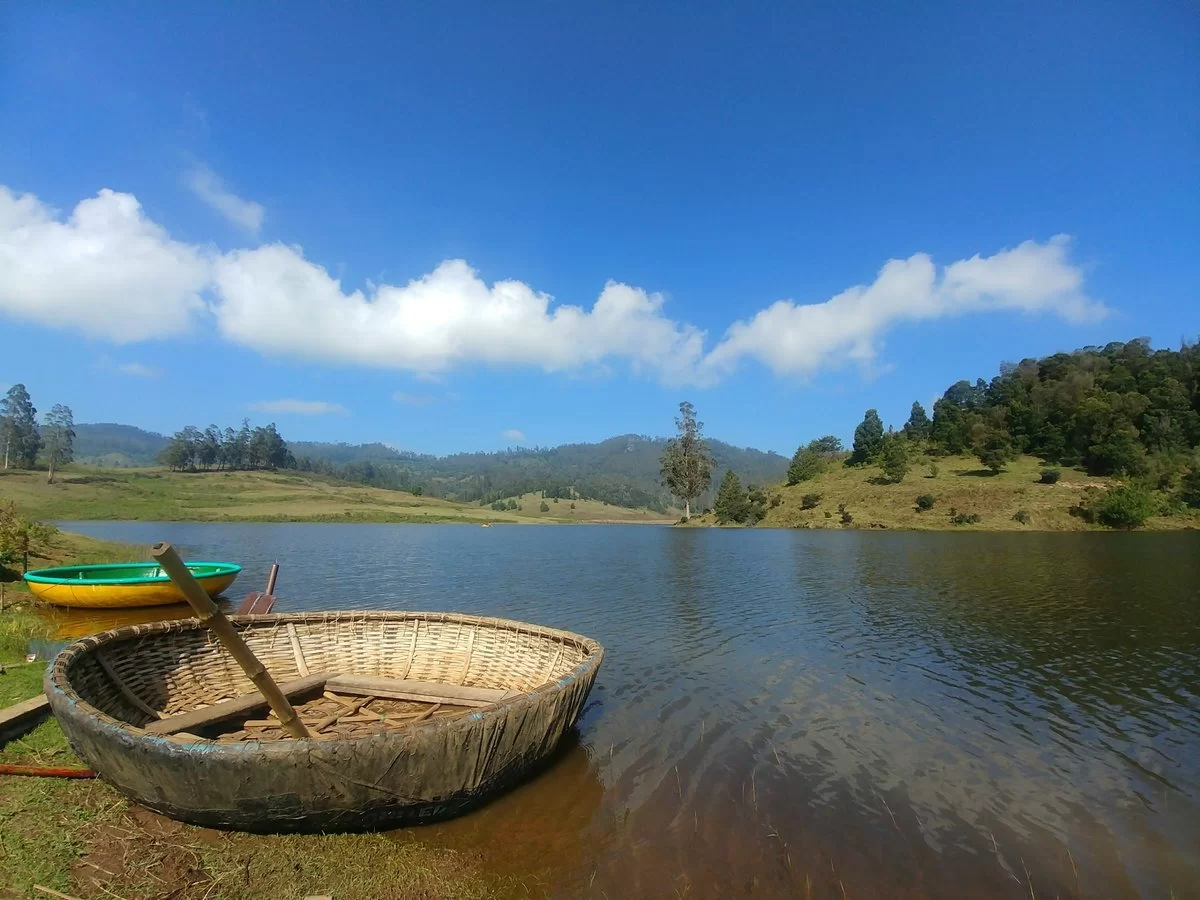
- Open grassland and lake setting: Expect wide meadow landscapes with a calm lake in the centre, offering a different feel compared to the forest-heavy attractions near Kodaikanal town.
- Quiet and less commercial atmosphere: The area is generally peaceful with fewer shops and limited crowd movement, making it suitable for slow sightseeing and relaxed walking.
- Long travel time from town: Reaching Mannavanur Lake involves a longer drive compared to main tourist spots, and most visitors plan it as a half-day trip.
- Basic facilities: Tourist facilities are limited, with only basic entry arrangements and small local stalls in some seasons. Restroom availability may not be consistent.
- Easy walking experience: Movement around the lake is mostly flat and comfortable, with open paths and viewing points suitable for casual walking.
- Family-friendly environment: Families and small groups often spend time taking photos and sitting near the lake edge, especially during cooler months.
- Wind and open exposure: The lake area can feel windy and colder due to open grassland exposure, especially in late afternoons.
- Limited public transport: Most tourists arrive by hired taxi or private vehicle, and local transport options are not frequent like town-side attractions.
Important Visitor Information for Mannavanur Lake, Kodaikanal
- Crowd and weather notes: Mannavanur Lake is usually less crowded than central Kodaikanal attractions, but weekends and holiday seasons can bring more visitors. The open grassland area can feel windy and colder, especially in winter months.
- Peak visiting hours: 11:00 AM to 3:00 PM is generally the busiest period, as most tourists arrive after completing the long drive from Kodaikanal town.
- Quiet visiting hours: Early morning visits are calmer and offer better visibility, with fewer vehicles and a quieter lake-side atmosphere.
- Dress code: No dress code applies, but warm layers are recommended due to strong wind and low temperatures in the open meadow zone.
- Safety notes: The lake edge is open without heavy fencing in many areas, so visitors should be cautious near the water, especially with children.
- Road travel caution: The route includes narrow rural stretches and fog-prone hill roads, so returning before evening is advisable for safer driving.
- Limited emergency access: Since the location is remote and outside the town circuit, immediate medical or service access may take time, so visitors should avoid risky lake-edge activities.
Photography and Viewpoints at Mannavanur Lake, Kodaikanal
- Best lake viewpoint angles: The best photographs are taken from the open grassland edges where the lake appears with wide meadow surroundings and distant hill slopes in the background.
- Wide landscape frames: Mannavanur Lake is well-suited for panoramic photography because the area is open with minimal tall tree cover, allowing clear sky and valley depth in the frame.
- Best time for lighting: Morning light offers clearer visibility and softer reflections on the lake surface, while late afternoon provides warmer tones across the grassland if the sky is clear.
- Wind impact on reflections: Strong wind is common in this open area and can disturb water reflections, so calm mornings generally give cleaner lake reflection shots.
- Crowd and access factors: The lake remains less crowded on weekdays, making it easier to capture uninterrupted frames, but weekends can bring more visitors near the main entry side.
- Photography restrictions: Personal photography is generally allowed in the lake area, but visitors should follow any local rules if entry is managed by forest or village authorities.
- Movement limitation near water: Some lake edges may be muddy or slippery after rain, so photography closer to the shoreline should be done only from stable ground.