Quick Facts About Kurinji Andavar Temple
Kurinji Andavar Temple, Kodaikanal Quick Facts
| Entry Fee | Free |
|---|---|
| Timings | Generally 7:00 AM–7:00 PM; timings may vary during festivals and special pooja occasions. |
| Altitude (m) | Approximately 2,130 m |
| Ideal Visit Duration | 30 minutes–1 hour |
| Best Time of Day | Morning or evening for comfortable weather and better views of the surrounding hills. |
| Crowd Level | Moderate; higher during weekends, summer holidays, and religious festivals. |
| Distance from City Centre (km) | Approximately 4 km from Kodaikanal Lake area. |
| Walking Difficulty | Easy; the temple approach requires a short walk with some slight slopes. |
| Parking Available | Yes, limited parking is available near the temple entrance. |
| Last Mile Access | Accessible by motorable road up to the temple area, followed by a short walk. |
| Suitable for Kids | Yes |
| Suitable for Seniors | Yes; the temple is accessible with minimal walking. |
| Wheelchair Friendly | Partially; the entrance area is accessible, but some sections may have steps or uneven surfaces. |
Why Visit Kurinji Andavar Temple, Kodaikanal
Visitors come to Kurinji Andavar Temple to offer prayers to Lord Murugan and to experience one of Kodaikanal's important hilltop temples. The temple is especially known for its connection with the Kurinji flower, which is native to the high-altitude regions of the Western Ghats.
The atmosphere is peaceful and scenic, with a calm temple environment surrounded by green hills and mountain views. The elevated location provides a pleasant setting for visitors, and the nearby viewpoint offers views of the Palani Hills and surrounding valleys during clear weather.
What makes Kurinji Andavar Temple distinct is its association with the rare Kurinji flower and its combination of spiritual importance with panoramic hill scenery. The temple provides visitors an opportunity to experience local religious traditions while exploring the natural landscape of Kodaikanal.
History of Kurinji Andavar Temple, Kodaikanal
Kurinji Andavar Temple is a Hindu temple located in Kodaikanal, Tamil Nadu, dedicated to Lord Murugan. The temple was built in 1936 by Sri Ramabai, a European woman who embraced Hindu spirituality after marriage and contributed to the establishment of the shrine. The temple is situated on a hilltop and has become an important religious site in the Palani Hills region.
The temple is closely associated with the Kurinji flower, a rare mountain flower that blooms in the Western Ghats at long intervals. Lord Murugan is worshipped here as Kurinji Andavar, meaning the Lord of the Kurinji region. The temple's name reflects the connection between the deity and the unique landscape of the Palani Hills.
Today, Kurinji Andavar Temple is visited by devotees and tourists for its religious importance and panoramic views of the surrounding hills. It is also known as a viewpoint to observe the natural beauty of the Kodaikanal landscape and, during the flowering season, the rare Kurinji bloom.
Best Time to Visit Kurinji Andavar Temple, Kodaikanal
The best time to visit Kurinji Andavar Temple is from March to June and September to November, when Kodaikanal experiences comfortable weather for temple visits and enjoying views of the surrounding hills. The temple can be visited throughout the year, with the famous Kurinji flower blooming period attracting additional interest when it occurs.
- Ideal months: March to June and September to November for pleasant weather and comfortable sightseeing around the temple area.
- Best season conditions: Cool temperatures, fresh greenery, and clearer mornings provide better conditions for viewing the Palani Hills from the temple surroundings.
- Periods to avoid: July to August due to frequent monsoon showers, mist, and slippery conditions that may reduce visibility. Peak holiday periods can also bring larger crowds and longer waiting times.
How to Reach Kurinji Andavar Temple, Kodaikanal
- Nearest Airport: The nearest airport is Madurai Airport, approximately 125 km from Kurinji Andavar Temple. Taxis and private cabs are available from the airport to Kodaikanal. The route includes a steep hill drive with multiple hairpin bends.
- Nearest Railway Station: Kodaikanal Road Railway Station, around 80 km away, is the nearest railway station. From the station, visitors can hire taxis or take buses to Kodaikanal town and continue by local transport to the temple.
- By Road: Kurinji Andavar Temple is located about 4 km from Kodaikanal Lake and is easily accessible by taxi, auto-rickshaw, or private vehicle. The temple is connected through hilly roads from the main town area, with signboards available along the route. Parking is available near the temple, but space can be limited during weekends and peak tourist months.
What to Expect When You Visit Kurinji Andavar Temple, Kodaikanal
- Kurinji Andavar Temple is a hilltop Hindu temple in Kodaikanal dedicated to Lord Murugan and is known for its association with the Kurinji flower, which blooms in the Western Ghats at long intervals. The temple location also provides views of the surrounding hills and valleys.
- The temple complex is located on elevated terrain and offers a peaceful environment with gardens, mountain views, and a devotional atmosphere. Visibility from the viewpoint depends on weather conditions and cloud cover.
- Visitors can reach the temple by road and walk a short distance from the parking area. The premises include steps and slightly sloping pathways, which may require care for elderly visitors.
- Basic facilities such as parking, drinking water, small shops selling flowers and puja items, and nearby eateries are available. Larger shopping and dining options are available in Kodaikanal town.
- The temple is an active place of worship, so visitors should remove footwear before entering the shrine, dress modestly, and maintain a respectful environment during prayers.
- The temple attracts both pilgrims and tourists throughout the year. Crowds generally increase during weekends, summer holidays, and festivals related to Lord Murugan.
- Photography is usually allowed in outdoor areas, including viewpoints and temple surroundings, but visitors should follow any restrictions inside the main shrine.
- The hilltop weather can be cool, windy, and misty, especially during monsoon and winter months. Carrying a light jacket and comfortable footwear is recommended for a more convenient visit.
Important Visitor Information for Kurinji Andavar Temple, Kodaikanal
- Crowd and weather: The temple is busiest during the summer tourist season (April–June), weekends, public holidays, and the annual Kurinji flower blooming period. Kodaikanal has a cool climate throughout the year, while monsoon months may bring mist and slippery pathways around the temple area.
- Peak and quiet visiting hours: Morning hours are suitable for a peaceful visit and better views of the surrounding hills. Late morning and afternoon usually attract more tourists, especially during peak holiday periods.
- Dress code: Kurinji Andavar Temple is an active Hindu shrine dedicated to Lord Murugan. Visitors should wear modest clothing suitable for a place of worship, and footwear must be removed before entering the temple premises.
- Safety and practical cautions: The temple viewpoint area offers views of the Palani Hills, so visitors should take care near viewpoints and follow safety barriers. During rainy weather, steps and pathways can become slippery. Visitors should also respect temple rituals and avoid disturbing worship activities.
Photography and Viewpoints at Kurinji Andavar Temple, Kodaikanal
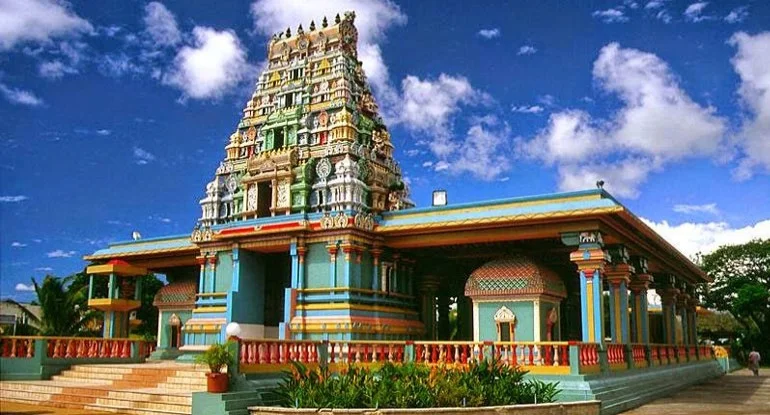
- The temple courtyard and entrance area provide good viewpoints for photographing the colourful temple structure along with the surrounding Palani Hills landscape.
- The elevated location of the temple offers wide views of Kodaikanal town and distant hills, with clearer visibility usually found during early morning hours and after rainfall when the atmosphere is less hazy.
- Morning and late afternoon are suitable for photography, as the softer sunlight highlights the temple architecture and mountain scenery without strong midday glare.
- Photography is generally allowed in the outer temple areas, but visitors should follow temple rules and avoid photography inside restricted worship spaces or during private religious rituals.
- The temple receives more visitors during weekends, holidays, and the Kurinji flower blooming period. Visiting during quieter morning hours provides better access to viewpoints and fewer interruptions for photographs.