Quick Facts About Arulmigu Sri Dhandayuthapani swamy thirukkovil
Arulmigu Sri Dhandayuthapani Swamy Thirukkovil, Tamil Nadu Quick Facts
| Entry Fee | No entry fee |
| Timings | Generally open daily from early morning to noon and again from late afternoon to evening; timings may vary on festival days |
| Altitude (m) | Approximately 150 m above sea level |
| Ideal Visit Duration | 1–2 hours |
| Best Time of Day | Early morning during temple rituals and relatively lighter crowds |
| Crowd Level | Moderate; significantly higher during Thaipusam, Panguni Uthiram, and other Murugan festivals |
| Distance from City Centre (km) | Approximately 2 km from Palani town centre |
| Walking Difficulty | Moderate; involves climbing steps unless using alternative access facilities |
| Parking Available | Yes, designated parking facilities are available near the temple complex |
| Last Mile Access | Accessible by steps, winch railway, rope car, or pedestrian pathways depending on the route chosen |
| Suitable for Kids | Yes |
| Suitable for Seniors | Yes, especially when using rope car or winch services |
| Wheelchair Friendly | Partially accessible; accessibility depends on the access mode and specific temple areas |
Why Visit Arulmigu Sri Dhandayuthapani Swamy Thirukkovil, Tamil Nadu
Visitors come to Arulmigu Sri Dhandayuthapani Swamy Thirukkovil to worship Lord Murugan, one of the most revered deities in Tamil Nadu. The temple attracts devotees seeking spiritual experiences, religious rituals, and participation in important Murugan festivals held throughout the year.
The atmosphere is deeply devotional, with temple chants, traditional rituals, and a continuous flow of worshippers. Visitors experience an active place of worship where daily religious practices remain central to the temple’s character and appeal.
What makes this temple distinct is its strong association with Murugan worship and its importance within Tamil religious traditions. The temple offers travelers an opportunity to observe living Hindu customs, regional architecture, and the cultural significance of Murugan devotion in Tamil Nadu.
History of Arulmigu Sri Dhandayuthapani Swamy Thirukkovil, Tamil Nadu
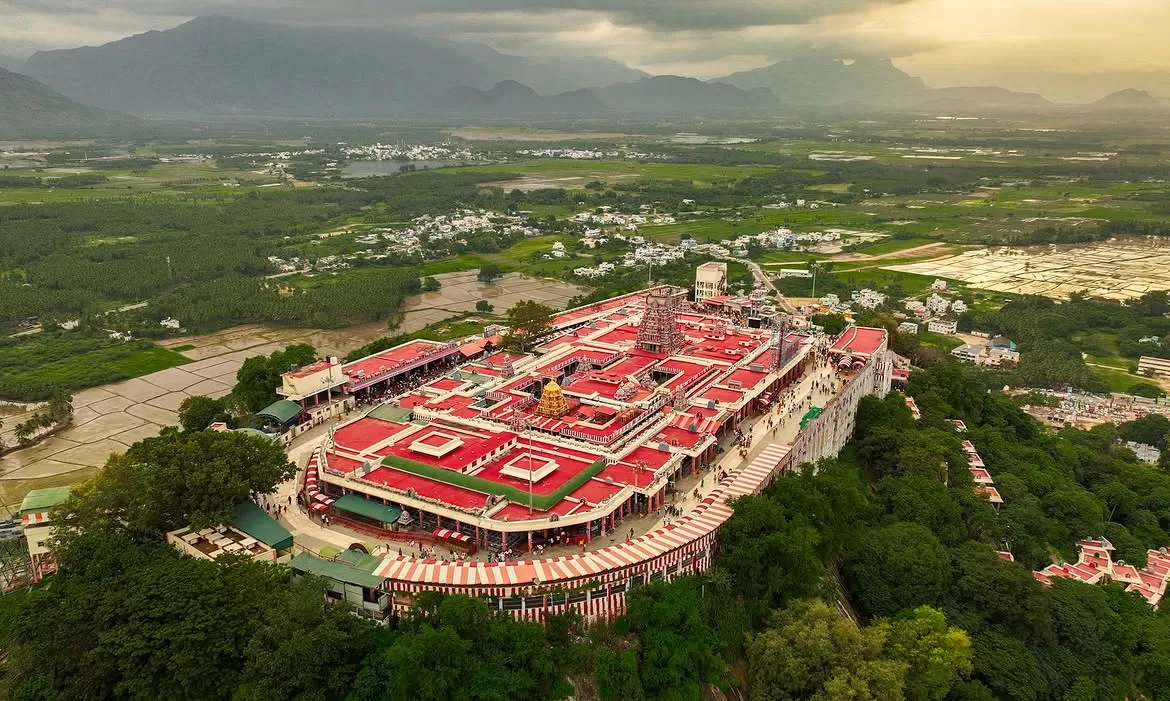
Arulmigu Sri Dhandayuthapani Swamy Thirukkovil, popularly known as the Palani Murugan Temple, is one of the most revered shrines dedicated to Lord Murugan in Tamil Nadu. The temple is situated atop the Palani Hills and has been an important center of Murugan worship for centuries.
The temple is closely associated with the Tamil legend of Lord Murugan renouncing a divine fruit and choosing Palani as his abode. This tradition has shaped the temple’s religious significance and made it one of the six sacred abodes (Arupadai Veedu) of Lord Murugan.
Historical inscriptions found at the temple indicate patronage from various South Indian dynasties, including the Pandyas, who contributed to its development and maintenance. Today, the temple remains one of the most important pilgrimage destinations in Tamil Nadu.
Best Time to Visit Arulmigu Sri Dhandayuthapani Swamy Thirukkovil, Tamil Nadu
Arulmigu Sri Dhandayuthapani Swamy Thirukkovil is best visited during the cooler and drier months when climbing the temple steps, participating in darshan, and enjoying the hilltop surroundings are more comfortable for pilgrims and tourists.
- Ideal Months: November to February is the most favorable period for visiting the temple, with comfortable conditions for pilgrimage and sightseeing.
- Weather Conditions: These months typically bring milder temperatures, lower humidity, and pleasant conditions for ascending the hill and spending time within the temple complex.
- Periods to Avoid: April to June can be challenging due to high daytime temperatures, while heavy monsoon spells may make outdoor movement and stairway access less comfortable.
How to Reach Arulmigu Sri Dhandayuthapani Swamy Thirukkovil, Tamil Nadu
- By Air: Coimbatore International Airport is the nearest major airport, located about 115 km from the temple at Palani. The airport offers regular flights from major Indian cities. Taxis and intercity buses are available for onward travel to Palani.
- By Train: Palani Railway Station is the nearest railway station, situated approximately 2 km from the temple. It is connected to major cities in Tamil Nadu through regular passenger and express train services. Auto-rickshaws and taxis provide convenient last-mile connectivity to the temple entrance.
- By Road: The temple is located on Palani Hill in the town of Palani and is well connected by state highways to Coimbatore, Madurai, Dindigul, and Tiruchirappalli. Regular government and private buses operate to Palani Bus Stand, which is close to the temple. Visitors can reach the hilltop shrine via steps, winch railway, rope car, or electric vehicle services. Expect larger crowds and traffic congestion during festivals such as Thaipusam and Panguni Uthiram.
What to Expect When You Visit Arulmigu Sri Dhandayuthapani Swamy Thirukkovil, Tamil Nadu
- Arulmigu Sri Dhandayuthapani Swamy Thirukkovil, commonly known as the Palani Murugan Temple, is situated atop the Palani Hills and serves as one of Tamil Nadu’s most important pilgrimage centers, attracting devotees throughout the year.
- The temple environment is dominated by religious activity, with prayer halls, shrines, queue systems, and temple services operating daily. Visitor numbers increase significantly during festivals, special poojas, and auspicious Tamil calendar dates.
- Access to the hilltop temple is available via stairways, a winch railway system, and rope car services. Visitors should expect security checks, designated entry routes, and moderate walking within the temple complex.
- Facilities include cloakrooms, drinking water points, rest areas, prasadam counters, accommodation options, and shops selling religious items. Most amenities are concentrated around the temple base and hilltop premises.
- Devotees typically participate in darshan, offer prayers, carry offerings, and attend temple rituals. Queue waiting times can range from short to several hours depending on the season, day, and festival schedule.
- The temple follows traditional Hindu customs, and visitors are expected to dress modestly, remove footwear before entering designated areas, and comply with rules regarding photography and worship practices.
- Due to the temple’s popularity, weekends, public holidays, and festival periods often bring heavy crowds, increased traffic around Palani town, and longer waiting times for transportation and temple entry services.
Important Visitor Information for Arulmigu Sri Dhandayuthapani Swamy Thirukkovil, Tamil Nadu
- The temple experiences its highest visitor numbers during Thaipusam, Panguni Uthiram, Skanda Shasti, and other Murugan festivals, while weekday mornings are generally less crowded.
- Early morning darshan hours offer a quieter and more peaceful experience, whereas evenings and festival periods attract larger numbers of devotees.
- Weather conditions vary by season, with hot temperatures common during summer months and more comfortable conditions typically prevailing between November and February.
- Traditional and modest attire is expected within the temple premises, with clothing that covers shoulders and knees; footwear must be removed before entering the temple.
- Visitors should be prepared for queues during major festivals and special pooja timings, particularly near the sanctum and key worship areas.
- Care should be taken on temple steps and stone surfaces, which can become slippery during rainy weather or after ritual cleaning activities.
Photography and Viewpoints at Arulmigu Sri Dhandayuthapani Swamy Thirukkovil, Tamil Nadu
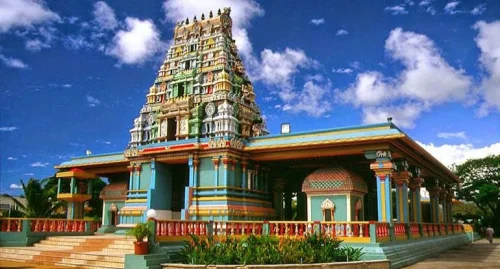
- The most striking photographs are captured from the base of the hill, where the temple's gopuram, stairway, and elevated setting can be framed together against the surrounding landscape.
- Viewpoints along the ascent provide changing perspectives of the temple complex, while higher sections offer panoramic views of the nearby town, agricultural fields, and surrounding hills.
- Early morning light illuminates the temple structures and hill slopes evenly, making it the preferred time for architectural and landscape photography before visitor numbers increase.
- Late afternoon and sunset create warm tones across the temple precincts and enhance long-distance views from the hilltop, particularly during clear-weather conditions.
- Photography is generally permitted in exterior areas, but restrictions commonly apply inside the sanctum sanctorum and certain worship spaces; visitors should follow temple guidelines and posted notices.
- Major festivals such as Thaipusam, Panguni Uthiram, and Skanda Sashti attract large crowds, which can significantly affect access to stairway viewpoints and open areas around the shrine.
- The hilltop setting provides excellent vantage points, but narrow sections of the stairway and congregation areas may become congested during peak pilgrimage periods, limiting unobstructed photography.