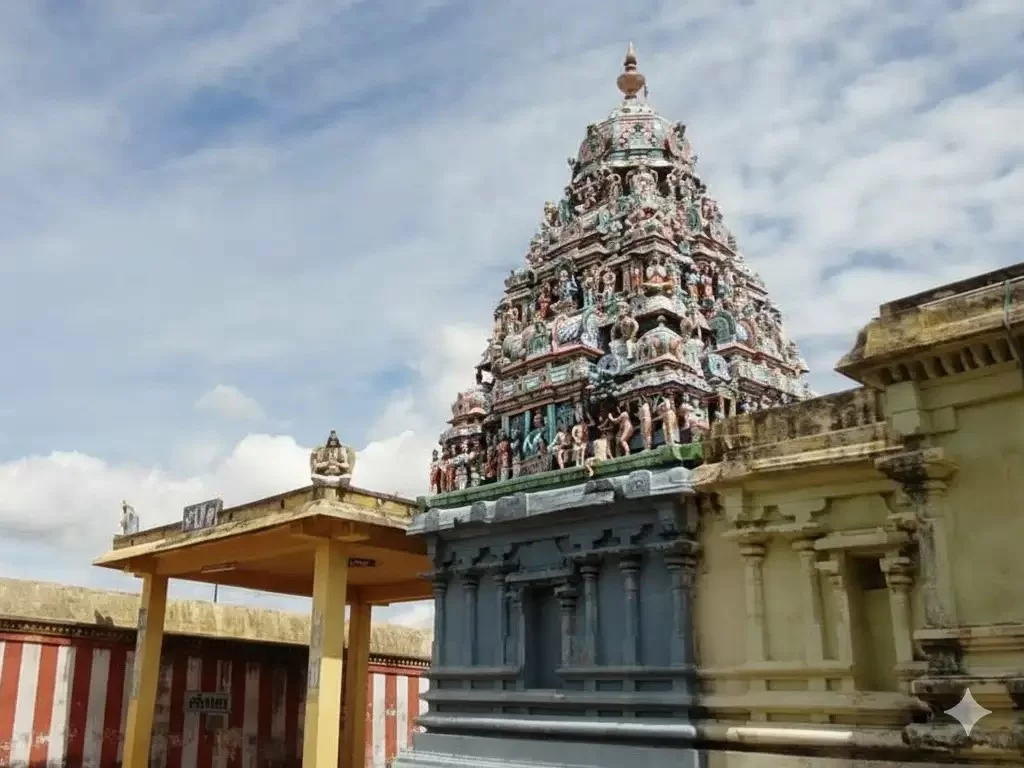
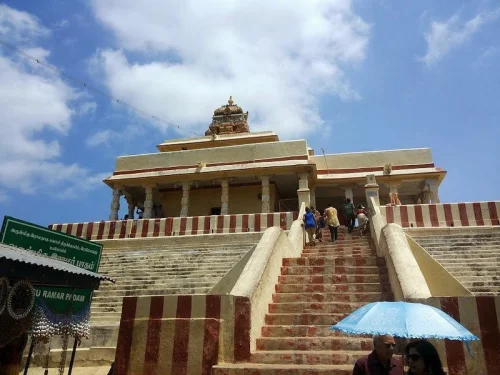
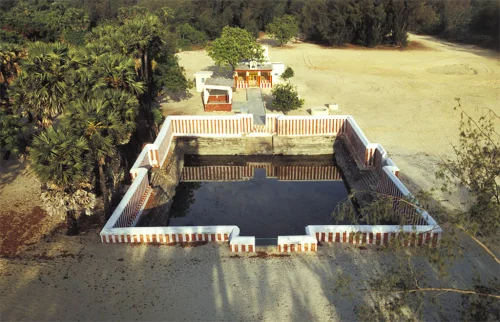
Kothandaramaswamy Temple, Chennai, Tamil Nadu, India

Kothandaramaswamy Temple , Rameswaram
Tourists visit Kothandaramaswamy Temple to see the main deity of Lord Rama, explore the temple halls and sculptures, and participate in daily rituals. The temple also offers a peaceful spiritual environment within the city.

Quick Facts About Kothandaramaswamy Temple

Quick Facts About Kothandaramaswamy Temple

Entry Fee No entry fee (free for all visitors)
Timings 6:00 AM to 12:00 PM and 4:00 PM to 8:00 PM (daily)
Altitude (m) Approx. 15 m above sea level
Ideal Visit Duration 30–45 minutes
Best Time of Day Morning or evening for darshan and cooler temperatures
Crowd Level Moderate on weekdays; higher during festival days and weekends
Distance from City Centre (km) Approx. 10 km from central Chennai
Walking Difficulty Easy; flat temple premises with short walking distances
Parking Available Limited parking near the temple entrance
Last Mile Access Accessible via auto-rickshaws, taxis, and city buses; short walk from drop-off points
Suitable for Kids Yes, family-friendly for short visits
Suitable for Seniors Yes, minimal walking required within temple grounds
Wheelchair Friendly Partially; some areas have steps and uneven surfaces

Why Visit Kothandaramaswamy Temple, Chennai

Visitors come to Kothandaramaswamy Temple to see the main deity of Lord Rama, participate in daily poojas, and experience traditional South Indian temple rituals. The temple attracts devotees and cultural enthusiasts seeking a quiet spiritual setting within Chennai.

The on-ground atmosphere is serene and devotional, with well-maintained corridors and open spaces allowing visitors to move comfortably. The temple is relatively peaceful even within an urban area, offering a calm environment for prayer and reflection.

What makes Kothandaramaswamy Temple distinct for travelers is its compact yet traditional architecture, the focus on Lord Rama worship, and the presence of sculptures and carvings that reflect South Indian temple design. It provides an accessible spiritual and cultural experience without extensive walking.

History of Kothandaramaswamy Temple, Chennai

Kothandaramaswamy Temple is a historic Hindu shrine dedicated to Lord Rama, serving as a center for Rama worship in Chennai. It has been an active site for local devotees for several decades, maintaining traditional South Indian rituals.

The temple holds cultural significance through its daily poojas, seasonal festivals, and architectural elements that reflect traditional Dravidian temple design, preserving religious practices and local heritage within the city.

Best Time to Visit Kothandaramaswamy Temple, Chennai

Kothandaramaswamy Temple is most comfortable to visit during the cooler months when walking within the temple grounds and participating in rituals is pleasant. Early morning and evening visits provide a better experience with fewer crowds.
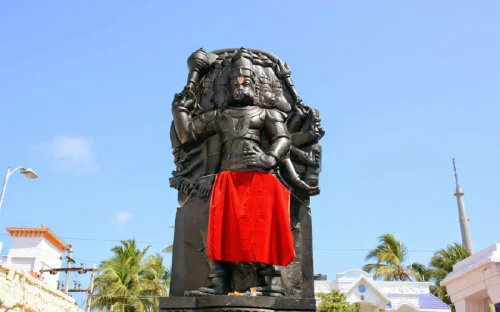
  • Ideal months: November to February, when temperatures are moderate and comfortable for outdoor activities.
  • Weather conditions during the best season: Pleasant mornings and evenings, suitable for darshan and exploring temple premises.
  • Periods to avoid: June to September due to monsoon rains which can make the temple entrance and surrounding areas wet and slippery.
  • Additional note: April to May afternoons can be hot; early morning or late evening visits are recommended during these months.

How to Reach Kothandaramaswamy Temple, Chennai

  • Nearest Airport: Chennai International Airport (MAA), approximately 14 km from the temple. Taxis and app-based cabs provide direct access in 30–40 minutes depending on traffic.
  • Nearest Railway Station: Chennai Central Railway Station, around 8 km away. Auto-rickshaws, taxis, and local buses offer convenient last-mile connectivity.
  • By Road: The temple is located on main city roads and is accessible via private vehicles, taxis, and city buses. Heavy traffic may occur during peak hours, especially mornings and evenings.
  • Last-Mile Access: Walking from drop-off points to the temple entrance is minimal. Parking near the temple is limited, requiring some visitors to use roadside spaces during busy periods.

What to Expect When You Visit Kothandaramaswamy Temple, Chennai

  • Environment and surroundings: The temple is set in an urban area with a compact courtyard and open corridors, providing a quiet and devotional environment within the city.
  • Facilities and amenities: Basic facilities include benches, drinking water, and limited parking near the temple. The temple allows access for darshan and small offerings.
  • Accessibility and movement: Walking is easy on paved areas; some sections have steps. Wheelchair access is partial due to uneven surfaces near the sanctum.
  • Typical visitor behavior and conditions: The temple attracts local devotees and small groups of tourists. Weekends and festival days are busier, while weekdays are generally quieter.
  • Practical limitations: Photography is restricted inside the sanctum. Visitors should follow temple rules and supervise children during rituals.

Important Visitor Information for Kothandaramaswamy Temple, Chennai

  • Crowd and weather notes: Moderate crowds on weekdays; higher visitor numbers during weekends and festival occasions. Best visited during cooler months (November to February) for comfortable darshan.
  • Peak and quiet visiting hours: Early morning (6:00–8:00 AM) and evening (6:00–8:00 PM) are quieter, providing easier access to the sanctum and footprint area.
  • Dress code: Modest attire is recommended. Closed footwear is advised for comfort and safety on paved and stepped areas.
  • Safety notes: Visitors should supervise children, avoid climbing steps or platforms, and follow temple guidelines during rituals to ensure a safe visit.
  • Practical cautions: Limited parking may require roadside options. Photography is restricted inside the sanctum, and visitors should respect devotional practices.

Photography and Viewpoints at Kothandaramaswamy Temple, Chennai

  • Best viewpoints: The temple courtyard and entrance provide clear angles to photograph the main deity and the temple façade. Side corridors offer additional perspectives of traditional architectural details.
  • Lighting conditions: Early morning and late afternoon offer soft natural light ideal for capturing the deity and temple features without harsh shadows.
  • Photography restrictions: Photography is not allowed inside the sanctum. Visitors should avoid using flash near rituals and respect devotional spaces.
  • Crowd and access impact: Weekdays provide unobstructed views for photography. Weekends and festival days may have higher crowds, requiring patience to frame clear shots.
  • Special considerations: Narrow corridors may limit tripod use. Visitors should maintain distance from worshippers during rituals while taking photographs.

Near By Attraction

Adam's Bridge (Rama Setu), scenic aerial view of the historic limestone shoals connecting India and Sri Lanka Tourist Attraction

Adam's Bridge Rama Setu

Adam's Bridge, also known as Rama Setu, is a chain of limestone shoals connecting Rameswaram in India to Mannar Island in Sri Lanka.

Arichal Munai Beach Dhanushkodi: Drone top-down Pamban road roundabout sandbar turquoise seas rock walls vehicles; India's lands end Ram Setu view. Beach

Arichal Munai Beach

Arichal Munai Beach is a remote coastal point near Dhanushkodi, known as the land’s edge where the Bay of Bengal and the Gulf of Mannar meet.

Kodanda Ramar Temple featuring the ornate gopuram, sacred tank, and shrines of Rama, Sita, and Lakshmana in Rameswaram. Temple

Kodanda Ramar Temple

Kodanda Ramar Temple is a historic Hindu temple in Rameswaram dedicated to Lord Rama, reflecting traditional Dravidian architecture.

Frequently Asked Questions About Kothandaramaswamy Temple

The best time to visit Kothandaramaswamy Temple is from October to March when the weather is pleasant for coastal temple visits. Morning hours are usually peaceful and less crowded.
Kothandaramaswamy Temple is generally open from early morning until evening with specific breaks for rituals. Timings may vary slightly on special religious days.
There is no major entry fee for general darshan at Kothandaramaswamy Temple. Donations and special poojas may have separate charges.
Kothandaramaswamy Temple can be reached by taxi auto or private vehicle via a coastal road. The temple is located in a relatively isolated stretch with direct road access.
Most visitors spend 30 to 45 minutes at Kothandaramaswamy Temple. The visit usually includes darshan and enjoying views of the surrounding sea and landscape.
Kothandaramaswamy Temple features shrines dedicated to Lord Rama along with coastal scenery on three sides. The simple structure stands out against the open seafront setting.
Kothandaramaswamy Temple is suitable for families due to its easy accessibility by road. Visitors should supervise children near open coastal areas.
Visitors to Kothandaramaswamy Temple should wear modest and respectful attire. Footwear must be removed before entering the temple premises.
Kothandaramaswamy Temple can be visited during monsoon when the sea appears more dramatic. Strong winds and rain may affect travel comfort along the coastal road.
Kothandaramaswamy Temple can be combined with nearby beaches viewpoints and other temples. These attractions are usually accessible within short travel distance.

Loved this place ? Let’s Plan Your Tamil Nadu Trip

Get customized Tamil Nadu tour planning designed around temple visit timing, seasonal weather comfort, road travel distances, and realistic pacing across regions. Whether you are visiting for architectural heritage, spiritual journeys, coastal relaxation,

⚡ Quick Response | 💰 Free consultation | 🕒 24×7 expert support

×

Plan Your Trip