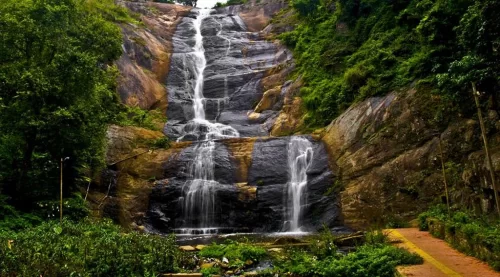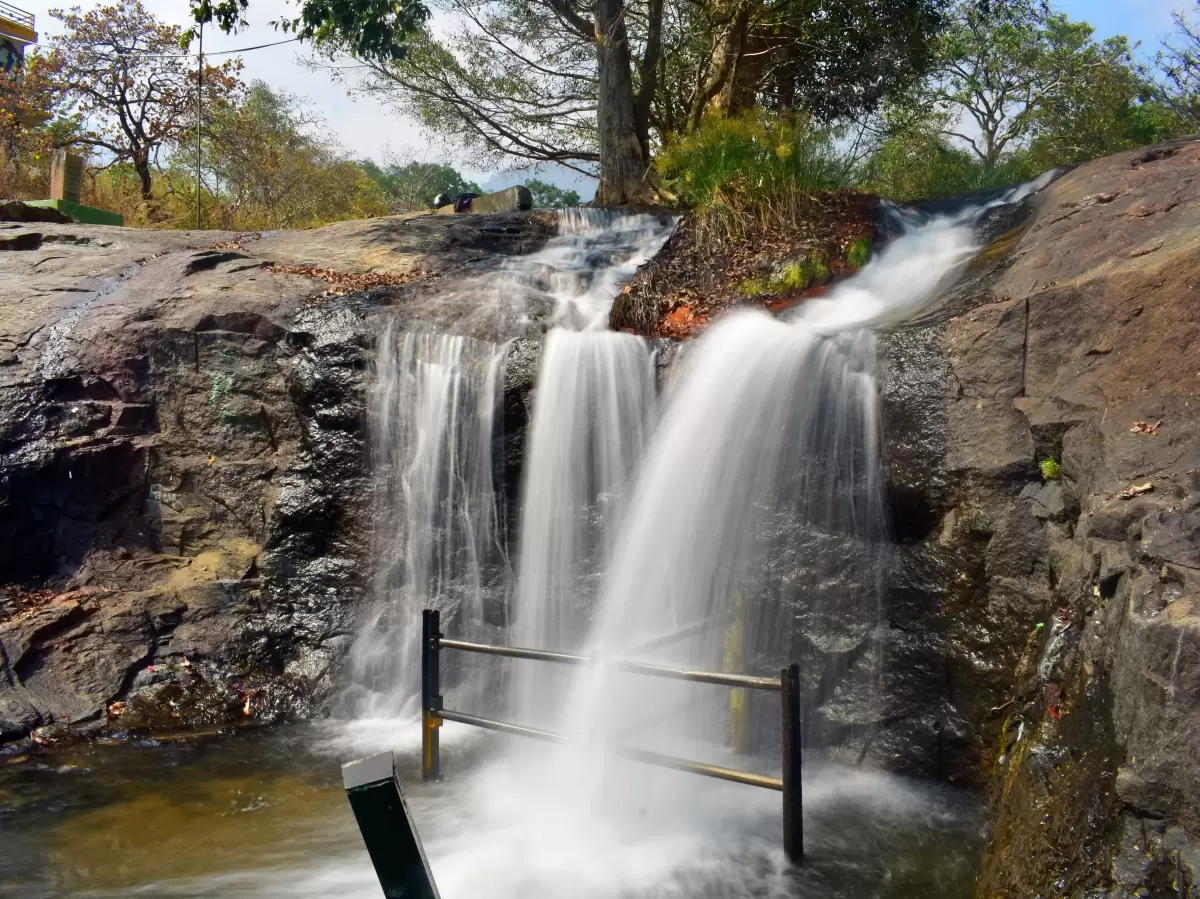
Quick Facts About Fairy Falls
Quick Facts About Fairy Falls, Kodaikanal
| Entry Fee | Free entry (no official ticket counter at the falls) |
|---|---|
| Timings | Open during daytime hours (recommended to visit between 8:00 AM and 5:00 PM for safe access) |
| Altitude (m) | Approx. 2,000–2,100 m above sea level |
| Ideal Visit Duration | 30 minutes – 1 hour |
| Best Time of Day | Morning for clearer forest conditions and safer walking |
| Crowd Level | Low to moderate (higher during weekends and monsoon season when water flow is strong) |
| Distance from City Centre (km) | Approx. 5–7 km from Kodaikanal town centre |
| Walking Difficulty | Moderate (short forest trek with uneven ground and possible slippery patches) |
| Parking Available | Limited roadside parking available near the trek starting point |
| Last Mile Access | Reachable by taxi/private vehicle up to the trail entry, followed by a short walk through forest path |
| Suitable for Kids | Yes (only with close supervision due to slippery rocks and water edges) |
| Suitable for Seniors | Partially (trek path may be difficult for those with mobility issues) |
| Wheelchair Friendly | No (forest trail and uneven terrain make wheelchair access impractical) |
Why Visit Fairy Falls, Kodaikanal
Visitors come to Fairy Falls for a short forest walk and to see a small natural waterfall away from the main Kodaikanal sightseeing crowd. It is mainly visited during monsoon and post-monsoon months when the water flow is active.
The on-ground atmosphere is quiet and shaded, surrounded by thick greenery and a narrow trekking path leading to the falls. The area feels damp and cool, with wet rocks and muddy sections common after rainfall.
What makes Fairy Falls distinct is its off-road feel and the short trek experience compared to roadside waterfalls like Silver Cascade. It suits travelers who want a simple nature walk and a less commercial waterfall stop within Kodaikanal.
History of Fairy Falls, Kodaikanal
Fairy Falls is a natural seasonal waterfall in the Kodaikanal hill region that became known mainly through local sightseeing routes and trekking access points rather than through any formal historical development. The name is used locally to describe the small forest waterfall setting and has been adopted in tourism maps over time.
Unlike major heritage sites in Kodaikanal, Fairy Falls does not have documented historical structures or institutional significance, and it remains primarily a nature-based spot visited for its seasonal flow and forest surroundings.
Best Time to Visit Fairy Falls, Kodaikanal
Fairy Falls is best visited when there is active water flow, as it is a seasonal waterfall that may reduce to a thin stream in dry months. Monsoon and post-monsoon seasons provide the best waterfall experience, but trail conditions can become slippery after heavy rain.
- Ideal months: July to October for stronger water flow; November to February for comfortable trekking weather if water levels remain steady.
- Best-season weather: Cool forest conditions with higher waterfall volume during and after monsoon rains, making the falls visually active.
- Periods to avoid: March to June because the waterfall often has low flow, and the visit becomes less rewarding compared to monsoon months.
How to Reach Fairy Falls, Kodaikanal
- Nearest airport: Madurai Airport (IXM), approx. 120–130 km from Kodaikanal. From Madurai, travelers usually hire a taxi or private cab to reach Kodaikanal via ghat roads.
- Nearest railway station: Kodai Road Railway Station is the closest railhead, located around 80–90 km from Kodaikanal town. From Kodai Road, taxis and buses are available for the uphill journey.
- By road: Fairy Falls is accessed through local roads from Kodaikanal town, and it is commonly included in short nature and trekking routes around the outskirts of the town area.
- Last-mile connectivity: Taxis and private vehicles can reach the trail starting point, after which visitors must walk through a forest path to reach the falls.
- Travel conditions to note: The last stretch involves uneven trekking ground that can become slippery during monsoon months, and the area has limited signage compared to major tourist spots.
What to Expect When You Visit Fairy Falls, Kodaikanal
- Small seasonal waterfall setting: Fairy Falls is a modest waterfall and the experience depends on water flow, which is strongest during monsoon and post-monsoon months.
- Forest trek access: Visitors must walk through a short forest trail to reach the falls, and the path can include uneven ground, tree roots, and muddy sections.
- Natural surroundings: Expect dense greenery, shaded conditions, and damp air near the waterfall area, with wet rocks and slippery surfaces close to the water.
- Limited facilities: There are usually no official restrooms, shops, or seating areas at the waterfall site, so visitors should not expect developed tourist infrastructure.
- Low crowd compared to main spots: The falls generally attracts fewer visitors than major Kodaikanal attractions, but it can get busy on weekends during peak monsoon season.
- Short visit duration: Most visitors spend limited time here, mainly for viewing, photos, and resting briefly before returning on the same trail.
- Restricted movement near water: The area near the falls is rocky and uneven, so safe movement is limited, especially during strong flow periods.
- Weather impact: After heavy rain, the trail can become slippery and difficult to walk, and the surrounding area may feel colder due to wet forest conditions.
Important Visitor Information for Fairy Falls, Kodaikanal
- Crowd and weather notes: Fairy Falls remains relatively less crowded than major Kodaikanal tourist points, but visitor numbers increase during monsoon months when the waterfall flow is stronger. The area often stays damp and misty due to forest cover.
- Peak visiting hours: Late morning to early afternoon is usually the busiest period, especially on weekends when local tourists and groups arrive together.
- Quiet visiting hours: Early morning is generally calmer and offers safer trekking conditions before the trail becomes crowded.
- Dress code: No dress code applies, but closed footwear is more practical due to muddy forest paths and slippery rocks near the falls.
- Safety notes: The rocks near the waterfall can be extremely slippery, especially during strong flow, and visitors should avoid stepping into fast-moving water areas.
- Trail caution: The forest trail may have uneven footing and wet patches, making it difficult for seniors or visitors with mobility issues during rainy months.
- Limited rescue access: Since the falls is reached by a walking trail, quick vehicle access is not possible at the waterfall point, so visitors should avoid risky climbing or unsafe photo spots.
Photography and Viewpoints at Fairy Falls, Kodaikanal
- Best waterfall photo angle: The clearest photographs are usually taken from the front-facing rock area where the water stream is visible against the forest background, but access depends on water flow and slippery ground conditions.
- Forest trail photography: The approach path through thick greenery provides good frames of natural forest scenery, especially during monsoon months when vegetation looks denser.
- Best time for lighting: Late morning offers better natural light for capturing the waterfall, as the area can remain dim in early morning due to forest shade and mist.
- Monsoon flow advantage: Waterfall photography is most effective during July to October when the flow is stronger and the falls looks fuller compared to dry months.
- Crowd and access factors: The area near the falls is small, and during weekends visitors often gather near the main rock section, limiting clear frames without people.
- Photography restrictions: Personal photography is generally allowed, but there are no structured viewing platforms, so visitors must stay within safe walking zones.
- Safety while shooting: Wet rocks and uneven edges near the water make tripod setups risky, and visitors should avoid stepping into slippery stream areas for close-up shots.