Dhanushkodi Point, Rameswaram, Tamil Nadu, India

Dhanushkodi Point , Rameswaram
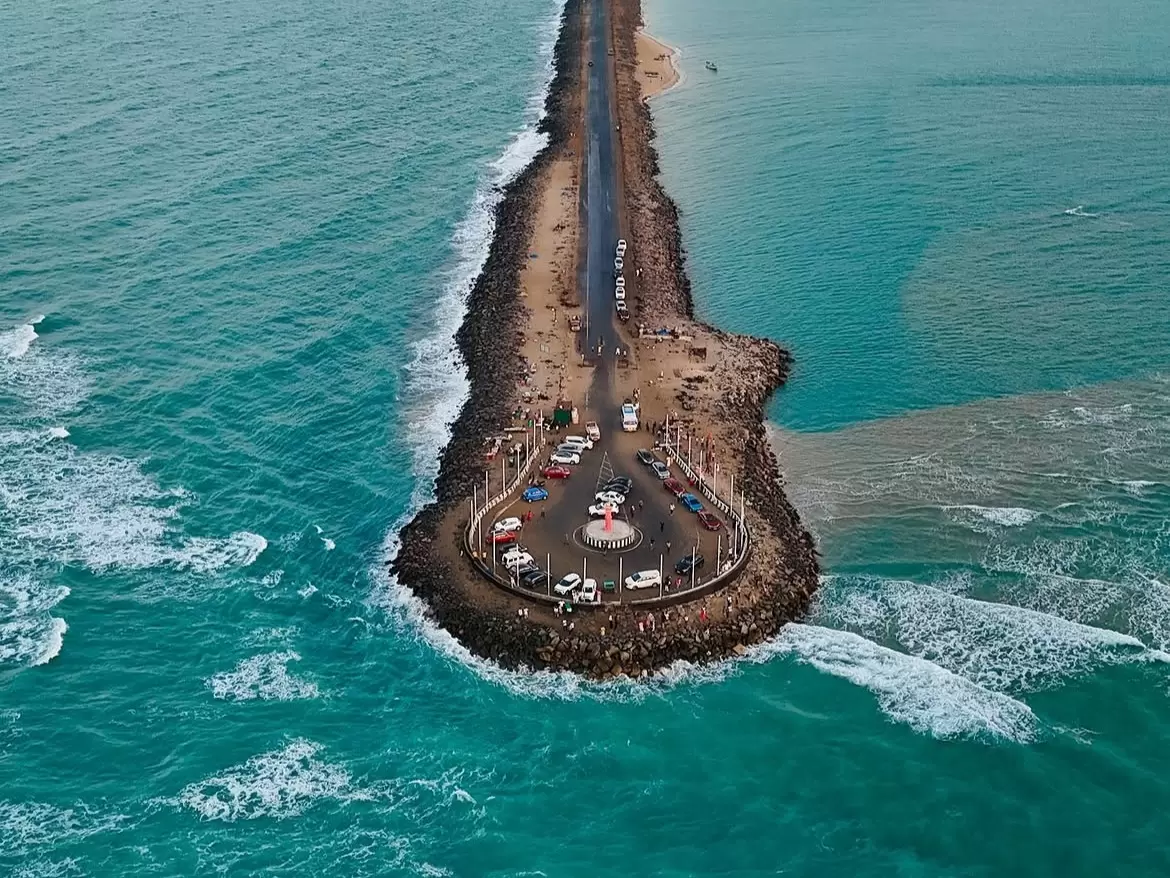
Visitors come to view the long stretch of sandy coastline, ruins of the old settlement destroyed in the 1964 cyclone, and the confluence of waters at Arichal Munai. The site is accessible via road up to a certain point and is popular for its remote landscape and historical significance.

Quick Facts About Dhanushkodi Point

Dhanushkodi Point Quick Facts

Entry Fee No entry fee (vehicle entry via local transport may be regulated)
Timings Generally open from 6:00 AM to 6:00 PM; not recommended after sunset due to isolation
Altitude (m) Approximately 0–10 m above sea level
Ideal Visit Duration 2–3 hours
Best Time of Day Early morning or late afternoon for sunrise, sunset, and clear ocean views
Crowd Level Moderate; higher during tourist season and holidays
Distance from City Centre (km) Approximately 20 km from Rameswaram
Walking Difficulty Easy; sandy roads and beachside walking areas
Parking Available Yes, parking available near main entry points and viewpoints
Last Mile Access Road access up to Dhanushkodi via Rameswaram followed by short walk/jeep ride to the beach point
Suitable for Kids Yes, with supervision near water and strong winds
Suitable for Seniors Yes, but long travel and wind conditions may require caution
Wheelchair Friendly Partially; some areas accessible by vehicle but sandy beach zones are limited

Why Visit Dhanushkodi Point Rameswaram

Visitors come to Dhanushkodi Point to experience the dramatic meeting point of the Bay of Bengal and the Indian Ocean, set against vast sandy stretches and remnants of a once-inhabited town.

The atmosphere is quiet and windswept, with open beaches, strong sea breezes, and long stretches of shoreline that create a stark and unforgettable coastal landscape.

What makes Dhanushkodi Point distinct is its ghost-town remains, panoramic ocean views, and its location at the edge of India’s landmass, offering a raw and isolated seaside experience.

History of Dhanushkodi Point

Dhanushkodi Point is located at the southeastern tip of Rameswaram Island in Tamil Nadu, where the Bay of Bengal meets the Indian Ocean. The area has long been associated with Hindu mythology, particularly the Ramayana, which describes Dhanushkodi as the place where Lord Rama built the Ram Setu bridge to Lanka.

Historically, Dhanushkodi was once a thriving town and an important trading and pilgrimage center connected by rail and sea routes. However, in 1964, a devastating cyclone destroyed much of the town, leading to its abandonment and leaving behind the ruins that exist today.

Today, Dhanushkodi Point is a popular tourist destination known for its dramatic coastal landscape, historical ruins, and spiritual significance. It attracts visitors who come to witness the confluence of seas and explore the remains of the once-inhabited ghost town.

Best Time to Visit Dhanushkodi Point

Dhanushkodi Point is best visited from October to March when the coastal weather in Rameswaram is pleasant, making it comfortable to explore the ghost town ruins, sandy beaches, and the confluence of the Bay of Bengal and Indian Ocean.
  • Ideal months: October to March is the most favorable period to visit Dhanushkodi Point, offering comfortable temperatures and safe travel conditions.
  • Weather conditions during the best season: Cool sea breeze, lower humidity, clear skies, and calm coastal conditions provide ideal experiences for sightseeing, beach walks, and photography of the ocean confluence and abandoned town remains.
  • Periods to avoid: April to June can be extremely hot, with strong sun exposure making daytime visits uncomfortable. The monsoon season from July to September brings rough sea conditions, strong winds, and occasional access restrictions due to safety concerns.

How to Reach Dhanushkodi Point

  • Nearest Airport: Madurai Airport, located approximately 170 km from Dhanushkodi Point, is the nearest airport. Taxis and private vehicles are available for the onward journey via Rameswaram.
  • Nearest Railway Station: Rameswaram Railway Station, about 20 km away, is the nearest railway station and offers connectivity to Madurai and other major cities in Tamil Nadu.
  • Road Access and Last-Mile Connectivity: Dhanushkodi Point is located at the southeastern tip of Pamban Island near Rameswaram in Tamil Nadu, where the Bay of Bengal and the Indian Ocean meet. Visitors can reach Rameswaram by road via the Pamban Bridge and continue to Dhanushkodi by private vehicle, taxi, or authorized local jeeps, as the final stretch is a restricted coastal road. The last segment involves driving through sandy terrain with limited infrastructure. The area is best visited during daylight hours, and caution is advised due to strong winds, sea currents, and occasional restrictions imposed by local authorities.

What to Expect When You Visit Dhanushkodi Point

  • Environment and Surroundings: Dhanushkodi Point is a remote coastal destination at the southeastern tip of Rameswaram, where the Bay of Bengal meets the Indian Ocean. Visitors can expect vast sandy beaches, ruins of the old town, turquoise waters, and a stark, open landscape with strong winds and minimal habitation.
  • Facilities and Amenities: Basic facilities such as parking areas, small local stalls, and limited refreshment options are available near entry points. There are no major restaurants or urban amenities at the point itself, with most services located in Rameswaram town.
  • Accessibility and Movement: The site is accessible by road up to designated points, followed by travel in local vehicles or short walks to viewpoints and beach areas. Movement may involve walking on sandy terrain and uneven coastal stretches.
  • Visitor Conditions: Most visitors come for sunrise views, photography, and exploring the ghost-town ruins and confluence of seas. The area is exposed to strong winds and intense sunlight, with changing tides affecting shoreline conditions. Weather can become harsh during monsoon and cyclone-prone seasons, so caution is advised.

Important Visitor Information for Dhanushkodi Point

  • Dhanushkodi Point attracts the highest number of visitors during weekends, public holidays, and the peak tourism season from October to March when weather conditions are most pleasant.
  • Early morning and late afternoon hours generally offer the best experience, with cooler temperatures, calm sea views, and ideal lighting for photography.
  • The region is highly exposed to coastal weather conditions, and strong winds or sudden rain may affect accessibility and sightseeing, especially during monsoon months.
  • No specific dress code applies, though comfortable clothing, sun protection, and suitable footwear are strongly recommended due to sandy and coastal terrain.
  • Visitors should follow local safety instructions, avoid venturing into deep waters or restricted coastal zones, and be cautious near unstable shoreline areas.

Photography and Viewpoints at Dhanushkodi Point

  • The best photographs are captured from the Dhanushkodi beach and tip-of-land viewpoints, where the Bay of Bengal and the Indian Ocean appear to merge with vast sandy stretches and ruins of the abandoned town.
  • Early morning provides soft golden light, calm winds, and clear visibility across the shoreline, making it ideal for wide-angle seascape photography.
  • The ocean-facing edge viewpoints offer dramatic compositions of endless horizon lines, crashing waves, and long empty beaches unique to this ghost town landscape.
  • The remains of the old railway station, church ruins, and scattered structures create powerful historical and documentary photography subjects against the coastal backdrop.
  • Sunset is especially photogenic, with vibrant skies reflecting over the sea and silhouettes of ruins enhancing the dramatic coastal scenery.
  • Photography is generally permitted in public beach and viewing areas, but visitors should remain cautious near strong waves and avoid restricted or unsafe shoreline zones.
  • Weekdays and early mornings usually provide the quietest conditions, while weekends and holiday seasons attract more tourists to the main viewpoint areas.

Near By Attraction

Agni Teertham Rameshwaram Tamil Nadu red Tamil arch gateway devotees temple entrance cloudy sky trees, perfect South India temple pilgrimage tour package. Sacred River Ghat

Agni Teertham

Agni Teertham is a sacred beach located in Rameswaram, Tamil Nadu, along the Bay of Bengal, considered one of the most important holy bathing sites in Hindu tradition.

Adam's Bridge (Rama Setu), scenic aerial view of the historic limestone shoals connecting India and Sri Lanka Tourist Attraction

Adam's Bridge Rama Setu

Adam's Bridge, also known as Rama Setu, is a chain of limestone shoals connecting Rameswaram in India to Mannar Island in Sri Lanka.

Arichal Munai Beach Dhanushkodi: Drone top-down Pamban road roundabout sandbar turquoise seas rock walls vehicles; India's lands end Ram Setu view. Beach

Arichal Munai Beach

Arichal Munai Beach is a remote coastal point near Dhanushkodi, known as the land’s edge where the Bay of Bengal and the Gulf of Mannar meet.

Frequently Asked Questions About Dhanushkodi Point

Dhanushkodi Point is a popular tourist attraction known for its scenic, historical, and cultural significance. Visitors come to experience its unique atmosphere, explore nearby landmarks, and enjoy a memorable sightseeing experience.
Dhanushkodi Point is located in Tamil Nadu and is easily accessible by road from the nearest city. Local taxis, auto rickshaws, buses, and private vehicles are commonly used to reach the attraction.
The ideal time to visit is between October and March when the weather is pleasant for sightseeing, photography, and outdoor exploration. Early mornings and late afternoons are the most comfortable times.
The attraction is generally open during daytime hours. Visitors should verify seasonal or festival timing changes before planning their trip.
Entry conditions depend on the attraction. If any ticket is applicable it is collected at the entrance, while nearby parking or special facilities may have separate charges.
Most travelers spend around one to three hours exploring the attraction, taking photographs, and visiting nearby places.
Parking facilities are generally available near the entrance, although availability may become limited during weekends and holidays.
Yes. Most senior visitors can comfortably explore the attraction, although some walking may be required depending on the terrain.
Families frequently visit this attraction. Children should remain supervised, especially near roads, viewpoints, or water bodies.
The attraction is partially wheelchair accessible. Some areas may include uneven pathways or steps requiring assistance.
Photography is generally permitted in public areas. Visitors should follow any local restrictions and avoid disturbing other visitors.
Comfortable footwear, drinking water, sun protection, and a camera are recommended. Weather appropriate clothing helps make the visit more comfortable.
Nearby tourist places can easily be combined with this attraction, allowing visitors to plan a half day or full day sightseeing itinerary.
Basic visitor facilities such as parking, local food stalls, and rest areas are usually available depending on the season and visitor numbers.
Visit early in the day, carry sufficient water, respect local rules, avoid littering, and check the weather forecast before starting your journey.

Loved this place ? Let’s Plan Your Tamil Nadu Trip

Get customized Tamil Nadu tour planning designed around temple visit timing, seasonal weather comfort, road travel distances, and realistic pacing across regions. Whether you are visiting for architectural heritage, spiritual journeys, coastal relaxation,

⚡ Quick Response | 💰 Free consultation | 🕒 24×7 expert support

×

Plan Your Trip