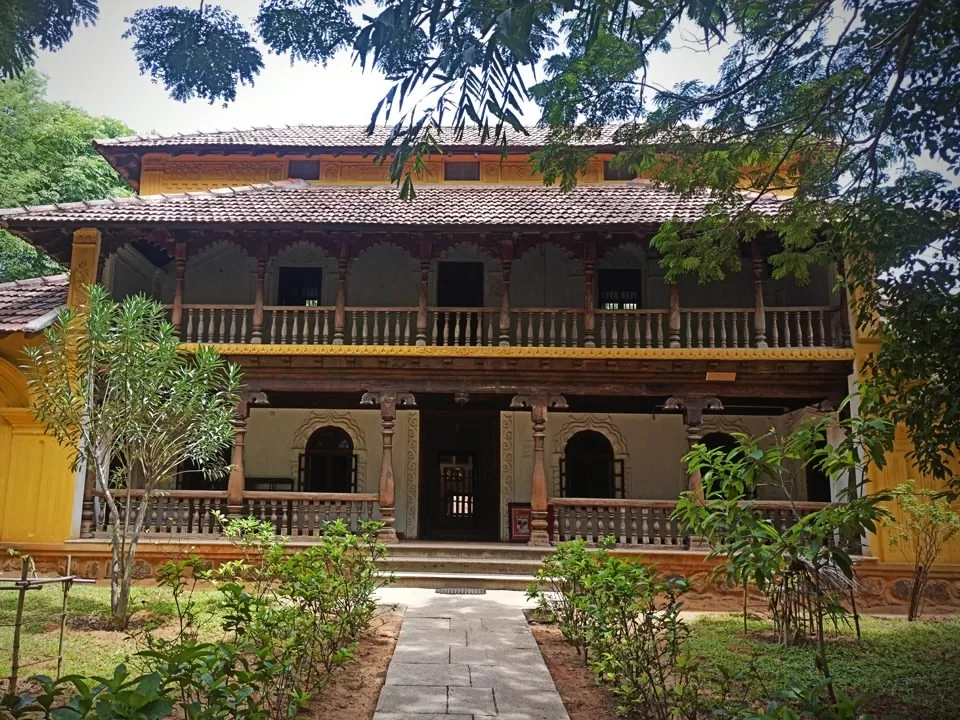
DakshinaChitra Heritage Museum, Chennai, Tamil Nadu, India

DakshinaChitra Heritage Museum , Chennai
Tourists visit DakshinaChitra to explore authentic South Indian homes, craft demonstrations, folk performances, and regional art exhibitions. The museum provides a comprehensive insight into the cultural diversity of Tamil Nadu, Kerala, Karnataka, and Andhra Pradesh.

Quick Facts About DakshinaChitra Heritage Museum

Quick Facts About DakshinaChitra Heritage Museum

Entry Fee INR 500 for adults, INR 250 for children (5–12 years); under 5 years free
Timings 10:00 AM to 5:30 PM (Tuesday to Sunday); closed on Mondays and public holidays
Altitude (m) Approx. 15 m above sea level
Ideal Visit Duration 2–3 hours to explore exhibitions, houses, and craft demonstrations
Best Time of Day Morning or early afternoon for cooler temperatures and full access to demonstrations
Crowd Level Moderate on weekdays; higher on weekends and during cultural events
Distance from City Centre (km) Approx. 25 km from central Chennai (Adyar area)
Walking Difficulty Easy to moderate; paved paths with some uneven areas in heritage house complexes
Parking Available Yes, on-site parking for cars and buses
Last Mile Access Accessible by taxis, app-based cabs, and limited public buses; internal walking required to explore exhibits
Suitable for Kids Yes, interactive exhibits and craft demonstrations are engaging for children
Suitable for Seniors Yes, most areas are easy to navigate; benches available for resting
Wheelchair Friendly Partially; main exhibition areas are accessible, but some heritage house interiors may have steps

Why Visit DakshinaChitra Heritage Museum, Chennai

Visitors come to DakshinaChitra Heritage Museum to experience traditional South Indian architecture, craft demonstrations, and regional art forms from Tamil Nadu, Kerala, Karnataka, and Andhra Pradesh. The museum provides an immersive understanding of village life and cultural practices across southern states.

The on-ground atmosphere is educational and interactive, with heritage houses, workshops, and live demonstrations creating a structured yet engaging experience. Visitors can walk through restored homes, observe artisans at work, and interact with guides explaining cultural significance.

What makes DakshinaChitra distinct for travelers is its combination of preserved architectural exhibits and active craft presentations in a single location. Unlike typical museums, it allows visitors to explore entire village setups, participate in traditional activities, and view regional performances in a realistic heritage environment.

History of DakshinaChitra Heritage Museum, Chennai

DakshinaChitra was established in 1996 by the Madras Craft Foundation to preserve and showcase the traditional architecture, crafts, and cultural practices of South India. The museum brings together authentic heritage houses and structures relocated from various southern states to provide an accurate representation of regional village life.

The museum also serves as a cultural hub for folk art, craft demonstrations, and traditional performance arts, maintaining the continuity of practices that are historically significant to Tamil Nadu, Kerala, Karnataka, and Andhra Pradesh.

Best Time to Visit DakshinaChitra Heritage Museum, Chennai

DakshinaChitra Heritage Museum is best visited during the cooler months when outdoor walking and exploration of heritage houses are comfortable. Seasonal festivals and craft demonstrations are more frequent in these periods, enhancing the visitor experience.
  • Ideal months: November to February, when temperatures are moderate and humidity is lower.
  • Weather conditions during the best season: Pleasant mornings and afternoons, suitable for walking through outdoor exhibits and observing craft demonstrations.
  • Periods to avoid: June to September due to heavy rainfall during the monsoon, which can restrict outdoor access and reduce comfort.
  • Additional note: April to May can be hot and humid, making extended visits less comfortable; early morning or late afternoon visits are preferable during these months.

How to Reach DakshinaChitra Heritage Museum, Chennai

  • Nearest Airport: Chennai International Airport (MAA), approximately 30 km away. Visitors can reach the museum via taxi or app-based cab services in about 45–60 minutes depending on traffic.
  • Nearest Railway Station: Thiruvanmiyur Railway Station, around 5 km from DakshinaChitra. Auto-rickshaws and local taxis provide convenient last-mile connectivity.
  • By Road: The museum is located along East Coast Road (ECR), well-connected to Chennai city. Private vehicles, taxis, and buses from the city serve the museum regularly.
  • Last-Mile Access: Visitors must walk short distances within the museum grounds to access heritage houses and craft demonstrations. Some areas have uneven paths, so comfortable footwear is recommended.
  • Travel Note: Traffic on ECR can be heavy during weekends and holidays; plan extra travel time during peak hours.

What to Expect When You Visit DakshinaChitra Heritage Museum, Chennai

  • Environment and surroundings: The museum is set in a landscaped heritage village with traditional South Indian homes, open courtyards, and shaded walkways, providing a calm and organized environment for exploration.
  • Facilities and amenities: Visitors have access to restrooms, seating areas, a cafeteria, souvenir shops, and guided tours. Craft workshops and live demonstrations are scheduled at specific times throughout the day.
  • Accessibility and movement: Paved paths connect the main exhibition areas, though some heritage houses have steps or uneven floors. Comfortable footwear is recommended for walking across the grounds.
  • Typical visitor behavior and conditions: The museum attracts families, students, and cultural enthusiasts. Weekends and event days are busier, while weekdays provide a quieter experience. Visitors generally spend 2–3 hours exploring indoor and outdoor exhibits.
  • Practical limitations: Some heritage structures have restricted access to preserve authenticity. Photography may be limited inside certain houses and during live performances.

Important Visitor Information for DakshinaChitra Heritage Museum, Chennai

  • Crowd and weather notes: Moderate crowd on weekdays; higher visitor levels on weekends and during cultural events. Best visited during cooler months (November to February) for comfortable outdoor exploration.
  • Peak and quiet visiting hours: Morning hours (10:00 AM to 12:30 PM) are generally quieter and ideal for exploring exhibits. Early afternoon sees increased visitor traffic, especially during workshops and demonstrations.
  • Dress code: Casual and comfortable clothing is recommended. Footwear should be comfortable for walking on paved and uneven surfaces; some indoor exhibits may require removing shoes.
  • Safety notes: Paths and courtyards are mostly safe but may have uneven surfaces. Children should be supervised near traditional structures, and care should be taken during craft demonstrations and interactive areas.
  • Practical cautions: Photography may be restricted inside certain heritage houses. Carry water and sun protection for outdoor areas, particularly during hotter months.

Photography and Viewpoints at DakshinaChitra Heritage Museum, Chennai

  • Best viewpoints: Open courtyards and heritage house exteriors provide ideal angles to capture traditional South Indian architecture, wooden carvings, and courtyard layouts.
  • Lighting conditions: Morning light (10:00–12:00 PM) offers soft natural illumination for outdoor structures. Late afternoon light can enhance textures of carved wood and tiled roofs but may cast long shadows.
  • Photography restrictions: Photography is allowed in outdoor areas and common exhibition spaces. Certain heritage house interiors and live craft demonstrations may restrict photography to protect artifacts and avoid disruption.
  • Crowd and access impact: Weekends and festival days can create crowded conditions, making it harder to capture clear shots. Visiting on weekdays or early in the day provides better access and unobstructed views.
  • Special considerations: Some indoor exhibits have narrow pathways; tripods or large equipment may not be suitable. Respect signage and guides when photographing artisans and performers.

Near By Attraction

Sri Anantha Padmanabha Swamy Temple, iconic golden gopuram temple in Thiruvananthapuram with sacred temple pond view Temple

Sri Anantha Padmanabha Swamy Temple

Historic Hindu temple dedicated to Lord Vishnu located in the heart of Chennai.

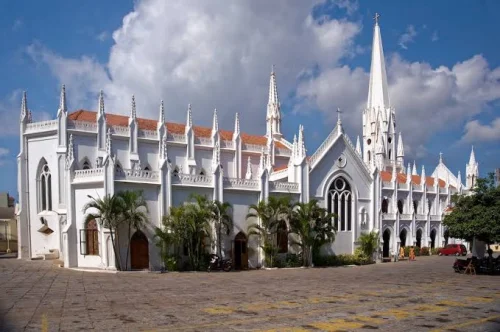
Santhome Cathedral Basilica Chennai during cloudy overcast day, featuring white Gothic arches spires, red tiled roofs, wet plaza reflections palm trees, perfect cultural experience Chennai tour package Church

St. Thomas Cathedral Basilica

St. Thomas Cathedral Basilica is a historic Roman Catholic church in Chennai, built over the traditional burial site of Saint Thomas the Apostle.

Kapaleeshwarar Temple gopuram in Mylapore Chennai during clear sunny day, featuring vibrant multicolored sculptures, intricate carvings, flocking birds, perfect cultural heritage experience Chennai temple tour package. Temple

Kapaleeshwarar Temple

Arulmigu Kapaleeshwarar Temple is a major Hindu temple in Mylapore, Chennai, dedicated to Lord Shiva (Kapaleeshwarar) and Goddess Karpagambal.

Frequently Asked Questions About DakshinaChitra Heritage Museum

The best time to visit DakshinaChitra Heritage Museum is from November to February when the weather is pleasant for exploring outdoor heritage houses. Morning hours offer a more comfortable walking experience.
DakshinaChitra Heritage Museum is generally open during standard daytime hours and remains closed on certain weekly holidays. Visitors should check official timings before planning.
DakshinaChitra Heritage Museum charges an entry fee for visitors. Separate charges may apply for cameras workshops and special cultural programs.
DakshinaChitra Heritage Museum can be reached easily by taxi bus or private vehicle as it is located along a major coastal highway. The entrance is accessible from main city routes.
Most travelers spend two to three hours at DakshinaChitra Heritage Museum. The visit includes exploring traditional houses craft displays and cultural exhibits.
DakshinaChitra Heritage Museum features reconstructed heritage homes craft demonstrations folk art exhibits and cultural performances. Informational panels explain regional traditions and lifestyles.
DakshinaChitra Heritage Museum is suitable for families and students due to its interactive exhibits and open layout. The campus allows relaxed exploration at a steady pace.
Guided tours may be available at DakshinaChitra Heritage Museum depending on schedule and visitor volume. Guides provide context about architecture crafts and cultural practices.
DakshinaChitra Heritage Museum can be visited during monsoon as many sections are semi covered or indoor. Rain may affect movement between outdoor exhibits.
DakshinaChitra Heritage Museum can be combined with nearby beaches temples and coastal attractions. These places are usually accessible within short travel distance.

Loved this place ? Let’s Plan Your Tamil Nadu Trip

Get customized Tamil Nadu tour planning designed around temple visit timing, seasonal weather comfort, road travel distances, and realistic pacing across regions. Whether you are visiting for architectural heritage, spiritual journeys, coastal relaxation,

⚑ Quick Response | πŸ’° Free consultation | πŸ•’ 24Γ—7 expert support

×

Plan Your Trip