Quick Facts About Bryant Park Kodaikanal
Quick Facts About Bryant Park
| Entry Fee | ?30 (Adults), ?15 (Children) (camera charges may apply separately) |
|---|---|
| Timings | 9:00 AM – 6:00 PM (open all days) |
| Altitude (m) | Approx. 2,133 m |
| Ideal Visit Duration | 1 to 2 hours |
| Best Time of Day | Morning for quieter walks and clear views; late afternoon for pleasant weather |
| Crowd Level | Moderate to High (very high during summer season and holidays) |
| Distance from City Centre (km) | Approx. 0.5–1 km from Kodaikanal town centre |
| Walking Difficulty | Easy (well-laid garden paths with mild slopes in some sections) |
| Parking Available | Limited paid parking available near the park entrance |
| Last Mile Access | Easily reachable by walking, taxi, or local autos from Kodaikanal Lake and market area |
| Suitable for Kids | Yes |
| Suitable for Seniors | Yes |
| Wheelchair Friendly | Partially (main paths are manageable, but some inner garden sections have uneven surfaces) |
Why Visit Bryant Park
Bryant Park is visited for its well-maintained flower beds, landscaped lawns, and botanical plant sections located close to Kodaikanal Lake. Tourists come here for relaxed walking, garden photography, and a short nature stop without needing to travel outside the town centre.
The on-ground atmosphere is calm and family-friendly, with paved walking paths, shaded areas, and seasonal flowering displays that change throughout the year. During peak tourist months, the park becomes lively with visitors moving through the central garden sections and sitting areas.
What makes Bryant Park distinct is its structured botanical layout with labelled plants, decorative flower arrangements, and seasonal horticulture exhibitions held during summer. Unlike natural viewpoints in Kodaikanal, this park offers a controlled garden setting where visitors can spend time comfortably even with limited walking.
History of Bryant Park
Bryant Park was established in 1908 and is named after Glenn Bryant, a forest officer who played a key role in developing the park’s landscaped garden structure. The park was created as part of Kodaikanal’s early town planning to provide a maintained public botanical space close to the lake area.
Over the years, the park has been developed into a horticulture-focused attraction with seasonal flower displays, plant sections, and organised garden layouts maintained by the Tamil Nadu Horticulture Department. It continues to be one of Kodaikanal’s most visited town-centre gardens, especially during summer flower show periods.
Best Time to Visit Bryant Park
Bryant Park is best visited during Kodaikanal’s main tourist season when flower beds are at their most colourful and visibility remains clear for garden walks. Since the park is a maintained botanical space, it remains open throughout the year, but the quality of blooms and crowd levels vary by season.
- Ideal months: April to June (best flowering season and the time when horticulture displays are most active).
- Best season conditions: Pleasant hill weather with clear daytime visibility, making it comfortable for walking through garden paths and spending time in flower sections.
- Good alternative months: October to February (cool climate with fresh greenery, though flowering may be less intense than summer).
- Periods to avoid: July to September during heavy monsoon spells, as rain can reduce walking comfort and affect flower display conditions.
- Peak crowd note: May and summer holiday weekends are usually crowded, especially in the afternoon hours.
How to Reach Bryant Park
- Nearest Airport: Madurai International Airport (IXM), approximately 120–130 km from Bryant Park, Kodaikanal. From Madurai, taxis and buses are available via Batlagundu.
- Nearest Railway Station: Kodai Road Railway Station, around 80 km away. From Kodai Road, visitors can reach Kodaikanal town by taxi or bus.
- By Road: Kodaikanal is connected by road to Madurai, Dindigul, Palani, and Coimbatore. Most tourist vehicles and buses arrive at the Kodaikanal bus stand, which is close to the park.
- Last-Mile Connectivity: Bryant Park is located near Kodaikanal Lake and can be reached easily by walking, auto-rickshaw, or taxi from the main market and hotel areas.
- Travel Conditions to Note: The ghat road route to Kodaikanal includes sharp bends and fog-prone stretches, and traffic congestion is common during weekends and summer holiday season.
What to Expect When You Visit Bryant Park
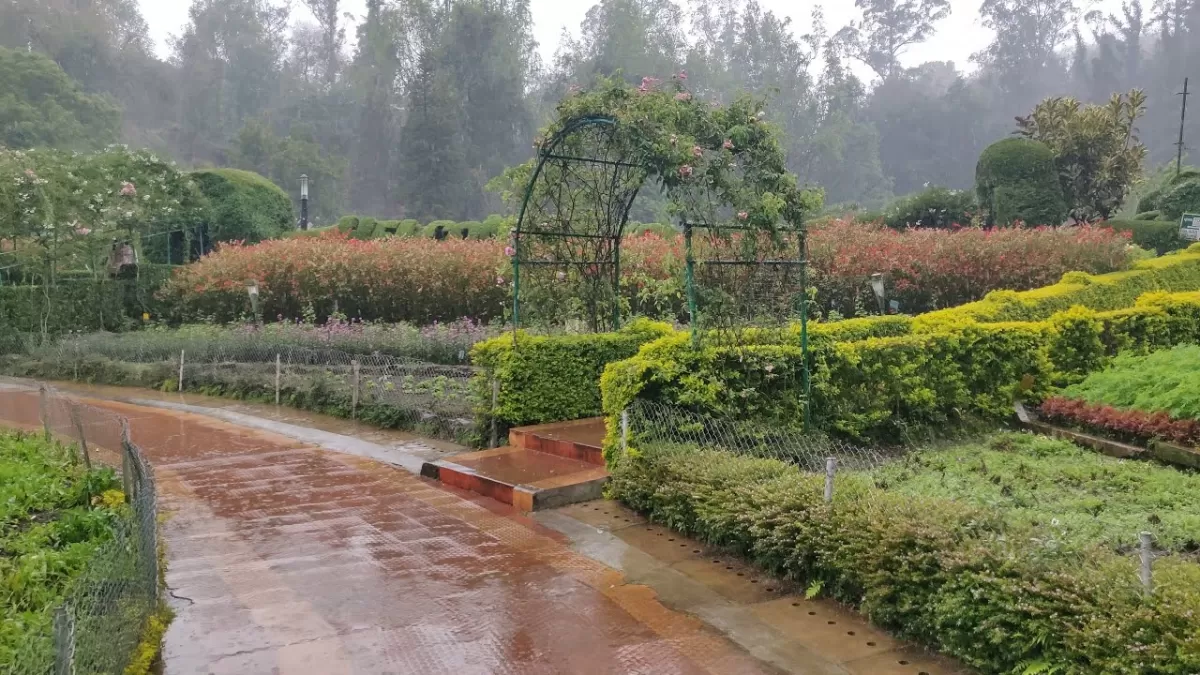
- Structured garden environment: Expect a well-maintained botanical park with landscaped lawns, flower beds, and organised plant sections designed for walking and viewing.
- Seasonal flower displays: The park’s main attraction is its seasonal flowering beds, which change through the year and look most colourful during the summer months.
- Easy walking paths: Visitors can move through paved and semi-paved garden paths with mild slopes, making the park suitable for short relaxed walks.
- Family-focused atmosphere: The park is popular with families, couples, and tourist groups, and it becomes noticeably busy during peak holiday periods.
- Basic visitor facilities: Expect ticket counter access, seating benches, and limited refreshment stalls nearby, though food options inside the park are minimal.
- Photography-friendly layout: Many visitors stop for photos near flower beds and landscaped sections, especially during flower show season.
- Limited shade in open areas: Some lawn sections are open with fewer shaded spots, so mid-day visits may feel sunny even in Kodaikanal’s cool climate.
- Short visit duration: Most visitors complete a full park walk within 1–2 hours and often combine it with Kodaikanal Lake nearby.
Important Visitor Information for Bryant Park
- Crowd and weather notes: Bryant Park gets crowded during summer season and holiday periods, especially when flower shows are held. Fog and light rain are common in Kodaikanal and can affect comfort during outdoor walking.
- Peak visiting hours: 11:00 AM to 4:00 PM is typically the busiest time, with heavy tourist flow during weekends and peak season.
- Quiet visiting hours: 9:00 AM to 10:30 AM is usually calmer and better for relaxed walking and photography without crowd congestion.
- Dress code: No dress code applies, but warm clothing is recommended as the park can feel cold and windy in the morning and late evening.
- Rain and path caution: During monsoon months, garden paths can become slippery, especially in shaded or soil-based sections.
- Flower bed protection: Visitors are expected to avoid stepping into flower beds or plucking plants, as the park is actively maintained for display.
- Parking limitation: Parking space near the park entrance is limited and may require walking from nearby streets during peak hours.
- Visitor behaviour: The park is a public family space, so crowd movement is steady, and quieter viewing is easier during early hours.
Photography and Viewpoints at Bryant Park
- Best flower bed photography zones: The central landscaped sections and seasonal flower beds are the most photographed areas, especially when blooms are arranged in patterned displays.
- Wide garden frame angles: Open lawn stretches provide clean wide-angle shots of the park layout, particularly when the background trees and hill slopes are visible.
- Morning lighting advantage: Early morning (9:00 AM to 10:30 AM) offers soft light and fewer visitors, making it easier to capture flower beds without crowd interference.
- Afternoon crowd impact: Mid-day and afternoon hours often bring heavy visitor flow, especially during summer season, making close-up photography near popular flower sections crowded.
- Fog and mist effect: Misty weather can reduce long-distance background visibility but adds a soft natural tone to garden photographs, especially during cooler months.
- Seasonal flower show highlights: During summer exhibitions, decorative arrangements and horticulture displays become key photography subjects, but crowd density increases significantly.
- Photography rules: Personal photography is generally allowed, but camera charges may apply depending on ticketing rules at the entrance.
- Best natural framing spots: Tree-lined walking paths and garden edges provide shaded framing for portraits and family photos without needing to move into restricted flower areas.