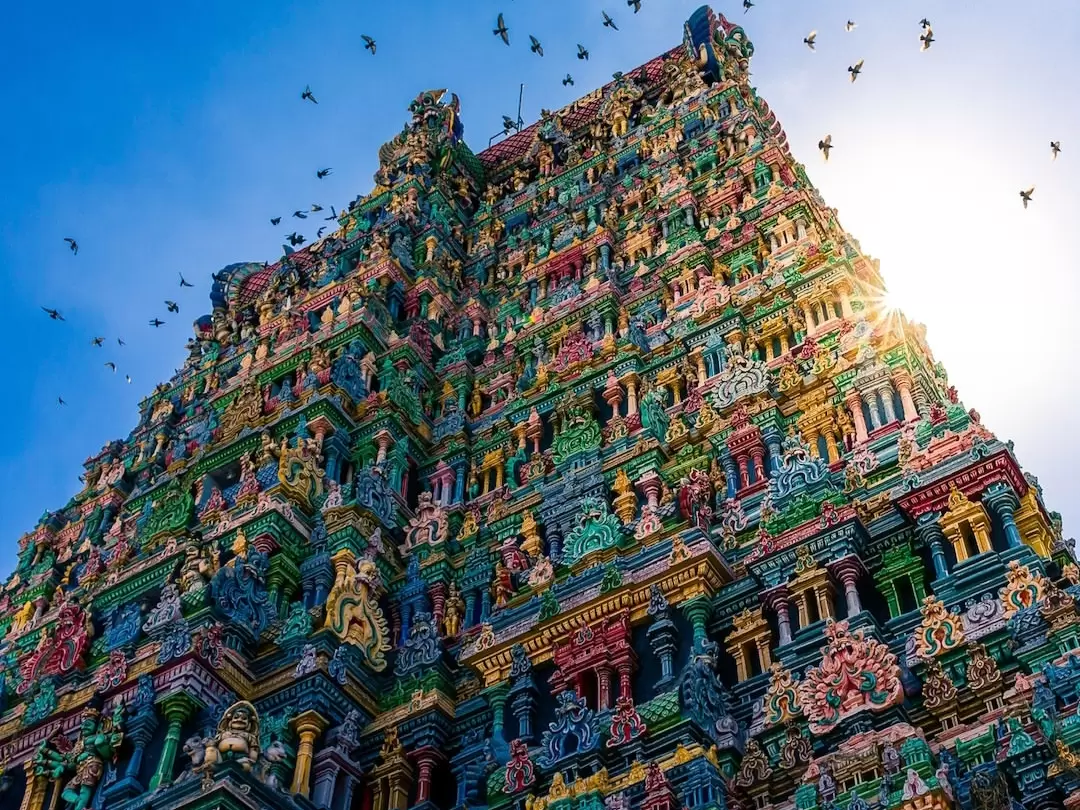
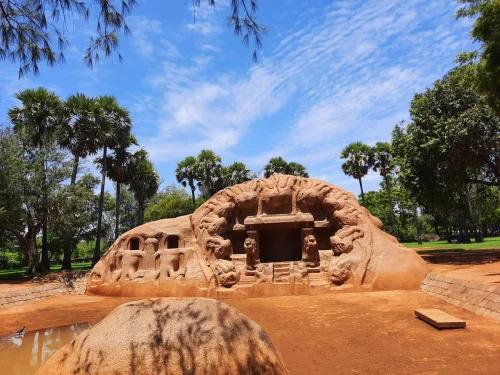
Arulmigu Kapaleeshwarar Temple, Mylapore, Chennai, Tamil Nadu, India

Kapaleeshwarar Temple , Chennai
Tourists visit this temple for its prominent Dravidian gopuram, active daily rituals, and its importance as one of Chennai’s main Shaivite worship centres. It is also visited for experiencing traditional temple activity in the heritage streets of Mylapore.

Quick Facts About Kapaleeshwarar Temple

Quick Facts About Arulmigu Kapaleeshwarar Temple, Mylapore, Chennai

Entry Fee No entry fee (free entry for all devotees)
Timings 5:00 AM to 12:00 PM and 4:00 PM to 9:00 PM (daily)
Altitude (m) Approx. 8 m above sea level
Ideal Visit Duration 1 to 2 hours
Best Time of Day Early morning or evening during main pooja hours
Crowd Level High on most days; very high on Fridays, Pradosham days, and festival periods
Distance from City Centre (km) Approx. 8 km from Chennai Central Railway Station
Walking Difficulty Easy to moderate (crowded corridors and temple walking)
Parking Available Limited (street parking available; difficult during peak hours in Mylapore)
Last Mile Access Excellent access by taxi, auto-rickshaw, city buses, and nearby MRTS/Metro connectivity
Suitable for Kids Yes, suitable for family visits
Suitable for Seniors Yes, but crowd rush and standing queues may be tiring
Wheelchair Friendly Partially (outer areas are accessible, but inner sanctum access is limited due to steps and crowd flow)

Why Visit Arulmigu Kapaleeshwarar Temple, Mylapore, Chennai

Arulmigu Kapaleeshwarar Temple is visited for Shiva worship and for experiencing one of Chennai’s most active and well-known temple complexes. Tourists come here for darshan, to see the detailed gopuram and shrine architecture, and to observe daily rituals that run throughout the morning and evening.

The on-ground atmosphere is continuously busy, with steady devotee movement, flower sellers, and pooja item shops around the temple streets. Inside the complex, the environment is devotional and structured, but queues and crowd flow are common, especially during evening hours and special worship days.

What makes this temple distinct for travelers is its location in the heart of Mylapore, where the temple visit connects directly with Chennai’s traditional cultural neighbourhood. The temple surroundings offer a complete on-ground experience of local worship routines, street activity, and heritage-style market lanes.

History of Arulmigu Kapaleeshwarar Temple, Mylapore, Chennai

Arulmigu Kapaleeshwarar Temple is one of the most historically important Shiva temples in Chennai and is closely linked with the traditional Shaivite worship culture of the Mylapore region. The temple is associated with long-established religious practices centred on Lord Kapaleeshwarar and Goddess Karpagambal, and it continues to function as a major ritual hub in the city.

The temple is also recognised for its strong connection to Tamil devotional traditions and its role in hosting major annual celebrations, especially the Arupathimoovar festival, which draws large public participation. Its continued daily worship routines and festival processions have kept it central to Chennai’s religious and cultural identity.

Best Time to Visit Arulmigu Kapaleeshwarar Temple, Mylapore, Chennai

Arulmigu Kapaleeshwarar Temple can be visited throughout the year, but the experience is more comfortable during Chennai’s cooler months because temple darshan often involves waiting in queues and walking through crowded inner corridors. Festival months are culturally significant but also bring heavy crowds.
  • Ideal months: November to February for pleasant temperatures and easier temple movement.
  • Weather during the best season: Cooler mornings and evenings with reduced humidity, suitable for long darshan queues and exploring the temple streets.
  • Best time of day to visit: Early morning (5:30 AM – 8:00 AM) for quicker darshan and less crowd pressure; evenings are active but more congested.
  • Festival period to experience: March to April during the Arupathimoovar festival season, when processions and temple events are held in Mylapore.
  • Periods to avoid (if possible): April to June afternoons due to peak summer heat and high crowd density in narrow temple corridors.

How to Reach Arulmigu Kapaleeshwarar Temple, Mylapore, Chennai

  • Nearest airport: Chennai International Airport (MAA), approx. 15–18 km away. Taxis and app-based cabs are the most convenient way to reach Mylapore.
  • Nearest railway station: Chennai Central Railway Station (MAS), approx. 8–9 km away. Visitors can reach the temple by taxi, auto-rickshaw, or city buses from Central.
  • Nearest suburban/MRTS station: Thirumayilai MRTS Station, approx. 1–2 km away, offering quick local access to the temple area.
  • Road access: The temple is located in central Mylapore and is well connected by city buses and private vehicles from T. Nagar, Adyar, Egmore, and Marina Beach routes.
  • Last-mile connectivity: Autos and taxis can drop visitors close to the temple entrance, but narrow streets and crowd movement may require short walking during peak hours.
  • Travel conditions to note: Traffic congestion is common in Mylapore during festival days and evening hours, and parking availability is limited near the temple streets.

What to Expect When You Visit Arulmigu Kapaleeshwarar Temple, Mylapore, Chennai

  • Expect a large, active temple complex with continuous devotee movement, especially during morning and evening pooja hours.
  • The temple surroundings include busy Mylapore streets with flower shops, pooja item stalls, and local food vendors, creating a strong neighbourhood temple atmosphere.
  • Inside the temple, visitors will walk through multiple corridors and mandapam areas, with structured queue systems for darshan during peak hours.
  • Footwear must be removed before entering inner temple zones, and visitors should expect crowded walking paths near the sanctum during busy periods.
  • Facilities include prasadam counters, small donation/pooja ticket counters, and resting areas, but space can feel limited when crowd density is high.
  • The temple has many architectural and sculpture details, and visitors often stop to view pillars, shrines, and the main gopuram area, slowing movement in certain sections.
  • Senior visitors may find long standing queues tiring on festival days, though weekday mornings are generally easier for darshan.
  • Photography is usually restricted in inner worship areas, and visitors should expect staff guidance on where phones and cameras can be used.

Important Visitor Information for Arulmigu Kapaleeshwarar Temple, Mylapore, Chennai

  • Crowd and weather notes: The temple remains busy on most days, with very high crowds during Fridays, Pradosham days, and festival periods. Chennai heat and humidity can make queue waiting uncomfortable in summer months.
  • Peak visiting hours: 6:30 AM to 10:00 AM and 5:30 PM to 8:30 PM are typically the most crowded due to main pooja timings.
  • Quiet visiting hours: Weekday late mornings (10:30 AM – 12:00 PM) and early evenings before peak pooja hours are generally less crowded.
  • Dress code: Modest clothing is expected for temple entry. Visitors should avoid sleeveless tops and short clothing inside the main worship areas.
  • Footwear rule: Footwear must be removed before entering inner temple sections; carrying a bag for footwear is helpful during crowded periods.
  • Safety notes: During festival days, crowd pressure can be intense in narrow corridors, so visitors should keep children close and secure valuables.
  • Heat-related caution: Temple floors and outer courtyard surfaces can become hot in summer afternoons, making barefoot walking uncomfortable.
  • Parking limitation: Parking is limited around the temple streets, and private vehicles may require parking at a distance during peak hours.

Photography and Viewpoints at Arulmigu Kapaleeshwarar Temple, Mylapore, Chennai

  • Best photography areas: The outer entrance and gopuram frontage provide the best angles for capturing the temple’s detailed Dravidian tower structure and the active Mylapore street setting.
  • Temple tank viewpoint: The area near the Kapaleeshwarar Temple tank (if accessible during your visit) offers wider framing options for photographing the temple surroundings and reflection-style shots.
  • Best time for lighting: Early morning (6:00 AM – 8:00 AM) provides softer light and fewer crowds near the entrance, making gopuram photography easier.
  • Evening photography conditions: Evening hours offer vibrant crowd scenes and temple lighting, but heavy visitor movement can limit clean architectural frames.
  • Photography restrictions: Photography is usually restricted inside the inner sanctum and key worship halls. Visitors should follow temple signage and staff instructions.
  • Crowd impact: On Fridays and festival days, the entrance corridors and gopuram area become heavily congested, reducing space for stable photography.
  • Access factor: Narrow temple corridors and continuous queue flow may prevent stopping for long photography sessions in inner sections.
  • Viewpoint limitation: The temple is located in a dense neighbourhood setting, so photography is focused on architecture, rituals, and street-temple scenes rather than panoramic viewpoints.

Near By Attraction

Sri Anantha Padmanabha Swamy Temple, iconic golden gopuram temple in Thiruvananthapuram with sacred temple pond view Temple

Sri Anantha Padmanabha Swamy Temple

Historic Hindu temple dedicated to Lord Vishnu located in the heart of Chennai.

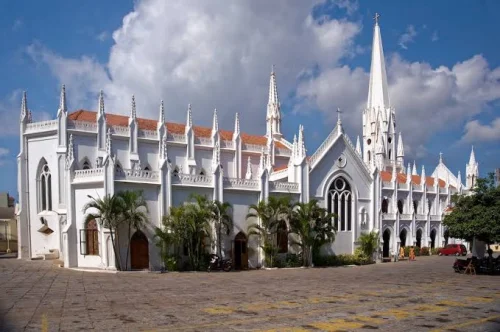
Santhome Cathedral Basilica Chennai during cloudy overcast day, featuring white Gothic arches spires, red tiled roofs, wet plaza reflections palm trees, perfect cultural experience Chennai tour package Church

St. Thomas Cathedral Basilica

St. Thomas Cathedral Basilica is a historic Roman Catholic church in Chennai, built over the traditional burial site of Saint Thomas the Apostle.

Sunset at Marina Beach Chennai during golden hour, featuring orange glowing sun, crashing waves on rocks, sandy shore footprints, hazy clouds, perfect romantic experience Chennai tour package. Beach

Marina Beach

Marina Beach is a long urban beach along the Bay of Bengal, located on the eastern coastline of Chennai.

Frequently Asked Questions About Kapaleeshwarar Temple

The best time to visit Kapaleeshwarar Temple is from November to February when the weather is relatively pleasant for temple visits. Early morning and evening hours are usually less crowded.
Kapaleeshwarar Temple is generally open from early morning until late evening with specific breaks between rituals. Timings may vary slightly on special religious days.
There is no major entry fee for general darshan at Kapaleeshwarar Temple. Special poojas and quicker darshan options may have separate charges.
Kapaleeshwarar Temple can be reached easily by taxi auto bus metro or private vehicle as it is located in a well connected neighborhood. Public transport options operate frequently nearby.
Most visitors spend 45 to 90 minutes at Kapaleeshwarar Temple depending on crowd levels. Additional time may be required during weekends and festival days.
Kapaleeshwarar Temple conducts daily poojas and special rituals dedicated to Lord Shiva. Devotees often participate in morning and evening worship sessions.
Visitors to Kapaleeshwarar Temple should wear modest and traditional attire. Footwear must be removed before entering the temple premises.
Special darshan tickets may be available at Kapaleeshwarar Temple during busy periods. Availability depends on temple administration policies.
Kapaleeshwarar Temple can be visited during festival season for a vibrant spiritual atmosphere. Visitors should expect larger crowds during major celebrations.
Kapaleeshwarar Temple can be combined with nearby markets beaches and heritage landmarks. These attractions are usually accessible within short travel distance.

Loved this place ? Let’s Plan Your Tamil Nadu Trip

Get customized Tamil Nadu tour planning designed around temple visit timing, seasonal weather comfort, road travel distances, and realistic pacing across regions. Whether you are visiting for architectural heritage, spiritual journeys, coastal relaxation,

⚡ Quick Response | 💰 Free consultation | 🕒 24×7 expert support

×

Plan Your Trip