Quick Facts About Zero Point Lachung
| Entry Fee | 50 |
| Timings | 06:00 - 16:00 |
| Altitude (m) | 4300 |
| Ideal Visit Duration (hrs) | 2 |
| Best Time of Day | Morning |
| Crowd Level | Moderate |
| Distance from Lachung (km) | 35 |
| Walking Difficulty | Moderate |
| Parking Available | Yes |
| Last Mile Access | Walk |
| Suitable for Kids | Yes |
| Suitable for Seniors | Yes |
| Wheelchair Friendly | No |
Why Visit Zero Point Lachung
Zero Point Lachung is a must-visit destination for travelers seeking high-altitude Himalayan experiences and pristine natural beauty. The atmosphere here is serene, crisp, and invigorating, with panoramic snow-capped peaks and vast open landscapes creating a sense of calm and wonder. What makes Zero Point special is its unique year-round snow cover, offering visitors a chance to experience snow even in summer. The location provides spectacular photography opportunities, awe-inspiring mountain vistas, and a sense of being at the edge of the Himalayas. It is also easily accessible from Lachung, making it an ideal stop for nature lovers, adventure enthusiasts, and anyone looking to witness one of Sikkim’s most iconic high-altitude landscapes.
History of Zero Point Lachung
Zero Point Lachung, also known as Yumesamdong, holds significance primarily for its strategic location near the Indo-Tibet border. Historically, it has been a remote high-altitude area used by local shepherds and traders crossing the mountain passes. The area has remained largely untouched, preserving its pristine natural environment and offering a rare glimpse into the Himalayan ecosystem at extreme elevations. While it does not have major cultural or religious monuments, the site is important for understanding Sikkim’s high-altitude geography, local pastoral lifestyles, and natural biodiversity. Visitors can appreciate the untouched landscapes, snow-capped peaks, and alpine flora that define this unique region of North Sikkim.
Best Time to Visit Zero Point Lachung
Zero Point Lachung is accessible throughout the year, but the experience varies significantly with the seasons. Choosing the right time ensures clear views, pleasant weather, and a safer high-altitude journey.
- Spring (March to June): Snow begins to melt, and the surrounding valleys bloom with alpine flowers. The weather is cool and ideal for sightseeing and photography.
- Summer (July to August): The region remains cold but accessible. Occasional rains may affect road conditions, so travel with caution.
- Autumn (September to November): Clear skies and crisp air provide excellent visibility of Himalayan peaks. Perfect for photography and trekking in surrounding areas.
- Winter (December to February): The area is usually snow-covered, creating a stunning winter landscape. Best suited for snow lovers and travelers equipped for cold temperatures.
How to Reach Zero Point Lachung
- By Air: The nearest airport is Pakyong Airport (~140 km from Gangtok). From there, travelers can hire taxis or join a guided tour to reach Lachung, and then proceed to Zero Point.
- By Train: The nearest major railway station is New Jalpaiguri (NJP) in Siliguri, West Bengal (~520 km from Zero Point). From NJP, take a taxi or shared cab to Gangtok and then travel by road to Lachung and Zero Point.
- By Road: Zero Point is accessible via a scenic drive from Gangtok → Lachung (~150 km, 5–6 hours) and then Lachung → Zero Point (~35 km). Roads are winding and mountainous, so hiring experienced drivers is recommended.
- Local Transport: Shared taxis and private cabs operate between Lachung and Zero Point. Trekking options are limited as most of the route is motorable, making it accessible for most travelers.
- Travel Tips: North Sikkim permits are mandatory. Roads may be affected by weather, especially during winter and monsoon. Always check road conditions and carry warm clothing for high-altitude travel.
What to Expect When You Visit Zero Point Lachung
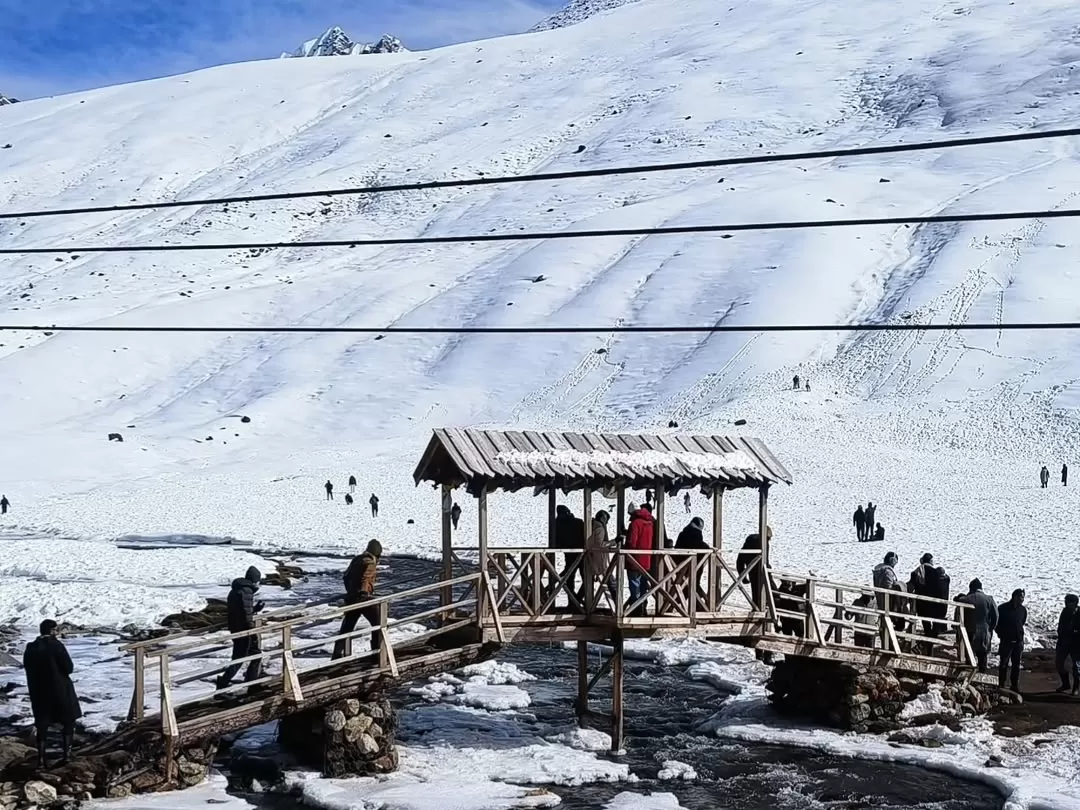
- Snow-Covered Landscapes: Visitors can expect snow throughout most of the year, with pristine white scenery providing a true high-altitude Himalayan experience.
- Panoramic Mountain Views: Stunning vistas of the surrounding snow-capped peaks and valleys make it ideal for photography and sightseeing.
- Cold and Crisp Atmosphere: The high altitude brings chilly temperatures, fresh mountain air, and occasional strong winds, so warm clothing is essential.
- Limited Facilities: Basic amenities like small viewpoints and local parking are available, but facilities are minimal due to the remote location.
- Quiet and Serene Environment: Expect peaceful surroundings with low tourist density compared to other popular Sikkim destinations.
- Accessible Terrain: Short walks from parking to viewpoints, though paths may be slightly uneven and require sturdy footwear.
- Photography Opportunities: Ideal for landscape photography, capturing snow, mountains, and dramatic cloud formations.
Important Visitor Information for Zero Point Lachung
- Crowd & Weather Notes: The area experiences low to moderate crowds, with more visitors during spring (March–June) and autumn (September–November). Weather is cold year-round, with snow common at higher altitudes.
- Peak / Quiet Hours: Peak visiting hours are late morning to early afternoon. For a quieter experience and better photography, visit early morning or late afternoon.
- Dress Code: Warm layered clothing is essential. Waterproof jackets, gloves, caps, and sturdy footwear are recommended due to cold and windy conditions.
- Safety Notes: Roads are narrow and winding; travel with experienced drivers. The high altitude may cause mild sickness, so acclimatization, hydration, and moderate activity are advised. Avoid venturing off marked paths.
Photography and Viewpoint at Zero Point Lachung
- Snow-Covered Peaks: The viewpoints offer breathtaking views of snow-clad Himalayan mountains, perfect for wide-angle and panoramic photography.
- Year-Round Snow Landscapes: Even in summer, the area retains patches of snow, creating unique photo opportunities with bright white contrasts against clear skies.
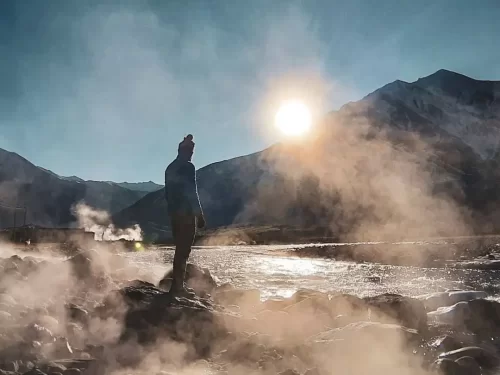
- Sunrise and Sunset Shots: Early morning and late afternoon light enhances mountain silhouettes, clouds, and snow patterns, ideal for dramatic landscape photography.
- Scenic Pathways: Short trails from the parking area to viewpoints allow visitors to capture natural foregrounds like rocks, streams, and alpine vegetation.
- High-Altitude Photography: Telephoto lenses are recommended for capturing distant peaks and nearby wildlife, including Himalayan birds and small mammals.
- Drone Photography: Where permitted, aerial shots can highlight the vast expanse of the valley and snowfields, adding perspective to your portfolio.
- Clear Visibility: The high altitude and relatively low pollution offer crisp, clear shots with vibrant colors, especially on sunny days.