Quick Facts About Hot Springs
| Entry Fee | Free |
| Timings | 00:00 - 23:59 |
| Altitude (m) | 3500 |
| Ideal Visit Duration (hrs) | 2 |
| Best Time of Day | Morning |
| Crowd Level | Moderate |
| Distance from Lachen (km) | 25 |
| Walking Difficulty | Easy |
| Parking Available | Yes |
| Last Mile Access | Walk |
| Suitable for Kids | Yes |
| Suitable for Seniors | Yes |
| Wheelchair Friendly | No |
Why Visit Hot Springs
The Hot Springs in North Sikkim are a natural retreat for relaxation and rejuvenation amidst the pristine Himalayan landscape. The atmosphere is serene and tranquil, with the warm, mineral-rich waters offering a soothing experience after long treks or explorations in high-altitude regions. What makes these springs special is their unique geothermal activity, which creates naturally heated pools believed to have therapeutic properties. Surrounded by snow-capped peaks, alpine meadows, and rivers, the location provides not only a wellness experience but also stunning photographic opportunities and a peaceful connection with nature. Visitors often combine a visit to the hot springs with excursions to nearby Yumthang Valley or Lachen, making it a highlight of North Sikkim travel.
Significance of Hot Springs
The Hot Springs near Yumthang hold local cultural and spiritual significance for the indigenous communities of North Sikkim. Locals believe that bathing in the mineral-rich waters can help with ailments such as joint pain and fatigue, and the springs are occasionally visited for traditional rituals. Beyond their therapeutic reputation, the hot springs are important ecologically, forming part of the pristine Himalayan ecosystem with surrounding rivers, alpine vegetation, and wildlife. Their location near Yumthang Valley also makes them a key stop for trekkers and travelers exploring North Sikkim.
Best Time to Visit Hot Springs
The ideal time to visit the Hot Springs near Yumthang is during spring (March to June) and autumn (September to November), when the weather is clear, temperatures are moderate, and the surrounding landscapes are at their most picturesque.
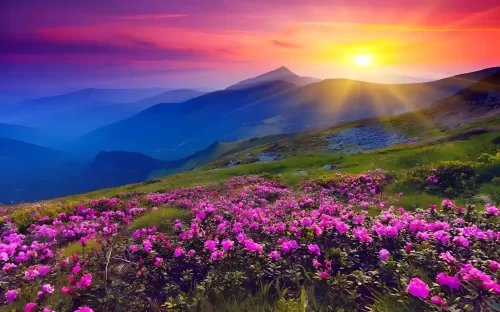
- Spring (March to June): Pleasant temperatures, blooming rhododendrons, and clear skies make it perfect for sightseeing, photography, and enjoying the warm springs.
- Summer (July to August): Cool temperatures with occasional rainfall; fewer tourists make for a tranquil experience, though some trails may be slippery.
- Autumn (September to November): Crisp weather with excellent visibility of Himalayan peaks; ideal for photography, nature walks, and relaxing in the springs.
- Winter (December to February): Cold temperatures and possible snow; suitable for travelers seeking solitude and a snowy Himalayan setting, but carry warm clothing.
How to Reach Hot Springs
- By Air: The nearest airport is Pakyong Airport (~140 km from Gangtok). From Gangtok, hire a taxi or join a guided tour to reach Lachen and then proceed to the hot springs near Yumthang Valley.
- By Train: The closest railway station is New Jalpaiguri (NJP) in Siliguri (~520 km from Chungthang). From NJP, travel by taxi or shared cab to Gangtok, and then continue by road to Lachen and the hot springs.
- By Road: Hot Springs are accessible via the NH310 highway from Gangtok to Lachen (~125 km) and then a short drive (~25 km) to Yumthang. Roads are mountainous and winding; experienced drivers or local taxis are recommended.
- Local Transport: Shared taxis and private cabs operate between Gangtok, Lachung, Lachen, and Yumthang. Short walks are required from parking areas to the hot springs.
- Travel Tips: North Sikkim permits are mandatory. Carry warm clothing, water, and snacks. Plan travel during daylight for safety and scenic views.
What to Expect When You Visit Hot Springs
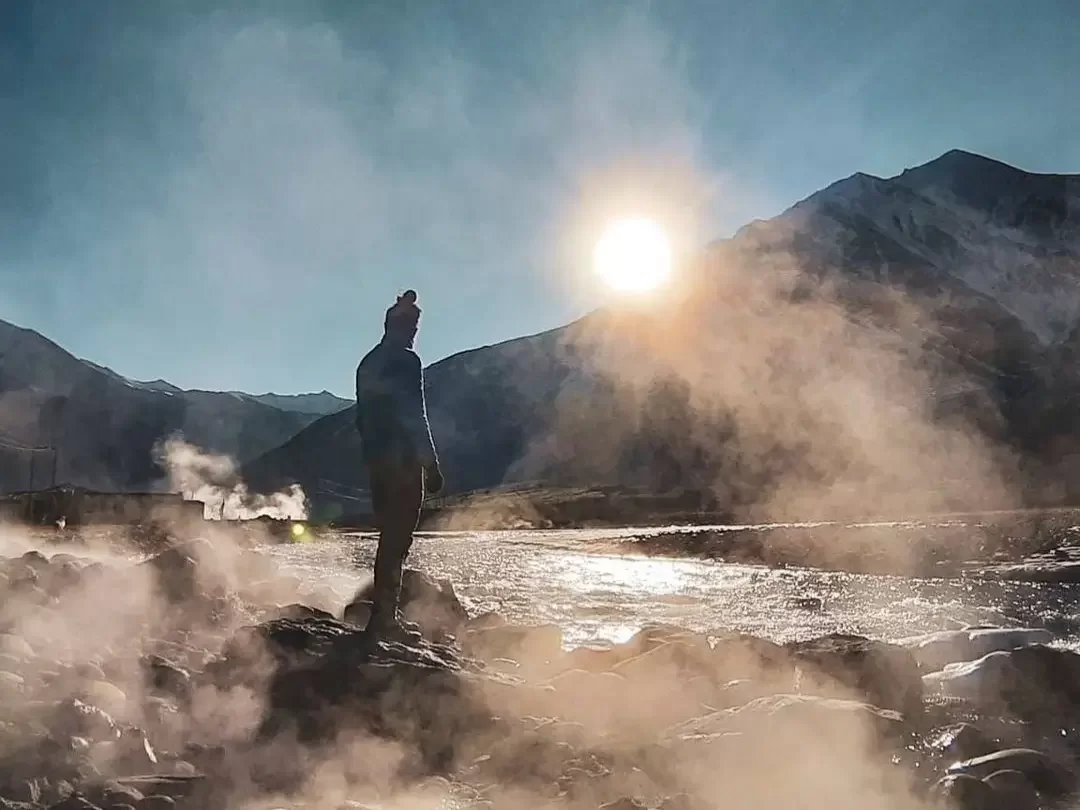
- Thermal Relaxation: Enjoy soaking in the naturally warm, mineral-rich waters that are believed to have therapeutic and healing properties.
- Scenic Surroundings: The springs are set amidst snow-capped mountains, rivers, and alpine meadows, providing spectacular photo opportunities and a serene environment.
- Short Walks: Expect a brief walk from the parking area to the springs, through natural trails with gentle inclines and occasional uneven surfaces.
- Peaceful Atmosphere: Low to moderate crowds, especially during off-peak seasons, create a tranquil experience perfect for relaxation and reflection.
- Nearby Attractions: Many visitors combine a trip to the hot springs with visits to Yumthang Valley, Shingba Rhododendron Sanctuary, or Lachen for a full North Sikkim experience.
- Photography Opportunities: Capture the rivers, surrounding mountains, and seasonal flora while enjoying the springs, especially during spring bloom and autumn clear skies.
Important Visitor Information for Hot Springs
- Crowd & Weather Notes: The hot springs generally experience low to moderate crowds, with peak visits during spring and autumn. Weather can be cold and windy, especially in winter, so plan accordingly.
- Peak / Quiet Hours: Early morning and late afternoon are the best times to enjoy the springs with fewer visitors and better lighting for photography.
- Dress Code: Wear layered clothing to stay warm, and comfortable footwear suitable for short walks on uneven trails. Swimwear or modest bathing attire is recommended for soaking.
- Safety Notes: Exercise caution near the hot water areas as surfaces may be slippery. Avoid bathing for prolonged periods if you have health concerns. Carry water, snacks, and follow local guidance for safety.
Photography and Viewpoint at Hot Springs
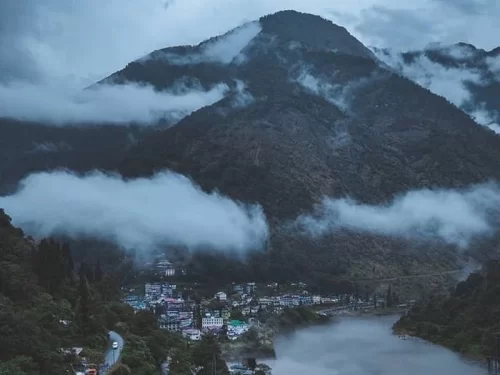
- Mountain and Valley Views: Capture stunning vistas of snow-capped peaks, alpine meadows, and surrounding rivers while enjoying the warm springs.
- Confluence of Rivers: The nearby rivers provide excellent opportunities for landscape photography, especially in morning light or during clear skies.
- Seasonal Beauty: Spring showcases blooming rhododendrons and colorful alpine flowers, while autumn offers crisp air and clear mountain views perfect for photography.
- Natural Thermal Pools: Photograph the warm, steaming water of the hot springs contrasted against the cool Himalayan backdrop for unique scenic shots.
- Accessible Viewpoints: Several vantage points near the springs require only short walks, making it easy for visitors to capture both wide-angle and close-up shots of nature and the springs themselves.