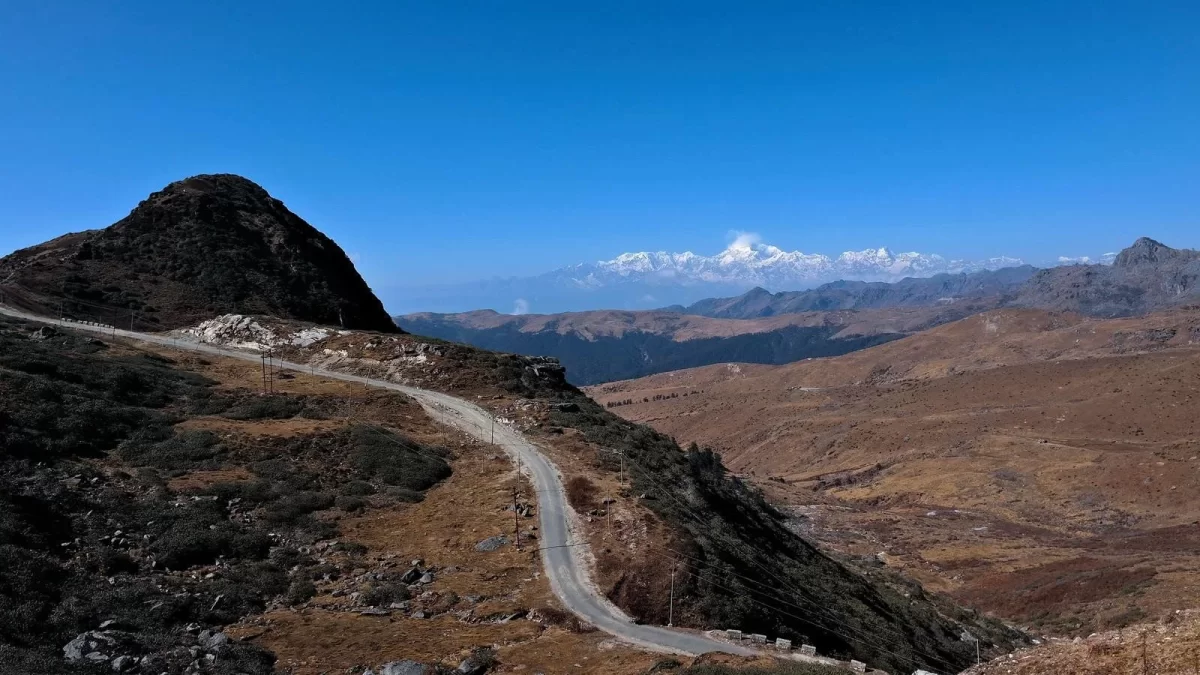
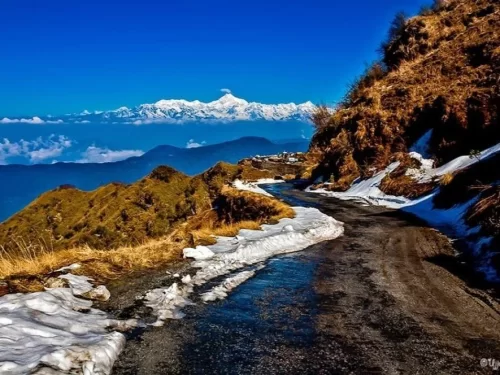
Tukla Valley, East Sikkim, Sikkim, India

Tukla Valley , Zuluk
Visitors come to Tukla Valley for its open alpine meadows, Himalayan landscapes, and historic significance related to the Old Silk Route. The valley is commonly visited on journeys between Zuluk, Kupup, and Nathang Valley.

Quick Facts About Tukla Valley

Tukla Valley, Sikkim Quick Facts

Entry Fee No entry fee; an East Sikkim Protected Area Permit is required to visit via the Old Silk Route
Timings Open throughout the day; visits are recommended during daylight hours
Altitude (m) Approximately 3,150 m above sea level
Ideal Visit Duration 30 minutes to 1 hour
Best Time of Day Morning for clear mountain views and favorable weather
Crowd Level Low to moderate; busier during the peak tourist season on the Old Silk Route
Distance from City Centre (km) Approximately 8 km from Zuluk village
Walking Difficulty Easy; short walks on open grassland and uneven natural terrain
Parking Available Yes, limited roadside parking is available
Last Mile Access Accessible by road via the Old Silk Route, followed by a short walk across the valley viewpoint area
Suitable for Kids Yes, with supervision near open slopes and roads
Suitable for Seniors Yes, though the high altitude may affect some visitors
Wheelchair Friendly No; uneven natural terrain limits wheelchair accessibility

Why Visit Tukla Valley, Sikkim

Visitors come to Tukla Valley to experience the open high-altitude landscapes of East Sikkim while traveling along the historic Old Silk Route. The valley is known for its sweeping mountain scenery, alpine meadows, and proximity to several viewpoints on the route between Zuluk and Nathang Valley.

The on-ground atmosphere is quiet and windswept, with rolling grasslands, rocky slopes, and changing mountain weather shaping the landscape throughout the day. During spring and summer, patches of alpine vegetation add color to the otherwise rugged terrain.

What makes Tukla Valley distinct is its broad Himalayan plateau setting combined with its historical association with the Old Silk Route. The uninterrupted mountain views, peaceful surroundings, and location amid East Sikkim's high-altitude landscapes make it a rewarding stop for travelers exploring the region.

History of Tukla Valley, Sikkim

Tukla Valley is a high-altitude valley in East Sikkim located along the historic Old Silk Route near Zuluk. The valley formed part of the traditional trade corridor that connected India with Tibet, where traders and caravans crossed the Himalayan passes before modern transport routes were established.

The valley has no documented religious significance but is historically associated with the movement of goods and travelers along the Old Silk Route. Its alpine meadows and rugged terrain have long been characteristic features of this mountain landscape.

Today, Tukla Valley is visited for its scenic Himalayan setting, seasonal wildflowers, and its connection to the historic Silk Route, making it a notable stop on the Zuluk travel circuit.

Best Time to Visit Tukla Valley, Sikkim

Tukla Valley is best visited during the drier months when roads along the Old Silk Route are more dependable and the surrounding high-altitude landscapes can be enjoyed with better visibility. Access depends on weather conditions and required permits.
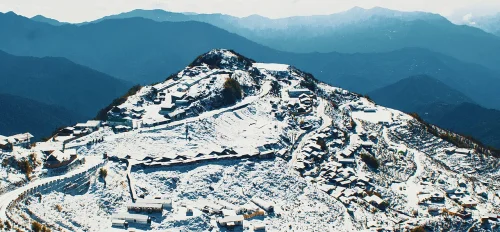
  • Ideal Months: March to May and October to early December are the most suitable periods for visiting Tukla Valley.
  • Weather Conditions: These months generally offer cool to cold temperatures, relatively clear skies, and favorable visibility of the alpine terrain, making sightseeing and photography more rewarding.
  • Periods to Avoid: June to September should be avoided due to heavy monsoon rainfall, fog, and possible landslides along the Old Silk Route. Peak winter months may bring snowfall, icy roads, and temporary travel restrictions in the higher reaches.

How to Reach Tukla Valley, East Sikkim

  • By Air: The nearest airport is Pakyong Airport, approximately 90–100 km from Tukla Valley. Bagdogra Airport in West Bengal, around 150–160 km away, offers better connectivity with major Indian cities. From either airport, travelers must continue by road via Rongli and Zuluk.
  • By Train: New Jalpaiguri (NJP) Railway Station is the nearest major railhead, situated about 145–155 km away. From NJP or Siliguri, private taxis and shared vehicles operate to Rongli, from where the journey continues along the Old Silk Route.
  • By Road: Tukla Valley is located beyond Zuluk on the Old Silk Route in East Sikkim and is accessible via Rongli–Zuluk–Kupup road. The route passes through high-altitude mountain terrain with steep hairpin bends. Entry requires an Inner Line Permit for Indian nationals, while foreign nationals have restricted access beyond designated checkpoints. Snowfall, dense fog, and monsoon landslides may temporarily affect road conditions and travel schedules.

What to Expect When You Visit Tukla Valley, Sikkim

  • Tukla Valley is a scenic high-altitude valley along the Old Silk Route in East Sikkim, surrounded by rolling grasslands, rocky hills, alpine vegetation, and panoramic Himalayan landscapes.
  • The weather remains cool to cold throughout the year, with strong winds, frequent fog, and occasional snowfall during winter. Visibility can change quickly depending on mountain conditions.
  • Facilities are very limited, with no developed tourist infrastructure within the valley. Visitors should rely on accommodations and services available in nearby Zuluk or other settlements along the route.
  • Access is by road through the Old Silk Route, usually as part of a guided sightseeing circuit from Zuluk. Most viewpoints are located close to the roadside and require only short walks.
  • Visitors typically spend 20–40 minutes exploring the valley, enjoying its open landscapes, photographing the surrounding mountains, and observing seasonal alpine flowers during warmer months.
  • Crowd levels are generally low to moderate, with visitor numbers increasing during the spring and autumn travel seasons when road conditions are favorable.
  • Visitors should expect high-altitude conditions, uneven terrain, and limited mobile connectivity. Carrying warm clothing, drinking sufficient water, and moving slowly helps ensure a comfortable visit.

Important Visitor Information for Tukla Valley, Sikkim

  • Tukla Valley receives the highest number of visitors during the spring (April–May) and autumn (October–November) travel seasons, while weekdays are generally quieter.
  • Early morning offers the clearest views of the alpine landscape, whereas clouds, strong winds, and mist commonly develop later in the day.
  • The valley experiences cold weather throughout the year, with heavy snowfall in winter and frequent rain, fog, and occasional road disruptions during the monsoon.
  • No formal dress code applies, but warm layered clothing, a windproof jacket, and sturdy footwear are essential due to the high-altitude climate and uneven terrain.
  • Visitors should be aware of high-altitude conditions and avoid strenuous activity if experiencing symptoms such as dizziness or shortness of breath.
  • Stay on designated roads and viewpoints, avoid walking across fragile alpine meadows, and follow all permit requirements and instructions from local authorities in this restricted border region.

Photography and Viewpoints at Tukla Valley, Sikkim

  • The open alpine meadows of Tukla Valley provide expansive views of rolling grasslands, rugged Himalayan ridges, and seasonal wildflowers, making them the best locations for landscape photography.
  • Roadside viewpoints along the Old Silk Route offer elevated angles that capture the valley's undulating terrain, mountain slopes, and winding roads in a single panoramic frame.
  • Early morning delivers the clearest visibility and soft natural light, while autumn and post-monsoon months offer the highest chance of unobstructed views of the surrounding peaks.
  • Photography is generally permitted in public areas, but visitors should avoid entering protected grasslands or military-restricted zones and must follow all instructions issued at border checkpoints.
  • Cloud cover and dense fog can develop rapidly due to the valley's high altitude, especially during the monsoon season, often limiting long-distance photography.
  • Visitor numbers remain relatively low compared to nearby viewpoints, although the valley becomes busier during the Old Silk Route travel season from October to December.
  • Most photography is done from designated roadside stops and open viewing areas, as uneven terrain and changing weather make off-road access both difficult and unsafe.

Near By Attraction

Lungthung View Point Viewpoint

Lungthung View Point

Lungthung View Point is a high-altitude viewpoint located along the Old Silk Route in East Sikkim.
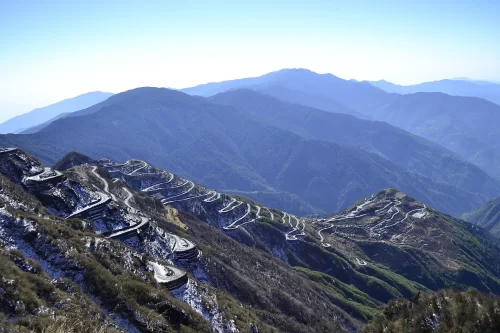
Thambi View Point Viewpoint

Thambi View Point

Thambi View Point is a mountain viewpoint located above Zuluk on the historic Old Silk Route in East Sikkim.

Elephant Lake View Point Lake

Elephant Lake View Point

Elephant Lake View Point overlooks Kupup Lake, a high-altitude glacial lake known for its elephant-shaped outline.

Frequently Asked Questions About Tukla Valley

Tukla Valley is a scenic stop on the Old Silk Route known for alpine meadows, Himalayan landscapes, and peaceful surroundings. It is ideal for travelers exploring Zuluk, Kupup, and Nathang Valley who enjoy mountain scenery and photography.
March to May and October to early December generally offer the best weather, clearer mountain views, and better road conditions. Monsoon months can bring fog and landslides, while heavy winter snowfall may temporarily affect access.
Tukla Valley is open throughout the day, but visiting during daylight hours is recommended. Morning usually provides clearer skies, better visibility, and more comfortable conditions for sightseeing and photography.
There is no entry fee, but an East Sikkim Protected Area Permit is required for travel via the Old Silk Route.
Most travelers spend 30 minutes to one hour exploring the valley, taking photographs, and enjoying the surrounding Himalayan scenery.
Limited roadside parking is available near the viewpoint area and is usually sufficient outside the busiest travel periods.
Yes, although the altitude may affect some visitors. Senior travelers should move slowly and avoid overexertion.
Yes, with supervision because of uneven terrain, roadside viewpoints, and changing mountain weather.
No. Natural uneven ground makes wheelchair access difficult.
Carry warm clothing, sturdy shoes, water, sunscreen, and permit documents because weather changes quickly.
Photography is generally permitted from public viewpoints. Avoid restricted military areas and follow local instructions.
Lungthung View Point, Thambi View Point, and Elephant Lake View Point are nearby attractions commonly visited together.

Loved this place ? Let’s Plan Your Sikkim Trip

Get customized Sikkim tour planning based on season, altitude comfort, travel permits, and realistic road travel time. Whether you are visiting for scenic landscapes, monastery circuits, mountain views, or peaceful hill stays, our experts design practical

⚑ Quick Response | πŸ’° Free consultation | πŸ•’ 24Γ—7 expert support

×

Plan Your Trip