Quick Facts About Lungthung View Point
Lungthung View Point, Sikkim Quick Facts
| Entry Fee | No entry fee; an East Sikkim Protected Area Permit is required to visit via the Old Silk Route |
| Timings | Open throughout the day; visits during daylight hours are recommended |
| Altitude (m) | Approximately 3,960 m above sea level |
| Ideal Visit Duration | 30–45 minutes |
| Best Time of Day | Early morning for sunrise and clear views of the Kanchenjunga range |
| Crowd Level | Low to moderate; busier during the peak tourist season on the Old Silk Route |
| Distance from City Centre (km) | Approximately 10 km from Zuluk village |
| Walking Difficulty | Easy; the viewpoint is located close to the roadside with minimal walking |
| Parking Available | Yes, limited roadside parking is available |
| Last Mile Access | Accessible by road via the Old Silk Route, followed by a short walk to the viewpoint |
| Suitable for Kids | Yes, with supervision due to high altitude and roadside location |
| Suitable for Seniors | Yes, though the high altitude may cause discomfort for some visitors |
| Wheelchair Friendly | Partially accessible; roadside access is available, but uneven ground may limit mobility |
Why Visit Lungthung View Point, Sikkim
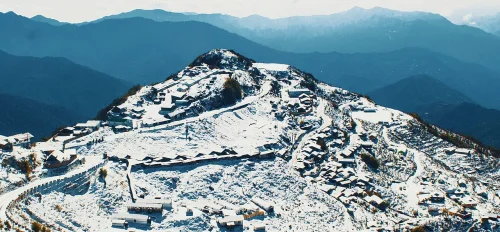
Visitors come to Lungthung View Point to enjoy panoramic views of the Eastern Himalayas while traveling along the Old Silk Route in East Sikkim. It is a popular stop for witnessing the surrounding mountain ranges, deep valleys, and the winding roads leading toward Zuluk.
The on-ground atmosphere is cool and expansive, with strong mountain winds, shifting clouds, and wide open vistas that change throughout the day. Early mornings often provide the clearest views, making it a favored spot for photography and sightseeing.
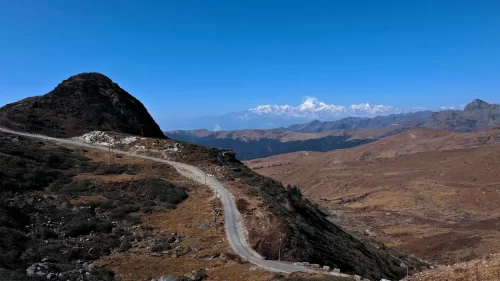
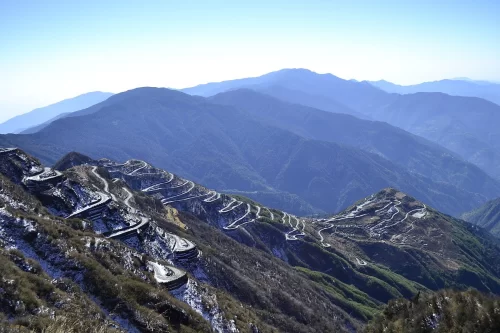
What makes Lungthung View Point distinct is its high-altitude vantage overlooking the famous hairpin bends of the Old Silk Route and the rugged Himalayan terrain. On clear days, visitors can also enjoy distant views of the Kanchenjunga massif, adding to its appeal as one of East Sikkim's most scenic viewpoints.
History of Lungthung View Point, Sikkim
Lungthung View Point is a high-altitude viewpoint in East Sikkim located along the historic Old Silk Route near Zuluk. The surrounding route was once used for trade between India and Tibet, giving the area historical importance within the eastern Himalayan region.
The viewpoint itself has no documented historical or religious significance. It developed as a scenic stop overlooking the winding mountain roads, alpine valleys, and Himalayan peaks that characterize this section of the Old Silk Route.
Today, Lungthung View Point is a popular stop for travelers exploring East Sikkim, offering panoramic views of the surrounding mountains and the historic route through the Himalayas.
Best Time to Visit Lungthung View Point, Sikkim
Lungthung View Point is best visited during the drier months when clear skies reveal sweeping views of the Eastern Himalayas and travel along the Old Silk Route is generally more reliable. Access is subject to weather conditions and permit requirements.
- Ideal Months: March to May and October to early December are the most suitable periods for visiting Lungthung View Point.
- Weather Conditions: These months typically bring cool to cold temperatures, low humidity, and clearer skies, offering the best chances for panoramic views of the surrounding mountain ranges and valleys.
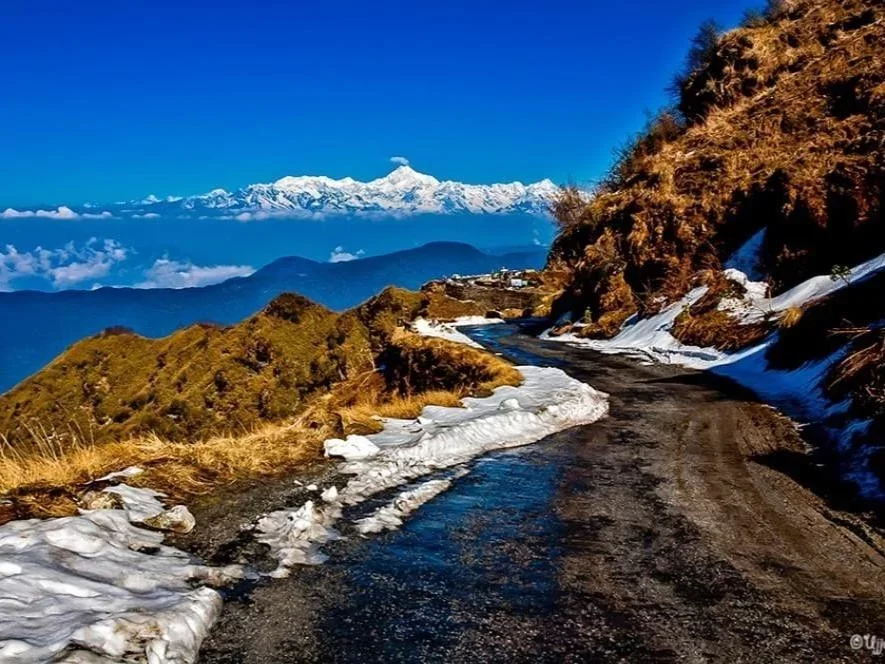
- Periods to Avoid: June to September should be avoided due to heavy monsoon rainfall, dense fog, and landslides that can affect visibility and road access. Winter months may experience snowfall and icy roads, leading to temporary travel restrictions.
How to Reach Lungthung View Point, East Sikkim
- By Air: The nearest airport is Pakyong Airport, located approximately 95–105 km from Lungthung View Point. Bagdogra Airport in West Bengal, around 150–160 km away, offers better flight connectivity. From either airport, visitors must travel by road via Rongli and Zuluk.
- By Train: New Jalpaiguri (NJP) Railway Station is the nearest major railhead, situated about 145–155 km away. From NJP or Siliguri, shared jeeps and private taxis are available to Rongli, followed by onward travel along the Old Silk Route.
- By Road: Lungthung View Point is located about 4–5 km beyond Thambi View Point on the Zuluk–Kupup road in East Sikkim. The route follows the historic Old Silk Route and is accessible by registered local taxis or private vehicles. Indian nationals require an Inner Line Permit, while foreign nationals have restricted access beyond designated checkpoints. The high-altitude road is prone to fog, snowfall, and occasional landslides, which may temporarily affect travel.
What to Expect When You Visit Lungthung View Point, Sikkim
- Lungthung View Point is a high-altitude Himalayan viewpoint on the Old Silk Route in East Sikkim, offering sweeping views of rugged mountain ranges, deep valleys, and, on clear days, Mount Kanchenjunga.
- The weather is cold for most of the year, with strong winds, frequent fog, and occasional snowfall during winter. Clear early mornings usually provide the best visibility.
- Tourist facilities are minimal, with only a few seasonal roadside stalls operating during the travel season. Visitors should not expect permanent restrooms or extensive visitor amenities.
- Access is by road from Zuluk through the winding Old Silk Route. The viewpoint is located close to the roadside, requiring only a short walk from the parking area.
- Visitors generally spend 20–30 minutes enjoying the panoramic scenery, photographing the surrounding Himalayan landscape, and watching the famous hairpin bends visible below.
- Crowd levels are usually moderate during spring and autumn, especially in the morning when sightseeing vehicles stop for mountain views and photography.
- Visitors should expect high-altitude conditions, uneven ground, and rapidly changing weather. Warm clothing, sturdy footwear, and slow movement are recommended for a comfortable visit.
Important Visitor Information for Lungthung View Point, Sikkim
- The viewpoint is busiest during the spring (April–May) and autumn (October–November) tourist seasons, while weekday mornings usually offer a quieter experience.
- Early morning provides the best chance for clear views of the Eastern Himalayas, as clouds and mist often reduce visibility later in the day.
- The high-altitude location remains cold throughout the year, with winter bringing snowfall and icy conditions, while monsoon rains can cause fog and slippery roads.
- No formal dress code is required, but warm layered clothing, a windproof jacket, and sturdy footwear are essential due to low temperatures and strong mountain winds.
- Stay within designated viewpoints and avoid approaching steep slopes or cliff edges, especially during fog or windy conditions.
- Access is through a protected border region requiring valid permits, and visitors should follow all instructions issued by local authorities and security personnel.
Photography and Viewpoints at Lungthung View Point, Sikkim
- Lungthung View Point offers sweeping views of the eastern Himalayas, the Old Silk Route, and the winding hairpin bends below, making it one of the finest panoramic photography locations in East Sikkim.
- The elevated roadside platform provides excellent angles for capturing the Zig Zag Road, surrounding valleys, and, on clear days, the Kanchenjunga massif in the distance.
- Sunrise and the early morning hours provide the clearest mountain visibility and soft light across the ridgelines before clouds and mist develop later in the day.
- Photography is permitted from designated public viewpoints, but visitors should not cross roadside barriers or enter nearby military-controlled and restricted areas.
- Visibility changes rapidly due to the high altitude, with fog and low clouds frequently affecting panoramic views, particularly during the monsoon season.
- The viewpoint attracts the most visitors during the post-monsoon months from October to December and on clear spring mornings, though it remains less crowded than many attractions near Gangtok.
- Limited roadside parking means photography is best undertaken from marked observation areas, which provide stable footing and unobstructed views of the surrounding mountain landscape.