Quick Facts About Thangu Valley
| Entry Fee | Free |
| Timings | 00:00 - 23:59 |
| Altitude (m) | 4000 |
| Ideal Visit Duration (hrs) | 2 |
| Best Time of Day | Morning |
| Crowd Level | Moderate |
| Distance from Gangtok (km) | 142 |
| Walking Difficulty | Easy |
| Parking Available | Yes |
| Last Mile Access | Walk |
| Suitable for Kids | Yes |
| Suitable for Seniors | Yes |
| Wheelchair Friendly | No |
Why Visit
Thangu Valley is a serene and scenic high-altitude destination in North Sikkim, offering visitors a chance to immerse themselves in the pristine beauty of the Himalayas. The valley’s peaceful atmosphere, wide-open meadows, and panoramic mountain views make it an ideal retreat for nature lovers and travelers seeking tranquility.
What makes it special is its combination of natural beauty and accessibility. The valley is dotted with alpine streams, seasonal flowers, and grazing yaks, providing opportunities for photography and short nature walks. Its location en route to Gurudongmar Lake adds strategic value for travelers, while the crisp mountain air and expansive vistas create an unforgettable high-altitude experience. Thangu Valley is perfect for those looking to enjoy the calm, capture stunning landscapes, and experience the raw beauty of North Sikkim.
Background
Thangu Valley is a high-altitude natural haven in North Sikkim, valued for its pristine landscapes and role as a resting point for travelers heading to Gurudongmar Lake. The valley’s wide meadows, alpine streams, and panoramic mountain views highlight the unspoiled beauty of the region.
While not associated with major historical or religious events, Thangu Valley holds ecological importance as it supports diverse alpine flora and provides grazing grounds for yaks and other livestock. Its serene environment, combined with its position along key high-altitude routes, makes it an important stop for travelers exploring North Sikkim.
Best Time to Visit
The ideal time to visit Thangu Valley is from April to October when the weather is clear, the skies are blue, and the valley is accessible without snow-related restrictions. During these months, visitors can enjoy pleasant temperatures, vibrant alpine meadows, and stunning mountain views.
- Spring (April–May): Snow begins to melt, revealing lush meadows and blooming flowers. The weather is mild, making it perfect for sightseeing and photography.
- Summer (June–August): Temperatures remain moderate. Occasional rains may occur, but the landscape is vibrant and green, ideal for nature walks and capturing scenic beauty.
- Autumn (September–October): Clear skies and crisp air offer excellent visibility of the surrounding Himalayan peaks. The valley appears especially vivid, perfect for photography and short treks.
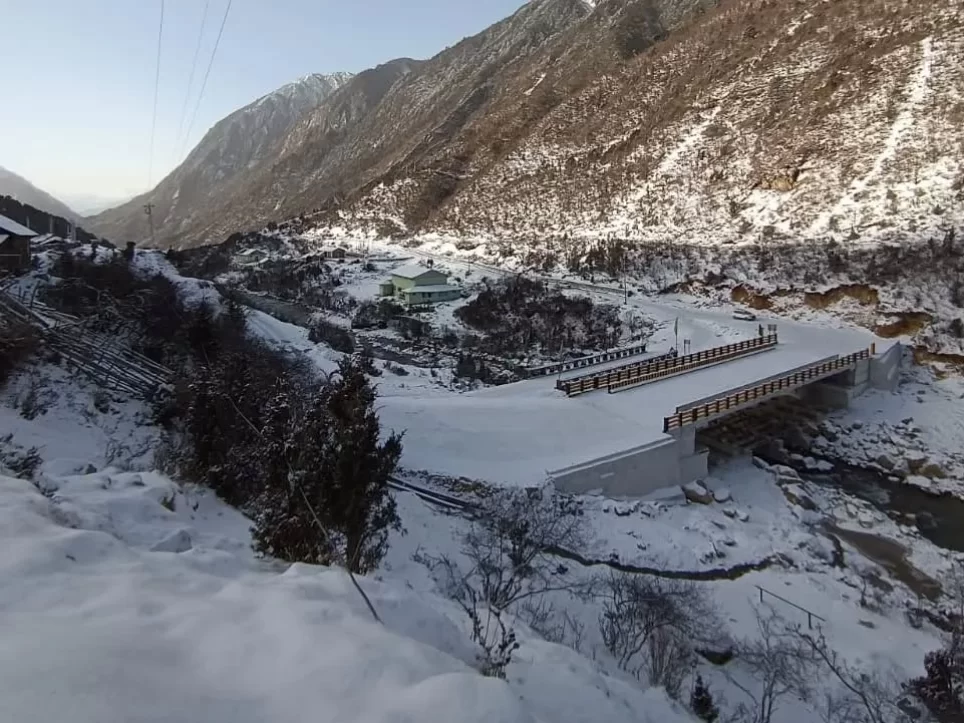
- Winter (November–March): Very cold conditions with heavy snow may limit accessibility. The valley is mostly covered in snow, creating a picturesque but challenging environment for travelers.
How to Reach
- By Air: The nearest airport is Bagdogra Airport in West Bengal, approximately 142 km from Thangu Valley. From the airport, travelers can hire private taxis or join organized tours to reach North Sikkim via Gangtok.
- By Train: The nearest railway station is New Jalpaiguri (NJP), around 145 km away. From NJP, private taxis or shared cabs can be arranged to reach Thangu Valley through scenic mountain roads.
- By Road: Thangu Valley is accessible via Gangtok. Private vehicles or guided tours take around 5–6 hours from Gangtok. The journey passes through Chungthang and offers panoramic views of the Himalayan terrain.
- Last Mile Access: The valley is mostly accessible by road with short, easy walks to viewpoints and meadows. Visitors should take it slow due to high altitude.
What to Expect When You Visit
- Stunning Himalayan Landscapes: Visitors will be treated to panoramic views of snow-capped mountains, sprawling alpine meadows, and glacial streams.
- Peaceful and Serene Atmosphere: The valley is tranquil with minimal crowds, making it ideal for relaxation, meditation, and connecting with nature.
- High-Altitude Environment: At around 4,000 meters, the thin air may cause mild altitude effects. Visitors are advised to acclimatize gradually and move at a comfortable pace.
- Flora and Wildlife: Alpine vegetation, seasonal flowers, and grazing yaks enhance the natural charm. Birdwatchers may spot Himalayan species along the valley trails.
- Photography Opportunities: Early morning and late afternoon provide the best lighting for capturing vivid landscapes and scenic panoramas.
- Short Walks and Exploration: Easy paths around the valley and meadows allow visitors to explore safely while enjoying the surroundings.
Important Visitor Information
- Crowd & Weather Notes: Thangu Valley is generally peaceful with low to moderate crowds. Weather is cold throughout the year due to high altitude, with mild temperatures from April to October. Snow may cover the valley in winter (November–March), limiting accessibility.
- Peak / Quiet Hours: Early morning (6:00 AM – 9:00 AM) and late afternoon (3:00 PM – 5:00 PM) are the best times for clear views, photography, and enjoying a quiet atmosphere.
- Dress Code: Layered warm clothing is essential. Jackets, gloves, hats, and sturdy shoes are recommended. Sunglasses and sunscreen are advised to protect against high-altitude sun exposure.
- Safety Notes: Visitors should move slowly to acclimatize to the high altitude. Stay hydrated, avoid strenuous activity immediately upon arrival, and follow guidance from local authorities or tour guides. Snow and icy patches may make paths slippery in winter.
Photography and Viewpoint
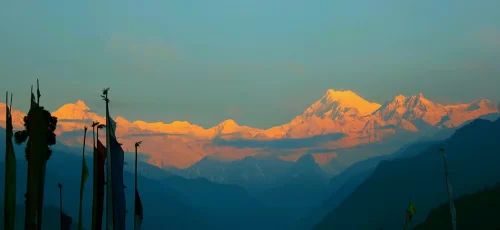
- Main Scenic Views: Thangu Valley offers expansive panoramas of snow-capped Himalayan peaks, rolling meadows, and glacial streams. The wide-open landscapes are perfect for wide-angle shots and nature photography.
- Best Time for Photography: Early mornings capture the soft golden light on the mountains, while late afternoons provide warm tones and dramatic shadows. Clear skies in spring and autumn enhance visibility and vibrancy in photos.
- Seasonal Highlights: Spring brings blooming alpine flowers, summer showcases lush greenery, autumn offers crisp skies and clear mountain views, and winter provides snow-covered landscapes for striking monochromatic compositions.
- Wildlife and Flora: The valley features alpine flora, grazing yaks, and Himalayan birds. These elements provide additional opportunities for wildlife and nature photography.
- Photography Tips: A wide-angle lens is recommended for landscapes, a tripod for stability in low-light or sunrise/sunset shots, and polarizing filters to reduce glare from streams. Respect the environment and avoid disturbing wildlife while photographing.
- Viewpoints: Multiple spots along the valley offer unique perspectives. Walking a short distance from the main road or meadows can provide elevated angles for capturing the full grandeur of Thangu Valley.