Lhonak Valley – Remote High-Altitude Valley in North Sikkim

Lhonak valley , Lachen
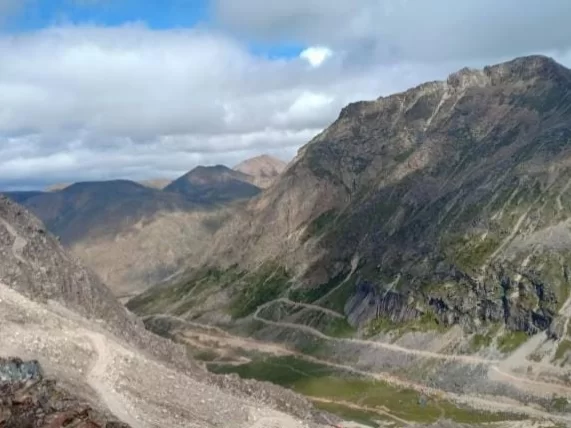
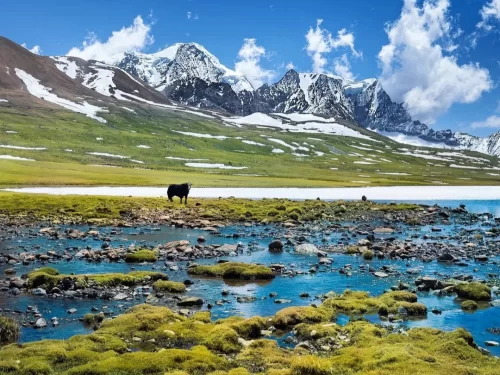
Lhonak Valley, situated at an altitude of around 5,000 meters, is a secluded and unspoiled region of North Sikkim. The valley is characterized by vast meadows, glacial streams, and snow-capped peaks, offering a serene environment for trekkers, nature lovers, and photographers. Lhonak is part of the high-altitude trekking routes leading towards the base of Kangchenjunga and other Himalayan peaks. Its remote location ensures minimal human activity, making it ideal for experiencing untouched Himalayan wilderness and observing alpine flora and fauna. Visitors need to be well-acclimatized and prepared for high-altitude conditions.

Quick Facts About Lhonak valley

Entry Fee No
Timings 06:00 - 17:00
Altitude (m) 5000
Ideal Visit Duration (hrs) 8
Best Time of Day Morning
Crowd Level Low
Distance from Lachung (km) 75
Walking Difficulty Hard
Parking Available No
Last Mile Access Trek
Suitable for Kids No
Suitable for Seniors No
Wheelchair Friendly No

Why Visit

Lhonak Valley is a breathtaking high-altitude destination that offers a rare glimpse into the untouched wilderness of North Sikkim. Surrounded by snow-capped peaks, glacial streams, and vast alpine meadows, the valley provides a tranquil and serene atmosphere far from bustling tourist spots.

What makes Lhonak Valley special is its pristine environment and remote location. Visitors can witness dramatic Himalayan landscapes, spot high-altitude flora and fauna, and enjoy the peaceful solitude that comes with one of the least visited regions in Sikkim. Its unique combination of natural beauty, ecological significance, and adventure trekking opportunities makes Lhonak Valley a must-visit for nature lovers, trekkers, and photographers seeking an offbeat Himalayan experience.

Significance

Lhonak Valley is ecologically and geographically important as a high-altitude Himalayan region supporting unique alpine flora and fauna. The valley’s glacial streams contribute to the Teesta River system, sustaining downstream ecosystems and local communities. Its remote location and untouched environment make it a critical area for studying high-altitude ecology and glacial landscapes.

Although there are no known historical or religious landmarks, the valley’s pristine natural environment and high-altitude wilderness provide an exceptional destination for trekkers, nature enthusiasts, and researchers. Lhonak Valley is a key site for experiencing the remote Himalayan ecosystem in its most unspoiled form.

Best Time to Visit

The ideal time to explore Lhonak Valley is during the pre-monsoon (March to May) and post-monsoon (September to November) seasons. During these months, the weather is stable, skies are clear, and trekking conditions are safe and enjoyable. Temperatures are relatively moderate, and the scenic beauty of the valley is at its peak.
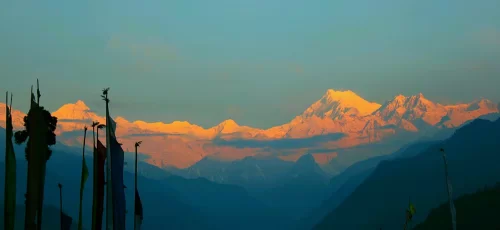
  • Spring (March–May): Snow starts melting, revealing lush alpine meadows and clear glacial streams. Excellent for trekking and photography.
  • Autumn (September–November): Crisp, dry weather and cloudless skies provide optimal visibility of the surrounding Himalayan peaks and valleys.
  • Summer (June–August): Occasional rains and clouds can reduce visibility. Trekking is possible but may be slippery and challenging.
  • Winter (December–February): Extremely cold and heavy snow make the valley largely inaccessible. Recommended only for highly experienced trekkers equipped for high-altitude conditions.

How to Reach

  • By Air: The nearest airport is Pakyong Airport near Gangtok. From the airport, travelers can hire taxis or arrange private transport to North Sikkim districts.
  • By Road: Lhonak Valley can be approached via road up to Lachung or Thangu villages. State-run buses, shared cabs, or private taxis from Gangtok provide connectivity, though roads are mountainous and winding.
  • By Trekking: The last stretch to Lhonak Valley requires trekking from Thangu or nearby base camps. Trekking is moderate to challenging due to high altitude (around 5,000 m) and uneven terrain.
  • Last Mile Access: On foot from nearest motorable points. Proper trekking gear, warm clothing, and acclimatization are essential for safety.
  • Permits: An Inner Line Permit is mandatory for North Sikkim, obtainable in Gangtok or online for Indian nationals. Foreign tourists may require additional restricted area permits.

What to Expect When You Visit

  • Remote and Pristine Landscapes: Expect untouched high-altitude meadows, glacial streams, and snow-capped peaks, offering a serene and tranquil environment.
  • Challenging Trekking: The valley is accessible via moderate to difficult high-altitude treks. Proper acclimatization and physical fitness are essential for a safe journey.
  • Wildlife and Flora: Spot unique alpine plants, migratory birds, and occasionally yaks grazing in the meadows, making it a paradise for nature enthusiasts.
  • Photography Opportunities: Early morning and late afternoon provide ideal light for capturing panoramic mountain views, reflections in glacial streams, and scenic landscapes.
  • Weather Variability: Rapid weather changes, cold winds, and occasional snow are common. Visitors should be prepared with warm clothing and protective gear.
  • Peace and Solitude: Lhonak Valley sees very few visitors, providing a peaceful experience far from tourist crowds and a chance to immerse fully in the Himalayas.

Important Visitor Information

  • Crowd & Weather Notes: Lhonak Valley is extremely remote and sees very few visitors, ensuring a peaceful experience. Weather is cold year-round with potential snow, strong winds, and sudden changes. Clear skies provide the best views of surrounding peaks and meadows.
  • Peak / Quiet Hours: Early morning offers calm conditions and clear visibility for photography, while late afternoon provides soft lighting with minimal human presence.
  • Dress Code: Warm layered clothing including thermal wear, jackets, gloves, hats, and sturdy trekking shoes are essential. Sunglasses and sunscreen are recommended due to high-altitude UV exposure.
  • Safety Notes: High-altitude conditions require proper acclimatization. Trek slowly, stay hydrated, and carry essential medical supplies. Ice, snow, and uneven terrain can be hazardous, so follow guide instructions and safety protocols.

Photography and Viewpoint

  • Panoramic Himalayan Views: Lhonak Valley offers unobstructed vistas of snow-capped peaks, glacial streams, and vast alpine meadows. Wide-angle shots capture the full grandeur of the high-altitude landscape.
  • Reflections and Glacial Streams: Small glacial streams and meltwater pools create mirror-like reflections of surrounding mountains, ideal for morning and late afternoon photography.
  • Wildlife and Flora: The valley’s alpine flora, migratory birds, and grazing yaks provide additional subjects for nature photography. Seasonal wildflowers in spring enhance the scenic appeal.
  • Best Time for Photography: Early morning for soft, clear light and minimal haze, and late afternoon for golden hour effects on snow peaks and meadows. Avoid mid-day harsh sunlight for landscape shots.
  • Viewpoints: Walking along the valley floor or ascending nearby ridges gives different perspectives. Elevated points provide panoramic shots of the valley’s entire expanse and the surrounding Himalayan ranges.
  • Seasonal Highlights: Spring (March–May) offers lush green meadows and wildflowers, autumn (September–November) ensures clear visibility, while winter creates a dramatic snow-covered scene for monochrome photography.

Near By Attraction

Tso Lhamo Lake North Sikkim high altitude glacial lake with snow clad Himalayan peaks and alpine landscape Lake

Tso Lhamo Lake

Tso Lhamo Lake is a stunning high-altitude lake in North Sikkim, known for its serene beauty and breathtaking Himalayan surroundings.

Kala Patthar Sikkim scenic snow clad Himalayan peak with dramatic mountain and glacier views Tourist Attraction

Kala Patthar

Kala Patthar is a famous high-altitude viewpoint near Everest Base Camp, offering breathtaking views of Mount Everest and the surrounding Himalayan peaks.

Chopta Valley Sikkim scenic Himalayan meadow with lush green hills and panoramic mountain views Valley

Chopta Valley

Chopta Valley is a serene and scenic valley in North Sikkim, known for its lush meadows, mountain views, and tranquil environment.

Frequently Asked Questions About Lhonak valley

The best time to visit Lhonak Valley is between May and June and from September to October when weather conditions in North Sikkim are relatively stable. These months offer clearer skies and safer trekking routes.
Lhonak Valley is located in North Sikkim near the Indo Tibet border at a high altitude above 4000 meters. It lies beyond Lachen and is known for its remote Himalayan landscape.
Lhonak Valley can be reached by trekking from Lachen via Thangu and Muguthang in North Sikkim. The journey usually requires multiple days of guided high altitude trekking.
A special permit is required to visit Lhonak Valley as it is located in a protected area of North Sikkim. Visitors must arrange permissions through registered tour operators.
The trek to Lhonak Valley is considered challenging due to high altitude, rough terrain, and limited facilities. Prior trekking experience and good physical fitness are important.
Exploring Lhonak Valley typically requires a multi day itinerary including travel from Lachen and acclimatization stops. Most visitors spend at least three to five days on the route.
Lhonak Valley is not suitable for beginner trekkers without prior high altitude experience. Proper acclimatization and guidance from certified trek leaders are strongly recommended.
Lhonak Valley becomes largely inaccessible during peak winter due to heavy snowfall and extreme weather in North Sikkim. Road access to base villages may also be restricted.
Camping is the primary accommodation option in Lhonak Valley as there are no permanent hotels in the area. Organized trekking groups usually provide tents and basic supplies.
Visitors to Lhonak Valley should carry high quality trekking gear, warm layered clothing, sturdy boots, personal medicines, and sufficient supplies. Preparing for high altitude conditions is essential for safety.

Loved this place ? Let’s Plan Your Sikkim Trip

Get customized Sikkim tour planning based on season, altitude comfort, travel permits, and realistic road travel time. Whether you are visiting for scenic landscapes, monastery circuits, mountain views, or peaceful hill stays, our experts design practical

⚡ Quick Response | 💰 Free consultation | 🕒 24×7 expert support

×

Plan Your Trip