Quick Facts About Mount Katao
| Entry Fee | 100 |
| Timings | 06:00 - 17:00 |
| Altitude (m) | 4000 |
| Ideal Visit Duration (hrs) | 8 |
| Best Time of Day | Morning |
| Crowd Level | Moderate |
| Distance from Lachung (km) | 15 |
| Walking Difficulty | Hard |
| Parking Available | Yes |
| Last Mile Access | Trek |
| Suitable for Kids | No |
| Suitable for Seniors | No |
| Wheelchair Friendly | No |
Why Visit Mount Katao
Mount Katao is a must-visit destination for trekking enthusiasts and nature lovers seeking a high-altitude adventure in North Sikkim. The atmosphere is crisp, serene, and invigorating, with panoramic views of snow-capped Himalayan peaks, alpine meadows, and the surrounding valleys creating a breathtaking backdrop. What makes Mount Katao special is the combination of its challenging yet rewarding trek, the spectacular sunrise and sunset vistas from the summit, and the chance to experience untouched Himalayan landscapes. Trekkers are rewarded with expansive views of Yumthang Valley, Shingba Rhododendron Sanctuary, and nearby peaks, making it an ideal destination for adventure, photography, and immersive mountain experiences.
Significance of Mount Katao
Mount Katao is primarily significant for its natural and ecological importance rather than historical or cultural reasons. It forms part of the high-altitude Himalayan landscape in North Sikkim, contributing to the region’s biodiversity and serving as a habitat for alpine flora and fauna. The peak is also a key vantage point for observing surrounding valleys, rivers, and mountain ranges, making it an important location for trekking, nature study, and eco-tourism. Its pristine environment provides visitors with an authentic high-altitude Himalayan experience, emphasizing the conservation of natural landscapes and the appreciation of untouched wilderness.
Best Time to Visit Mount Katao
The best time to visit Mount Katao is during the spring and autumn months when the weather is clear, temperatures are moderate, and visibility of the surrounding Himalayan peaks is excellent. Choosing the right season ensures safe trekking conditions and optimal photographic opportunities.
- Spring (March to May): Ideal for trekking as the snow starts melting and alpine meadows bloom. Clear skies and mild temperatures make this the perfect time for summit views and photography.
- Summer (June to August): Cooler temperatures prevail, but occasional rainfall may make trails slippery. Less crowded, offering a peaceful trekking experience.
- Autumn (September to November): Crisp, clear weather provides excellent visibility of mountains and valleys. Ideal for trekking, nature walks, and panoramic photography.
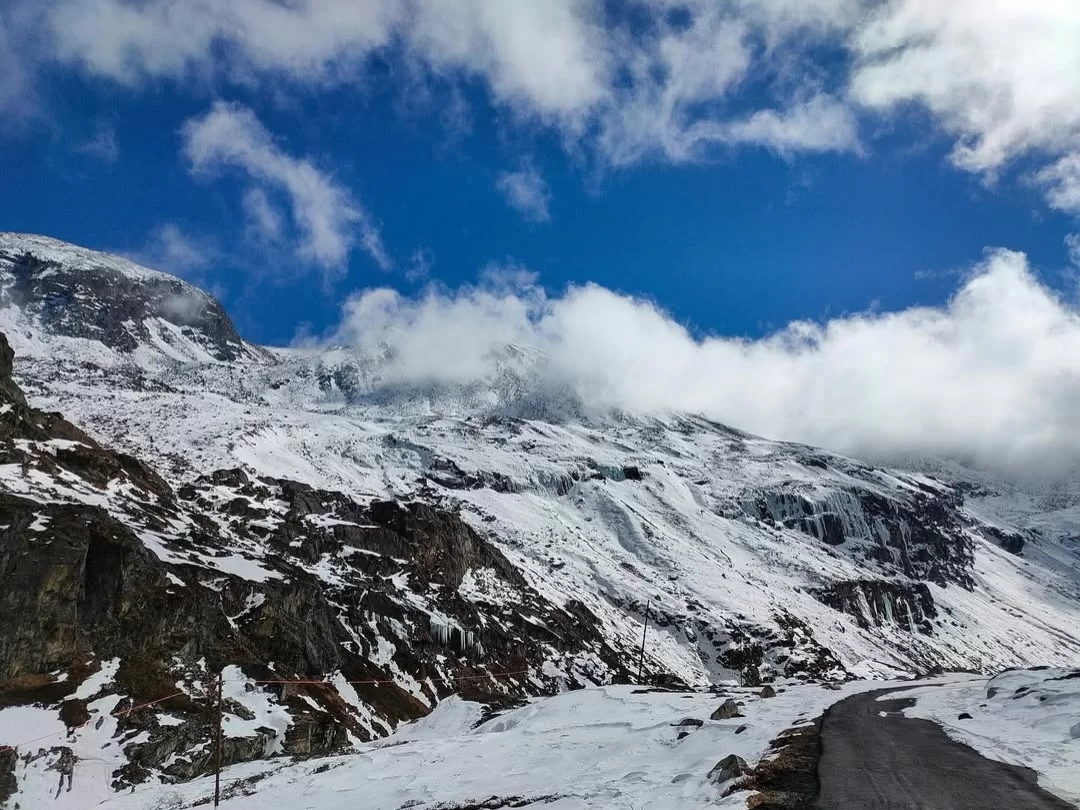
- Winter (December to February): Extremely cold temperatures with snow-covered trails. Suitable only for experienced trekkers prepared for harsh conditions.
How to Reach Mount Katao
- By Air: The nearest airport is Pakyong Airport (~140 km from Gangtok). From there, hire a taxi or join a guided tour to reach Lachung, which serves as the base for Mount Katao treks.
- By Train: The closest major railway station is New Jalpaiguri (NJP) in Siliguri, West Bengal (~520 km from the mountain). From NJP, take a taxi or shared cab to Gangtok, then drive to Lachung.
- By Road: Accessible via Gangtok → Lachung (~150 km, 5–6 hours). The trek to Mount Katao begins from Lachung or nearby base points (~10–12 km trek). Roads are mountainous and winding; experienced drivers are recommended.
- Local Transport: Shared taxis and private cabs operate between Lachung, Yumthang Valley, and the base of Mount Katao. Trekking is required for the final ascent to the summit.
- Travel Tips: North Sikkim permits are mandatory. Carry sufficient water, warm clothing, and trekking gear. Check weather and trail conditions before attempting the trek.
What to Expect When You Visit Mount Katao
- Challenging Trek: Expect a moderately challenging trek with steep and uneven trails. Suitable for trekkers with some experience and a reasonable fitness level.
- Panoramic Himalayan Views: At the summit, enjoy sweeping views of snow-capped peaks, Yumthang Valley, Shingba Rhododendron Sanctuary, and surrounding alpine landscapes.
- Alpine Flora and Fauna: Encounter rhododendron forests, alpine meadows, Himalayan birds, and small mammals along the trekking route.
- Peaceful Atmosphere: Low crowd density ensures a serene environment, ideal for meditation, photography, and immersing yourself in nature.
- Photography Opportunities: Sunrise and sunset from the peak provide dramatic lighting for landscape photography. Trails also offer close-up shots of wildflowers and mountain streams.
- Cool Mountain Climate: Expect crisp, fresh air with cold winds at higher altitudes. Layered clothing is recommended throughout the trek.
- Adventure Experience: The trek provides a rewarding combination of physical activity, natural beauty, and an authentic high-altitude Himalayan experience.
Important Visitor Information for Mount Katao
- Crowd & Weather Notes: Mount Katao experiences low to moderate crowds, mainly trekkers and nature enthusiasts. Weather can be unpredictable at high altitudes; mornings are generally clear, while afternoons may bring clouds or occasional rain.
- Peak / Quiet Hours: Early morning (sunrise) is the best time for a peaceful visit and photography. Midday tends to be busier as trekkers ascend from base points.
- Dress Code: Layered warm clothing is essential due to cold temperatures at high altitudes. Waterproof jackets, sturdy trekking shoes, and hats/gloves are recommended.
- Safety Notes: Stay on marked trekking trails to avoid slips or injuries. Supervise children and maintain a safe distance from cliff edges. Carry water, snacks, and a first-aid kit. North Sikkim permits are mandatory.
Photography and Viewpoint at Mount Katao
- Panoramic Himalayan Views: The summit offers sweeping 360° vistas of snow-capped peaks, Yumthang Valley, Shingba Rhododendron Sanctuary, and surrounding mountain ranges, perfect for landscape photography.
- Sunrise and Sunset: Early morning and late afternoon light enhance the dramatic scenery, creating ideal conditions for capturing breathtaking photographs.
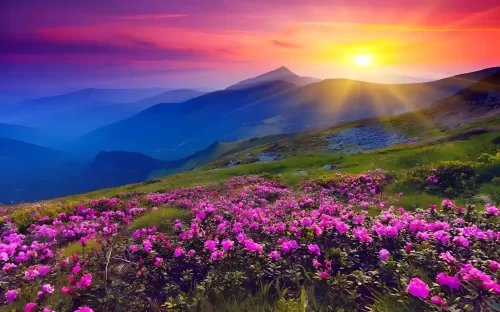
- Alpine Flora: Trails and viewpoints feature alpine meadows, rhododendrons, and rare Himalayan wildflowers, providing opportunities for close-up and macro photography.
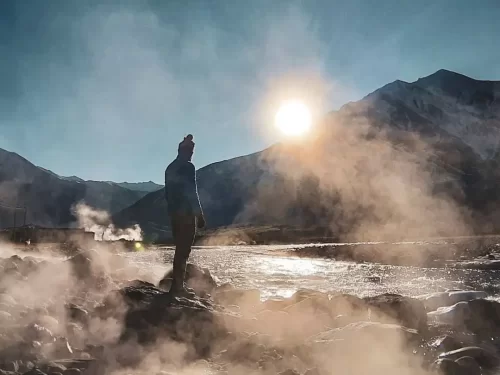
- Mountain Streams and Terrain: Natural streams, rocky outcrops, and gentle slopes along the trek offer additional scenic compositions for photography enthusiasts.
- Seasonal Variations: Spring showcases colorful rhododendron blooms, summer highlights lush greenery, and winter offers snow-dusted landscapes for unique high-altitude shots.
- Accessible Viewpoints: Most viewpoints along the trekking route are reachable via moderate walks, allowing photographers and casual visitors to enjoy the scenery safely.