Kala Patthar

Kala Patthar , Lachen
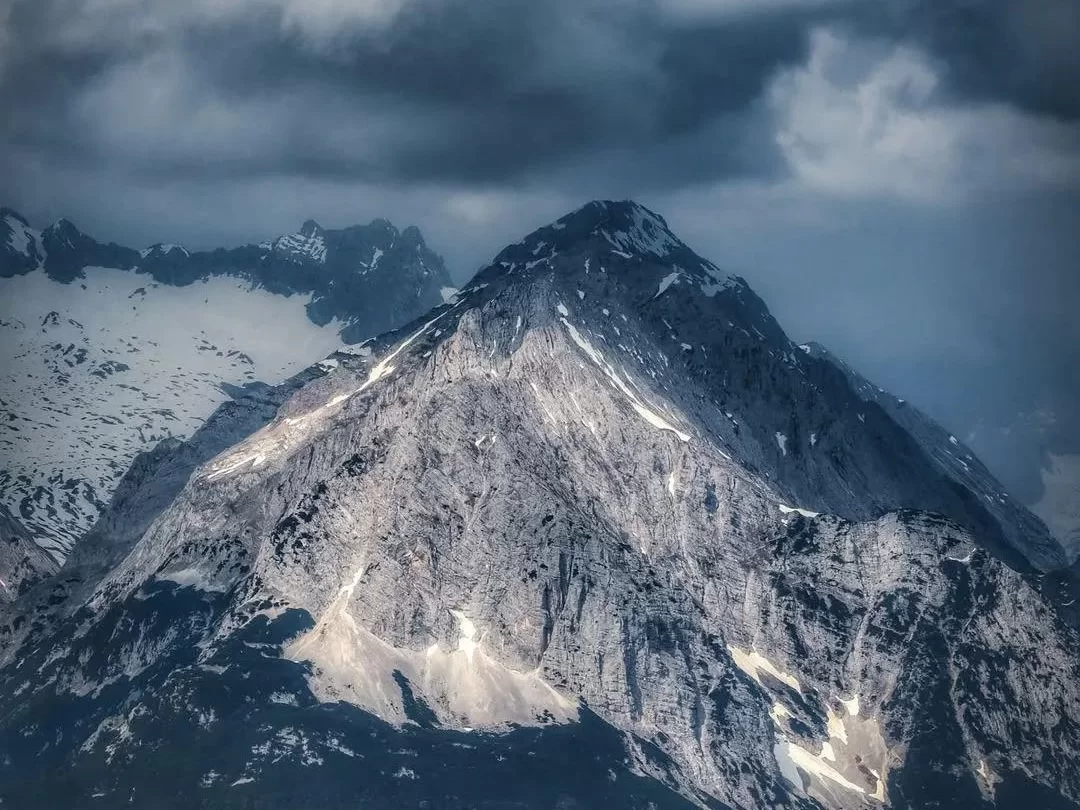
Kala Patthar, situated at an altitude of around 5,545 meters, is renowned for providing the closest and clearest views of Mount Everest without actually climbing the peak. Trekkers on the Everest Base Camp route often ascend Kala Patthar to witness the sunrise over Everest, Lhotse, and Nuptse. The climb is challenging due to high altitude but immensely rewarding, making it a bucket-list destination for adventure enthusiasts and photographers. The dark rock that gives the place its name (“Black Rock”) contrasts beautifully with the snow-capped mountains, offering stunning photographic opportunities.

Quick Facts About Kala Patthar

Entry Fee Free
Timings 00:00 - 23:59
Altitude (m) 5545
Ideal Visit Duration (hrs) 6
Best Time of Day Morning
Crowd Level High
Distance from Lukla (km) 20
Walking Difficulty Hard
Parking Available No
Last Mile Access Trek
Suitable for Kids No
Suitable for Seniors No
Wheelchair Friendly No

Why Visit

Kala Patthar is one of the most iconic viewpoints for experiencing the grandeur of the Himalayas, offering breathtaking and unobstructed views of Mount Everest, Lhotse, and Nuptse. The atmosphere here is serene and exhilarating, with crisp mountain air and panoramic vistas that make every visitor feel on top of the world.

What makes Kala Patthar truly special is its accessibility to trekkers who want the closest and clearest view of Everest without attempting a technical climb of the peak itself. The dark rock of Kala Patthar contrasts beautifully with the snow-covered peaks, providing a dramatic and photogenic landscape. Sunrise and sunset from this vantage point are particularly spectacular, making it a must-visit for adventure seekers, trekkers, and photographers aiming to capture the essence of the Everest region.

Significance

Kala Patthar holds immense importance for trekkers and mountaineers in the Everest region due to its exceptional vantage point of Mount Everest, Lhotse, and surrounding Himalayan peaks. The ascent provides an opportunity to experience high-altitude trekking, acclimatization, and breathtaking panoramic views without requiring technical climbing skills.

The dark rocky formation that gives Kala Patthar its name ("Black Rock") contrasts strikingly with the snow-covered peaks, making it a key photography and sightseeing location. While it does not have historical or religious ties, the site is integral to the trekking route to Everest Base Camp, serving as a must-visit viewpoint for adventurers and nature enthusiasts.

Best Time to Visit

The best time to visit Kala Patthar is during the pre-monsoon (March to May) and post-monsoon (September to November) seasons. During these months, the weather is clear, skies are blue, and visibility of Mount Everest and surrounding peaks is at its best. These periods also offer the most comfortable trekking conditions with moderate temperatures and minimal snowfall.
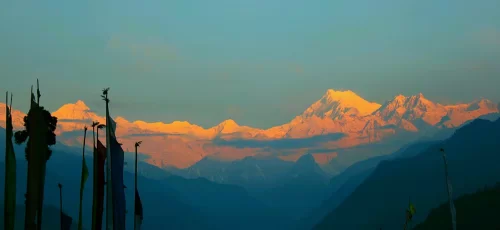
  • Spring (March–May): Clear skies, moderate temperatures, and blooming rhododendrons make it ideal for trekking and photography.
  • Autumn (September–November): Crisp air and cloudless skies offer unparalleled visibility of Everest and neighboring peaks, perfect for sunrise and sunset photography.
  • Summer (June–August): Occasional rain and clouds may reduce visibility; trekking can be challenging due to slippery trails.
  • Winter (December–February): Extremely cold temperatures and heavy snowfall make trekking difficult and only suitable for highly experienced trekkers prepared for high-altitude conditions.

How to Reach

  • By Air: The nearest airport is Tribhuvan International Airport in Kathmandu, Nepal. From Kathmandu, travelers typically take a flight to Lukla Airport, the gateway to the Everest region.
  • By Road: From Lukla, Kala Patthar is accessible only by trekking. There are no roads leading directly to the viewpoint.
  • By Trekking: Kala Patthar is reached via the popular Everest Base Camp trek. Trekkers usually start from Lukla, passing through Namche Bazaar, Tengboche, Dingboche, and Gorak Shep. The final ascent to Kala Patthar begins early in the morning from Gorak Shep, typically taking 2–3 hours depending on fitness and acclimatization.
  • Last Mile Access: The trail is steep and rocky; trekking poles and sturdy footwear are recommended. Acclimatization is essential due to high altitude (5,545 m).

What to Expect When You Visit

  • Stunning Himalayan Views: Expect unparalleled panoramic views of Mount Everest, Lhotse, Nuptse, and surrounding peaks. Sunrise and sunset offer especially dramatic vistas.
  • High-Altitude Trekking Experience: The climb to Kala Patthar is physically demanding due to thin air and steep terrain. Proper acclimatization and slow pacing are essential.
  • Photographic Opportunities: The dark rock of Kala Patthar contrasts beautifully with snow-covered mountains, making it ideal for landscape photography. Early morning light provides the best conditions.
  • Weather Variability: Temperatures are cold year-round. Sudden weather changes, including snow and strong winds, are common, so visitors should be prepared for rapidly changing conditions.
  • Tranquil Atmosphere: Despite its popularity among trekkers, the site retains a serene, high-altitude wilderness feel, with minimal human-made structures obstructing the natural views.
  • Short Walks and Viewing Spots: From Gorak Shep, the ascent involves a steep 2–3 hour hike. Multiple viewpoints along the trail provide unique perspectives of the surrounding mountains.

Important Visitor Information

  • Crowd & Weather Notes: Kala Patthar sees moderate crowds during peak trekking seasons (March–May and September–November). Weather is generally cold year-round, with strong winds and occasional snow at higher altitudes. Clear days offer the best visibility of Everest.
  • Peak / Quiet Hours: Early morning (before sunrise) is the ideal time to witness sunrise over Everest and avoid crowds. Late afternoon provides excellent lighting for photography with fewer trekkers.
  • Dress Code: Layered warm clothing is essential, including thermal wear, jackets, gloves, and hats. Sunglasses and sunscreen are recommended to protect against high-altitude UV exposure.
  • Safety Notes: Due to high altitude (5,545 m), visitors should acclimatize properly and move slowly. Stay hydrated, avoid overexertion, and follow trekking guide instructions. Be cautious on icy or rocky sections of the trail.

Photography and Viewpoint

  • Iconic Everest Views: Kala Patthar offers the closest and clearest unobstructed views of Mount Everest, Lhotse, Nuptse, and Pumori. Sunrise and sunset are particularly spectacular, casting golden and pink hues across the peaks.
  • Best Angles: The east-facing viewpoints capture sunrise over Everest, while western spots provide dramatic sunset lighting. The contrast of dark rocks against snow-capped peaks enhances photographs.
  • Seasonal Highlights: Spring (March–May) offers clear skies and blooming rhododendrons, autumn (September–November) provides crisp visibility and vibrant mountain colors, while winter (December–February) creates striking snow-covered landscapes.
  • Photography Tips: Use a wide-angle lens for full mountain panoramas and a telephoto lens for detailed shots of peaks. Tripods are recommended for low-light sunrise/sunset photography. Polarizing filters help reduce glare from snow and ice.
  • Additional Subjects: Capture the surrounding glaciers, trekking trails, and occasional wildlife such as Himalayan birds. The small settlements and prayer flags along the route add cultural context to photographs.
  • Viewpoints: Several vantage points along the trail from Gorak Shep allow for unique perspectives of Everest and surrounding mountains. Take short breaks at multiple spots to explore different photographic compositions.

Near By Attraction

Lhonak Valley North Sikkim high altitude Himalayan valley with rugged mountains and glacial river landscape Valley

Lhonak valley

Lhonak Valley is a remote high-altitude valley in North Sikkim, known for its pristine landscapes, glacial rivers, and tranquil wilderness.

Tso Lhamo Lake North Sikkim high altitude glacial lake with snow clad Himalayan peaks and alpine landscape Lake

Tso Lhamo Lake

Tso Lhamo Lake is a stunning high-altitude lake in North Sikkim, known for its serene beauty and breathtaking Himalayan surroundings.

Chopta Valley Sikkim scenic Himalayan meadow with lush green hills and panoramic mountain views Valley

Chopta Valley

Chopta Valley is a serene and scenic valley in North Sikkim, known for its lush meadows, mountain views, and tranquil environment.

Frequently Asked Questions About Kala Patthar

The best time to visit Kala Patthar is between May and June and from September to October when weather conditions in North Sikkim are relatively stable. These months offer clearer mountain views and safer road access.
Kala Patthar is located in North Sikkim near the Indo China border at a very high altitude above 5000 meters. It lies beyond Lachen on the route toward Gurudongmar Lake.
Kala Patthar can be reached by road from Lachen with a registered local vehicle operated by authorized drivers. Visitors must travel through designated routes in North Sikkim.
A special permit is required to visit Kala Patthar as it is located in a protected border area of North Sikkim. Permits are arranged through registered tour operators.
Kala Patthar is not accessible throughout the year due to extreme weather conditions and heavy snowfall. Access depends on road clearance and government permissions.
Around 20 to 40 minutes are usually sufficient to explore Kala Patthar due to its very high altitude. Visitors are advised not to stay long because of low oxygen levels.
Kala Patthar is not ideal for young children, elderly travelers, or individuals with respiratory or heart conditions due to high altitude. Proper acclimatization is important before visiting.
Photography is generally allowed at Kala Patthar, but certain areas may have restrictions because of proximity to international borders. Visitors should follow instructions from local authorities.
The road to Kala Patthar is rough, steep, and subject to weather related disruptions in North Sikkim. Only experienced local drivers are permitted to operate vehicles in this region.
Visitors to Kala Patthar should carry heavy woolens, windproof jackets, gloves, sunglasses, personal medicines, and sufficient water. Preparing for extreme cold and high altitude conditions is essential for safety.

Loved this place ? Let’s Plan Your Sikkim Trip

Get customized Sikkim tour planning based on season, altitude comfort, travel permits, and realistic road travel time. Whether you are visiting for scenic landscapes, monastery circuits, mountain views, or peaceful hill stays, our experts design practical

⚡ Quick Response | 💰 Free consultation | 🕒 24×7 expert support

×

Plan Your Trip