Quick Facts About Gurudongmar Lake
| Entry Fee | 50 |
| Timings | 06:00 - 16:00 |
| Altitude (m) | 5430 |
| Ideal Visit Duration (hrs) | 2 |
| Best Time of Day | Morning |
| Crowd Level | Moderate |
| Distance from Gangtok (km) | 179 |
| Walking Difficulty | Easy |
| Parking Available | Yes |
| Last Mile Access | Walk |
| Suitable for Kids | Yes |
| Suitable for Seniors | Yes |
| Wheelchair Friendly | No |
Why Visit
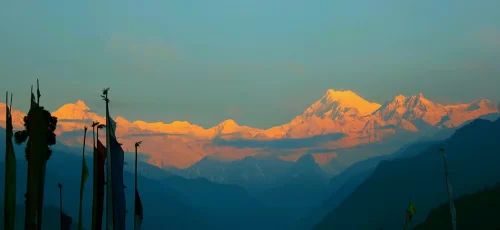
Gurudongmar Lake is a mesmerizing high-altitude lake in North Sikkim, attracting visitors with its pristine turquoise waters and dramatic Himalayan backdrop. The serene and tranquil atmosphere provides a sense of peace and awe, making it a must-visit destination for nature lovers and spiritual seekers alike.
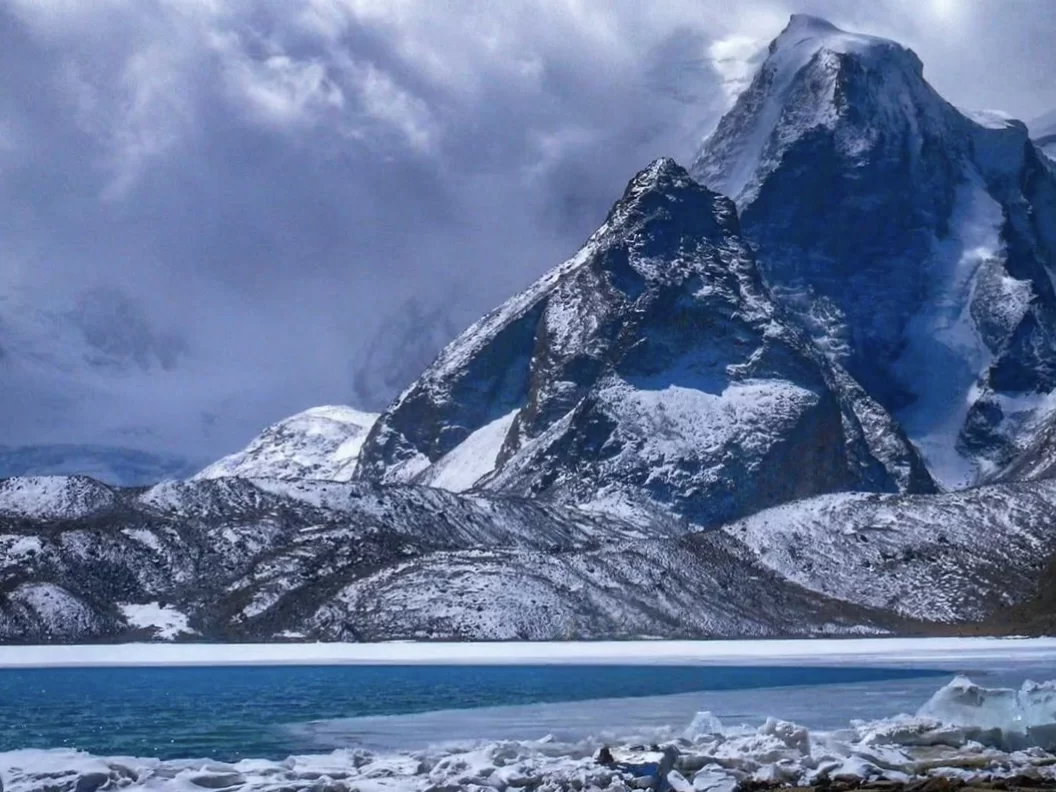
What makes it special is its combination of natural beauty and cultural significance. Surrounded by snow-capped mountains, the lake reflects the stunning landscape, creating a mirror-like effect perfect for photography. The sacred status of the lake among locals adds a unique spiritual dimension, while the high-altitude location offers adventure and a sense of achievement for travelers who make the journey. Gurudongmar Lake is an unforgettable destination for those seeking breathtaking views, serenity, and a connection with nature.
Cultural and Religious Significance
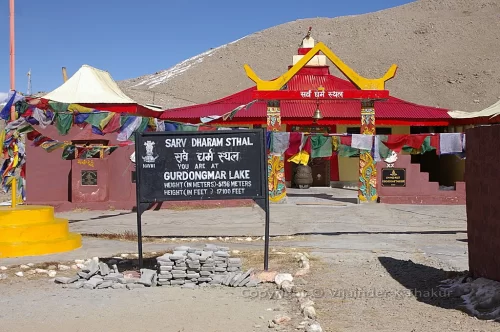
Gurudongmar Lake is considered sacred by the local Buddhist and Lepcha communities. The lake is believed to be blessed by Guru Padmasambhava, and locals often perform rituals and prayers at its banks. Pilgrims visit the lake to seek blessings, especially during auspicious days in the Buddhist calendar.
The spiritual aura of the lake adds a unique dimension to its natural beauty. Visitors not only witness stunning turquoise waters and snow-capped mountains but also experience the peaceful and reverent atmosphere maintained by the local communities. This blend of natural grandeur and cultural reverence makes Gurudongmar Lake an extraordinary destination in North Sikkim.
Best Time to Visit
The best time to visit Gurudongmar Lake is between April and October, when the weather is relatively mild and the lake is accessible. During these months, visitors can enjoy clear skies, stunning reflections in the lake, and safe travel conditions along the high-altitude roads.
- Spring (April–May): Snow begins to melt, revealing the turquoise waters of the lake and surrounding greenery. The weather is pleasant, ideal for sightseeing and photography.
- Summer (June–August): Temperatures remain mild, though occasional rain or clouds may slightly reduce visibility. The scenery is lush and vibrant during this period.
- Autumn (September–October): Clear skies and crisp air offer the best visibility of the Himalayan peaks. The lake appears especially vivid and reflective, perfect for photography.
- Winter (November–March): The area is extremely cold, roads may be closed due to snow, and accessibility is limited. While the snow-covered landscape is dramatic, this season is generally not recommended for casual visitors.
How to Reach
- By Air: The nearest airport is Bagdogra Airport in West Bengal, approximately 179 km from Gurudongmar Lake. From Bagdogra, travelers can hire private taxis or join organized tours to reach North Sikkim via Gangtok.
- By Train: The nearest railway station is New Jalpaiguri (NJP), around 180 km away. From NJP, private taxis or shared cabs can be arranged to reach the lake through scenic Himalayan roads.
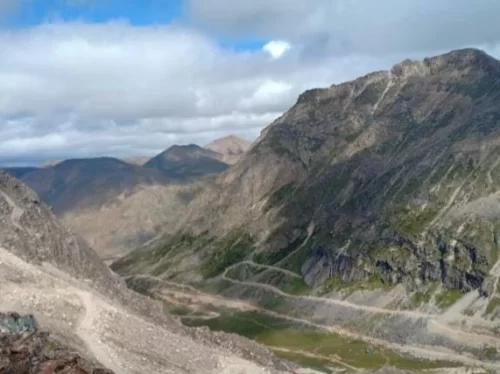
- By Road: Gurudongmar Lake is accessible via Gangtok and North Sikkim. Private vehicles or guided tours take approximately 6–7 hours from Gangtok. The journey passes through Chungthang and follows high-altitude mountain roads with breathtaking views.
- Last Mile Access: A short walk from the parking area to the lake is required. Due to high altitude, visitors should move slowly and take breaks as needed.
What to Expect When You Visit
- Breathtaking High-Altitude Scenery: Visitors will be greeted by crystal-clear turquoise waters surrounded by snow-capped Himalayan peaks, offering a truly majestic view.
- Spiritual and Cultural Ambience: The lake holds religious significance for local Buddhist and Lepcha communities, and visitors may observe rituals or pilgrims paying respects at the lake.
- High-Altitude Experience: At 5,430 meters, the thin air may cause mild altitude effects such as shortness of breath. Visitors are advised to acclimatize properly before visiting.
- Photography Opportunities: Early morning and late afternoon light provide the best conditions for landscape photography, capturing reflections of mountains and clouds in the lake.
- Wildlife and Flora: The surrounding terrain is home to alpine vegetation and Himalayan birds, adding to the natural charm of the location.
- Short Walk from Parking: After reaching the designated parking area, a short walk leads to the lake viewpoint. The path is easy but may be affected by snow in winter months.
Important Visitor Information
- Crowd & Weather Notes: Gurudongmar Lake is usually moderately visited, with more tourists during peak season (April–October). Weather can be cold and unpredictable due to high altitude, with temperatures dropping below freezing in winter.
- Peak / Quiet Hours: Early mornings (6:00 AM – 9:00 AM) and late afternoons (3:00 PM – 5:00 PM) offer quieter conditions and the best lighting for photography.
- Dress Code: Layered clothing, warm jackets, gloves, and sturdy shoes are recommended. Sunglasses and sun protection are advised due to high-altitude UV exposure.
- Safety Notes: Visitors should be cautious of altitude sickness and move slowly. Avoid strenuous activity immediately upon arrival, stay hydrated, and follow instructions from guides or local authorities. Snow and ice can make paths slippery in winter.
Photography and Viewpoint
- Main Lake View: The primary viewpoint offers a stunning panoramic view of Gurudongmar Lake with its turquoise waters reflecting the surrounding snow-capped peaks, ideal for wide-angle photography.
- Early Morning & Late Afternoon Light: Soft morning light enhances the lake’s turquoise hue, while late afternoon light adds warm tones to the mountains, perfect for dramatic landscape shots.
- Seasonal Variations: Spring and autumn provide clear skies and vivid colors, while winter’s snow-covered terrain creates striking monochromatic compositions for unique photography opportunities.
- Surrounding Flora and Wildlife: Alpine plants, moss-covered rocks, and Himalayan birds along the lake edge offer additional photography subjects and opportunities for nature enthusiasts.
- Reflection Shots: Calm weather often creates mirror-like reflections of the mountains in the lake, a must-capture for landscape photographers.
- Photography Tips: Use a wide-angle lens for landscapes, a tripod for long-exposure shots, and carry polarizing filters to reduce glare from the water surface. Respect local customs and avoid disturbing pilgrims or wildlife while shooting.