All you need to know about Sikkim

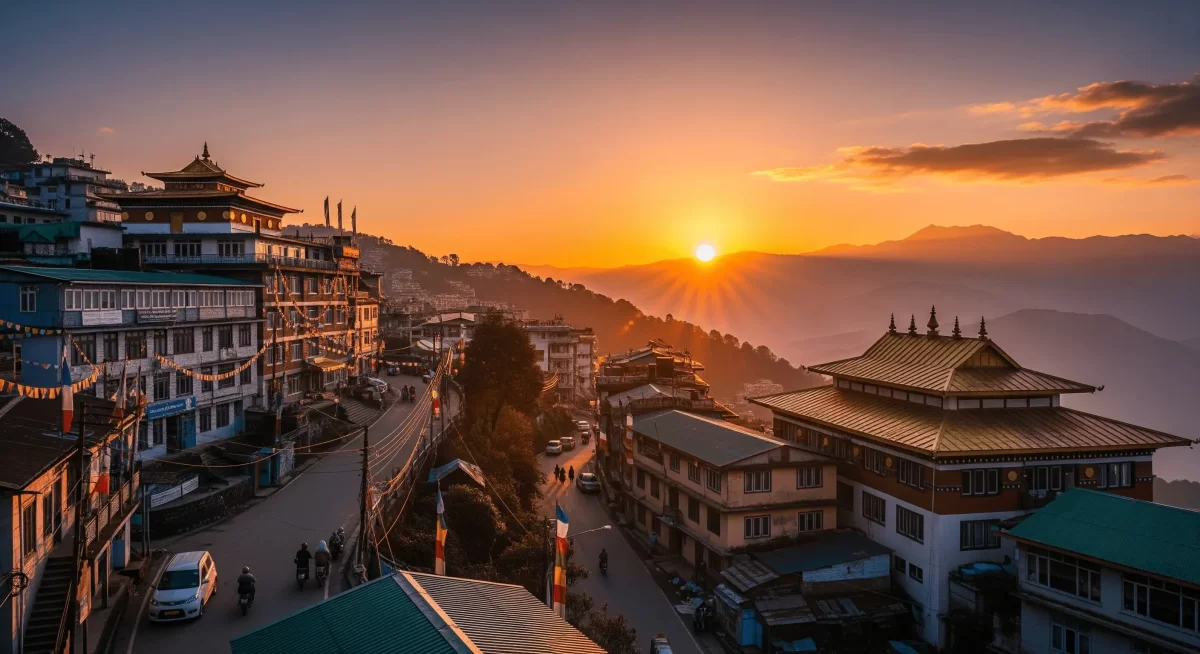
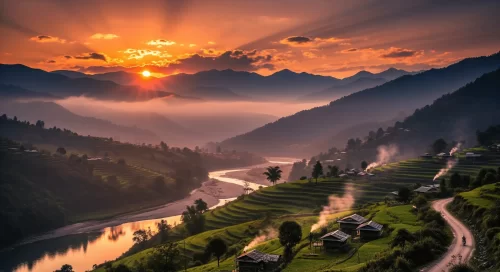
Sikkim is a compact Himalayan state where mountain landscapes, Buddhist culture, and clean, well-managed surroundings define the travel experience. Snow-fed rivers, forested valleys, alpine meadows, and high-altitude passes shape its geography, offering a mix of scenic drives and slow-paced exploration. The atmosphere feels calm and organized, with a strong emphasis on sustainability and responsible tourism.

Travelers visit Sikkim for its fresh mountain air, monastery culture, dramatic viewpoints, and peaceful environment. The travel vibe is relaxed rather than rushed, making it suitable for families, couples, and nature-focused explorers looking for altitude, culture, and quiet Himalayan scenery in one journey.

What Makes Sikkim a Unique Travel Region

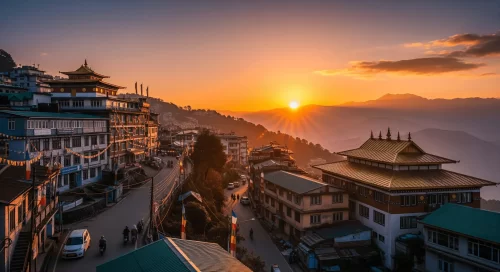
Sikkim stands apart as a compact Himalayan state where dramatic mountain landscapes meet deeply rooted Buddhist culture and a strong ecological ethic. Snow peaks, alpine lakes, dense forests, and terraced valleys exist within short driving distances, creating constant changes in scenery. Travel here feels slower and more mindful, shaped by monasteries, prayer flags, and small mountain communities. Unlike many crowded hill destinations, Sikkim offers controlled tourism, cleaner towns, and a sense of balance between nature and local life, making it ideal for travelers seeking mountain serenity with cultural depth.

  • Geography: Eastern Himalayan terrain with high mountain passes, glaciers, alpine lakes, and lush valleys.
  • Culture: Strong Buddhist influence blended with Nepali, Bhutia, and Lepcha traditions.
  • Travel vibe: Peaceful, regulated, nature-focused, and less commercial than many hill states.
  • Distinct experience type: High-altitude mountain exploration combined with monastery visits and eco-conscious travel.

Types of Destinations You’ll Find in Sikkim

  • High-altitude hill regions with alpine terrain and panoramic mountain landscapes
  • Traditional heritage towns reflecting Himalayan culture and monastic architecture
  • Spiritual areas centered around Buddhist monasteries and sacred sites
  • Protected nature and wildlife zones with rare Himalayan flora and fauna
  • Remote border landscapes featuring glacial lakes, mountain passes, and rugged valleys

Popular Tourist Circuits Across Sikkim

Travel in Sikkim is structured around altitude-based zones and road-access corridors rather than short-distance sightseeing loops. The state has steep mountain terrain, narrow roads, and weather-sensitive routes, especially in higher elevation regions. Travel times are longer than map distances suggest. Certain high-altitude areas require government permits, and acclimatization becomes important above 2,500 meters. Seasonal road closures due to snow or landslides are common, particularly during winter and monsoon. It is not practical or safe to attempt the entire state in one or two days; travel should be paced region by region with realistic buffer time.

Circuit Type Areas Covered (generic descriptions only, no place names) Ideal Duration (realistic and safety based) Travel Style
Lower Elevation Cultural Circuit Foothill towns, river valleys, monasteries, gardens, and moderate altitude viewpoints 3–4 days Road-based travel with short walks and cultural exploration
Mid-Altitude Mountain Circuit Hill towns, alpine forests, lakes, monasteries, and scenic passes at moderate elevation 4–6 days Leisure road journey with gradual altitude gain and light nature walks
High-Altitude Plateau Circuit Remote border regions, high mountain lakes, snow-prone passes, and sparse settlements 3–4 days (after acclimatization) Permit-based travel with limited infrastructure and weather-dependent movement
Rural and Village Exploration Circuit Traditional villages, agricultural landscapes, forest trails, and community homestay regions 3–5 days Slow travel with short hikes and local cultural immersion
Extended State Combination Circuit Lower valleys, mid-altitude hills, and one high-elevation region combined gradually 7–10 days Phased road journey with altitude management and flexible scheduling

Best Time to Travel to Sikkim

The best time to travel to Sikkim depends on your comfort preference, scenery expectations, and the kind of mountain experience you wish to enjoy.

Season Months Weather Conditions Travel Suitability
Spring March to May Pleasant temperatures with clear skies and blooming landscapes Ideal for comfortable sightseeing, photography, and enjoying fresh mountain air with moderate daytime temperatures
Summer June to September Cool mountain climate with regular rainfall and misty views Suitable for travelers who enjoy lush greenery, peaceful surroundings, and fewer crowds during their visit
Autumn October to November Crisp air, stable weather, and excellent visibility of Himalayan ranges Highly suitable for scenic views, cultural experiences, and comfortable travel conditions
Winter December to February Cold temperatures with occasional snowfall in higher elevations Best for travelers who appreciate a quieter atmosphere and enjoy experiencing snow-covered landscapes

How Many Days Do You Need to Explore Sikkim

Trip Duration What You Can Experience Best For
4–5 Days A short but balanced introduction covering scenic mountain drives, monastery visits, high-altitude viewpoints, and local culture at a relaxed pace without constant travel. First-time visitors with limited leave who want a comfortable overview without feeling rushed.
6–7 Days A well-paced exploration allowing time for varied landscapes, alpine lakes, cultural immersion, and moderate altitude adjustment with proper rest intervals. Couples, families, and travelers seeking depth while maintaining comfort and manageable travel hours.
8–10 Days A comprehensive experience across diverse terrain, rural mountain life, scenic valleys, and optional soft adventure activities, with enough time to adapt to altitude and weather shifts. Nature-focused travelers and photographers who prefer immersive travel rather than quick transitions.
11–14 Days A slow and meaningful journey covering remote regions, changing ecosystems, traditional communities, and flexible buffer days for weather-related delays common in mountain states. Explorers, slow travelers, and those prioritizing cultural understanding and landscape diversity over fast sightseeing.

How Travelers Usually Explore Sikkim

Most travelers enter Sikkim via Bagdogra Airport or New Jalpaiguri Railway Station in West Bengal, followed by a scenic hill drive to Gangtok, which serves as the primary base. From Gangtok, visitors gradually move toward North, East, or West Sikkim depending on permits and road conditions. Travel pacing is typically slow due to mountain terrain, weather variations, and altitude changes, with itineraries structured around short driving hours and overnight halts in key towns rather than long continuous journeys.

  • Road Travel: Primary mode of exploration; shared jeeps and private SUVs operate between Gangtok, Lachung, Lachen, Pelling, and other towns.
  • Rail: Nearest major railhead is New Jalpaiguri (NJP); no active railway network within Sikkim’s interior yet.
  • Local Transport: Reserved taxis dominate; self-drive options are limited due to terrain and permit requirements.
  • Day Trips vs Circuits: East Sikkim suits day trips from Gangtok, while North and West Sikkim require multi-day circuit travel with planned overnight stays.

Culture, Food & Everyday Life in Sikkim

Life in Sikkim is shaped by steep mountains, fragile ecosystems, and a cool alpine climate that encourages simplicity and community cooperation. Daily routines follow daylight and weather patterns, with early mornings, seasonal farming, and strong respect for nature. Social behavior is generally calm, soft-spoken, and community-oriented, influenced by Buddhist values of balance and harmony alongside diverse ethnic traditions that coexist peacefully. Food reflects nourishment suited for high altitudes — warm, fermented, steamed, and locally grown ingredients dominate meals, designed to sustain energy in colder conditions. The pace of life feels unhurried compared to large urban regions; visitors often notice emotional warmth, quiet discipline, and an understated hospitality that values mutual respect over display.

  • Mountain-influenced, eco-conscious lifestyle
  • Soft-spoken, community-driven social culture
  • Simple, warming, fermentation-based food habits
  • Slow, reflective pace shaped by altitude and climate

Festivals & Seasonal Travel Experiences in Sikkim

Season Festival / Experience Type Travel Atmosphere
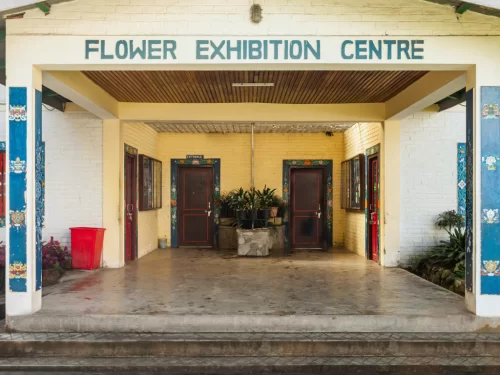
Spring (March–May) Losar (Tibetan New Year), International Flower Festival Clear mountain views, blooming rhododendrons and orchids, pleasant temperatures, vibrant monastery celebrations with traditional mask dances.
Summer (June–September) Saga Dawa (Buddhist festival), monsoon landscape experiences Lush green valleys, frequent rainfall especially in lower regions, misty hills, quieter tourist flow with occasional road delays due to landslides.
Autumn (October–November) Dashain, Tihar, Pang Lhabsol Stable weather, sharp Himalayan visibility including Kanchenjunga views, festive local markets, cultural rituals honoring Mount Kanchenjunga.
Winter (December–February) Maghe Sankranti, snow experiences in North Sikkim Cold temperatures, possible snowfall in higher altitudes like Lachung and Lachen, limited access in extreme weather, peaceful monasteries and fewer crowds.

Travel Conditions, Weather & Practical Tips for Sikkim

  • Weather in Sikkim changes quickly, especially in higher areas like North Sikkim and Nathula. Clear mornings can turn into fog or rain by afternoon. Monsoon months (June to September) bring heavy rainfall and frequent landslides that may delay road travel.
  • Altitude varies significantly across Sikkim. Gangtok sits at moderate height, but places like Tsomgo Lake, Lachung, Lachen, and Gurudongmar Lake are high altitude zones where oxygen levels drop. Travelers may experience breathlessness, headaches, or fatigue. Gradual acclimatization and avoiding rapid ascents are important.
  • Winter temperatures in North and East Sikkim can fall below freezing. Snowfall is common in higher regions, and roads may temporarily close. Even in summer, evenings can feel cold in hill areas.
  • Mobile connectivity is stable in Gangtok and major towns, mainly on postpaid connections. In remote regions of North Sikkim, network coverage is weak or unavailable. Internet speed is limited outside urban centers.
  • Packing should include layered clothing, a warm jacket even in summer, rain protection during monsoon, comfortable walking shoes, sunscreen for high UV exposure, and any personal medication. In high-altitude regions, avoid heavy physical activity on the first day.

Is Sikkim Right for Your Travel Style?

  • Families: Comfortable hill towns like Gangtok and Pelling offer easy sightseeing, scenic cable car rides, monasteries, and lake visits suitable for children. Travel distances can be long and winding, so planning relaxed itineraries works best.
  • Couples: Quiet mountain views, monastery settings, lakes such as Tsomgo, and boutique hillside stays make Sikkim ideal for peaceful, scenic getaways rather than nightlife-focused trips.
  • Seniors: Suitable for travelers comfortable with moderate altitude and mountain roads. Central Gangtok and Ravangla areas are easier to manage, but higher-altitude places like North Sikkim require medical caution.
  • Adventure Seekers: Strong fit for trekking (Goechala region), river rafting in Teesta, mountain biking, and high-altitude road journeys toward Gurudongmar and Nathula.
  • Solo Travellers: Safe, culturally respectful environment with well-connected shared taxis and hostels in Gangtok. Ideal for nature-focused and slow travel experiences.

Explore - Place to Visit, Activity to do & Food to try

Khecheopalri Lake Sikkim sacred Buddhist lake surrounded by lush forest and serene Himalayan landscape Lake

Khecheopalri Lake

Khecheopalri Lake, also known as “Wish-Fulfilling Lake,” is a serene and sacred natural spot in Sikkim, surrounded by lush forests and spiritual significance.

Sikkim Himalayan Zoological Park Gangtok wildlife sanctuary with red pandas in natural Himalayan habitat Zoo

Sikkim Himalayan Zoological Park

Sikkim Himalayan Zoological Park in Gangtok is a high-altitude conservation zoo home to rare Himalayan species, including snow leopards, red pandas, and Himalayan black bears.

Tso Lhamo Lake North Sikkim high altitude glacial lake with snow clad Himalayan peaks and alpine landscape Lake

Tso Lhamo Lake

Tso Lhamo Lake is a stunning high-altitude lake in North Sikkim, known for its serene beauty and breathtaking Himalayan surroundings.

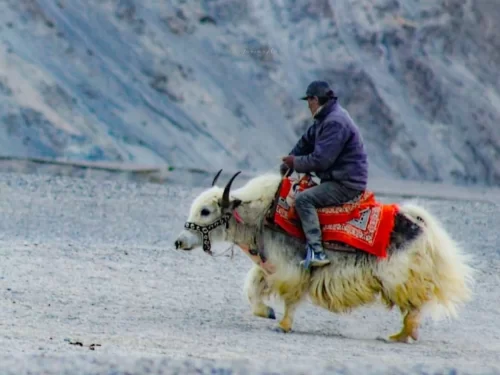
Yak Ride experience featuring a man riding a decorated white yak across a barren mountainous landscape, with rocky hills in the background creating a scenic high-altitude setting.
Price: ₹300 – ₹700 PP
Gangtok
Yak Ride
Bird Watching Two people enjoying bird watching in a lush green park, one using binoculars while the other points ahead beside a spotting scope on a tripod.
Price: ₹800 – ₹2,500 PP
Gangtok
Bird Watching
Mountain Biking rider speeding downhill on a rugged dirt trail across an open hillside landscape.
Price: ₹1,000 – ₹3,000 PP
Gangtok
Mountain Biking
Chhang in mildly fermented millet drink with rice grain garnish, authentic Indian traditional beverage, refreshing Indian cuisine delight.
Chhang
Chhang is a traditional Himalayan fermented millet beer served in a bamboo vessel and sipped through a slender wooden straw.
Chhurpi in firm fermented cheese cubes with natural rind, authentic Indian Himalayan dairy snack, traditional Indian cuisine delight.
Chhurpi
Chhurpi is a traditional Himalayan cheese made from yak or cow milk, available in both a soft, tangy version and a famous rock-hard, long-lasting variety.
Steamed Momos stuffed with spiced vegetables, garnished with cilantro and served with fiery red chutney, authentic Indian Himalayan street food delight.
Momos
In Sikkim, Momos are much more than a dish they are a cultural heartbeat. While they traveled across the borders from Tibet, it was in the Himalayan kitchens of Sikkim that they were refined into the delicate, succulent dumplings that have now captured the imagination of the entire country.

Frequently Asked Questions

Sikkim is known for its Himalayan landscapes, peaceful environment, monasteries, mountain culture, and strong focus on nature and sustainability.
Sikkim offers a calm, nature-driven travel experience centered on mountains, culture, spirituality, and slow exploration.
Sikkim includes high-altitude regions, mountain valleys, forest zones, cultural areas, and border landscapes spread across the state.
Signature travel themes include mountain travel, monastery visits, nature exploration, cultural immersion, and eco-friendly journeys.
Yes, Sikkim is well suited for mountain and high-altitude travel, requiring thoughtful pacing and acclimatization.
Sikkim has strong spiritual and cultural importance through its monasteries, festivals, and Himalayan traditions.
Sikkim?s cultural identity is shaped by Buddhist heritage, mountain communities, traditional festivals, and respect for nature.
Sikkim celebrates cultural and religious festivals linked to monasteries, seasonal cycles, and local traditions.
The best time to visit Sikkim is from March to June and from September to November for clear weather and accessible travel.
An ideal Sikkim trip usually requires 6 to 10 days to explore landscapes and cultural regions comfortably.
Travel within Sikkim is mainly by road, with mountainous terrain requiring careful time and route planning.
Sikkim is suitable for families who enjoy nature, culture, and peaceful travel experiences.
Sikkim suits travelers interested in nature, photography, culture, offbeat destinations, and mindful travel.
Yes, Sikkim is excellent for nature and scenic travel, offering mountains, forests, rivers, and panoramic viewpoints.
Sikkim offers accommodations including hotels, guesthouses, homestays, eco-stays, and limited luxury options.
Sikkim is generally safe for tourists, with a calm environment and well-managed tourism practices.
Yes, Sikkim is ideal for slow travel, allowing visitors to connect deeply with landscapes and culture.
Sikkim is often combined with nearby eastern or Himalayan states for extended mountain journeys.
Sikkim is moderately crowded in peak seasons, while off-season travel offers quieter experiences.
Travelers choose Sikkim for its pristine landscapes, peaceful atmosphere, cultural depth, and unique Himalayan experience.

Loved this place ? Let’s Plan Your Sikkim Trip

⚡ Quick Response | 💰 Free consultation | 🕒 24×7 expert support

×

Plan Your Trip