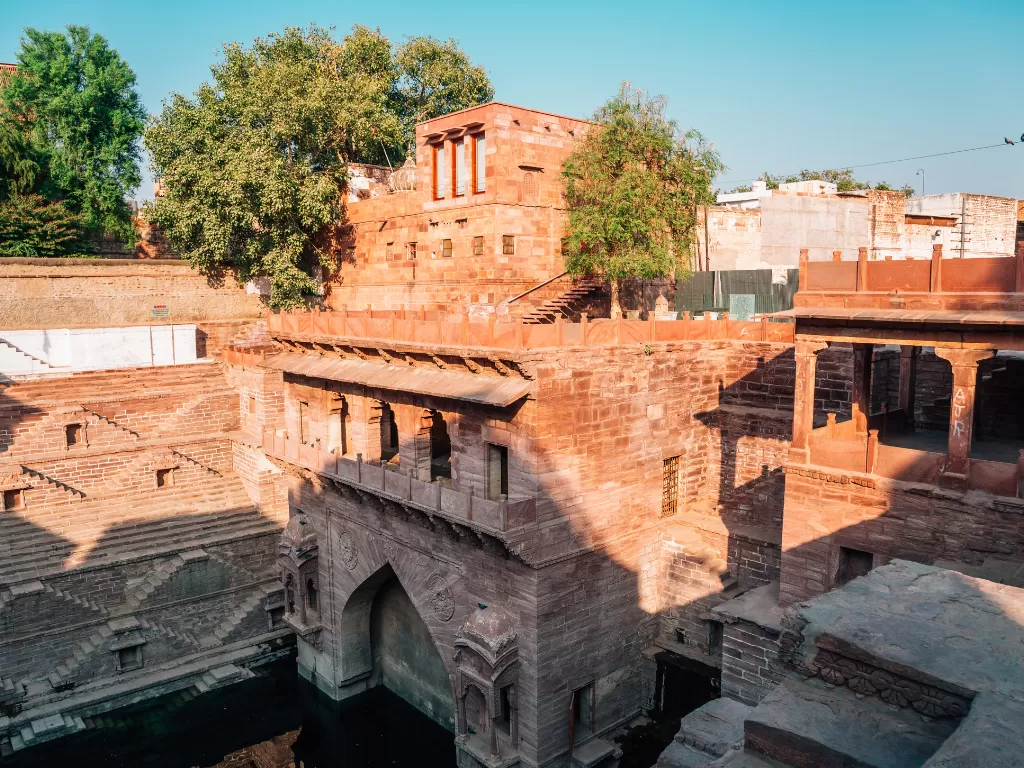
Toorji Ka Jhalra Bavdi, Jodhpur, Rajasthan, India

Toorji Ka Jhalra Bavdi , Jodhpur
Tourists visit to see traditional stepwell architecture and experience a quiet heritage space within the old city. It is commonly explored during walking routes around the blue city neighborhoods and nearby heritage sites. The stepwell also serves as a resting point within the dense urban landscape.

Quick Facts About Toorji Ka Jhalra Bavdi

Quick Facts – Toorji Ka Jhalra Bavdi

Entry Fee Free
Timings Open access; daylight hours recommended for safe entry and visibility
Altitude (m) 231 m
Ideal Visit Duration 20–30 minutes
Best Time of Day Morning and late afternoon for shade and softer light
Crowd Level Moderate; increases during tourist season and evenings
Distance from City Centre (km) 0.3 km from Ghanta Ghar (Clock Tower)
Walking Difficulty Moderate; uneven stone steps and narrow stairways
Parking Available No direct parking; nearest paid parking near Clock Tower area
Last Mile Access On foot through narrow old city lanes
Suitable for Kids Yes, with supervision due to open edges and steps
Suitable for Seniors Limited; steep steps and lack of handrails
Wheelchair Friendly No

Why Visit Toorji Ka Jhalra Bavdi

Visitors come to Toorji Ka Jhalra Bavdi to see a restored stepwell integrated into the daily life of Jodhpur’s old city, offering direct access to its architecture and street-level surroundings.

The on-ground atmosphere is active and local, with nearby cafés, residents, and visitors moving through the narrow lanes, and people sitting on the steps throughout the day.

What makes this place distinct is its open access within a living neighborhood, where the stepwell functions as both a heritage structure and a public gathering space rather than a controlled monument site.

History of Toorji Ka Jhalra Bavdi

Toorji Ka Jhalra Bavdi was constructed in the 1740s during the reign of Maharaja Abhay Singh of Jodhpur, commissioned by his queen, Maharani Toorji, as a public stepwell for water access.

The structure functioned as a community water source for the surrounding old city neighborhoods, built with carved red sandstone steps and symmetrical descending levels typical of Marwar-era stepwells.

After years of neglect and partial burial, the stepwell was excavated and restored in the 2010s, making it accessible again as an urban heritage site integrated into the modern street network of Jodhpur.

Best Time to Visit Toorji Ka Jhalra Bavdi

Toorji Ka Jhalra Bavdi is best visited during the cooler months when walking through the old city lanes and descending the stone steps of the stepwell is physically comfortable and safe.
  • Ideal months: October to March, when temperatures remain moderate and movement around the stepwell and nearby streets is easier.
  • Best season conditions: Clear skies, lower humidity, and stable daylight allow safe access to lower levels of the stepwell and better visibility of architectural details.
  • Periods to avoid: April to June due to extreme heat and high stone surface temperatures, and July to September during monsoon when steps can become slippery and lower levels may have water accumulation.

How to Reach Toorji Ka Jhalra Bavdi

  • Nearest airport: Jodhpur Airport, approximately 5 km away; taxis and app-based cabs are available, but vehicles usually stop at main roads due to old city lane restrictions.
  • Nearest railway station: Jodhpur Junction, about 2 km away; auto-rickshaws and taxis can reach the nearby main access points.
  • Road access and last-mile connectivity: Located inside Jodhpur’s old city near Gulab Sagar; private vehicles cannot reach the stepwell directly due to narrow lanes, with the final stretch typically done on foot from the nearest drop-off point.

What to Expect When You Visit Toorji Ka Jhalra Bavdi

  • Environment and surroundings: The stepwell is set within a dense old-city neighborhood near Gulab Sagar, surrounded by narrow lanes, local shops, cafés, and residential buildings, with constant street activity and noise.
  • Facilities and amenities: There are no official ticket counters, restrooms, or visitor facilities at the site; basic amenities are available only at nearby cafés and shops in the surrounding lanes.
  • Accessibility and movement: Access involves walking through uneven stone pathways and steps; the stepwell has steep staircases, no railings in many sections, and limited space for movement during busy hours.
  • Typical visitor behavior and conditions: Visitors often sit on the steps, take photos, and spend short periods exploring; local residents also use the area as a social space, making the site feel active rather than quiet.

Important Visitor Information for Toorji Ka Jhalra Bavdi

  • Crowd and weather notes: The stepwell area becomes busy in the late afternoon and evening due to nearby cafés and local foot traffic; summer afternoons can be extremely hot, with limited shade inside the structure.
  • Peak and quiet visiting hours: Peak hours are typically 4:00 pm to 8:00 pm; quieter conditions are usually found early morning between 7:00 am and 9:00 am.
  • Dress code: No formal dress code applies, but modest clothing is advisable as the site is located within a residential old-city neighborhood.
  • Safety notes and practical cautions: Stone steps can be slippery, especially after rain; there are open edges, uneven surfaces, and no safety barriers in many areas, requiring careful movement and supervision of children.

Photography and Viewpoints at Toorji Ka Jhalra Bavdi

  • Best viewpoints: The upper platform edges provide full-structure views of the stepwell geometry; mid-level steps offer layered compositions of arches, niches, and descending stair symmetry; ground-level views highlight water reflections and vertical stone walls.
  • Lighting conditions: Soft natural light occurs in the early morning when the well is shaded; late afternoon creates strong contrast and shadow patterns on the stepped walls; midday light is harsh due to direct overhead sun.
  • Photography rules: No formal restrictions on personal photography; tripods and professional equipment may attract attention due to narrow access paths and local foot traffic.
  • Crowd and access factors: Café visitors and local residents often occupy the upper edges and steps in the evening, limiting clear sightlines; narrow stairways restrict movement and framing options during busy hours.

Near By Attraction

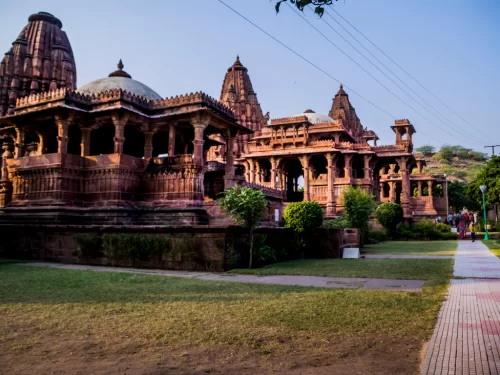
Mandore Garden temples at Jodhpur during sunny day, featuring red sandstone shikharas, domes, pavilions, lawns, perfect heritage experience Rajasthan tour packages. Garden

Mandore Garden

Mandore Garden is a historic public garden and heritage complex located in Mandore, on the outskirts of Jodhpur, Rajasthan.
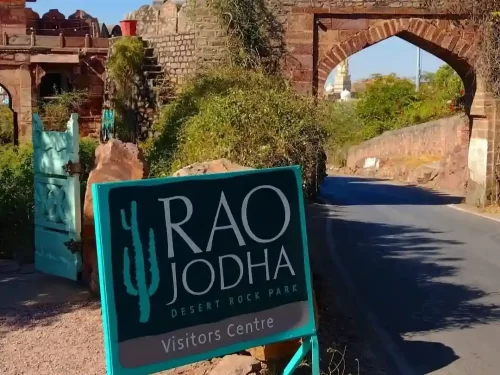
Rao Jodha Desert Rock Park Jodhpur Ecologically restored volcanic wasteland featuring native lithophytic plants and trails through 72-hectare rhyolite rock formations Rajasthan. National Park

Rao Jodha Desert Rock Park

A rocky desert park located at the base of Mehrangarh Fort in Jodhpur.

Kaylana Lake Jodhpur Massive artificial lake with golden rocky hills and scenic sunset viewpoints in Rajasthan. Lake

Kaylana Lake

Kaylana Lake is an artificial freshwater reservoir located on the outskirts of Jodhpur

Frequently Asked Questions About Toorji Ka Jhalra Bavdi

Toorji Ka Jhalra Bavdi is located in the old city area of Jodhpur near the Clock Tower and is easily accessible by road and on foot.
Toorji Ka Jhalra Bavdi is generally open throughout the day, and visitors can explore the stepwell during daylight hours.
There is no entry fee to visit Toorji Ka Jhalra Bavdi, making it a convenient heritage stop.
The best time to visit Toorji Ka Jhalra Bavdi is between October and March when the weather is comfortable for walking tours.
Travelers can reach Toorji Ka Jhalra Bavdi by auto rickshaw, taxi, or by walking from nearby markets in Jodhpur.
Most visitors spend around 30 to 45 minutes at Toorji Ka Jhalra Bavdi while exploring the architecture and taking photographs.
Photography is allowed at Toorji Ka Jhalra Bavdi, and it is a popular spot for heritage and architectural photography.
Toorji Ka Jhalra Bavdi is suitable for family visits, though visitors should be cautious on the stone steps.
Basic facilities such as cafes, shops, and restrooms are available in the surrounding old city area near Toorji Ka Jhalra Bavdi.
Toorji Ka Jhalra Bavdi can easily be included in a walking tour itinerary along with nearby markets and historical landmarks.

Loved this place ? Let’s Plan Your Rajasthan Trip

Get customized Rajasthan tour planning designed around desert climate comfort, long-distance road travel flow, heritage exploration time, and realistic pacing between regions. Whether you are visiting for fort architecture, palace heritage, cultural exper

⚑ Quick Response | πŸ’° Free consultation | πŸ•’ 24Γ—7 expert support

×

Plan Your Trip