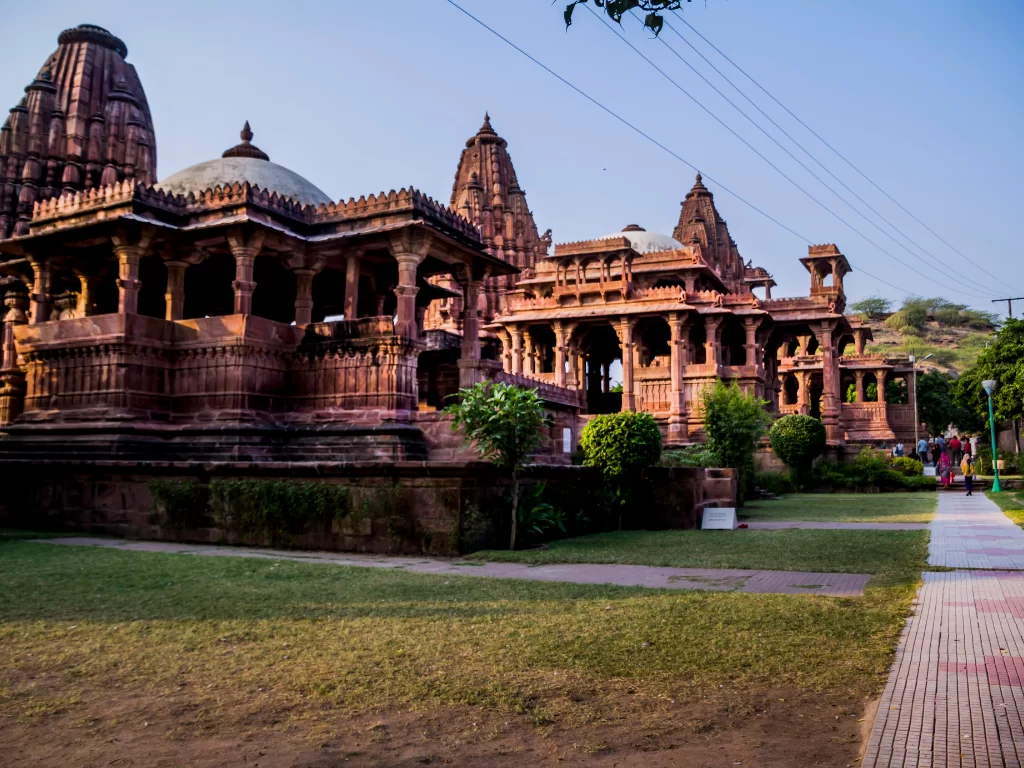
Mandore Garden, Jodhpur, Rajasthan, India

Mandore Garden , Jodhpur
Tourists visit Mandore Garden to see its royal cenotaphs, ancient temples, memorial structures, and landscaped grounds that reflect the former capital of the Marwar kingdom. The site offers a mix of history, architecture, and open green spaces for walking and exploration.

Quick Facts About Mandore Garden

Entry Fee Free
Timings 8:00 AM - 8:00 PM
Altitude (m) 230
Ideal Visit Duration (hrs) 1-2
Best Time of Day Early Morning or Late Afternoon
Crowd Level Low to Moderate
Distance from City Centre (km) 9
Walking Difficulty Easy
Parking Available Yes
Last Mile Access Road + Walk
Suitable for Kids Yes
Suitable for Seniors Yes
Wheelchair Friendly No

Why Visit Mandore Garden, Jodhpur

Visitors come to Mandore Garden to see its open heritage complex of cenotaphs, temples, and memorial structures set within a large landscaped public park. It offers a quieter alternative to Jodhpur’s main monuments, allowing tourists to explore architecture and outdoor spaces without heavy crowds.

The on-ground atmosphere is calm and local in character, with residents using the garden for walking, sitting, and family outings alongside tourists. The space feels more like a public park than a managed tourist site, with shaded areas, open lawns, and informal movement rather than fixed visitor routes.

What makes Mandore Garden distinct is its combination of everyday local use and heritage structures in a single open-access setting. Travelers experience both a functioning community space and a historical landscape, rather than a controlled monument complex, making the visit feel informal and unstructured.

History of Mandore Garden, Jodhpur

Mandore Garden is built around the historic site of Mandore, which served as the former capital of the Marwar region before the rulers shifted their seat to Jodhpur. The area retains architectural and cultural remains from this early phase of Marwar’s ???? (rule), making it one of the oldest heritage zones connected to Jodhpur’s royal history.

The garden complex contains royal cenotaphs (chhatris), memorials, and temples dedicated to former rulers and deities, constructed over different periods. These structures were not designed as a single planned monument but developed gradually as commemorative and religious sites, which is why the layout feels open and scattered rather than formally structured.

Today, Mandore Garden functions as a public heritage space rather than a preserved monument complex. Its historical value lies in its role as the original royal seat of Marwar and as a memorial landscape that reflects the region’s early political and cultural foundations, rather than in large-scale fortifications or palatial architecture.

Best Time to Visit Mandore Garden, Jodhpur

Mandore Garden is an open-air heritage park, and the overall visiting experience depends heavily on Jodhpur’s climate and sun exposure. Comfortable weather makes a significant difference, as most of the exploration involves walking through open grounds and heritage structures.
  • Ideal Months: October to March, when temperatures are mild and suitable for outdoor walking and sightseeing.
  • Best Season Conditions: Pleasant daytime weather with lower heat levels, making it easier to explore garden paths, cenotaph areas, and temple surroundings without fatigue.
  • Periods to Avoid: April to June due to extreme heat and strong sunlight; July to September can be humid, and occasional rainfall may make certain areas uncomfortable or slippery.

How to Reach Mandore Garden, Jodhpur

  • Nearest Airport: Jodhpur Airport (JDH) is approximately 15 km from Mandore Garden. It has regular domestic flight connections with Delhi, Mumbai, Jaipur, and Udaipur. From the airport, taxis and app-based cabs are available, with typical travel time ranging from 30 to 40 minutes depending on city traffic and road conditions.
  • Nearest Railway Station: Jodhpur Junction Railway Station is about 9 km from Mandore Garden and is a major railhead in western Rajasthan, connected to cities such as Delhi, Jaipur, Jaisalmer, Ahmedabad, and Mumbai. Auto-rickshaws, taxis, and local transport are available outside the station, with travel time usually 25–30 minutes.
  • Road Access & Last-Mile Connectivity: Mandore Garden is located in Mandore town, north of Jodhpur city, and is accessible by Mandore Road via local city roads and state highways. The area is reachable by private vehicles, taxis, auto-rickshaws, and local buses from central Jodhpur. Vehicles can reach the main entrance directly, and parking is available nearby. Internal access is fully on foot through paved paths, garden walkways, and heritage zones. During weekends and local holidays, traffic congestion on Mandore Road and limited parking space near the entrance can slow last-mile access.

What to Expect When You Visit Mandore Garden, Jodhpur

  • Environment and Surroundings: Mandore Garden is a large open public garden with lawns, trees, paved walkways, and scattered heritage structures such as cenotaphs, temples, and memorial platforms. The surroundings are semi-urban, with residential areas and local activity nearby, and the site feels more like a public park than a controlled monument complex.
  • Facilities and Amenities: Basic amenities such as public toilets, seating areas, and drinking water points are available, but facilities are limited and not uniformly maintained across the garden. Small local vendors may operate outside the entrance, but there are no organized cafés or official food courts inside the complex.
  • Accessibility and Movement: Movement within the garden is on foot along paved paths, open lawns, and stone walkways. Some sections around cenotaphs and temples involve steps and uneven surfaces. While most main paths are easy to walk, certain heritage structures require climbing stairs, making full access difficult for visitors with mobility limitations.
  • Typical Visitor Behavior and Conditions: The garden is commonly used by local residents for walking, relaxation, and family outings, alongside tourists. It is not heavily regulated, and visitor movement is informal without fixed routes or guided pathways. Weekends and evenings tend to be busier, while weekdays and mornings are quieter and more relaxed.

Important Visitor Information for Mandore Garden, Jodhpur

  • Crowd and Weather Notes: Mandore Garden is generally not overcrowded, but local footfall increases in the evenings, on weekends, and during school holidays. Weather conditions in Jodhpur are extreme in summer (April–June), with high temperatures and strong sun exposure, while winter months are mild and more comfortable for walking. During monsoon season, parts of the garden may become muddy or waterlogged.
  • Peak and Quiet Visiting Hours: Evenings (after 4:30 pm) are the busiest due to local visitors and families. Early mornings are typically the quietest period, offering a calmer environment for walking and photography. Midday hours see low crowds but can be physically uncomfortable in hot weather.
  • Dress Code: There is no formal dress code. Visitors usually wear casual, practical clothing suitable for outdoor walking. Modest attire is advisable when entering temple areas within the garden complex.
  • Safety Notes and Practical Cautions: Some sections contain uneven stone paths, steps, and open platforms without railings, which can pose a fall risk, especially for children and seniors. Stray animals and monkeys may be present in parts of the garden area. Limited lighting in some sections after sunset can affect visibility, making evening visits less suitable for exploring interior pathways.

Photography and Viewpoints at Mandore Garden, Jodhpur

  • Best Viewpoints and Angles: The cenotaph complex (chhatris) provides the most structured architectural compositions, especially the red sandstone memorial platforms and carved pillars. Elevated platforms near the main memorial zone offer wide-angle views across the garden lawns and surrounding Mandore area. Temple courtyards and statue clusters also serve as focal points for detail and documentary-style photography.
  • Lighting and Time-of-Day Conditions: Early morning light offers soft illumination on the cenotaphs and temples with minimal crowd presence. Late afternoon light creates warm tones on stone structures and shaded garden areas. Midday lighting is harsh, with strong shadows and glare due to open spaces and limited tree cover in some sections.
  • Rules and Restrictions: Personal photography is generally allowed throughout Mandore Garden. There are no formal restrictions for mobile or handheld cameras. Professional or commercial photography setups may require local permission, especially near temple areas or during events.
  • Crowd and Access Factors: Weekday mornings provide the least interruption for photography. Evenings and weekends bring higher local footfall, especially around temple zones and central garden paths, which can limit clear shots. Some viewpoints involve steps and uneven stone platforms, restricting tripod use and stable positioning in certain areas.

Near By Attraction

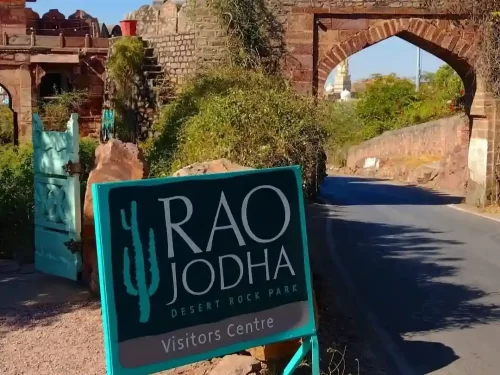
Rao Jodha Desert Rock Park Jodhpur Ecologically restored volcanic wasteland featuring native lithophytic plants and trails through 72-hectare rhyolite rock formations Rajasthan. National Park

Rao Jodha Desert Rock Park

A rocky desert park located at the base of Mehrangarh Fort in Jodhpur.
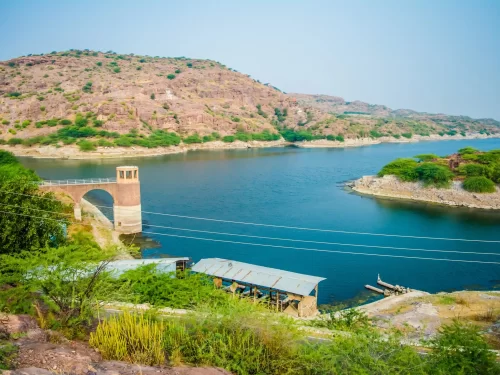
Kaylana Lake Jodhpur Massive artificial lake with golden rocky hills and scenic sunset viewpoints in Rajasthan. Lake

Kaylana Lake

Kaylana Lake is an artificial freshwater reservoir located on the outskirts of Jodhpur

Machia Biological Park Jodhpur Arid safari park featuring desert wildlife like leopards tigers and monitor lizards Rajasthan. Zoo

Machia Biological Park

A wildlife conservation park that houses a variety of native and exotic animal species.

Frequently Asked Questions About Mandore Garden

Mandore Garden is located about 9 kilometers from Jodhpur city in Rajasthan and is easily accessible by road.
Mandore Garden is generally open from morning to evening, and visitors should check locally for updated seasonal timings.
There is no major entry fee for Mandore Garden, though separate charges may apply for specific attractions within the complex.
The best time to visit Mandore Garden is between October and March when the weather in Rajasthan is pleasant for outdoor sightseeing.
Travelers can reach Mandore Garden by taxi, auto rickshaw, or private vehicle from Jodhpur, which is well connected by road, rail, and air.
Most visitors spend around 1 to 2 hours exploring Mandore Garden while walking through its cenotaphs, temples, and landscaped areas.
Photography is allowed inside Mandore Garden, making it a popular spot for capturing heritage architecture and garden views.
Mandore Garden is suitable for family visits as it offers open spaces, historical structures, and a relaxed environment.
Basic facilities such as parking, restrooms, and small shops are available near Mandore Garden for visitor convenience.
Mandore Garden can easily be covered in a half day visit and combined with other major attractions in Jodhpur.

Loved this place ? Let’s Plan Your Rajasthan Trip

Get customized Rajasthan tour planning designed around desert climate comfort, long-distance road travel flow, heritage exploration time, and realistic pacing between regions. Whether you are visiting for fort architecture, palace heritage, cultural exper

⚑ Quick Response | πŸ’° Free consultation | πŸ•’ 24Γ—7 expert support

×

Plan Your Trip