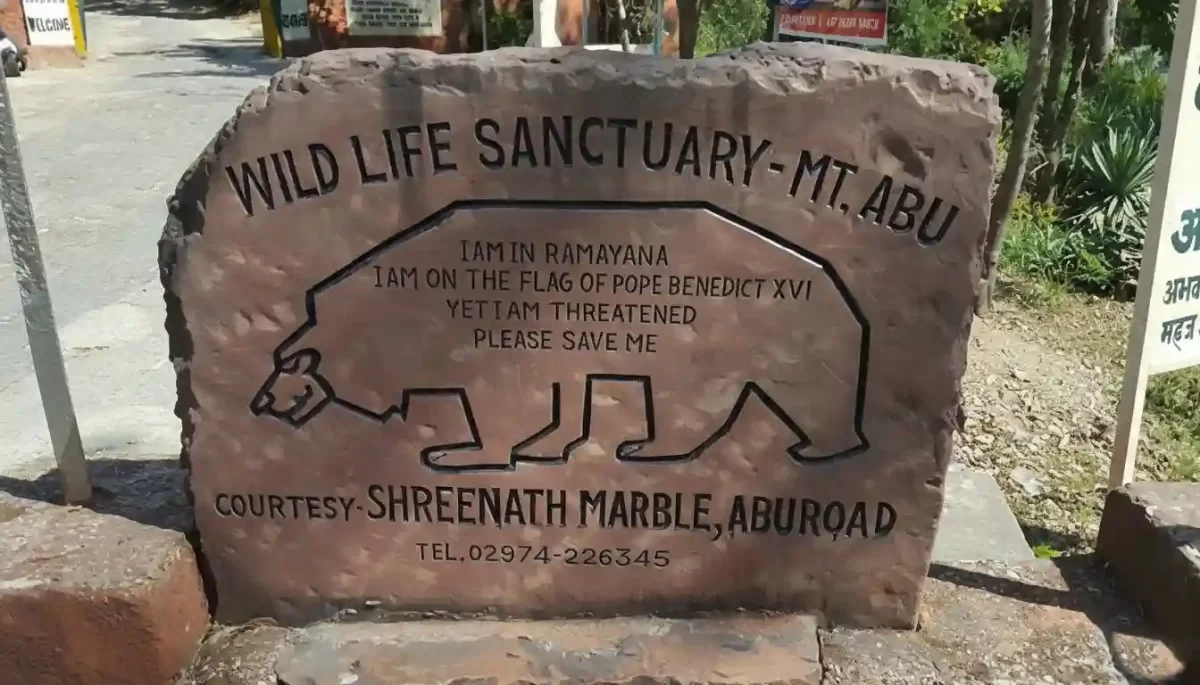
Mount Abu Wildlife Sanctuary – Biodiversity Haven in Rajasthan

Mount Abu Wildlife Sanctuary , Mount Abu
Spread across the Aravalli range, Mount Abu Wildlife Sanctuary is known for its rich biodiversity, dense forests, and scenic landscapes. The sanctuary is home to various species of wildlife, birds, and plants, along with nature trails and viewpoints offering panoramic views. It is an ideal destination for nature lovers, wildlife enthusiasts, and travelers seeking a peaceful experience amid Rajasthan’s only hill station.

Quick Facts About Mount Abu Wildlife Sanctuary

Quick Facts About Mount Abu Wildlife Sanctuary Mount Abu

Entry Fee No general entry fee for the sanctuary access, but jeep safari costs start from around 300 rupees per person
Timings Sanctuary open daily typically from 9 00 AM to 5 30 PM for visitors and safari activities
Altitude (m) Sanctuary terrain ranges from about 300 meters to 1722 meters above sea level at Guru Shikhar peak
Ideal Visit Duration Three to four hours including jeep safari, nature walk and wildlife viewing
Best Time of Day Early morning from around 9 00 AM to 11 00 AM or late afternoon for better wildlife sightings
Crowd Level Moderate crowds generally with more visitors on weekends and holidays
Distance from City Centre (km) Located within Mount Abu hill station area so about five to ten kilometers from central town areas
Walking Difficulty Moderate walking difficulty on forest trails and uneven paths in sanctuary zones
Parking Available Yes parking available near entry points and safari departure areas in Mount Abu sanctuary region
Last Mile Access Auto rickshaw taxi and local transport available to sanctuary entrances from Mount Abu town
Suitable for Kids Yes suitable for children especially during jeep safaris and nature walks with supervision
Suitable for Seniors Moderate for seniors due to walking trails and early morning safari timings
Wheelchair Friendly Limited wheelchair accessible areas; some paths are uneven and not fully wheelchair friendly

Why Visit Mount Abu Wildlife Sanctuary, Mount Abu

Atmosphere at Mount Abu Wildlife Sanctuary is cool, forested, and refreshing, offering a welcome escape into nature amidst the Aravalli ranges. The sanctuary’s dense greenery, winding trails, and natural silence create a peaceful environment where visitors can slow down and connect with the wilderness. The pleasant climate of Mount Abu further enhances the experience, making it comfortable for exploration throughout the year.

What makes Mount Abu Wildlife Sanctuary special is its rich biodiversity combined with scenic hill landscapes. Home to a variety of flora and fauna, including leopards, sloth bears, sambars, langurs, and numerous bird species, the sanctuary is a haven for wildlife enthusiasts and nature lovers. Visitors can enjoy nature walks, trekking routes, and birdwatching while taking in panoramic views of valleys, rocky terrains, and forest canopies. Seasonal changes bring varied colors and wildlife activity, adding depth to every visit.

Beyond its natural beauty, Mount Abu Wildlife Sanctuary plays an important role in conservation and environmental awareness. It caters to trekkers, photographers, families, and travelers seeking a blend of adventure, relaxation, and learning. The holistic experience leaves visitors with lasting impressions of Mount Abu’s natural heritage and the serene charm of Rajasthan’s only hill station.

History of Mount Abu Wildlife Sanctuary, Mount Abu

Mount Abu Wildlife Sanctuary, located around the hill station of Mount Abu in Rajasthan, was established in 1960 to protect the unique ecosystem of the Aravalli range. Spread across a large forested area, the sanctuary was created to conserve the region’s rich biodiversity, which differs significantly from the surrounding arid landscapes of Rajasthan.

Historically, the forests of Mount Abu served as natural shelters for wildlife and were closely associated with local tribal communities who depended on these hills for sustenance. With increasing awareness of environmental conservation, the area was legally protected to preserve its flora and fauna, including rare orchids, medicinal plants, leopards, sloth bears, and various bird species.

Today, Mount Abu Wildlife Sanctuary stands as an important conservation zone and a natural heritage site, highlighting Rajasthan’s ecological diversity while offering visitors insight into the historical evolution of wildlife protection in the Aravalli hills.

Best Time to Visit Mount Abu Wildlife Sanctuary Mount Abu

Visiting Mount Abu Wildlife Sanctuary is most rewarding when the weather is pleasant and the forest trails are easily accessible, allowing travelers to explore its rich biodiversity, scenic viewpoints, and natural surroundings comfortably.

The months from October to March are ideal for visiting, as Mount Abu enjoys a cool and pleasant climate during this period. This season is perfect for wildlife spotting, nature walks, trekking, and birdwatching, with clear skies and comfortable daytime temperatures.

Summer months from April to June are also suitable, as Mount Abu remains cooler than the surrounding plains. Early morning and late afternoon visits are recommended for better wildlife sightings and a more comfortable outdoor experience.

Monsoon season from July to September transforms the sanctuary into a lush green landscape. While the scenery is at its most vibrant, heavy rainfall may make trails slippery and limit movement in certain areas. This season is best suited for nature lovers who don’t mind rain and prefer fewer crowds.

  • October to March for pleasant weather, trekking, and wildlife exploration
  • April to June for summer escapes with cooler temperatures than the plains
  • July to September for lush greenery and fewer visitors, though trail access may be limited
  • Early mornings offer the best chances for wildlife and bird sightings
  • Weekdays provide a quieter and more immersive sanctuary experience

How to Reach Mount Abu Wildlife Sanctuary, Mount Abu

  • By Air: The nearest airport is Maharana Pratap Airport, Udaipur, approximately 185 km from Mount Abu Wildlife Sanctuary. From the airport, travelers can hire taxis or use app-based cabs to reach Mount Abu comfortably.
  • By Train: The closest railway station is Abu Road Railway Station, about 28 km from the sanctuary. The station is well connected to major cities such as Delhi, Mumbai, Ahmedabad, and Jaipur. Taxis and local buses are available from the station to Mount Abu.
  • By Road: Mount Abu is well connected via state highways from Abu Road and nearby towns in Rajasthan and Gujarat. Regular buses, private taxis, and self-drive options provide scenic road access to the sanctuary.
  • Local Transport: Within Mount Abu, taxis, jeeps, and local buses are commonly used to reach different entry points of the wildlife sanctuary. Visitors are advised to use authorized vehicles and follow forest department guidelines.

What to Expect When You Visit Mount Abu Wildlife Sanctuary Mount Abu

  • Immersive surroundings that reflect the true natural, cultural, or spiritual character of the destination, offering a peaceful and enriching travel experience.
  • Well-maintained visitor pathways and accessible viewing points designed to provide comfortable exploration while preserving the authenticity of the location.
  • Opportunities to engage with local traditions, regional architecture, or natural landscapes, allowing travelers to gain deeper cultural understanding.
  • Scenic photo spots and panoramic viewpoints that highlight the area’s unique beauty throughout different times of the day.
  • Informational boards, guides, or locally available assistance that help visitors learn the historical or environmental importance of the site.
  • Seasonal changes in atmosphere, crowd levels, and visual appeal, ensuring a different yet memorable experience depending on the time of visit.
  • Nearby amenities such as refreshment stalls, rest areas, or small markets offering local flavors and handicrafts.
  • A calm and respectful environment that allows visitors to fully absorb the significance and charm of the destination.

Important Visitor Information and Safety of Mount Abu Wildlife Sanctuary

  • Crowd & Peak Hours: Visitor numbers increase during weekends, holidays, and peak tourist season. Early morning hours are quieter and ideal for wildlife sightings and nature walks.
  • Weather Notes: Weather remains pleasant for most of the year, but monsoon months can make forest trails slippery. Winters may be cool during early mornings and evenings.
  • Dress Code: Wear comfortable, earth-toned clothing and sturdy walking shoes suitable for forest terrain. Light layers are recommended due to changing temperatures.
  • Safety Tips: Stay on designated trails, follow forest department guidelines, avoid feeding or disturbing wildlife, keep a safe distance from animals, and carry drinking water for a safe visit.

Photography and Viewpoints at Mount Abu Wildlife Sanctuary, Mount Abu

  • The sanctuary’s dense forests, rocky terrains, and varied vegetation provide rich settings for nature and wildlife photography.
  • Opportunities to capture indigenous wildlife, birds, and reptiles in their natural habitat add depth to wildlife photography.
  • Elevated forest trails and clearings offer scenic viewpoints overlooking valleys and hills of the Aravalli range.
  • Early morning mist and filtered sunlight through forest canopies create atmospheric and dramatic photographic compositions.
  • Seasonal foliage changes enhance color palettes, making every visit visually distinct for photographers.
  • Wide-angle shots capture the sanctuary’s vast landscapes, while close-ups highlight flora, textures, and forest details.

Near By Attraction

Dilwara Jain Temple Mount Abu, featuring intricate white marble multi-tiered shikhara domes pillars forested hills blue skies flag, perfect Rajasthan tour packages. Tourist Attraction

Delwara Jain Temple

Delwara Jain Temple is a group of historic Jain temples located near Mount Abu, Rajasthan.

Toad Rock Sunset Point Mount Abu Rajasthan, iconic toad-shaped rock formation overlooking Nakki Lake town hills lush greenery blue skies, perfect Rajasthan hill station tour packages. Tourist Attraction

Toad Rock

Toad Rock is a naturally formed rock formation in Mount Abu, Rajasthan, resembling the shape of a toad.

Sunset Point Mount Abu Popular hilltop lookout featuring tiered stone seating, a panoramic view of the Aravali Range, and the sun dipping below the desert horizon Rajasthan. Viewpoint

Sunset Point Mount Abu

Sunset Point is a natural viewpoint in Mount Abu, Rajasthan, known for panoramic sunset views over the Aravalli hills.

Frequently Asked Questions About Mount Abu Wildlife Sanctuary

Mount Abu Wildlife Sanctuary is located in the Aravalli hills near Mount Abu town in Rajasthan. It spreads across a large forested area surrounding the hill station.
Mount Abu Wildlife Sanctuary is generally open from morning to evening. Timings may vary slightly depending on season and forest department regulations.
An entry fee is required to visit Mount Abu Wildlife Sanctuary. Charges may differ for Indian and foreign visitors as per forest department guidelines.
The best time to visit Mount Abu Wildlife Sanctuary is between October and March when the weather remains pleasant for outdoor exploration.
Mount Abu Wildlife Sanctuary can be reached by road from Mount Abu town. Abu Road Railway Station is the nearest railhead, providing connectivity to major cities in Rajasthan and Gujarat.
Visitors can spot species such as leopards, sloth bears, wild boars, langurs and a variety of birds inside Mount Abu Wildlife Sanctuary. Flora includes diverse trees and medicinal plants native to the Aravalli range.
Limited safari options may be available depending on forest department permissions. Visitors are advised to check locally for current access rules and vehicle restrictions inside Mount Abu Wildlife Sanctuary.
Around two to four hours are sufficient to explore key areas of Mount Abu Wildlife Sanctuary. Nature enthusiasts may spend more time trekking and birdwatching.
Parking facilities are available near designated entry points of Mount Abu Wildlife Sanctuary. Visitors arriving by private vehicles can use approved parking areas.
Mount Abu Wildlife Sanctuary is suitable for families who enjoy nature and light trekking. Proper supervision is recommended for children during forest visits.
Local guides may be available at entry points of Mount Abu Wildlife Sanctuary. Hiring a guide can help in understanding wildlife zones and safe routes.
Dilwara Temples, Nakki Lake and Guru Shikhar can be combined with a Mount Abu Wildlife Sanctuary visit. These attractions are located near Mount Abu in Rajasthan.

Loved this place ? Let’s Plan Your Rajasthan Trip

Get customized Rajasthan tour planning designed around desert climate comfort, long-distance road travel flow, heritage exploration time, and realistic pacing between regions. Whether you are visiting for fort architecture, palace heritage, cultural exper

⚡ Quick Response | 💰 Free consultation | 🕒 24×7 expert support

×

Plan Your Trip