Quick Facts About Delwara Jain Temple
| Entry Fee | Free |
| Timings | 6:00 AM - 12:00 PM, 4:00 PM - 7:00 PM |
| Altitude (m) | 1220 |
| Ideal Visit Duration (hrs) | 1-2 |
| Best Time of Day | Early Morning |
| Crowd Level | Moderate |
| Distance from City Centre (km) | 3 |
| Walking Difficulty | Moderate |
| Parking Available | Yes |
| Last Mile Access | Road + Walk |
| Suitable for Kids | Yes |
| Suitable for Seniors | Yes |
| Wheelchair Friendly | Partially |
Why Visit Delwara Jain Temple, Mount Abu
Visitors come to Delwara Jain Temple to observe its detailed marble carvings, sculpted pillars, and religious significance within the Jain community.
The atmosphere is calm and reflective, with devotees and tourists moving quietly through the temple halls and courtyards.
Delwara Jain Temple is distinct for travelers because of its intricate architectural detailing, serene setting, and the combination of artistry and spirituality in a compact hilltop complex.
History of Delwara Jain Temple, Mount Abu
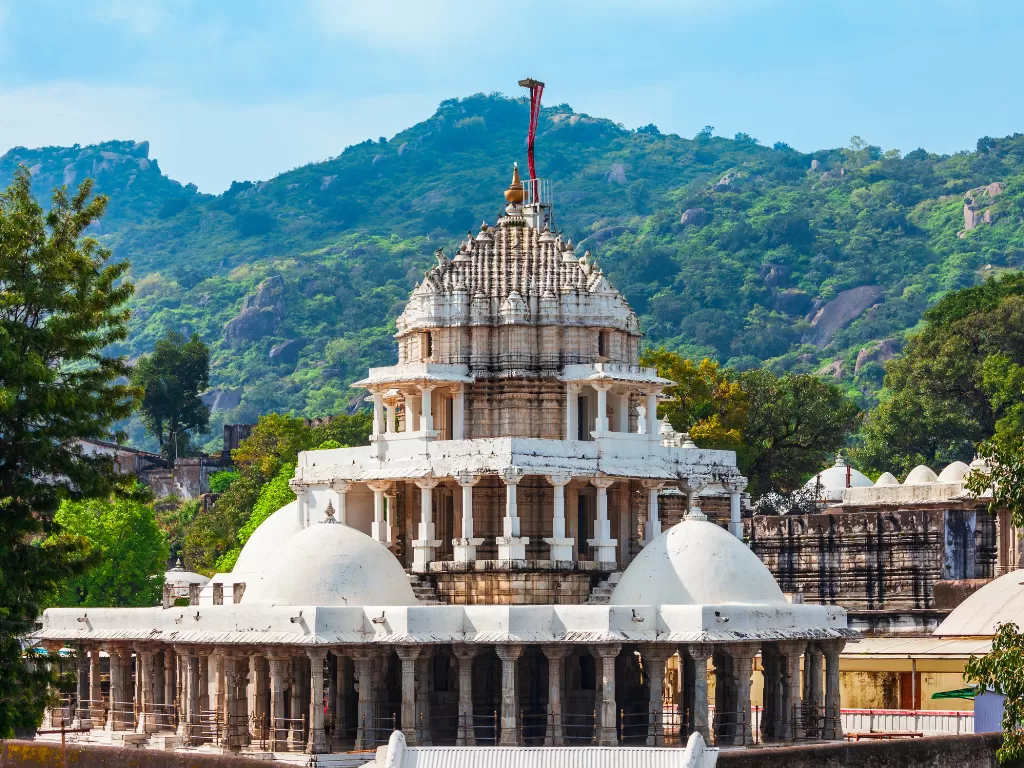
Delwara Jain Temple dates back to the 11th–13th centuries and is significant for its intricate marble architecture and Jain religious heritage. It consists of five main temples with elaborately carved ceilings, pillars, and statues, reflecting the artistry and devotion of the period.
Best Time to Visit Delwara Jain Temple, Mount Abu
The temple is best visited during cooler months when the weather is comfortable for walking and exploring the marble halls.
- Ideal Months: October to March
- Weather Conditions: Mild temperatures with clear skies, suitable for sightseeing and photography.
- Periods to Avoid: April to June due to high heat; July to September during monsoon when trails and temple steps may be slippery.
How to Reach Delwara Jain Temple, Mount Abu
- Nearest Airport: Maharana Pratap Airport, Udaipur, approximately 165 km away; taxis or buses are available for onward travel to Mount Abu.
- Nearest Railway Station: Abu Road Railway Station, 28 km from Mount Abu; local taxis or auto-rickshaws provide access to Delwara area.
- Road Access and Last-Mile Connectivity: The temple is accessible via paved roads from Mount Abu town. Visitors need to walk a short distance from nearby parking to reach the temple complex.
What to Expect When You Visit Delwara Jain Temple, Mount Abu
- Environment and Surroundings: The temple complex is set on a hillside with quiet courtyards and marble halls, providing a serene and contemplative atmosphere.
- Facilities and Amenities: Basic visitor facilities include nearby parking and rest areas; no extensive food or lodging services are available within the temple complex.
- Accessibility and Movement: Visitors should be prepared to walk on steps and uneven marble floors; some areas may be challenging for those with limited mobility.
- Typical Visitor Behavior and Conditions: Visitors generally move quietly, respecting religious practices. Photography is allowed but should not disturb worshippers.
Important Visitor Information for Delwara Jain Temple, Mount Abu
- Crowd and Weather Notes: Moderate crowds; peak during festivals. Temperatures can be high in summer, slippery floors during monsoon.
- Peak and Quiet Visiting Hours: Early morning (6:00–8:00 AM) is quieter; afternoons can be busier with local devotees.
- Dress Code: Modest clothing recommended; remove footwear before entering temple halls.
- Safety Notes and Practical Cautions: Watch steps and uneven marble flooring; supervise children; some areas are not wheelchair accessible.
Photography and Viewpoints at Delwara Jain Temple, Mount Abu
- Best Viewpoints or Angles: Main temple halls and courtyards offer clear views of intricate marble carvings; side corridors provide detailed close-up shots of pillars and ceilings.
- Lighting Conditions: Morning light (6:00–9:00 AM) highlights marble details; afternoons may have shadows in inner halls.
- Photography Rules: Photography is allowed, but avoid using flash inside sanctum areas and respect worshippers during rituals.
- Crowd and Access Factors: Weekdays and early mornings offer fewer visitors, providing unobstructed views; narrow corridors may limit tripods or large equipment.