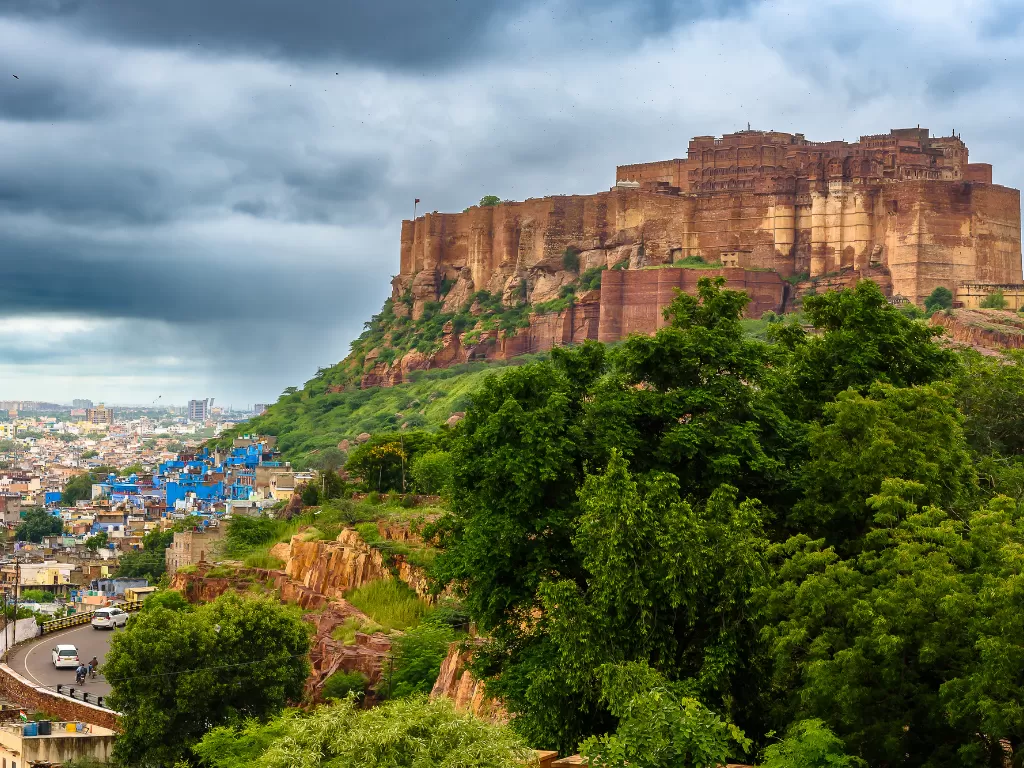
Mehrangarh Fort, Jodhpur, Rajasthan, India

Mehrangarh Fort , Jodhpur
Tourists visit the fort for its elevated city views, structured museum galleries, expansive architecture, and access to historic palaces within a single complex. It is a central stop for understanding Jodhpur’s urban layout and heritage landscape.

Quick Facts About Mehrangarh Fort

Quick Facts — Mehrangarh Fort, Jodhpur

Entry Fee Entry ticket required; fee varies for Indian and international visitors and for museum sections
Timings Daily 9:00 AM – 5:00 PM (last entry typically before closing time)
Altitude (m) Approx. 356 m above sea level (hilltop fort above Jodhpur city)
Ideal Visit Duration 2–3 hours
Best Time of Day Morning for museum visits; late afternoon for city views
Crowd Level Moderate to high; peak during winter season and late morning hours
Distance from City Centre (km) Approx. 1.5 km from central Jodhpur area
Walking Difficulty Moderate to high; steep pathways, ramps, and extensive walking inside the fort
Parking Available Yes; designated parking area near the fort entrance
Last Mile Access Direct road access; short uphill walk from parking/entry gate to inner areas
Suitable for Kids Yes, with supervision due to heights, steps, and open ramparts
Suitable for Seniors Partially; long walking distances, slopes, and stairs can be physically demanding
Wheelchair Friendly Partially; limited accessibility in some areas, many sections have stairs and uneven surfaces

Why Visit Mehrangarh Fort, Jodhpur

Visitors come to Mehrangarh Fort to explore its large palace complexes, structured museum galleries, courtyards, and elevated viewpoints that provide wide views over Jodhpur’s old city and surrounding landscape.

The on-ground atmosphere is expansive and organized, with defined visitor pathways, museum interiors, open terraces, and steady visitor movement across multiple levels of the fort complex rather than a single enclosed monument space.

What makes this place distinct for travelers is its scale and layout, where a single site combines museums, architectural spaces, viewpoints, and walking routes, allowing visitors to experience multiple aspects of Jodhpur in one continuous visit.

History of Mehrangarh Fort, Jodhpur

Mehrangarh Fort was established in the 15th century by Rao Jodha as the seat of power for the Marwar region, strategically positioned on a rocky hill overlooking what later became the city of Jodhpur.

Over time, successive rulers expanded the fort complex with palaces, courtyards, gates, and defensive structures, creating the layered layout visitors walk through today.

Many of the present interiors now function as curated museum spaces, displaying royal artifacts, weaponry, textiles, and manuscripts that directly reflect the fort’s role as a functioning royal stronghold rather than a symbolic monument.

Best Time to Visit Mehrangarh Fort, Jodhpur

Mehrangarh Fort is best visited during the cooler months when walking the steep pathways, courtyards, and ramparts is physically comfortable and visibility across the city remains clear.
  • Ideal months: October to March, when temperatures are manageable for extended exploration of the fort complex.
  • Weather during best season: Mild daytime temperatures with low humidity, making uphill walking, museum visits, and outdoor viewpoints practical.
  • Periods to avoid: April to June due to extreme heat on stone pathways and exposed courtyards; July to September can be uncomfortable due to humidity and occasional rainfall affecting outdoor movement.

How to Reach Mehrangarh Fort, Jodhpur

  • Nearest airport: Jodhpur Airport (approx. 6 km). Taxis and app-based cabs are available, but local traffic congestion can affect travel time.
  • Nearest railway station: Jodhpur Junction (approx. 5 km). Auto-rickshaws, taxis, and local cabs provide direct access to the fort entrance area.
  • Road access and last-mile connectivity: The fort is accessible by road via a steep, paved uphill route. Private vehicles, taxis, and auto-rickshaws can reach the main parking zone; final access to entry gates requires short uphill walking or internal transport depending on entry point.

What to Expect When You Visit Mehrangarh Fort, Jodhpur

  • Environment and surroundings: A large hilltop fort complex with stone courtyards, high ramparts, and open viewpoints overlooking Jodhpur city and the desert landscape.
  • Facilities and amenities: Ticket counters, security checks, drinking water points, restrooms, a museum area, café, and souvenir shops inside the fort complex.
  • Accessibility and movement: Movement involves walking across uneven stone surfaces, steps, and sloped pathways; some internal sections are steep and require moderate physical effort.
  • Typical visitor behavior and conditions: Steady tourist flow throughout the day, guided tour groups in museum areas, and crowding at viewpoints and galleries during peak visiting hours.

Important Visitor Information for Mehrangarh Fort, Jodhpur

  • Crowd and weather notes: The fort becomes crowded in winter months and during local festivals; summer afternoons can be extremely hot due to exposed stone surfaces and limited shaded areas.
  • Peak and quiet visiting hours: Peak hours are typically late morning to mid-afternoon; early morning opening hours are quieter and more comfortable for walking.
  • Dress code: No formal dress code, but modest clothing is expected inside museum sections and temple areas within the fort complex.
  • Safety notes and practical cautions: High ramparts, open viewpoints, steep steps, and uneven stone pathways require careful movement; handrails are limited in some sections.

Photography and Viewpoints at Mehrangarh Fort, Jodhpur

  • Best viewpoints: The ramparts near the Chamunda Mata Temple area and the outer defensive walls provide wide views over the Blue City of Jodhpur; inner courtyards like Sheesh Mahal and Phool Mahal offer architectural detail shots.
  • Lighting and time of day: Early morning light provides clear cityscape views with minimal haze, while late afternoon highlights the fort’s red sandstone textures and the surrounding desert landscape.
  • Photography rules: Photography is restricted inside certain museum galleries and palace rooms; camera use may require a separate photography ticket depending on current fort regulations.
  • Crowd and access factors: Narrow pathways, steep staircases, and guided tour groups can limit tripod use and stable framing during peak hours, especially in museum sections and popular viewpoints.

Near By Attraction

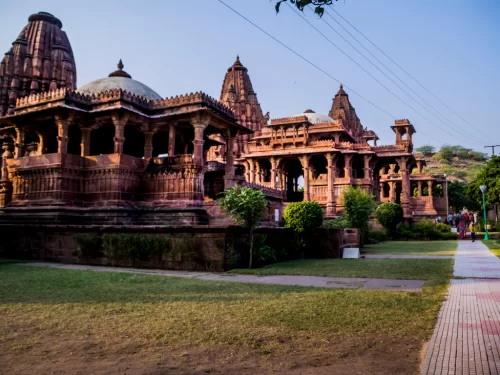
Mandore Garden temples at Jodhpur during sunny day, featuring red sandstone shikharas, domes, pavilions, lawns, perfect heritage experience Rajasthan tour packages. Garden

Mandore Garden

Mandore Garden is a historic public garden and heritage complex located in Mandore, on the outskirts of Jodhpur, Rajasthan.
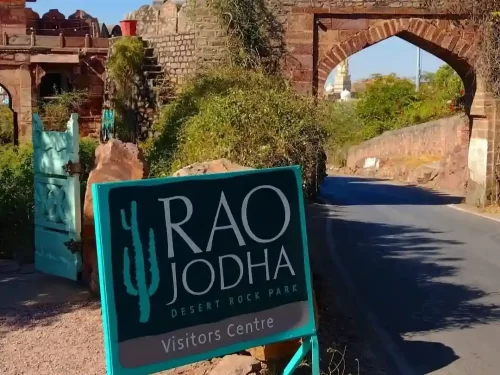
Rao Jodha Desert Rock Park Jodhpur Ecologically restored volcanic wasteland featuring native lithophytic plants and trails through 72-hectare rhyolite rock formations Rajasthan. National Park

Rao Jodha Desert Rock Park

A rocky desert park located at the base of Mehrangarh Fort in Jodhpur.

Kaylana Lake Jodhpur Massive artificial lake with golden rocky hills and scenic sunset viewpoints in Rajasthan. Lake

Kaylana Lake

Kaylana Lake is an artificial freshwater reservoir located on the outskirts of Jodhpur

Frequently Asked Questions About Mehrangarh Fort

Mehrangarh Fort is located on a hilltop in Jodhpur and is easily accessible by road from the city center.
Mehrangarh Fort is generally open from morning to evening, and visitors should check official timings before planning their visit.
The entry fee for Mehrangarh Fort varies for domestic and international visitors, with separate charges for museum access and camera use.
The best time to visit Mehrangarh Fort is between October and March when the weather is pleasant for exploring the large complex.
Travelers can reach Mehrangarh Fort by taxi, auto rickshaw, or private vehicle, followed by a short walk to the entrance.
Most visitors spend around 2 to 3 hours exploring Mehrangarh Fort including its museum, courtyards, and viewpoints.
Photography is allowed in most outdoor areas of Mehrangarh Fort, though certain museum sections may have restrictions.
Guided tours and audio guides are available at Mehrangarh Fort to help visitors understand its architecture and exhibits.
Mehrangarh Fort is suitable for family visits, though comfortable footwear is recommended due to walking and steps.
Mehrangarh Fort can easily be included in a one day sightseeing plan along with nearby attractions such as Jaswant Thada and the old city.

Loved this place ? Let’s Plan Your Rajasthan Trip

Get customized Rajasthan tour planning designed around desert climate comfort, long-distance road travel flow, heritage exploration time, and realistic pacing between regions. Whether you are visiting for fort architecture, palace heritage, cultural exper

⚡ Quick Response | 💰 Free consultation | 🕒 24×7 expert support

×

Plan Your Trip