Quick Facts About Jai Pol
Quick Facts About Jai Pol Jodhpur
| Entry Fee | No separate entry fee for Jai Pol, access included with Mehrangarh Fort entry ticket |
|---|---|
| Timings | Accessible daily during Mehrangarh Fort visiting hours generally from 9 00 AM to 5 00 PM |
| Altitude (m) | Located at approximately 410 meters above sea level as part of Mehrangarh Fort complex |
| Ideal Visit Duration | Ten to twenty minutes to view the historic gate inscriptions and architecture |
| Best Time of Day | Morning hours for comfortable weather and easier exploration inside the fort |
| Crowd Level | High as it is a main entrance gate of Mehrangarh Fort |
| Distance from City Centre (km) | About 5 kilometers from Jodhpur city centre and Clock Tower area |
| Walking Difficulty | Low walking difficulty with stone paved paths near the gate area |
| Parking Available | Yes parking available at Mehrangarh Fort parking area for cars and buses |
| Last Mile Access | Taxi auto rickshaw or private vehicle available up to Mehrangarh Fort parking followed by short walk |
| Suitable for Kids | Yes suitable for kids with supervision in crowded fort areas |
| Suitable for Seniors | Yes generally suitable though some walking inside fort complex is required |
| Wheelchair Friendly | Partially wheelchair accessible within Mehrangarh Fort but some slopes and steps may limit access |
Why Visit Jai Pol, Jodhpur
Atmosphere at Jai Pol is grand and historic, instantly immersing visitors in the royal legacy of Jodhpur. Standing at the entrance of Mehrangarh Fort, the massive gateway, towering walls, and panoramic views of the Blue City below create a powerful sense of scale, strength, and heritage. The surroundings feel majestic and awe-inspiring, making the experience both visually and emotionally impactful.
What makes Jai Pol special is its historical significance and commanding architecture. Built by Maharaja Man Singh to commemorate victory, the gate still bears marks of cannonball attacks, serving as a silent witness to the fort’s defensive history. Visitors can admire the intricate stonework, massive doors, and strategic placement that once protected the fort, while also enjoying sweeping views of Jodhpur’s blue houses and the vast Thar landscape.
Beyond its architectural appeal, Jai Pol holds deep cultural and historical importance within Mehrangarh Fort’s legacy. It attracts history lovers, photographers, and travelers seeking to understand Rajasthan’s warrior past and royal pride. The holistic experience leaves visitors with a strong appreciation for Jodhpur’s heritage, architectural brilliance, and commanding presence.
History of Jai Pol, Jodhpur
Jai Pol is a prominent historic gateway located at Mehrangarh Fort in Jodhpur, Rajasthan. The gate was constructed in 1806 by Maharaja Man Singh to commemorate his victory over the armies of Jaipur and Bikaner. The name “Jai Pol” literally means “Gate of Victory,” symbolizing triumph, power, and royal authority.
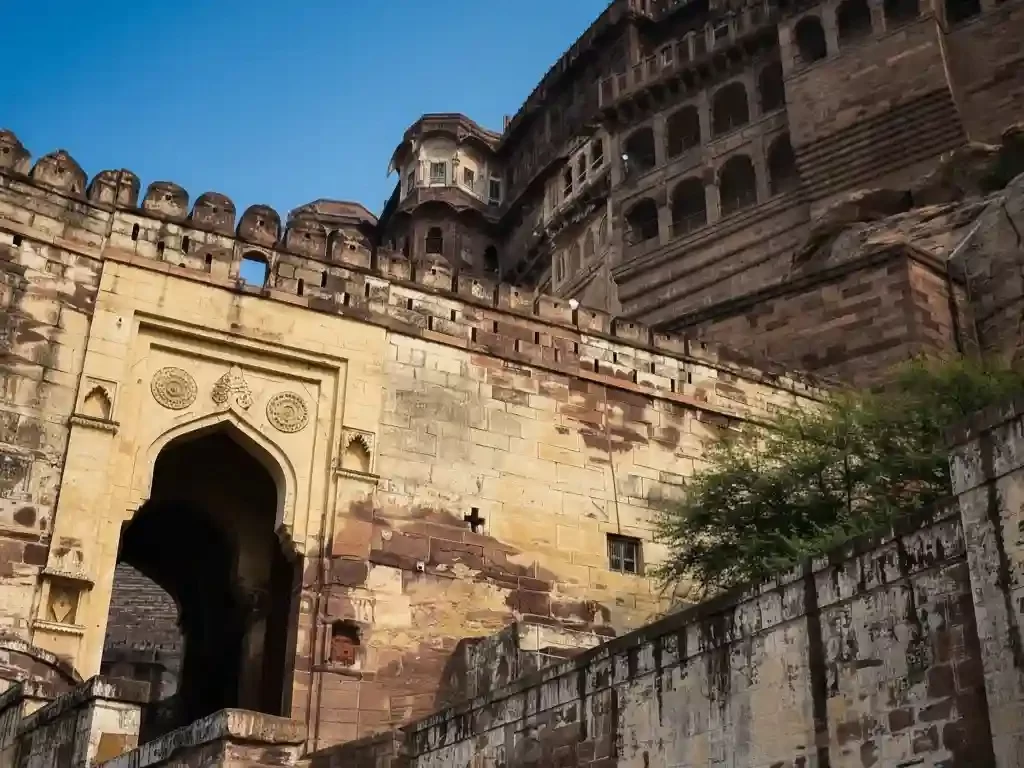
Architecturally, Jai Pol is massive and imposing, built with thick stone walls designed to withstand enemy attacks. Cannonball marks are still visible on the gate, serving as physical reminders of the battles fought and the fort’s defensive strength. The structure reflects the strategic military planning and craftsmanship of the Marwar rulers.
Today, Jai Pol remains one of the most iconic entrances to Mehrangarh Fort, offering visitors insight into Jodhpur’s martial history and royal legacy while standing as a testament to the city’s resilience and historic victories.
Best Time to Visit Jai Pol Jodhpur
Visiting Jai Pol in Jodhpur is most enjoyable when the weather is comfortable, allowing visitors to explore the historic gateway and surrounding fort areas without discomfort from extreme heat.
The months from October to March are ideal for visiting, as Jodhpur experiences cool and pleasant winter weather. This period is perfect for sightseeing, photography, and walking around Mehrangarh Fort and its entrance points.
Spring months from March to early April remain suitable, though temperatures gradually rise. Early morning or late afternoon visits are recommended to avoid the warmer hours while enjoying architectural details and city views.
Summer season from May to September brings intense desert heat, making daytime visits challenging. While Jai Pol remains accessible, most travelers prefer visiting early in the morning, and monsoon months may bring occasional showers that slightly cool the surroundings.
- October to March for pleasant weather and comfortable sightseeing
- March to early April for cooler mornings and late afternoons
- May to September best avoided due to extreme temperatures
- Early mornings provide the best light for photography and exploration
- Winter months are ideal for combining Jai Pol with Mehrangarh Fort visit
How to Reach Jai Pol, Jodhpur
- By Air: The nearest airport is Jodhpur Airport, approximately 6 km from Jai Pol. Visitors can hire taxis or app-based cabs for a quick and comfortable transfer.
- By Train: Jodhpur Junction Railway Station is well connected with major cities such as Delhi, Jaipur, Mumbai, and Ahmedabad. From the station, auto-rickshaws and taxis are easily available to reach Jai Pol.
- By Road: Jodhpur is connected via national and state highways. Regular buses, private taxis, and self-drive vehicles make it easy to reach the Mehrangarh Fort area, where Jai Pol is located.
- Local Transport: Within Jodhpur, auto-rickshaws, cycle rickshaws, and local taxis provide smooth last-mile connectivity. Visitors typically walk short distances to explore the fort entrances and surrounding areas.
What to Expect When You Visit Jai Pol Jodhpur
- Immersive surroundings that reflect the true natural, cultural, or spiritual character of the destination, offering a peaceful and enriching travel experience.
- Well-maintained visitor pathways and accessible viewing points designed to provide comfortable exploration while preserving the authenticity of the location.
- Opportunities to engage with local traditions, regional architecture, or natural landscapes, allowing travelers to gain deeper cultural understanding.
- Scenic photo spots and panoramic viewpoints that highlight the area’s unique beauty throughout different times of the day.
- Informational boards, guides, or locally available assistance that help visitors learn the historical or environmental importance of the site.
- Seasonal changes in atmosphere, crowd levels, and visual appeal, ensuring a different yet memorable experience depending on the time of visit.
- Nearby amenities such as refreshment stalls, rest areas, or small markets offering local flavors and handicrafts.
- A calm and respectful environment that allows visitors to fully absorb the significance and charm of the destination.
Important Visitor Information and Safety of Jai Pol Jodhpur
- Crowd & Peak Hours: Expect higher visitor movement during late mornings, afternoons, weekends, and peak tourist seasons. Early morning visits are quieter and ideal for sightseeing and photography.
- Weather Notes: Summers can be extremely hot, while winters are cool and pleasant. Stone pathways may heat up during midday in summer.
- Dress Code: Wear comfortable walking shoes and light, breathable clothing suitable for climbing steps and outdoor exploration.
- Safety Tips: Watch your footing on steps and uneven surfaces, keep personal belongings secure, avoid leaning over edges, and follow site instructions for a safe visit.
Photography and Viewpoints at Jai Pol, Jodhpur
- The massive stone gateway with detailed carvings and battlements provides strong subjects for heritage and architectural photography.
- Wide-angle shots capture the scale and symmetry of the gate against the backdrop of Mehrangarh Fort.
- Early morning and late afternoon light enhances textures of the sandstone walls, creating depth and contrast.
- Framed views through the archways offer compelling compositions blending fort architecture and open sky.
- Close-up photography of inscriptions, carvings, and stone details highlights historical craftsmanship.
- Visitors moving through the gateway add scale and human-interest elements to photographs.