+91 9910402252
admin@chalbanjare.com


| Entry Fee | No entry fee free to visit the temple and sacred spring area |
|---|---|
| Timings | Temple generally open daily from 6 00 AM to 6 00 PM for visitors |
| Altitude (m) | Located in the Aravalli hills of Mount Abu at approximately 1220 meters above sea level at town level with steps down to the temple site |
| Ideal Visit Duration | One to two hours including the stair climb and exploring the temple precincts |
| Best Time of Day | Early morning or late afternoon for cooler weather and pleasant views of the surrounding valleys |
| Crowd Level | Moderate crowds especially on weekends holidays and peak tourist seasons |
| Distance from City Centre (km) | About six kilometers from the central Mount Abu town area to the temple approach |
| Walking Difficulty | Moderate to high walking difficulty with about seven hundred steps down and up through forested terrain to reach the temple |
| Parking Available | Yes parking available near the temple approach road before the stair descent |
| Last Mile Access | Auto rickshaw taxi or local transport available to the parking area near the temple approach |
| Suitable for Kids | Yes suitable for children though the stair climb may be tiring for very young kids |
| Suitable for Seniors | Moderate for seniors due to many steps and uneven paths on the climb |
| Wheelchair Friendly | No not wheelchair friendly due to stairways and uneven forest paths |
Atmosphere at Gaumukh Temple is serene and spiritually calming, set amidst the forested surroundings of Mount Abu. The gentle sound of flowing water, shaded pathways, and natural greenery create a peaceful environment ideal for reflection and quiet devotion. Away from busy tourist areas, the temple offers a tranquil setting where visitors can slow down and experience a deep sense of calm.
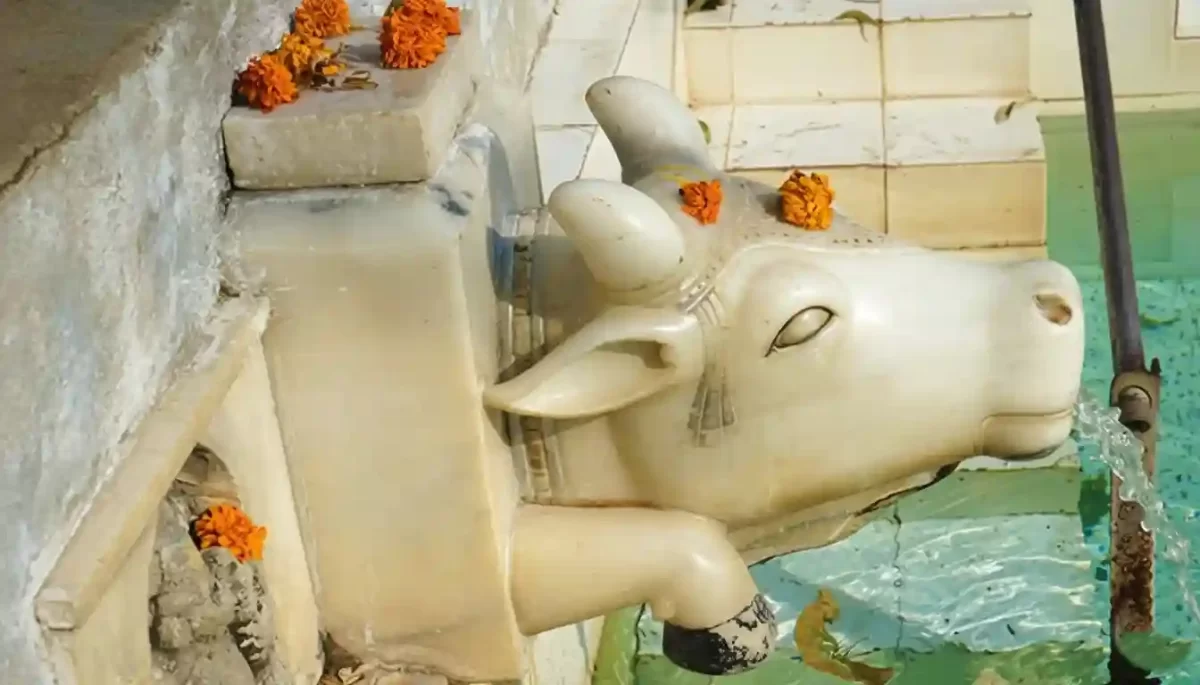
What makes Gaumukh Temple special is the sacred natural spring that flows continuously from a cow-shaped rock, symbolizing purity and divine presence. The temple is closely associated with local faith and spiritual practices, attracting devotees who seek blessings and travelers interested in Mount Abu’s religious heritage. Visitors can sit by the water, observe rituals, and enjoy the harmony between nature and spirituality that defines the site.
Beyond its religious importance, Gaumukh Temple holds cultural and emotional significance for the region. It appeals to pilgrims, nature lovers, and travelers seeking a peaceful spiritual experience blended with natural beauty. The overall visit leaves a lasting impression of simplicity, devotion, and the soothing charm of Mount Abu’s sacred landscapes.
Gaumukh Temple, located near Nakki Lake in Mount Abu, Rajasthan, is a sacred site closely associated with the spiritual traditions of the region. The temple derives its name from the natural rock formation shaped like a cow’s mouth (Gaumukh), from which a perennial spring flows, symbolizing purity and divine blessing in Hindu belief.
Historically, the temple has been revered by sages and pilgrims who visited Mount Abu for meditation and spiritual retreat. The continuous flow of water from the rock formation has long been considered sacred, and the site gradually evolved into a place of worship dedicated to Lord Shiva, reflecting the deep-rooted religious practices of the Aravalli hill region.
Over time, Gaumukh Temple became an integral part of Mount Abu’s spiritual landscape, visited by devotees seeking blessings and tranquility. Today, it stands as a symbol of faith, natural reverence, and the harmonious blend of geology and religious tradition that defines Mount Abu’s sacred heritage.
Visiting Gaumukh Temple in Mount Abu is most enjoyable when the weather is pleasant, allowing devotees and travelers to comfortably explore the temple surroundings and enjoy the serene natural setting.
The months from October to March are ideal for visiting, as Mount Abu experiences cool and comfortable weather during this period. This season is perfect for temple visits, peaceful walks, and enjoying scenic views without heat-related discomfort.
Summer months from April to June remain suitable, as Mount Abu stays cooler than the surrounding plains. Early morning or late afternoon visits are recommended to avoid midday warmth while enjoying the tranquil atmosphere of the temple.
Monsoon season from July to September enhances the natural beauty around Gaumukh Temple with lush greenery and flowing water. However, rainfall may make pathways slippery, so visitors should plan carefully. This season offers a calm and refreshing experience with fewer crowds.
 Temple
Shankar Math is a Hindu monastic institution located in Mount Abu, Rajasthan, India.
 Tourist Attraction
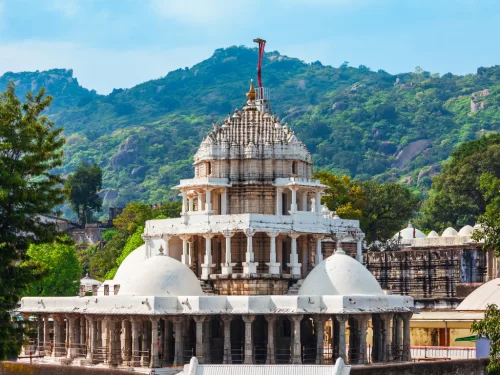
Delwara Jain Temple is a group of historic Jain temples located near Mount Abu, Rajasthan.
 Tourist Attraction
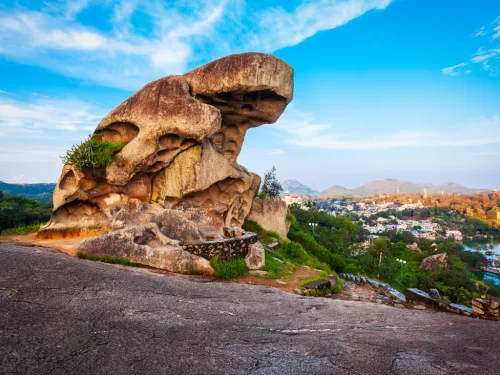
Toad Rock is a naturally formed rock formation in Mount Abu, Rajasthan, resembling the shape of a toad.
Get customized Rajasthan tour planning designed around desert climate comfort, long-distance road travel flow, heritage exploration time, and realistic pacing between regions. Whether you are visiting for fort architecture, palace heritage, cultural exper
⚡ Quick Response | 💰 Free consultation | 🕒 24×7 expert support

