+91 9910402252
admin@chalbanjare.com


| Entry Fee | No entry fee free for visitors to enter the temple complex |
|---|---|
| Timings | Temple generally open daily from 9 00 AM to 6 00 PM |
| Altitude (m) | Located within Jaisalmer Fort on desert terrain at approximately 225 meters above sea level |
| Ideal Visit Duration | About one to two hours to explore the temple and its intricate carvings |
| Best Time of Day | Morning to early afternoon for cooler conditions and good light for viewing carvings |
| Crowd Level | Moderate typically through the day with higher numbers during peak tourist season |
| Distance from City Centre (km) | Located in the heart of Jaisalmer Fort which is within the main city so distance is minimal from city centre |
| Walking Difficulty | Moderate some walking required inside Jaisalmer Fort on uneven stone paths |
| Parking Available | Parking available outside Jaisalmer Fort entrance with walking access to the temples |
| Last Mile Access | Walk or local rickshaw or taxi to Jaisalmer Fort entrance then walk inside fort to temple |
| Suitable for Kids | Yes suitable for children with supervision inside the fort complex |
| Suitable for Seniors | Moderate as some walking inside fort on uneven terrain may be required |
| Wheelchair Friendly | No securely wheelchair friendly due to fort stone paths and steps |
Atmosphere at Chandraprabhu Jain Temple is calm, spiritual, and deeply reflective, offering visitors a peaceful retreat within the historic setting of Jaisalmer. The temple’s serene interiors, soft lighting, and quiet surroundings create an environment ideal for meditation and spiritual contemplation, allowing visitors to experience a sense of inner calm away from the bustling city.
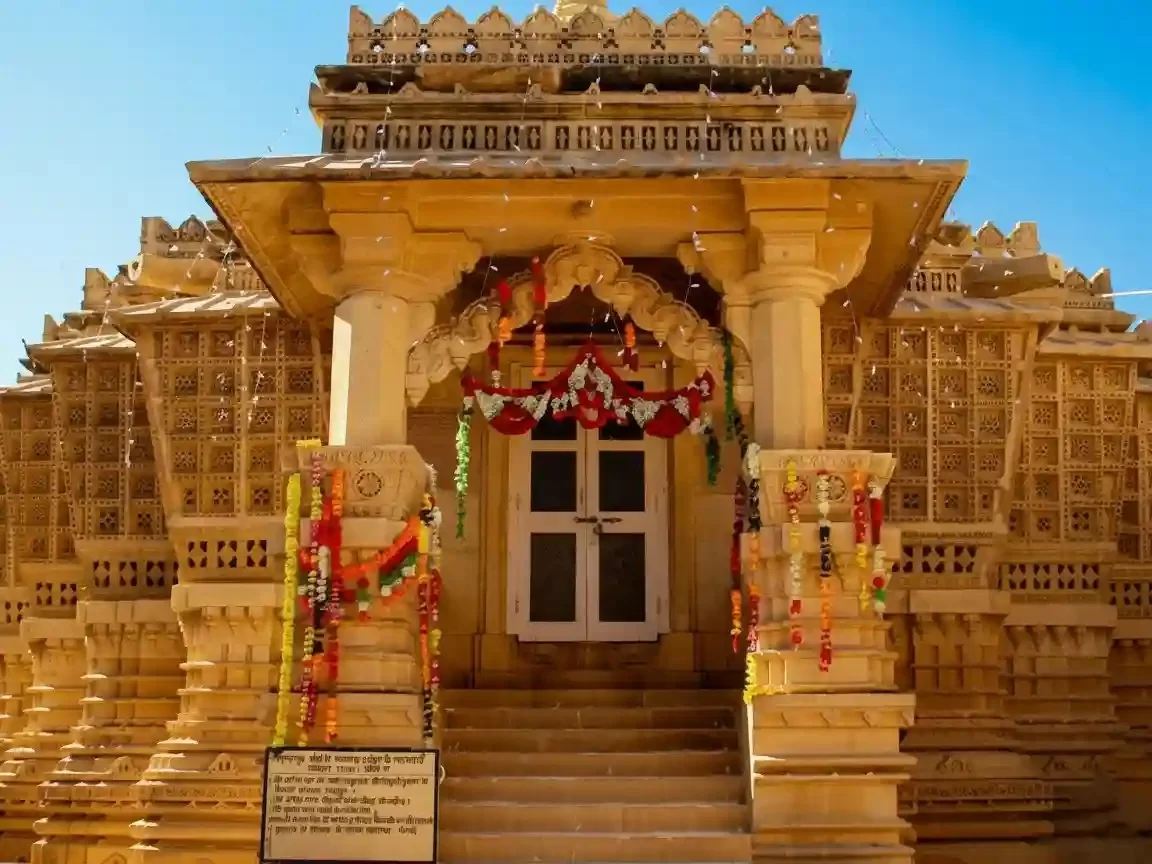
What makes Chandraprabhu Jain Temple special is its religious importance and exquisite architectural detailing. Dedicated to the eighth Jain Tirthankara, Lord Chandraprabhu, the temple features finely carved pillars, delicate stonework, and traditional Jain design elements that reflect devotion and craftsmanship. Visitors can observe Jain rituals, admire the artistry, and gain insight into Jain philosophy and values centered on peace, non-violence, and self-discipline.
Beyond its spiritual and architectural appeal, Chandraprabhu Jain Temple holds cultural significance as a place that preserves Jain heritage in the heart of the Thar Desert. It caters to pilgrims, history lovers, architecture enthusiasts, and travelers seeking a quiet, meaningful experience. The holistic visit leaves visitors with a deeper appreciation of Jain traditions and the timeless spiritual atmosphere of Jaisalmer.
Chandraprabhu Jain Temple, located within the fortified complex of Jaisalmer Fort, is an important Jain shrine with origins dating back to the medieval period. The temple was constructed by Jain merchant families who played a significant role in the trade and economic life of Jaisalmer, reflecting the prosperity and religious devotion of the Jain community in the region.
Built using golden-yellow sandstone, the temple showcases refined craftsmanship through its intricately carved pillars, ceilings, and arches, characteristic of Jain temple architecture of western Rajasthan. The structure has undergone careful preservation over the centuries, maintaining its spiritual and architectural integrity despite the harsh desert climate.
Historically, the temple has served not only as a place of worship but also as a cultural and social center for Jain pilgrims visiting Jaisalmer. Today, it continues to stand as a symbol of the city’s religious diversity, artistic excellence, and enduring Jain heritage.
Visiting Chandraprabhu Jain Temple in Jaisalmer is most enjoyable when the desert climate is comfortable, allowing devotees and travelers to explore the temple peacefully and appreciate its spiritual and architectural charm without weather-related discomfort.
The months from October to March are ideal for visiting, as the weather remains cool and pleasant. This period offers comfortable daytime temperatures, making it perfect for temple visits, sightseeing around Jaisalmer, and participating in religious activities without the intense desert heat.
Summer months from April to June are extremely hot in Jaisalmer, with temperatures often rising sharply during the day. If visiting during this period is unavoidable, early morning or late evening visits are recommended to avoid heat exhaustion.
Monsoon season from July to September brings occasional rainfall and slightly reduced temperatures. While the desert landscape appears refreshed and tourist crowds are fewer, humidity may be high, and travel plans should be made with weather conditions in mind.
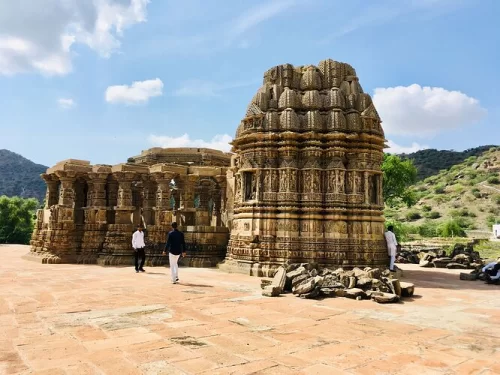 Temple
Kiradu Group of Temples is a cluster of ruined Hindu temples located near Harni village in Barmer district, Rajasthan, India.
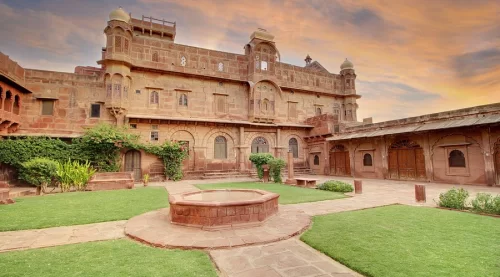 Fort
Fort
Pokaran Fort is a historic fort located in Pokaran town of Jaisalmer district, Rajasthan, India.
 Museum
Jaisalmer War Museum is a military museum located on the Jaisalmer–Jodhpur highway, dedicated to the history of the Indian Army in the western desert region.
Get customized Rajasthan tour planning designed around desert climate comfort, long-distance road travel flow, heritage exploration time, and realistic pacing between regions. Whether you are visiting for fort architecture, palace heritage, cultural exper
⚡ Quick Response | 💰 Free consultation | 🕒 24×7 expert support

