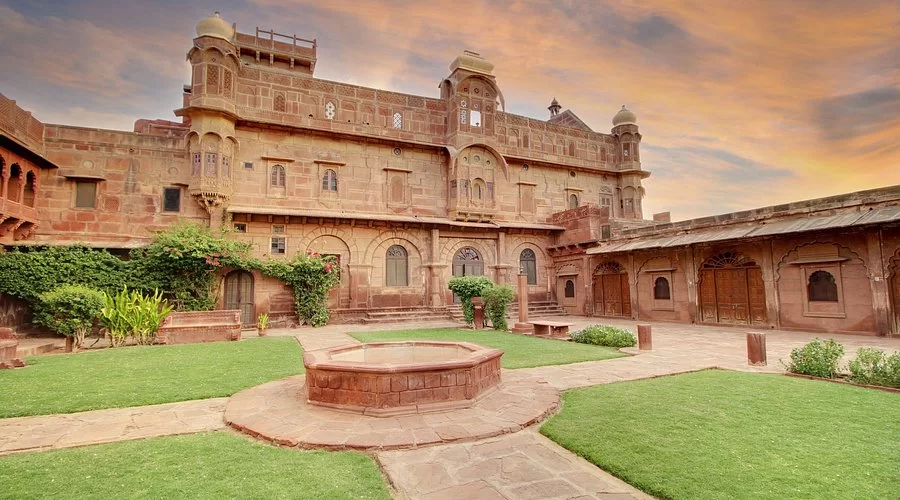
Pokaran Fort – Historic Desert Fort in Jaisalmer District, Rajasthan

The Pokaran Fort , Jaisalmer
Tourists visit Pokaran Fort to observe its Rajput-era architecture, fortified walls, and historical significance in the Thar Desert region. The fort is known for its association with regional rulers and its location along historical trade and military routes in western Rajasthan.

Quick Facts About The Pokaran Fort

Pokaran Fort, Rajasthan Quick Facts

Entry Fee Entry fee may apply; charges can vary depending on current heritage management rules
Timings Generally open from sunrise to sunset; timings may vary based on local administration and conservation activities
Altitude (m) Approximately 170–200 m above sea level
Ideal Visit Duration 1–2 hours
Best Time of Day Morning or late afternoon for comfortable exploration and photography
Crowd Level Low
Distance from City Centre (km) Approximately 1–2 km from Pokaran town centre
Walking Difficulty Easy to moderate; includes walking within fort ????? and uneven heritage stone surfaces
Parking Available Yes, parking is available near the fort entrance area
Last Mile Access Accessible by motorable road up to the fort entrance
Suitable for Kids Yes
Suitable for Seniors Yes, though uneven surfaces may require caution
Wheelchair Friendly Partially accessible; heritage structure and uneven pathways limit full wheelchair movement

Why Visit The Pokaran Fort, Rajasthan

Visitors come to Pokaran Fort in Jaisalmer district to explore a desert fort complex that reflects the military architecture and desert settlement patterns of western Rajasthan. It attracts travelers moving between Jaisalmer and Jodhpur who want a quieter heritage stop away from major tourist hubs.

The on-ground atmosphere is calm and sparsely visited, with stone courtyards, ramparts, and local activity around the fort premises. The surrounding Thar Desert landscape adds an open, dry setting that emphasizes the fort’s isolation and scale.

What makes Pokaran Fort distinct is its intact desert-town integration, where the fort remains part of a living settlement rather than an isolated monument. The experience offers a grounded view of Rajasthan’s defensive architecture within a functioning small town environment in Rajasthan.

History of Pokaran Fort, Rajasthan

Pokaran Fort, located in the Jaisalmer district of Rajasthan, was built in the 14th century by the Bhati Rajput rulers. The fort served as a strategic stronghold on the trade routes connecting western Rajasthan with Gujarat and central India.

Historically, the fort remained under the control of the Bhati Rajputs and played a role in regional governance and defense in the Thar Desert region. Its fortified structure reflects the military architecture adapted to desert conditions.

Today, Pokaran Fort stands as a heritage structure in the desert landscape of Rajasthan, reflecting its historical role in regional administration and Rajput-era fortification systems.

Best Time to Visit The Pokaran Fort, Rajasthan

Pokaran Fort is best visited during the cooler months when travel through the Thar Desert is manageable, allowing visitors to explore the fort’s sandstone architecture, courtyards, and heritage interiors without extreme heat affecting outdoor movement.
  • Ideal Months: October to March is the most suitable period for visiting Pokaran Fort and exploring the surrounding desert town.
  • Weather Conditions: These months generally offer mild daytime temperatures, cooler mornings and evenings, and clear desert skies that make walking through the fort complex more comfortable and visually rewarding.
  • Periods to Avoid: April to June should be avoided due to intense desert heat, which can make daytime exploration difficult and exhausting. The monsoon period (July to September) is brief but may bring humidity and occasional rain that affects travel comfort in the region.

How to Reach The Pokaran Fort, Rajasthan

  • By Air: The nearest airport is Jodhpur Airport, located approximately 175–190 km from Pokaran Fort. The airport has regular flights connecting major Indian cities. From Jodhpur, taxis and private cabs are available for the onward desert highway journey to Pokaran.
  • By Train: Pokaran Railway Station is the nearest railhead, situated about 2–3 km from the fort. It has limited but functional connectivity with Jodhpur and Jaisalmer routes. For broader rail options, Jodhpur Junction (around 170–180 km) is the major alternative. Local autos and taxis are available from Pokaran station to the fort.
  • By Road: The Pokaran Fort is located in Pokaran town on the Jodhpur–Jaisalmer highway (NH 125/NH 11 corridor region), making it easily accessible by road. Regular RSRTC buses, private coaches, and taxis operate between Jodhpur, Jaisalmer, and Pokaran. The fort is situated within the town and can be reached via local roads with minimal last-mile travel. Desert conditions may cause high daytime temperatures and dust winds, especially in summer months, which can affect travel comfort.

What to Expect When You Visit The Pokaran Fort, Rajasthan

  • The Pokaran Fort is located in the Thar Desert region of western Rajasthan, surrounded by arid landscapes, sandy terrain, and a small town environment where traditional houses and local markets exist alongside historical structures.
  • The fort complex reflects Rajput-era architecture with courtyards, ramparts, rooms, and heritage sections, but some areas may show signs of age and limited restoration compared to more actively maintained monuments in Rajasthan.
  • Basic visitor facilities are available in Pokaran town, including small eateries, local shops, and limited accommodation options. Inside the fort area, amenities are minimal and focused mainly on entry and guided access.
  • Accessibility is straightforward via road from Jaisalmer, Jodhpur, or nearby desert routes, followed by walking within the fort complex. Internal movement involves uneven stone surfaces, steps, and open courtyards typical of historic desert forts.
  • Visitor traffic is generally low to moderate, allowing a relatively quiet experience compared to major tourist forts in Rajasthan, with occasional increases during holiday seasons or heritage travel circuits.
  • The environment is dry and hot for most of the year, with strong sun exposure and limited shade in open sections of the fort, making early morning or late afternoon visits more comfortable.
  • Visitors typically spend time exploring architecture, photographing structures, and learning about the fort’s historical significance, with a calm atmosphere and limited commercial activity inside the premises.

Important Visitor Information for Pokaran Fort, Rajasthan

  • Pokaran Fort experiences moderate tourist footfall throughout the year, with higher visitor presence during the winter season (October to March) when temperatures are more suitable for exploring the desert region.
  • Early morning and late afternoon hours are the most comfortable for visiting, as midday temperatures in Pokaran can become extremely high, especially during summer months.
  • The Thar Desert climate brings intense heat, dry winds, and dust conditions in summer, while winter mornings can be cool with sharp temperature drops after sunset.
  • No strict dress code applies, but light, breathable clothing, sun protection, and comfortable footwear are strongly recommended due to exposed fort courtyards and desert surroundings.
  • Visitors should exercise caution on uneven stone stairways, ramparts, and weathered sections of the fort, which may have limited railings in certain historic areas.
  • As the fort is partially integrated with older structures and residential zones, visitors are advised to follow designated access paths and respect restricted areas within the complex.

Photography and Viewpoints at Pokaran Fort, Rajasthan

  • The best exterior photography viewpoint is from the fort’s main approach road, where the sandstone bastions and massive entrance gate can be framed against the arid Thar Desert landscape of Pokaran.
  • Inside the fort, elevated terraces and courtyard edges provide strong angles for capturing Rajput-era architecture, including carved balconies, jharokhas, and fortified walls.
  • Early morning light is ideal for exterior shots, as it reduces harsh desert glare and brings out the warm ochre tones of the sandstone structure.
  • Late afternoon provides dramatic side lighting on the fort walls, enhancing texture and shadow contrast, especially on the western ramparts and watchtowers.
  • Photography is generally permitted in outdoor and courtyard areas, but some interior sections may have restrictions due to preservation efforts or administrative use.
  • Crowd levels are usually low, allowing uninterrupted framing, though occasional tourist groups can temporarily occupy narrow passageways inside the fort.
  • Access to upper viewpoints requires climbing stone stairways within the fort, offering elevated compositions of the surrounding desert town and open landscape beyond the ramparts.

Near By Attraction

 Temple

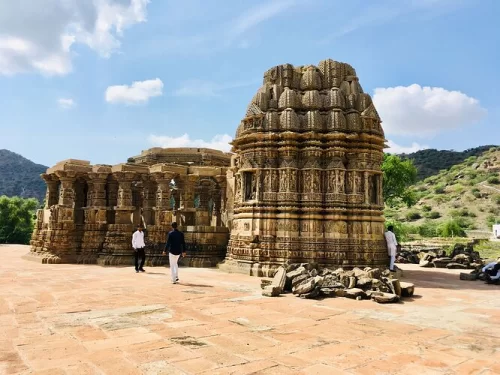
Kiradu Group of Temples Parmar Era

Kiradu Group of Temples is a cluster of ruined Hindu temples located near Harni village in Barmer district, Rajasthan, India.
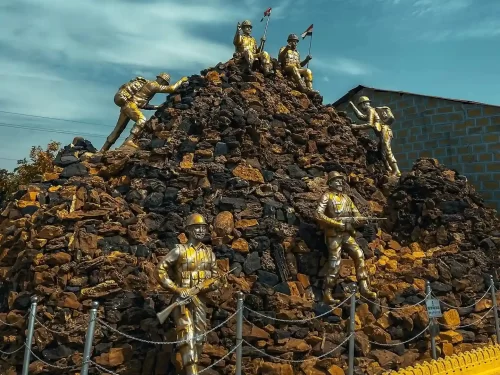
Jaisalmer War Museum expansive outdoor display of captured tanks, fighter jets, and military vehicles commemorating the bravery of Indian soldiers at the Jaisalmer-Jodhpur Highway in Rajasthan. Museum

Jaisalmer War Museum

Jaisalmer War Museum is a military museum located on the Jaisalmer–Jodhpur highway, dedicated to the history of the Indian Army in the western desert region.
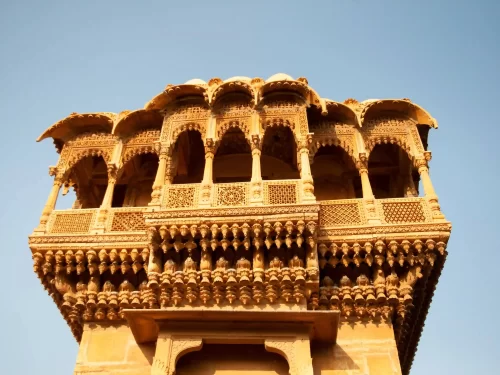
Salim Singh Ki Haveli Jaisalmer Distinctive 19th-century sandstone mansion featuring a unique peacock-shaped roof and thirty-eight delicately carved balconies Rajasthan. Tourist Attraction

Salim Singh Ki Haweli

Salim Singh Ki Haveli is a historic haveli located in the old city area of Jaisalmer, known for its distinctive arched roof and carved sandstone balconies.

Frequently Asked Questions About The Pokaran Fort

Loved this place ? Let’s Plan Your Rajasthan Trip

Get customized Rajasthan tour planning designed around desert climate comfort, long-distance road travel flow, heritage exploration time, and realistic pacing between regions. Whether you are visiting for fort architecture, palace heritage, cultural exper

⚡ Quick Response | 💰 Free consultation | 🕒 24×7 expert support

×

Plan Your Trip