Blue Corridor Jodhpur – Iconic Blue Streets of the Blue City

Blue Corridor , Jodhpur
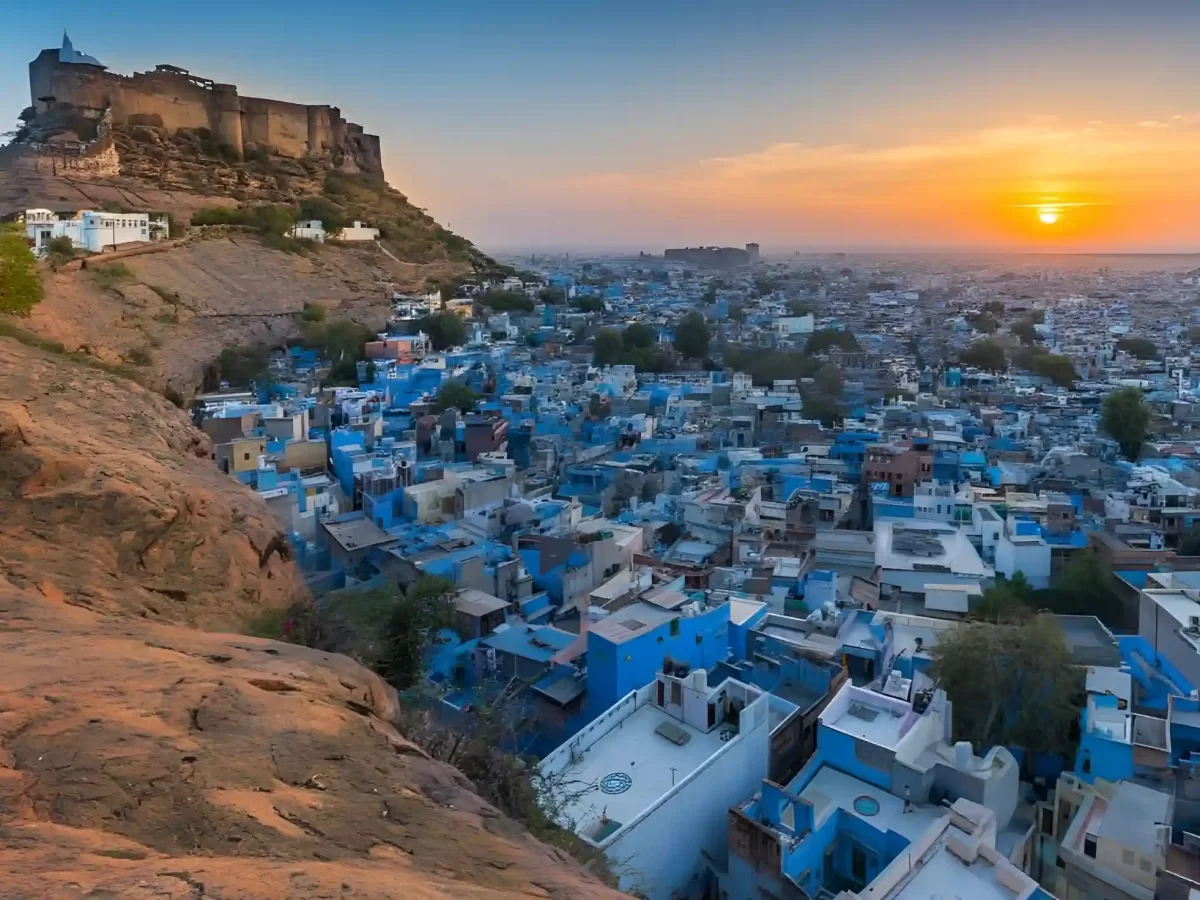
Known for its striking blue houses and narrow lanes, the Blue Corridor represents the essence of Jodhpur’s identity as the Blue City. Traditionally associated with Brahmin homes, the blue color also helps keep buildings cool in the desert climate. Today, the area is a major attraction for photographers and tourists, offering vibrant street scenes, cultural glimpses, and stunning views of Mehrangarh Fort rising above the blue backdrop.

Quick Facts About Blue Corridor

Quick Facts About Blue Corridor Jodhpur

Entry Fee No entry fee, free to explore the Blue Corridor lanes
Timings Accessible daily during daylight hours, best visited between 7 00 AM and 6 30 PM
Altitude (m) Located at approximately 231 meters above sea level in Jodhpur old city area
Ideal Visit Duration Thirty minutes to one hour for walking photography and local exploration
Best Time of Day Early morning for soft light and fewer crowds or late afternoon for street activity
Crowd Level Moderate crowds, higher during peak tourist season and weekends
Distance from City Centre (km) Located within Jodhpur old city about one to two kilometers from central areas like Clock Tower
Walking Difficulty Low to moderate walking difficulty with narrow lanes steps and uneven stone paths
Parking Available No direct parking inside lanes, parking available near Mehrangarh Fort and old city parking zones
Last Mile Access Auto rickshaw taxi or walking access from Clock Tower area or Mehrangarh Fort base
Suitable for Kids Yes suitable for kids with supervision due to narrow lanes and local traffic
Suitable for Seniors Moderate for seniors as lanes have steps and uneven surfaces
Wheelchair Friendly No not wheelchair friendly due to narrow lanes steps and uneven pathways

Why Visit Blue Corridor, Jodhpur

Atmosphere at the Blue Corridor in Jodhpur is vibrant, authentic, and visually captivating, immersing visitors in the true essence of the Blue City. Walking through the narrow lanes lined with blue-painted houses, temples, and old homes creates a lively yet culturally rich environment, where everyday local life blends seamlessly with historic charm.

What makes the Blue Corridor special is its striking visual appeal and cultural authenticity. The continuous stretch of blue structures offers countless photography opportunities, revealing Jodhpur’s traditional architecture, ancient stepwells, hidden shrines, and bustling local neighborhoods. Visitors can explore on foot, interact with locals, and witness how the blue hues help regulate heat while symbolizing cultural identity. The corridor also provides scenic viewpoints of Mehrangarh Fort towering above the city.

Beyond its visual charm, the Blue Corridor holds cultural and experiential significance, offering a raw and genuine glimpse into Jodhpur’s heritage and daily life. It attracts photographers, cultural explorers, solo travelers, and those seeking immersive city experiences. The holistic visit leaves travelers with lasting memories of color, culture, and the timeless spirit of Jodhpur.

History of Blue Corridor, Jodhpur

The Blue Corridor of Jodhpur refers to the historic lanes and residential quarters of the old city surrounding Mehrangarh Fort, known for their distinctive blue-painted houses. This tradition dates back several centuries and is closely linked to the Brahmin community, who originally painted their homes blue to signify social identity and religious purity.

Over time, the practice of painting houses blue spread beyond caste boundaries due to its practical benefits, including heat reduction and insect repellent properties. The Blue Corridor evolved organically as Jodhpur expanded, forming a visually striking urban landscape that reflects the city’s social history and adaptation to desert climate.

Today, the Blue Corridor stands as a cultural and historical symbol of Jodhpur, attracting photographers, historians, and tourists. It offers a living glimpse into the city’s heritage, daily life, and architectural character, earning Jodhpur its iconic title as the “Blue City.”

Best Time to Visit Blue Corridor Jodhpur

Visiting the Blue Corridor in Jodhpur is most enjoyable when the weather is pleasant, allowing visitors to walk through the blue-painted lanes, explore local life, and capture photographs comfortably without extreme heat.

The months from October to March are ideal for visiting, as Jodhpur experiences cool and comfortable winter weather. This period is perfect for heritage walks, photography, and exploring the old city streets around Mehrangarh Fort.

Spring months from March to early April remain suitable, though temperatures gradually rise. Early morning visits are recommended to avoid daytime heat while enjoying quiet streets and soft natural light for photography.

Summer season from May to September brings intense desert heat, making daytime walks uncomfortable. While the monsoon may add a touch of greenery and freshness, most travelers prefer avoiding peak summer months and exploring the area only during early mornings.
  • October to March for pleasant weather, walking tours, and photography
  • March to early April for cooler mornings before peak summer heat
  • May to September best avoided due to extreme temperatures
  • Early mornings offer calm streets and the best light for photography
  • Winter months are ideal for combining the visit with Mehrangarh Fort

How to Reach Blue Corridor, Jodhpur

  • By Air: The nearest airport is Jodhpur Airport, approximately 6 km from the Blue Corridor area. Visitors can hire taxis or app-based cabs for a quick and comfortable transfer.
  • By Train: Jodhpur Junction Railway Station is well connected with major cities such as Delhi, Jaipur, Mumbai, and Ahmedabad. From the station, auto-rickshaws and taxis are easily available to reach the Blue Corridor.
  • By Road: Jodhpur is connected via national and state highways. Regular buses, private taxis, and self-drive vehicles make it easy to reach the old city area where the Blue Corridor is located.
  • Local Transport: Within Jodhpur, auto-rickshaws, cycle rickshaws, and local taxis provide smooth last-mile connectivity. Much of the Blue Corridor is best explored on foot due to narrow lanes.

What to Expect When You Visit Blue Corridor Jodhpur

  • Immersive surroundings that reflect the true natural, cultural, or spiritual character of the destination, offering a peaceful and enriching travel experience.
  • Well-maintained visitor pathways and accessible viewing points designed to provide comfortable exploration while preserving the authenticity of the location.
  • Opportunities to engage with local traditions, regional architecture, or natural landscapes, allowing travelers to gain deeper cultural understanding.
  • Scenic photo spots and panoramic viewpoints that highlight the area’s unique beauty throughout different times of the day.
  • Informational boards, guides, or locally available assistance that help visitors learn the historical or environmental importance of the site.
  • Seasonal changes in atmosphere, crowd levels, and visual appeal, ensuring a different yet memorable experience depending on the time of visit.
  • Nearby amenities such as refreshment stalls, rest areas, or small markets offering local flavors and handicrafts.
  • A calm and respectful environment that allows visitors to fully absorb the significance and charm of the destination.

Important Visitor Information and Safety of Blue Corridor Jodhpur

  • Crowd & Peak Hours: Expect higher visitor movement during late mornings, afternoons, weekends, and peak tourist seasons. Early morning visits are quieter and ideal for walking and photography.
  • Weather Notes: Summers can be extremely hot, while winters are cool and pleasant. Narrow lanes may feel warmer during midday in summer.
  • Dress Code: Wear comfortable walking shoes and light, breathable clothing suitable for walking through narrow streets. Modest attire is recommended as it is a residential area.
  • Safety Tips: Be mindful of narrow lanes and local traffic, keep personal belongings secure, respect local residents’ privacy, and stay hydrated during hot weather.

Photography and Viewpoints at Blue Corridor, Jodhpur

  • The iconic blue-painted houses lining the corridor create striking color-themed compositions ideal for street and urban photography.
  • Narrow lanes, textured walls, and contrasting doorways offer excellent opportunities for close-up and perspective-driven shots.
  • Natural light filtering through tight passages enhances shadows and depth, adding dramatic character to photographs.
  • Wide-angle shots capture the rhythm and repetition of blue façades, showcasing the visual identity of the Blue City.
  • Everyday local life, residents, and traditional activities add authenticity and storytelling depth to images.
  • Vantage points along elevated sections allow photographers to frame layers of blue homes against the surrounding cityscape.

Near By Attraction

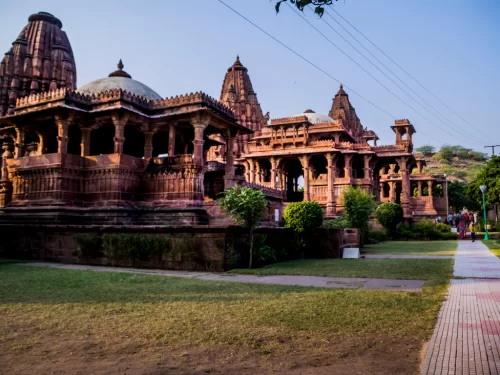
Mandore Garden temples at Jodhpur during sunny day, featuring red sandstone shikharas, domes, pavilions, lawns, perfect heritage experience Rajasthan tour packages. Garden

Mandore Garden

Mandore Garden is a historic public garden and heritage complex located in Mandore, on the outskirts of Jodhpur, Rajasthan.
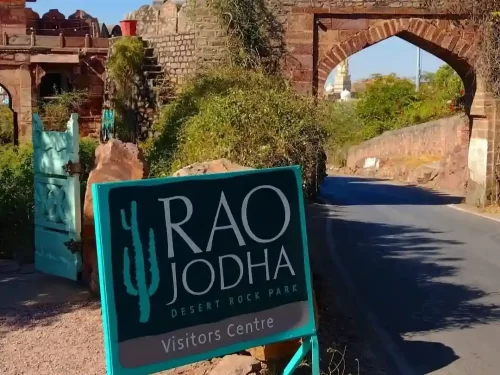
Rao Jodha Desert Rock Park Jodhpur Ecologically restored volcanic wasteland featuring native lithophytic plants and trails through 72-hectare rhyolite rock formations Rajasthan. National Park

Rao Jodha Desert Rock Park

A rocky desert park located at the base of Mehrangarh Fort in Jodhpur.

Kaylana Lake Jodhpur Massive artificial lake with golden rocky hills and scenic sunset viewpoints in Rajasthan. Lake

Kaylana Lake

Kaylana Lake is an artificial freshwater reservoir located on the outskirts of Jodhpur

Frequently Asked Questions About Blue Corridor

Blue Corridor is located in the old city area of Jodhpur, Rajasthan. It forms part of the famous blue painted lanes near Mehrangarh Fort.
Blue Corridor is known for its blue painted houses, narrow lanes and traditional architecture that give Jodhpur the name Blue City.
There is no entry fee to walk through Blue Corridor. Visitors can explore the area freely as it is a residential neighborhood.
Blue Corridor can be reached easily by auto, taxi or on foot from the Mehrangarh Fort area in Jodhpur.
The best time to visit Blue Corridor is between October and March when the weather remains pleasant for walking tours in Jodhpur.
Around one to two hours are sufficient to explore Blue Corridor comfortably. Visitors interested in photography may spend additional time.
Blue Corridor is suitable for families and heritage walkers. Comfortable footwear is recommended due to uneven lanes.
Blue Corridor experiences moderate to heavy footfall during peak tourist season and weekends. Early morning visits usually offer a quieter experience.
Local walking tour guides are available in Jodhpur who offer guided experiences through Blue Corridor and nearby heritage areas.
Photography is allowed in Blue Corridor, but visitors should respect the privacy of local residents while taking pictures.
Small cafes and local eateries are available near Blue Corridor in the old city area of Jodhpur.
Mehrangarh Fort, Jaswant Thada and Clock Tower Market can be combined with a Blue Corridor visit. These attractions are located within Jodhpur in Rajasthan.

Loved this place ? Let’s Plan Your Rajasthan Trip

Get customized Rajasthan tour planning designed around desert climate comfort, long-distance road travel flow, heritage exploration time, and realistic pacing between regions. Whether you are visiting for fort architecture, palace heritage, cultural exper

⚡ Quick Response | 💰 Free consultation | 🕒 24×7 expert support

×

Plan Your Trip