Quick Facts About Bada Bagh
Quick Facts About Bada Bagh
| Entry Fee | INR 50 per adult; INR 25 per child |
| Timings | Sunrise to Sunset, 6:00 AM – 6:30 PM |
| Altitude (m) | 145 |
| Ideal Visit Duration | 1–2 hours |
| Best Time of Day | Late afternoon to sunset for optimal photography |
| Crowd Level | Low to moderate, peaks near sunset |
| Distance from City Centre (km) | 6 km from Jaisalmer Fort |
| Walking Difficulty | Moderate, includes slight uphill walk to cenotaphs |
| Parking Available | Yes, limited parking near entrance |
| Last Mile Access | Footpaths from parking; some areas uneven |
| Suitable for Kids | Yes, with supervision due to uneven terrain |
| Suitable for Seniors | Yes, though some walking is required |
| Wheelchair Friendly | No, terrain and steps limit accessibility |
Why Visit Bada Bagh
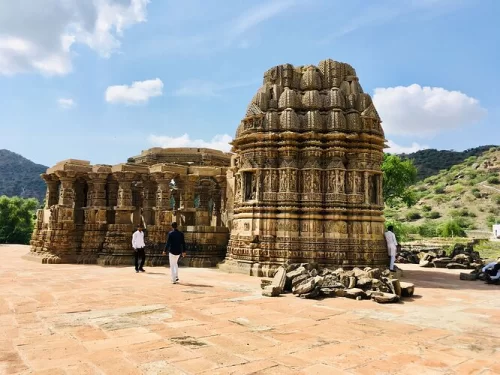
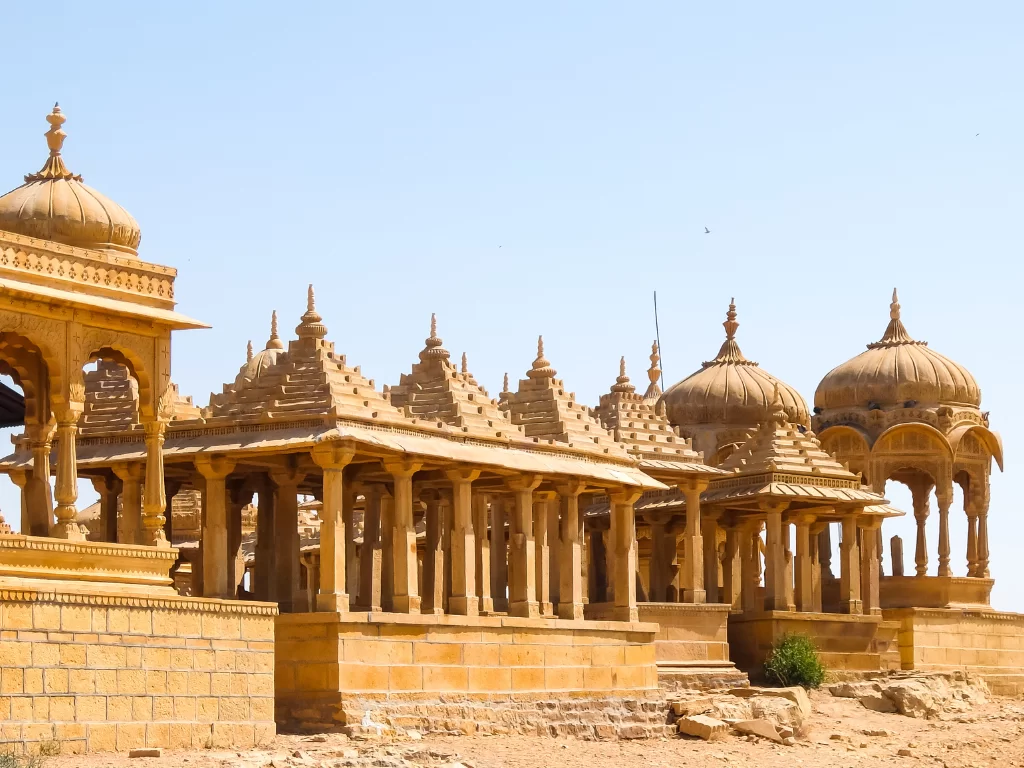
Visitors come to Bada Bagh to explore its series of royal cenotaphs set against the expansive Thar Desert landscape, offering a serene cultural experience.
The atmosphere on-site is tranquil, with minimal crowds and open spaces that allow for quiet reflection and photography, especially during late afternoons.
Bada Bagh is distinct for travelers due to its unique blend of sandstone architecture and desert vistas, providing an authentic glimpse into the royal memorial traditions of Rajasthan.
History of Bada Bagh
Bada Bagh was commissioned in the early 16th century by Maharaja Jai Singh of Jaisalmer as a garden complex with royal cenotaphs for the Bhatti dynasty.
The site holds cultural significance as the memorial ground for successive rulers of Jaisalmer, with intricately carved chhatris marking their resting places.
Best Time to Visit Bada Bagh
The ideal period to visit Bada Bagh is during the cooler months when the desert temperatures are manageable and sightseeing is comfortable.
- Ideal months: October to March
- Weather conditions: Mild daytime temperatures, cool mornings and evenings, clear skies
- Periods to avoid: April to September due to extreme heat and occasional sandstorms making exploration difficult
How to Reach Bada Bagh
- Nearest airport: Jaisalmer Airport, approximately 12 km from the city center, with limited regional flights
- Nearest railway station: Jaisalmer Railway Station, about 10 km away, well-connected to major cities in Rajasthan
- Road access and last-mile connectivity: Accessible via a paved road from Jaisalmer; taxis, auto-rickshaws, and private vehicles are commonly used for the 6 km final stretch to Bada Bagh
What to Expect When You Visit Bada Bagh
- Environment: Open desert landscape with cenotaphs scattered on a gently elevated terrace, offering panoramic views.
- Facilities and amenities: Minimal on-site facilities; a few shaded areas and basic seating are available; no food outlets on the premises.
- Accessibility and movement: Gravel paths between cenotaphs; walking is required to explore the complex, which may be uneven in places.
- Typical visitor behavior and conditions: Visitors usually spend time photographing the cenotaphs and observing architecture; mornings and late afternoons are quieter.
Important Visitor Information for Bada Bagh
- Crowd and weather notes: Typically quiet except during peak tourist season; desert heat can be intense midday.
- Peak and quiet visiting hours: Early morning and late afternoon are the best times for fewer visitors and softer light.
- Dress code: Light, breathable clothing recommended; modest attire appreciated when visiting cultural sites.
- Safety notes and practical cautions: Uneven terrain requires sturdy footwear; carry water and sun protection; limited shade available.
Photography and Viewpoints at Bada Bagh
- Best viewpoints: Elevated terraces and the main cenotaph complex offer panoramic views of the desert landscape and surrounding cenotaphs.
- Lighting conditions: Early morning and late afternoon provide soft, warm light ideal for capturing the sandstone structures.
- Rules or restrictions: Photography is allowed throughout; avoid using drones without local permission.
- Crowd and access factors: The site is generally quiet; access involves walking on uneven paths, which may limit tripod placement.