+91 9910402252
admin@chalbanjare.com


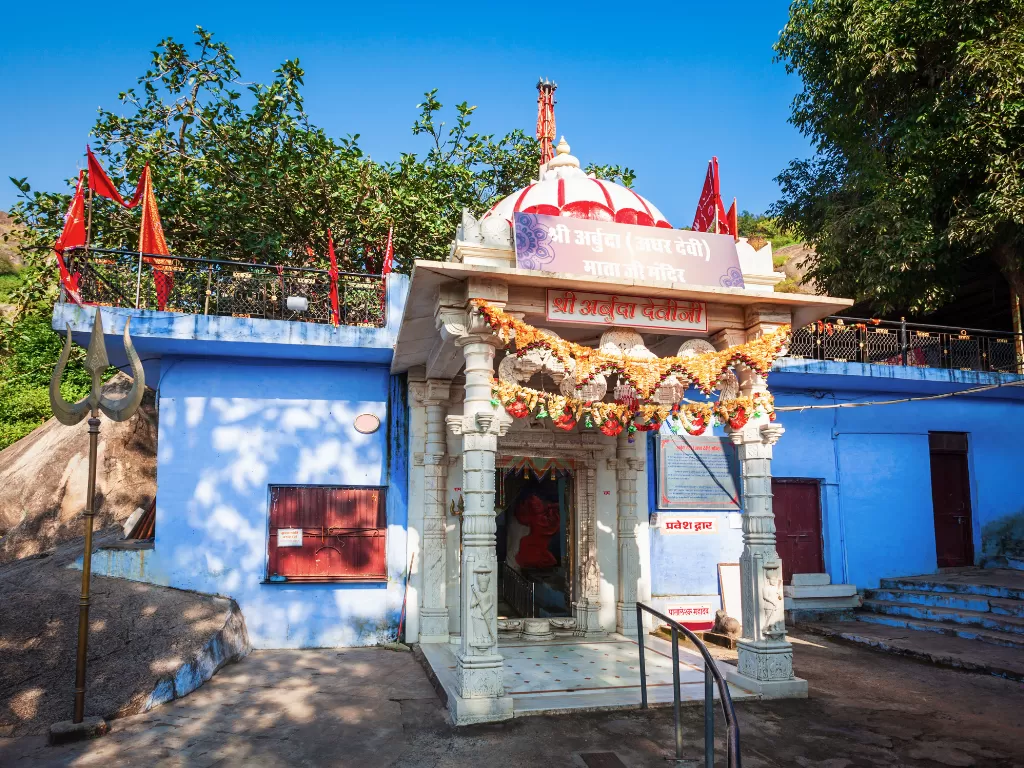
| Entry Fee | No entry fee free to visit the temple |
|---|---|
| Timings | Temple generally open daily from 5 00 AM to 8 00 PM |
| Altitude (m) | Located at approximately 1220 meters above sea level on the Arbuda Hills |
| Ideal Visit Duration | One to two hours including climbing stairs and exploring temple area |
| Best Time of Day | Early morning or late afternoon for cooler weather and panoramic views |
| Crowd Level | Moderate to high during festivals especially Navratri otherwise moderate |
| Distance from City Centre (km) | About three kilometers from Mount Abu town centre and bus station |
| Walking Difficulty | Moderate to high due to climb of 365 steps carved into mountain |
| Parking Available | Yes parking available near base of hill before stair climb |
| Last Mile Access | Local taxi and auto rickshaws available to reach base of hill before ascending |
| Suitable for Kids | Yes suitable for children but stair climb may be tiring for young kids |
| Suitable for Seniors | Moderate for seniors due to steep stairs and climbing |
| Wheelchair Friendly | No not wheelchair friendly because of stairs and uneven paths |
Atmosphere at Arbuda Devi Temple is deeply spiritual and serene, set amidst the rocky hills and forested surroundings of Mount Abu. The journey to the temple itself feels devotional, with a long flight of steps leading upward and gradually distancing visitors from everyday noise. The cool mountain air, quiet surroundings, and steady flow of devotees create an environment that is calm, reflective, and spiritually uplifting.
What makes Arbuda Devi Temple special is its ancient religious significance and unique cave-style sanctum dedicated to Goddess Arbuda, a revered form of Durga. The temple is closely associated with local legends and holds immense importance for devotees visiting Mount Abu. From the hilltop, visitors can also enjoy panoramic views of the surrounding valleys, adding a scenic dimension to the spiritual experience. The blend of faith, mythology, and natural beauty makes the visit both meaningful and memorable.
Beyond devotion, Arbuda Devi Temple offers cultural depth and a sense of timeless tradition rooted in Rajasthan’s spiritual heritage. It attracts pilgrims, spiritual seekers, and travelers looking to experience Mount Abu beyond its usual sightseeing spots. The holistic experience leaves visitors with a lasting sense of peace, reverence, and connection to the sacred landscape of the Aravalli hills.
Arbuda Devi Temple, located on a hilltop near Mount Abu in Rajasthan, is an ancient Hindu shrine dedicated to Goddess Durga. The temple is believed to be several centuries old and is closely associated with local legends that link the goddess to the protection and spiritual safeguarding of the Aravalli region. According to tradition, the name “Arbuda” is derived from the Aravalli mountain range, emphasizing the temple’s deep-rooted connection to the landscape.
Historically, the temple gained prominence as a Shakti worship site, attracting devotees from nearby regions who sought blessings for strength, protection, and prosperity. Its cave-like sanctum and steep stairway approach reflect early temple-building practices, where natural rock formations were integrated into sacred architecture.
Over time, Arbuda Devi Temple has remained an important pilgrimage stop for visitors to Mount Abu, preserving its spiritual legacy while continuing age-old rituals and festivals. The temple stands today as a symbol of faith, endurance, and the enduring religious traditions of the Aravalli hills.
The best time to visit Arbuda Devi Temple in Mount Abu depends largely on weather comfort and crowd levels, as the temple is located on a hilltop and requires climbing steps. Choosing the right season ensures a peaceful darshan and a pleasant journey.
The months from October to March are considered the most ideal. During this period, Mount Abu experiences cool and comfortable weather, making the climb to the temple manageable and enjoyable. Clear skies and pleasant temperatures also enhance the overall spiritual experience.
Summer months from April to June are warmer, but Mount Abu remains cooler compared to the plains. Early morning or evening visits during this season are recommended to avoid heat while enjoying serene temple surroundings and panoramic views.
Monsoon season from July to September transforms the region into a lush green landscape, adding scenic charm to the temple visit. However, steps may become slippery due to rainfall, so visitors should exercise caution. Fewer crowds during this time offer a quieter and more contemplative experience.
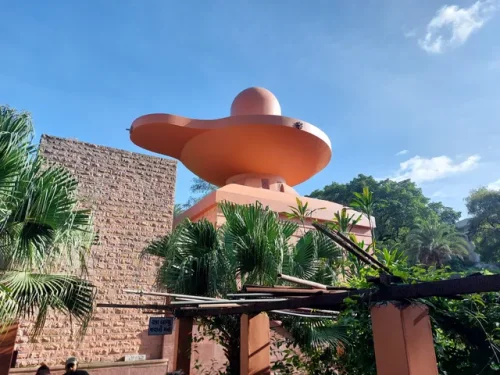 Temple
Shankar Math is a Hindu monastic institution located in Mount Abu, Rajasthan, India.
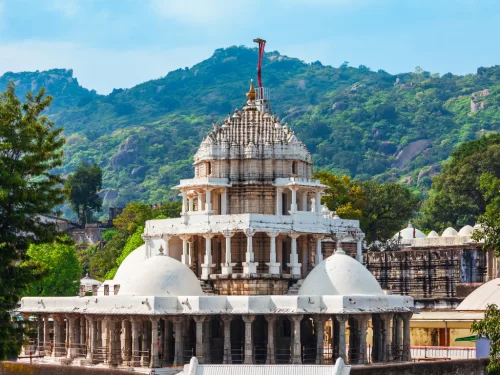 Tourist Attraction
Delwara Jain Temple is a group of historic Jain temples located near Mount Abu, Rajasthan.
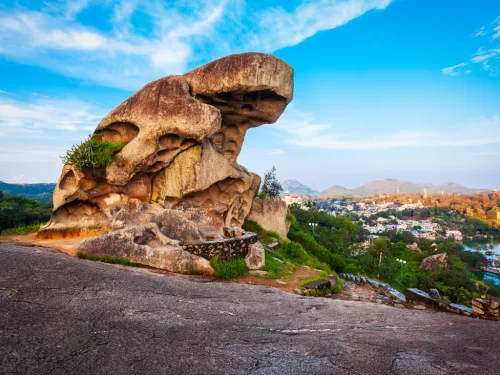 Tourist Attraction
Toad Rock is a naturally formed rock formation in Mount Abu, Rajasthan, resembling the shape of a toad.
Get customized Rajasthan tour planning designed around desert climate comfort, long-distance road travel flow, heritage exploration time, and realistic pacing between regions. Whether you are visiting for fort architecture, palace heritage, cultural exper
⚡ Quick Response | 💰 Free consultation | 🕒 24×7 expert support