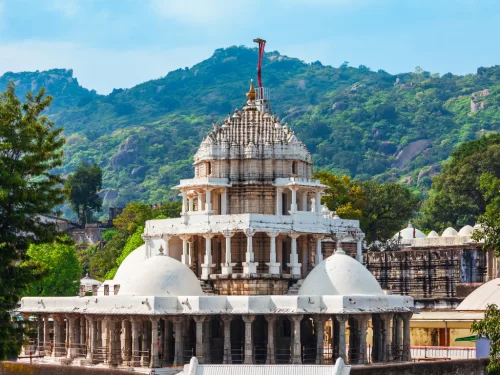
Achalgarh Temple, Mount Abu, Rajasthan, India

Achalgarh Temple , Mount Abu
The temple is visited for its 15th-century architecture, religious significance, and scenic hilltop location. It features marble carvings, a large Shiva lingam, and nearby Jain temples, attracting devotees and history enthusiasts.

Quick Facts About Achalgarh Temple

Quick Facts About Achalgarh Temple

Entry Fee No entry fee
Timings 6:00 AM – 6:00 PM daily
Altitude (m) 1,220
Ideal Visit Duration 1–2 hours
Best Time of Day Early morning or late afternoon
Crowd Level Moderate, higher on weekends and festivals
Distance from City Centre (km) 11 km from Mount Abu town
Walking Difficulty Moderate; involves steps and uneven paths
Parking Available Yes, limited parking near temple entrance
Last Mile Access Short walk uphill from parking, paved in parts
Suitable for Kids Yes, with supervision
Suitable for Seniors Partially; some steps and slopes
Wheelchair Friendly No; uneven paths and steps limit accessibility

Why Visit Achalgarh Temple

Visitors come to Achalgarh Temple to see the hilltop Shiva temple, intricate marble carvings, and nearby Jain shrines, offering both spiritual and visual interest.

The atmosphere is calm and reflective, with devotees performing rituals and small groups of tourists exploring the temple grounds and surrounding hill paths.

This temple is distinct for travelers due to its elevated location providing panoramic views of Mount Abu, combined with its mix of active worship and accessible heritage architecture.

History of Achalgarh Temple

Achalgarh Temple is part of a fortified complex built in the 15th century by Maharana Kumbha. It holds religious significance as a Shiva temple and attracts devotees for worship and local festivals.

The site also includes Jain temples nearby, reflecting the region's historical coexistence of Hindu and Jain religious practices. The temple's architecture features marble carvings and a prominent Shiva lingam.

Best Time to Visit Achalgarh Temple

The best time to visit Achalgarh Temple is during the cooler months when walking around the hilltop complex is comfortable and the views are clear.
  • Ideal Months: October to March
  • Weather Conditions: Mild temperatures, low humidity, and clear skies make outdoor exploration easier.
  • Periods to Avoid: April to June due to extreme heat; July to September during monsoon when paths can be slippery and access may be restricted.

How to Reach Achalgarh Temple

  • Nearest Airport: Maharana Pratap Airport, Udaipur, approximately 165 km from Mount Abu; taxis and buses are available for onward travel.
  • Nearest Railway Station: Abu Road Railway Station, 28 km from the temple; regular taxis and auto-rickshaws connect to Mount Abu and Achalgarh Temple.
  • Road Access and Last-Mile Connectivity: The temple is accessible via a paved road from Mount Abu town, followed by a short uphill walk. Roads can be narrow and winding; care is needed during monsoon season.

What to Expect When You Visit Achalgarh Temple

  • Environment and Surroundings: The temple is situated on a hilltop within a fortified complex, offering panoramic views of Mount Abu. Surrounding areas include rocky paths and small gardens.
  • Facilities and Amenities: Basic amenities include a small parking area and public restrooms near the entrance. There are no food or extensive visitor facilities on-site.
  • Accessibility and Movement: Visitors should be prepared for uphill walking and uneven stone steps. Portions of the complex may be challenging for those with mobility issues.
  • Typical Visitor Behavior and Conditions: The site sees both devotees and tourists. Mornings are quieter, while weekends and festival days are moderately crowded. Visitors generally move slowly to observe carvings and perform rituals.
  • Limitations or Constraints: Wheelchair access is not available due to steps and sloped paths. Portions of the temple complex may be restricted during religious ceremonies.

Important Visitor Information for Achalgarh Temple

  • Crowd and Weather Notes: The temple is moderately crowded on weekends and during festivals. Summers can be hot, and monsoon rains make pathways slippery.
  • Peak and Quiet Visiting Hours: Early morning (6:00–9:00 AM) is the quietest period; late morning to early afternoon sees increased visitor activity.
  • Dress Code: Modest attire is recommended due to religious significance. Comfortable shoes are advised for walking on uneven paths.
  • Safety Notes and Practical Cautions: Exercise caution on stone steps and sloped paths. Avoid carrying large bags, and supervise children closely on uphill sections.

Photography and Viewpoints at Achalgarh Temple

  • Best Viewpoints or Angles: The central temple courtyard and hilltop paths offer wide-angle shots of the fortified complex and surrounding hills. Close-up shots of the Shiva lingam and marble carvings are possible in designated areas.
  • Lighting Conditions and Time-of-Day: Morning light (6:00–9:00 AM) provides softer illumination and fewer shadows on carvings. Late afternoon offers warm light on the temple façade and panoramic views of Mount Abu.
  • Photography Rules or Restrictions: Photography is allowed in outdoor areas. Avoid using flash or tripods inside temple interiors and during rituals.
  • Crowd and Access Factors: Weekends and festival days can make photography challenging due to visitors. Early morning visits provide clearer, unobstructed shots and easier access to viewpoints.

Near By Attraction

Dilwara Jain Temple Mount Abu, featuring intricate white marble multi-tiered shikhara domes pillars forested hills blue skies flag, perfect Rajasthan tour packages. Tourist Attraction

Delwara Jain Temple

Delwara Jain Temple is a group of historic Jain temples located near Mount Abu, Rajasthan.

Toad Rock Sunset Point Mount Abu Rajasthan, iconic toad-shaped rock formation overlooking Nakki Lake town hills lush greenery blue skies, perfect Rajasthan hill station tour packages. Tourist Attraction

Toad Rock

Toad Rock is a naturally formed rock formation in Mount Abu, Rajasthan, resembling the shape of a toad.

Sunset Point Mount Abu Popular hilltop lookout featuring tiered stone seating, a panoramic view of the Aravali Range, and the sun dipping below the desert horizon Rajasthan. Viewpoint

Sunset Point Mount Abu

Sunset Point is a natural viewpoint in Mount Abu, Rajasthan, known for panoramic sunset views over the Aravalli hills.

Frequently Asked Questions About Achalgarh Temple

Achalgarh Temple is located near Achalgarh Fort in Mount Abu and is accessible by road followed by a short walk.
Achalgarh Temple is generally open from morning to evening, and visitors are advised to check local timings before planning their visit.
The best time to visit Achalgarh Temple is between October and March when the weather is comfortable for sightseeing.
There is usually no separate entry fee for Achalgarh Temple, though fort access may have nominal charges.
Travelers can reach Achalgarh Temple by taxi or private vehicle from Mount Abu, followed by a short uphill walk.
Most visitors spend around 45 minutes to 1 hour exploring Achalgarh Temple and the surrounding fort area.
Photography policies at Achalgarh Temple may vary, so visitors should follow instructions displayed at the entrance.
Achalgarh Temple is suitable for family visits, though some steps and uneven pathways require careful walking.
Basic facilities such as parking and small local stalls are available near Achalgarh Temple.
Achalgarh Temple can easily be included in a one day Mount Abu itinerary along with Achalgarh Fort and nearby viewpoints.

Loved this place ? Let’s Plan Your Rajasthan Trip

Get customized Rajasthan tour planning designed around desert climate comfort, long-distance road travel flow, heritage exploration time, and realistic pacing between regions. Whether you are visiting for fort architecture, palace heritage, cultural exper

⚑ Quick Response | πŸ’° Free consultation | πŸ•’ 24Γ—7 expert support

×

Plan Your Trip