All you need to know about Rajasthan

Rajasthan offers travelers a captivating mix of desert landscapes, historic forts, and vibrant cultural traditions that shape daily life. Communities here are deeply connected to local customs, folk arts, and festivals, creating a colorful and immersive environment. Food habits focus on rich, flavorful meals often crafted from locally sourced ingredients, reflecting both sustenance and heritage.

Visitors can experience a rhythmic lifestyle of bustling markets, village routines, and community gatherings, gaining insight into the state’s distinctive way of life. Rajasthan provides a memorable travel experience where natural beauty, cultural vibrancy, and authentic local interactions converge seamlessly.

What Makes Rajasthan a Unique Travel Region

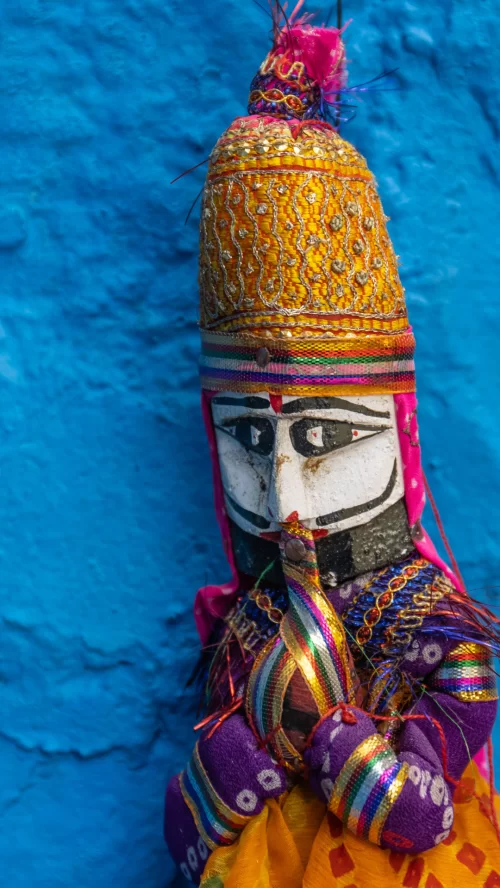
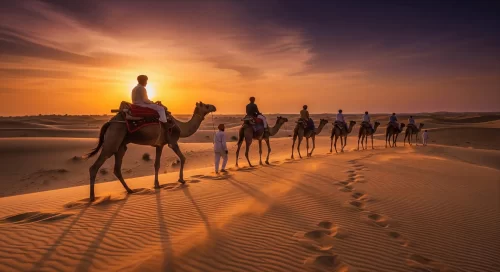
Rajasthan is shaped by vast desert landscapes, rugged hills, and historic trade routes that once connected kingdoms and caravans. The arid geography influenced architecture, water conservation systems, textiles, and fortified settlements built for resilience and grandeur. Cultural identity here is expressive and proud, reflected in music, attire, craftsmanship, and storytelling traditions that remain active in daily life. Travel across the state feels dramatic and visually striking, offering a blend of royal legacy, desert rhythm, and strong regional character.

  • Geography: Desert expanses, rocky hills, and semi-arid terrain shaping settlement patterns
  • Culture: Royal heritage, vibrant crafts, and deeply rooted folk traditions
  • Travel vibe: Grand, colorful, and historically immersive
  • Distinct experience type: Heritage-led journeys defined by forts, desert landscapes, and living tradition

Types of Destinations You’ll Find in Rajasthan

  • Desert landscapes and sand dune regions
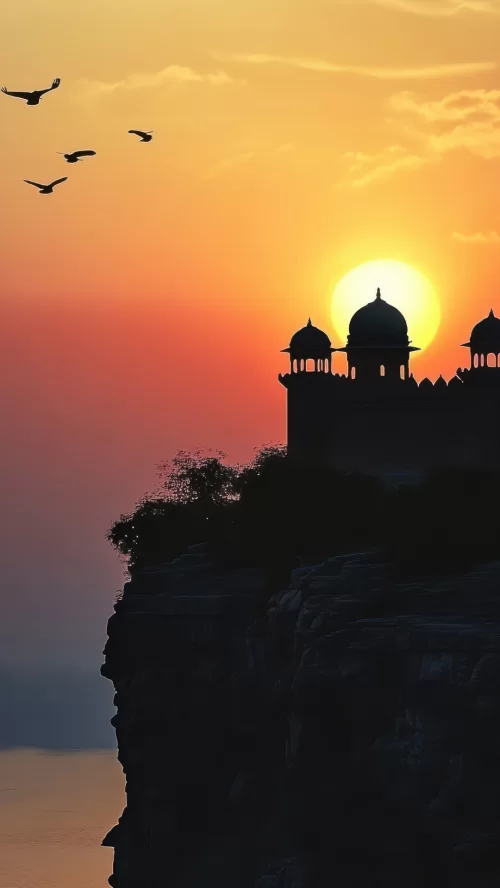
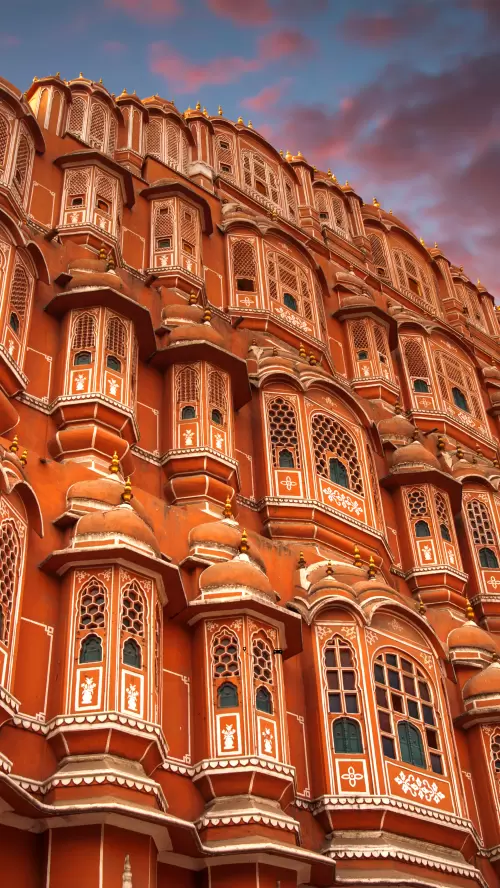
  • Royal forts and palace heritage zones
  • Spiritual pilgrimage and temple circuits
  • Wildlife reserves and arid forest habitats
  • Rural villages and traditional craft belts

Popular Tourist Circuits Across Rajasthan

Travel across Rajasthan is structured around large geographic zones connected by long highway stretches across desert plains and semi-arid regions. The state is expansive, so realistic planning requires grouping nearby heritage cities and landscape belts rather than attempting cross-state travel in short durations. Road journeys can be several hours between major clusters, and summer heat significantly influences daytime exploration. Winter offers more comfortable conditions for extended sightseeing. A practical journey of seven to ten days allows balanced pacing without rushed long-distance transfers.

Circuit Type Areas Covered (generic descriptions only, no place names) Ideal Duration (realistic and safety based) Travel Style
Royal Heritage Circuit Fort cities, palace complexes, stepwells, and historic old quarters 5–7 days Guided cultural exploration with moderate road transfers
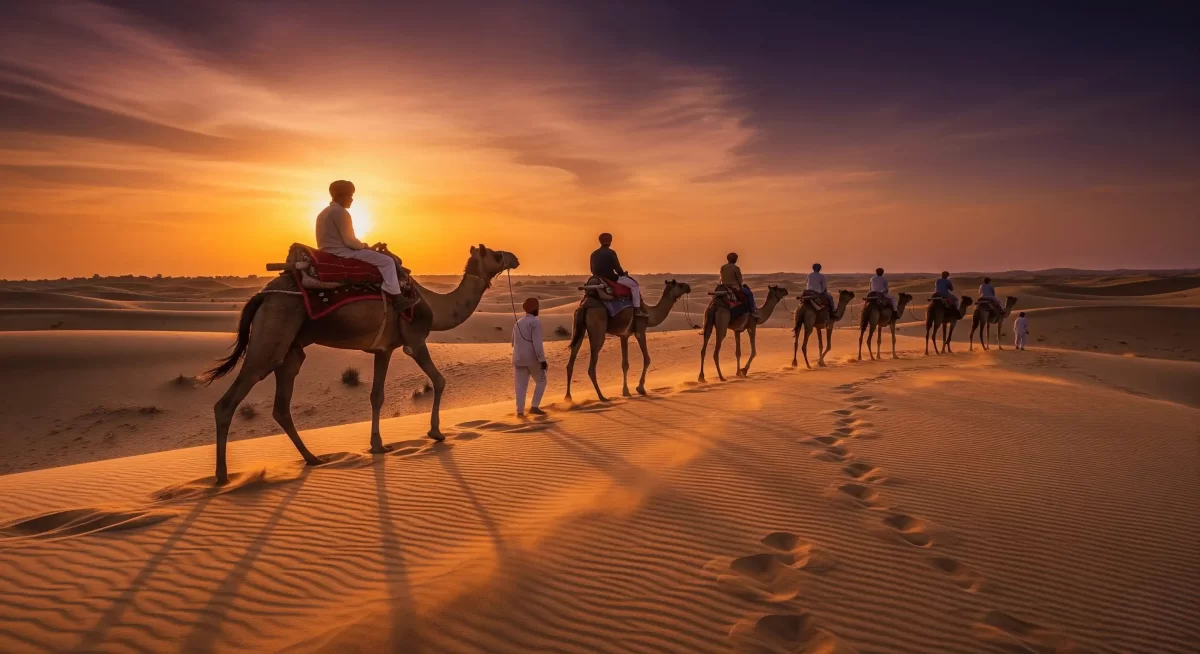
Desert Landscape Circuit Sand dunes, desert villages, and arid countryside regions 3–5 days Scenic desert travel with sunset-based experiences
Wildlife & Rural Circuit Forest reserves, grasslands, and traditional village belts 4–6 days Nature-focused travel with road-based safaris
Spiritual & Cultural Circuit Temple towns, pilgrimage centers, and heritage settlements 4–6 days Faith-oriented travel combined with cultural immersion

Best Time to Travel to Rajasthan

Plan your Rajasthan journey based on your comfort with desert temperatures, cultural event seasons, and how much time you intend to spend outdoors exploring forts and heritage landscapes.

Season Months Weather Conditions Travel Suitability
Winter October to March Pleasant days, cooler evenings, and dry desert air with clear skies. Most comfortable period for fort visits, desert experiences, heritage walks, and full day sightseeing.
Summer April to June High daytime temperatures with dry heat, especially in desert regions. Suitable for travelers comfortable with warm climates who prefer early morning exploration and relaxed indoor breaks.
Monsoon July to September Moderate rainfall in some regions with slightly cooler evenings and refreshed landscapes. Ideal for those who enjoy greener surroundings and a quieter travel atmosphere.

How Many Days Do You Need to Explore Rajasthan

Trip Duration What You Can Experience Best For
5 to 6 Days A focused journey across one primary heritage circuit with time for forts, palaces, local markets, and regional cuisine. Travel remains manageable with balanced road distances and comfortable daily schedules. Short heritage holidays, first-time visitors, and cultural travelers.
7 to 9 Days A well-paced exploration covering multiple architectural zones, desert landscapes, and traditional cultural experiences. Allows scenic drives and relaxed evenings without rushing between regions. Families, history enthusiasts, and leisure explorers.
10 to 12 Days A comprehensive journey including forts, palaces, desert stretches, wildlife reserves, and craft traditions. Longer travel segments are spaced comfortably for a smoother experience. Photographers, heritage lovers, and immersive travelers.
12+ Days An in-depth exploration allowing meaningful engagement with rural landscapes, seasonal festivals, desert experiences, and cultural immersion at a relaxed pace. Long-stay visitors, experiential travelers, and cultural researchers.

How Travelers Usually Explore Rajasthan

Travel across Rajasthan usually begins through its major airports or well-connected railway stations, after which visitors choose a heritage or desert-region base depending on their interests. From these bases, exploration unfolds in a circuit style, as distances between historic towns, desert landscapes, and wildlife areas can be significant. Travel pacing is generally steady, with planned road journeys and overnight stays that allow time to appreciate architecture, culture, and regional diversity without rushing.

  • Road travel is the primary way to connect forts, desert regions, and rural landscapes.
  • Rail connectivity links major cities and serves as a convenient intercity travel option.
  • Local transport includes taxis, auto-rickshaws, app-based cabs, and regional buses.
  • Travelers commonly follow multi-day heritage circuits, while shorter trips focus on day explorations from a selected base.

Culture, Food & Everyday Life in Rajasthan

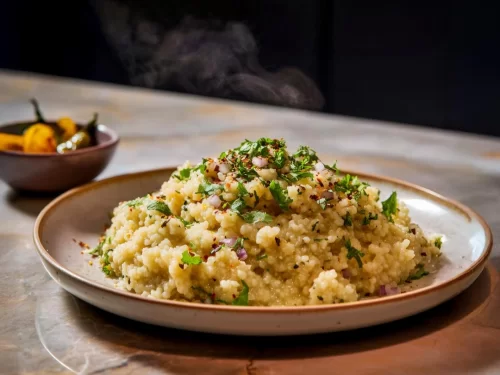
Life in Rajasthan is shaped by arid landscapes, desert climates, and wide temperature variations that influence architecture, clothing, food, and daily timing. Mornings often begin early to adapt to heat, while afternoons slow down before social life resumes in the evening. Agriculture, animal husbandry, handicrafts, trade, and tourism guide livelihoods across the state. Social behavior reflects deep respect for tradition, strong family structures, and a visible pride in heritage expressed through attire, language, and customs. Visitors may observe formal hospitality blended with straightforward communication. Food habits are climate-adapted and nourishment-focused, relying on grains, pulses, preserved ingredients, and cooking techniques suited to dry conditions and water conservation. Meals are designed for sustained energy and practicality. Emotionally, travelers experience a culturally resilient region where warmth in human interaction contrasts beautifully with the starkness of the natural landscape.

  • Desert-influenced lifestyle shaped by climate extremes
  • Strong heritage identity and structured social values
  • Climate-adaptive, energy-focused nourishment patterns
  • Balanced rhythm between harsh landscape and warm hospitality

Festivals & Seasonal Travel Experiences in Rajasthan

Season Festival / Experience Type Travel Atmosphere
Winter (Nov – Feb) Desert festivals, heritage fairs, cultural music and dance events Cool and comfortable weather with vibrant cultural programs and ideal conditions for fort and desert exploration
Spring (Mar – Apr) Color festivals, traditional fairs, temple celebrations Pleasant climate with lively street celebrations and strong local participation
Summer (May – Jun) Hill retreats, palace visits, early morning sightseeing Warm temperatures with travel planned during cooler hours and quieter tourist movement
Monsoon (Jul – Sep) Monsoon palace experiences, cultural observances, nature retreats Refreshed landscapes, scenic views, and a calmer, romantic travel atmosphere
Autumn (Oct) Major regional festivals, traditional markets, folk performances High festive spirit with balanced weather and vibrant public celebrations

Travel Conditions, Weather & Practical Tips

  • Rajasthan experiences hot summers, a brief monsoon phase that refreshes desert landscapes, and comfortable winters that are ideal for extended outdoor exploration.
  • Summer afternoons can feel intense, especially in desert and inland regions, so planning sightseeing during early mornings or late evenings improves comfort.
  • Winter days are generally pleasant, while mornings and nights can be cooler, making light woollens or layered clothing useful.
  • Dry climate conditions mean staying hydrated and carrying sun protection such as hats and sunscreen is important throughout the year.
  • Mobile connectivity and digital payment facilities are widely available across cities and major towns.
  • Comfortable walking footwear is recommended, as forts, heritage complexes, and market areas often involve extended walking.
  • Modest attire is advisable when visiting culturally or religiously significant sites to ensure respectful access and a smooth experience.

Is Rajasthan Right for Your Travel Style?

  • Families looking for heritage experiences, desert landscapes, and culturally rich journeys
  • Couples seeking royal architecture, sunset views, and atmospheric stays
  • Seniors preferring structured travel routes with comfortable sightseeing distances
  • History enthusiasts drawn to forts, palaces, and traditional craftsmanship
  • Solo travellers who enjoy vibrant markets, folk culture, and immersive regional experiences

Explore - Place to Visit, Activity to do & Food to try

Shree Chamunda Mata Temple Jodhpur Historic 15th-century hilltop shrine inside Mehrangarh Fort dedicated to the patron deity of the Rathore clan Rajasthan. Temple

Shree Chamunda Mata Temple Jodhpur

Shree Chamunda Mata Temple is a Hindu temple dedicated to Goddess Chamunda, located on a hill in Jodhpur.

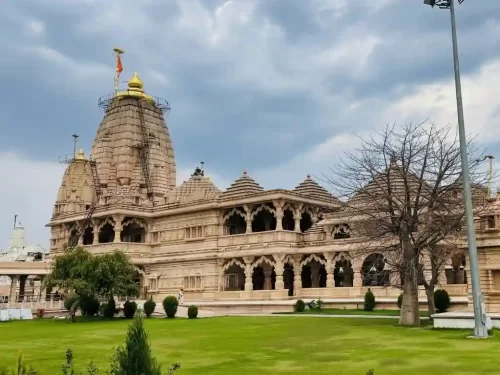
BAPS Shri Swaminarayan Akshardham Mandir aerial view of the intricate stone carvings and domes in Jaipur, Rajasthan. Temple

BAPS Shri Swaminarayan Akshardham Mandir

BAPS Shri Swaminarayan Akshardham is a modern Hindu temple complex dedicated to Bhagwan Swaminarayan, constructed using traditional Vedic architectural principles.

Ornate haveli-style gate of Sri Rangji Mandir during partly cloudy daytime, featuring multi-tiered sandstone architecture, bustling market surroundings, perfect spiritual heritage experience with Vrindavan tour package Temple

Rangji Temple

Rangji Temple in Pushkar is a famous Hindu temple dedicated to Lord Rangji, an incarnation of Lord Vishnu.

Flying Fox person gliding on a zipline harness with arms stretched wide above lush green forest background.
Price: ₹800 – ₹2,500 PP
Udaipur
Ziplining
Paramotoring pilots taking off with motorized paragliders over an open field at sunset sky.
Price: ₹4,000 – ₹7,500 PP
Udaipur
Paramotoring
Quad Biking adventure riding a powerful ATV across golden desert sand dunes.
Price: ₹1,200 – ₹3,000 PP
Jaisalmer
Quad Biking
Daal Baati Churma thali with lentil dal, baked wheat balls, sweet crumbly mix, ghee and pickle sides, authentic Indian Rajasthani platter, steaming hot delight.
Dal Baati Churma
Dal Baati Churma is the iconic three-in-one meal of Rajasthan. It consists of spicy Dal (lentils), hard wheat rolls called Baati, and a sweet, crumbled wheat dessert known as Churma, all tied together by a generous serving of desi ghee.
Bajra Roti in golden millet flatbread with ghee glaze and onion garnish, authentic Indian Rajasthani bread, steaming hot delight.
Bajra Roti
Bajra Roti is a rustic, gluten-free Rajasthani flatbread made from pearl millet flour, traditionally hand-patted and cooked over a wood fire for a smoky, nutty flavor.
Ker Sangri cooked in traditional Rajasthani spices with dried beans and berries, authentic Indian desert vegetable dish.
Ker Sangri
Ker Sangri is the ultimate gourmet delicacy of the Thar Desert. It is a unique "dry" vegetable dish made from the berries (Ker) and beans (Sangri) of two hardy desert plants. It is a staple of Marwari royalty and rural households alike, prized for its long shelf life and intense, tangy-spicy flavor.

Frequently Asked Questions

Rajasthan is known for its royal heritage, forts and palaces, desert landscapes, vibrant culture, and long-standing traditions that define its distinctive identity.
Rajasthan offers a heritage- and culture-rich travel experience focused on history, architecture, traditions, and immersive regional journeys.
Rajasthan includes desert regions, royal heritage belts, cultural heartlands, lake regions, and historical landscapes spread across the state.
Signature travel themes include royal heritage, fort and palace exploration, desert travel, cultural experiences, and traditional lifestyles.
Yes, Rajasthan is one of India?s strongest states for cultural and heritage tourism, with preserved architecture and royal traditions.
Rajasthan has deep historical importance shaped by Rajput dynasties, trade routes, and centuries of cultural evolution.
Rajasthan?s cultural identity is shaped by folk music, dance, traditional attire, festivals, crafts, and royal customs.
Rajasthan celebrates colorful festivals linked to culture, seasons, and traditions that reflect its rich heritage.
The best time to visit Rajasthan is from October to March when temperatures are comfortable for sightseeing and travel.
An ideal Rajasthan trip usually requires 8 to 14 days to explore heritage regions and cultural zones at a relaxed pace.
Rajasthan has good road and rail connectivity, making multi-city and multi-zone travel convenient across the state.
Rajasthan is suitable for family travel, offering educational heritage sites, safe environments, and varied cultural experiences.
Rajasthan suits travelers interested in history, culture, architecture, photography, and immersive heritage travel.
Yes, Rajasthan is India?s primary state for desert and arid landscape travel, offering unique scenery and experiences.
Rajasthan offers accommodations including heritage hotels, palaces, resorts, desert camps, city hotels, and budget stays.
Rajasthan is generally safe for tourists, with well-established tourism services and infrastructure.
Yes, Rajasthan is ideal for slow travel, allowing visitors to absorb culture, history, and local traditions deeply.
Rajasthan is often combined with nearby northern and western states for extended cultural journeys.
Rajasthan can be busy during peak tourist seasons, while off-season periods offer quieter travel.
Travelers choose Rajasthan for its royal legacy, cultural richness, historic architecture, desert landscapes, and authentic traditional experiences.

Loved this place ? Let’s Plan Your Rajasthan Trip

⚡ Quick Response | 💰 Free consultation | 🕒 24×7 expert support

×

Plan Your Trip