Jaipur Zoo – Popular Wildlife Attraction in Rajasthan

Jaipur Zoo , Jaipur
Established in 1877, Jaipur Zoo is home to a diverse collection of mammals, reptiles, and birds, including native and exotic species. Spread across well-maintained enclosures, the zoo provides educational experiences for children and wildlife enthusiasts. Its location near historic landmarks makes it a convenient stop for tourists exploring Jaipur.

Quick Facts About Jaipur Zoo

Quick Facts About Jaipur Zoo Jaipur

Entry Fee Indian adult about 15 rupees per person, foreign adult about 150 rupees per person, children below age five free, student concession may be around 15 to 20 rupees
Timings Open daily from about 8 30 AM to 5 30 PM in summer and from about 9 00 AM to 5 00 PM in winter, closed on Tuesday
Altitude (m) Located at approximately 431 meters above sea level in central Jaipur city
Ideal Visit Duration Two to three hours to explore most animal and bird exhibits, including reptile house and museum space
Best Time of Day Early morning after opening or late morning before midday heat for active wildlife observation
Crowd Level Moderate crowds with higher numbers on weekends, school holidays and winter season
Distance from City Centre (km) About two to three kilometers from major Jaipur landmarks like City Palace and Hawa Mahal
Walking Difficulty Low walking difficulty with paved paths throughout the zoo garden and animal enclosures
Parking Available Yes parking available in Ram Niwas Garden near the zoo entrance for cars and two wheelers
Last Mile Access Auto rickshaw taxi and local bus services available to Ram Niwas Garden and zoo entrance on Sawai Ram Singh Road
Suitable for Kids Yes very suitable for children with a variety of animals, birds and educational exhibits
Suitable for Seniors Yes generally suitable with easy walking routes and shaded resting spots
Wheelchair Friendly Yes wheelchair accessible on major paved paths inside the zoo grounds

Why Visit Jaipur Zoo, Jaipur

Atmosphere at Jaipur Zoo is lively, educational, and family-friendly, offering visitors an engaging experience amidst well-maintained enclosures and lush greenery. The zoo provides a balanced mix of recreation and learning, making it an ideal destination for children, students, and wildlife enthusiasts looking for a hands-on connection with nature.

What makes Jaipur Zoo special is its diverse collection of native and exotic animals, including big cats, primates, reptiles, and a wide variety of birds. Visitors can observe animals in carefully designed habitats, enjoy educational programs, and participate in interactive sessions that promote wildlife awareness and conservation. Seasonal events and feeding sessions enhance the experience, making it both entertaining and informative for visitors of all ages.

Beyond its visual and recreational appeal, Jaipur Zoo holds cultural and educational significance by fostering awareness of wildlife conservation and environmental stewardship. It caters to families, students, researchers, and travelers seeking a meaningful and interactive experience. The holistic visit ensures that visitors leave with a better understanding of animal behavior, biodiversity, and the importance of preserving nature.

History of Jaipur Zoo, Jaipur

Jaipur Zoo, officially known as the Ram Niwas Garden Zoo, is located within the historic Ram Niwas Garden in Jaipur, Rajasthan. Established in 1877 by Maharaja Sawai Madho Singh II, it was created as a private menagerie for the royal family and later opened to the public, making it one of the oldest zoological parks in India.

The zoo was designed to house a diverse range of native and exotic species, including mammals, birds, and reptiles, reflecting the Maharaja’s interest in wildlife conservation and education. Over time, it expanded its collection and facilities to include landscaped enclosures, naturalistic habitats, and educational programs for visitors.

Today, Jaipur Zoo serves as a center for wildlife awareness, recreation, and environmental education, attracting families, students, and tourists. It remains an integral part of Jaipur’s cultural and historical heritage, blending royal legacy with modern conservation efforts.

Best Time to Visit Jaipur Zoo Jaipur

Visiting Jaipur Zoo is most enjoyable when the weather is comfortable, allowing for relaxed exploration of the animal enclosures, gardens, and walking paths without discomfort from heat or humidity.

The months from October to March are ideal for visiting, as Jaipur experiences cool and pleasant winter weather. This period is perfect for families, wildlife enthusiasts, and students to comfortably observe animals and enjoy outdoor activities.

Spring months from March to early April also offer good conditions, though temperatures begin to rise. Early morning or late afternoon visits are recommended to avoid the warmer hours while observing active wildlife.

Summer season from May to September brings intense heat, making daytime visits challenging. While the zoo remains open, early mornings are the best time to explore, and monsoon months may occasionally cause waterlogged areas or slippery pathways.
  • October to March for cool weather, comfortable animal viewing, and outdoor activities
  • March to early April for sunny days; early mornings or late afternoons recommended
  • May to September best avoided during peak heat, though early mornings remain suitable
  • Early mornings provide the best chance to see active animals and capture photographs
  • Weekdays are generally quieter than weekends for a relaxed visit

How to Reach Jaipur Zoo, Jaipur

  • By Air: The nearest airport is Jaipur International Airport, approximately 15 km from Jaipur Zoo. Visitors can hire taxis or app-based cabs for a comfortable and direct transfer to the zoo.
  • By Train: Jaipur Junction Railway Station is well connected with major Indian cities such as Delhi, Mumbai, Kolkata, and Ahmedabad. From the station, auto-rickshaws, taxis, or app-based cabs provide convenient access to the zoo.
  • By Road: Jaipur is connected via NH21 and city roads. Regular buses, private taxis, and self-drive vehicles make it easy to reach Jaipur Zoo from different parts of the city and nearby towns.
  • Local Transport: Within Jaipur, auto-rickshaws, cycle rickshaws, and rideshare services offer smooth last-mile connectivity, allowing visitors to reach the zoo comfortably.

What to Expect When You Visit Jaipur Zoo Jaipur

  • Immersive surroundings that reflect the true natural, cultural, or spiritual character of the destination, offering a peaceful and enriching travel experience.
  • Well-maintained visitor pathways and accessible viewing points designed to provide comfortable exploration while preserving the authenticity of the location.
  • Opportunities to engage with local traditions, regional architecture, or natural landscapes, allowing travelers to gain deeper cultural understanding.
  • Scenic photo spots and panoramic viewpoints that highlight the area’s unique beauty throughout different times of the day.
  • Informational boards, guides, or locally available assistance that help visitors learn the historical or environmental importance of the site.
  • Seasonal changes in atmosphere, crowd levels, and visual appeal, ensuring a different yet memorable experience depending on the time of visit.
  • Nearby amenities such as refreshment stalls, rest areas, or small markets offering local flavors and handicrafts.
  • A calm and respectful environment that allows visitors to fully absorb the significance and charm of the destination.

Important Visitor Information and Safety of Jaipur Zoo Jaipur

  • Crowd & Peak Hours: Expect higher footfall during weekends, public holidays, and late mornings to early afternoons. Early morning visits are generally quieter and ideal for observing animals.
  • Weather Notes: Summers can be hot, monsoons may cause slippery paths, and winters are mild and pleasant for outdoor visits.
  • Dress Code: Wear comfortable walking shoes and casual clothing suitable for a zoo visit. Light layers are recommended for mornings and evenings.
  • Safety Tips: Stay on designated pathways, do not feed or disturb animals, keep personal belongings secure, supervise children, and follow zoo rules for a safe and enjoyable visit.

Photography and Viewpoints at Jaipur Zoo, Jaipur

  • The zoo’s landscaped enclosures and greenery provide vibrant settings for wildlife and nature photography.
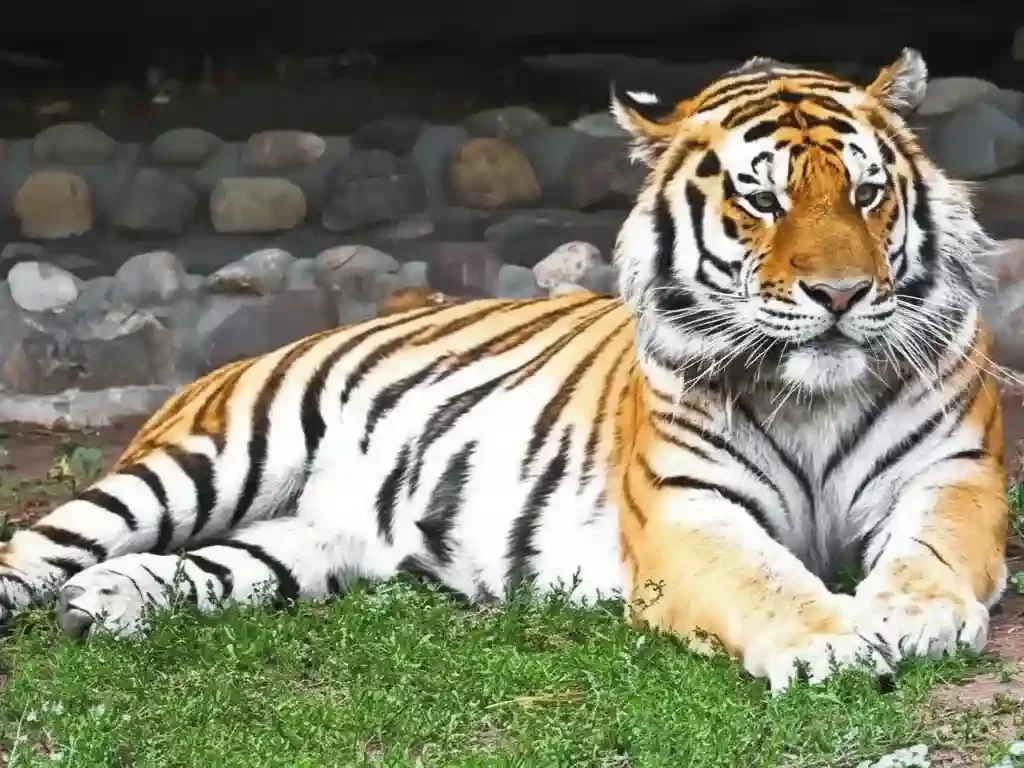
  • Animals like tigers, lions, primates, and birds offer excellent subjects for close-up and candid wildlife shots.
  • Morning and late afternoon lighting enhances colors, shadows, and textures, making photographs visually striking.
  • Wide-angle shots capture the zoo layout, pathways, and naturalistic enclosures, adding context to wildlife images.
  • Seasonal changes, such as monsoon greenery or winter light, add unique moods and perspectives to photographs.
  • Visitors observing and interacting with the exhibits provide human-interest photography opportunities alongside wildlife and landscape shots.

Near By Attraction

Shri Khole Ke Hanuman Ji Temple Jaipur Massive 1960s hillside shrine dedicated to Lord Hanuman featuring white marble architecture and scenic valley views Rajasthan. Temple

Shri Khole Ke Hanuman Ji Temple

Shri Khole Ke Hanuman Ji Temple is a prominent Hindu temple complex situated on a hillside in the Laxman Dungri area.

Moti Doongri Ganeshji Temple Jaipur Ancient Hindu shrine dedicated to Lord Ganesha with a gold seated idol Rajasthan. Temple

Moti Dungri Ganesh Ji Temple jaipur

Moti Dungri Ganesh Ji Temple is an 18th-century Hindu place of worship dedicated to Lord Ganesha, located at the foot of the Moti Dungri hill.

BAPS Shri Swaminarayan Akshardham Mandir aerial view of the intricate stone carvings and domes in Jaipur, Rajasthan. Temple

BAPS Shri Swaminarayan Akshardham Mandir

BAPS Shri Swaminarayan Akshardham is a modern Hindu temple complex dedicated to Bhagwan Swaminarayan, constructed using traditional Vedic architectural principles.

Frequently Asked Questions About Jaipur Zoo

Jaipur Zoo is located inside Ram Niwas Garden in Jaipur, Rajasthan. It lies near Albert Hall Museum in the central part of the city.
Jaipur Zoo is generally open from morning to evening except on weekly closure days. Timings may vary slightly on public holidays.
An entry ticket is required to visit Jaipur Zoo. Ticket charges may vary for adults, children and camera usage as per official guidelines.
Jaipur Zoo can be reached easily by taxi, auto or private vehicle within Jaipur city. It is well connected by major roads.
The best time to visit Jaipur Zoo is between October and March when the weather remains pleasant for outdoor exploration.
Around one to two hours are sufficient to explore Jaipur Zoo comfortably. Visitors with children may spend additional time.
Parking facilities are available near Ram Niwas Garden close to Jaipur Zoo. Availability may vary during peak hours.
Jaipur Zoo is suitable for families, students and wildlife enthusiasts. The layout allows comfortable walking for most visitors.
Visitors can see animals such as deer, crocodiles, birds and other species at Jaipur Zoo. The zoo also features an aviary section.
Jaipur Zoo experiences higher footfall during weekends and school holidays. Early morning visits usually offer a more relaxed experience.
Staff members may provide basic information at Jaipur Zoo, though dedicated guided tours are generally limited.
Albert Hall Museum, Ram Niwas Bagh and Central Park can be combined with a Jaipur Zoo visit. These attractions are located within Jaipur in Rajasthan.

Loved this place ? Let’s Plan Your Rajasthan Trip

Get customized Rajasthan tour planning designed around desert climate comfort, long-distance road travel flow, heritage exploration time, and realistic pacing between regions. Whether you are visiting for fort architecture, palace heritage, cultural exper

⚡ Quick Response | 💰 Free consultation | 🕒 24×7 expert support

×

Plan Your Trip