Quick Facts About Tara Tarini Temple
| Entry Fee | Free / Charges apply for ropeway and parking |
| Timings | 06:00 - 20:00 |
| Altitude (m) | 200 |
| Ideal Visit Duration (hrs) | 3 |
| Best Time of Day | Morning / Afternoon |
| Crowd Level | Moderate / High |
| Distance from City Centre (km) | 30 |
| Walking Difficulty | Moderate / Hard |
| Parking Available | Yes |
| Last Mile Access | Road / Ropeway |
| Suitable for Kids | Yes |
| Suitable for Seniors | Yes |
| Wheelchair Friendly | No |
Why Visit Tara Tarini Temple, Purushottampur
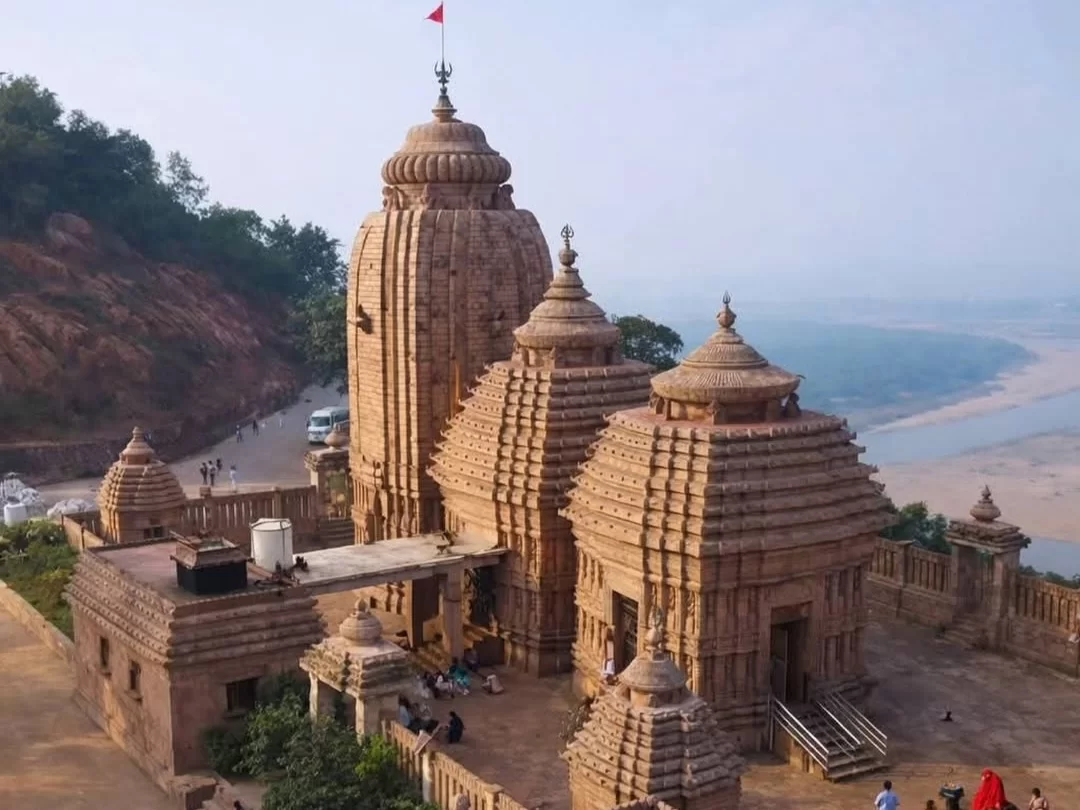
Visitors come to Tara Tarini Temple for hilltop darshan at one of southern Odisha’s most important Shakti temples, especially for family worship and regional pilgrimage travel. It is also a common stop for tourists travelling between Berhampur and coastal destinations in Ganjam district.
The on-ground atmosphere is active and devotional, with steady footfall near the ropeway base, temple steps, and main shrine area. The hilltop setting feels open and breezy, and visitors often spend time walking around the viewpoint zones after darshan.
What makes Tara Tarini Temple distinct is the combination of a major pilgrimage site with a panoramic hill location and ropeway access, which is uncommon for many Odisha temples. For travelers, the visit includes both a religious experience and wide views of the surrounding countryside from the temple hill.
History of Tara Tarini Temple, Purushottampur
Tara Tarini Temple is a well-known Shakti shrine in Ganjam district and is traditionally regarded as one of the important pilgrimage centres of southern Odisha. The temple’s hilltop location has long been associated with goddess worship in the region, drawing devotees from nearby coastal and inland areas.
The temple is dedicated to the twin goddesses Tara and Tarini, and its religious importance is strongly reflected in long-standing local pilgrimage traditions and seasonal worship practices. Large gatherings during festival periods show its continuing role as an active centre of devotion rather than only a heritage monument.
In modern times, improved road access and the addition of ropeway connectivity have made the temple easier to reach for both pilgrims and tourists. Visitors today experience the site as a living religious destination where rituals, offerings, and crowd-managed darshan remain central to the visit.
Best Time to Visit Tara Tarini Temple, Purushottampur
Tara Tarini Temple is most comfortable to visit during the cooler months when climbing steps, waiting in darshan lines, and spending time at the hilltop viewpoints is easier. Summer heat can make the hill approach tiring, and monsoon rain may affect ropeway movement and safety on stair routes.
- Ideal months: October to February
- Best season experience: Pleasant hill weather, clearer views from the temple top, and more comfortable darshan conditions
- Festival peak note: Chaitra month (March–April) attracts very heavy crowds due to the major Tara Tarini festival season
- Periods to avoid: May to mid-June due to strong daytime heat, especially for visitors using the stair route
- Monsoon note: July to September may involve rain, slippery steps, and occasional disruption of hill movement depending on weather conditions
How to Reach Tara Tarini Temple, Purushottampur
- Nearest Airport: Biju Patnaik International Airport (BBI), Bhubaneswar (approx. 170–190 km). Most visitors continue by train or road to Berhampur and then travel to the temple.
- Nearest Railway Station: Berhampur Railway Station (BAM) (approx. 30–35 km). Taxis and auto-rickshaws are available for direct travel to the temple base area.
- Alternative Rail Option: Purushottampur Railway Station is closer but has limited train connectivity compared to Berhampur.
- By Road: The temple is well connected by road from Berhampur via NH16-linked routes. Private vehicles and taxis can reach the main parking and ropeway entry zone.
- Last Mile Access: Visitors can reach the hilltop shrine either by climbing the stair route or using the ropeway service from the base area.
- Travel Limitation: During major festivals and peak days, traffic congestion and parking delays are common near the base entry point.
What to Expect When You Visit Tara Tarini Temple, Purushottampur
- You will visit a hilltop temple complex with panoramic views, reached either by a long stair route or by ropeway from the base entry area.
- The environment around the temple is open and elevated, with steady wind and direct sun exposure during daytime hours.
- Expect a devotional setting with regular rituals, offering counters, and continuous movement of pilgrims, especially on Tuesdays and festival days.
- Facilities such as parking, small food stalls, drinking water points, and basic restrooms are typically available near the base and around the main temple zone.
- Queue management is common during busy periods, and darshan time can increase depending on crowd volume.
- Movement on the hilltop involves slopes and steps, so visitors may need extra time if travelling with elderly family members.
- The ropeway reduces physical effort but can have long waiting lines on weekends and during peak pilgrimage season.
- Photography is commonly done around the viewpoint areas, but crowd density near the shrine may limit clear shots during peak hours.
Important Visitor Information for Tara Tarini Temple, Purushottampur
- Crowd & Weather Notes: The temple sees heavy pilgrimage footfall during Chaitra festival season and on Tuesdays. The hilltop area is exposed to sun, so daytime visits can feel hot outside winter months.
- Peak Hours: 7:00 AM to 11:00 AM and 4:30 PM to 7:30 PM, when most pilgrims arrive for darshan and ropeway queues are longest.
- Quiet Hours: Early morning soon after opening and mid-afternoon on weekdays generally have shorter darshan and ropeway waiting time.
- Dress Code: Modest traditional clothing is recommended, as it is an active religious site with regular worship and local pilgrimage practices.
- Footwear & Temple Rules: Footwear must be removed before entering the main shrine area, and visitors should follow queue discipline and staff instructions.
- Safety Notes: Stair routes can become slippery during monsoon months, and elderly visitors should avoid climbing without support.
- Ropeway Caution: Ropeway operations may pause temporarily during storms, heavy rain, or high wind conditions.
- Practical Tip: Festival days can cause traffic congestion near the base parking area, and return travel may take longer than expected.
Photography and Viewpoints at Tara Tarini Temple, Purushottampur
- The best viewpoint photographs are taken from the hilltop open areas near the temple complex, where wide countryside views and surrounding greenery are clearly visible.
- Early morning provides clearer visibility and softer light for landscape shots, especially when the hill area is less crowded.
- Late afternoon is suitable for panoramic photography as the sunlight becomes less harsh and the view looks warmer, but visitor movement is usually higher.
- Ropeway rides offer elevated angles for photographing the hill approach, but clear shots depend on cabin movement and crowd flow.
- Photography near the main shrine can be restricted during active rituals or heavy crowd conditions, so visitors should follow on-site instructions.
- During festival season, barricades and crowd management reduce access to some open corners, limiting wide-angle viewpoint options.
- Monsoon months can produce cloudy skies and reduced visibility, and strong wind at the hilltop can affect camera stability.
- Night photography is limited, as lighting is mainly focused around the temple entry areas rather than viewpoint edges.