+91 9910402252
admin@chalbanjare.com


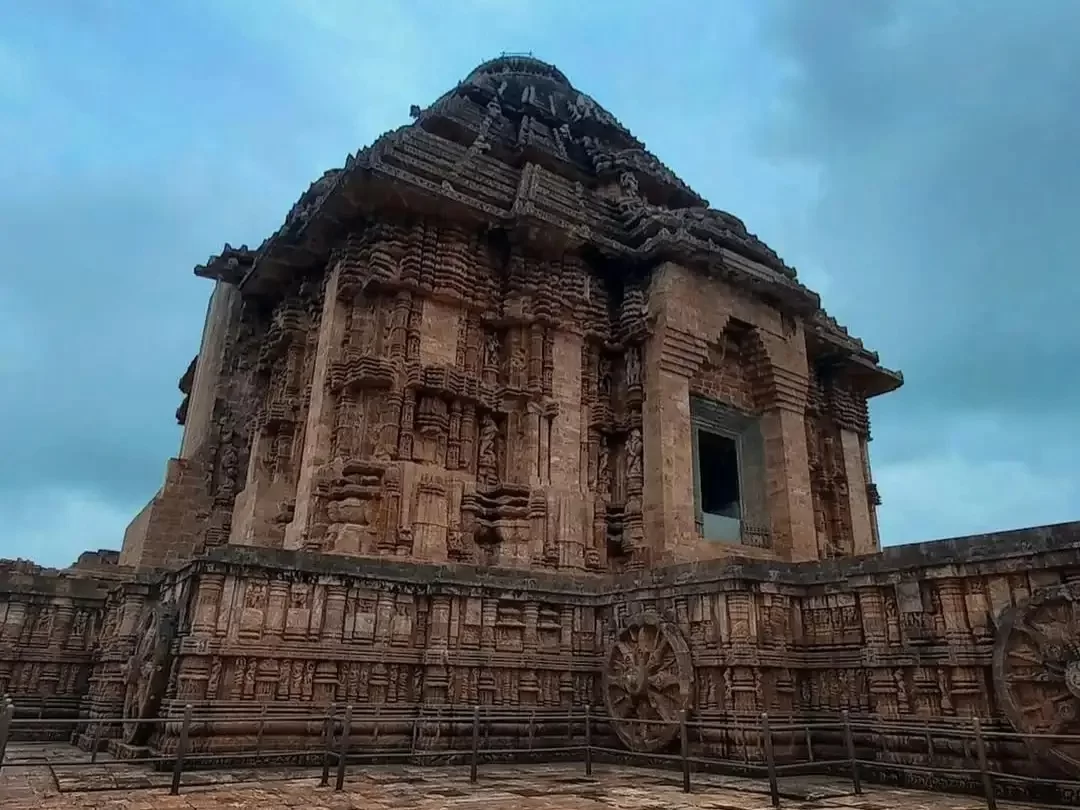
| Entry Fee | Free (Located outside the main Sun Temple enclosure) |
| Timings | 06:00 – 20:00 (Daily) |
| Altitude (m) | 2 m |
| Ideal Visit Duration | 20 – 30 minutes |
| Best Time of Day | Early Morning or Evening (during Aarti) |
| Crowd Level | Moderate (High on Saturdays and during Magha Saptami) |
| Distance from City Centre (km) | 1 km from Konark Bus Stand; 35 km from Puri |
| Walking Difficulty | Easy (Short walk from the main road/parking area) |
| Parking Available | Yes (General parking for the Konark Sun Temple complex applies) |
| Last Mile Access | Accessible via auto-rickshaw, cycle rickshaw, and private vehicles |
| Suitable for Kids | Yes |
| Suitable for Seniors | Yes (Level ground around the shrine) |
| Wheelchair Friendly | Yes (Flat approach to the temple entrance) |
Visitors come to this site to offer prayers to the nine planetary deities, a practice deeply rooted in Indian astrology and Vedic science. Historically a part of the original Konark Sun Temple complex, it remains a primary destination for those seeking to complete their pilgrimage to the Sun God by honoring the celestial bodies that govern time and human destiny according to ancient tradition.
The atmosphere on-ground is one of focused ritual and quiet devotion, providing a starkly different experience from the nearby architectural ruins. Under the shade of a modern protective structure, the air is thick with the scent of incense and the sound of planetary mantras, creating a solemn environment where devotees perform "Navagraha Shanti" rituals before the massive, ancient chlorite stone slab that survived the collapse of the main temple porch.
Navgarah Temple is distinct for housing the original 13th-century monolith lintel, a single block of stone featuring nine beautifully carved figures representing the Sun, Moon, Mars, Mercury, Jupiter, Venus, Saturn, Rahu, and Ketu. It stands out as a "living" link to the Sun Temple’s past; while the main monument is a preserved archaeological site, this shrine continues to function as an active place of worship, allowing travelers to witness medieval sculpture still being utilized in contemporary religious practice.
The Navagraha Temple in Konark is historically inseparable from the 13th-century Sun Temple, a UNESCO World Heritage site commissioned by King Narasimhadeva I. Originally, the massive chlorite stone slab depicting the nine planetary deities—Surya (Sun), Chandra (Moon), Mangala (Mars), Budha (Mercury), Brihaspati (Jupiter), Shukra (Venus), Shani (Saturn), Rahu, and Ketu—was positioned as a lintel above the eastern gateway (Mukhasala) of the main Sun Temple to protect the sanctum from celestial evil influences.
Following the structural decline of the main Sun Temple, the 20-foot long, 4-foot high Navagraha slab was relocated to a separate shrine located just outside the main enclosure. This transition transformed the architectural element into an active place of worship. The slab is carved from high-quality black chlorite and is celebrated for its intricate detail, with each deity holding their traditional attributes and seated in a protective posture, reflecting the advanced lapidary skills of the Kalingan era.
Culturally, the temple remains a vital site for Vedic astrology and planetary propitiation. Devotees visit the shrine to offer prayers to "Shani" (Saturn) and other celestial bodies to mitigate the effects of "Graha Dosha." The slab is perpetually smeared with vermillion, sandalwood paste, and oil, as it is considered a living manifestation of the cosmic forces. It stands as a rare surviving example of a monumental planetary frieze, bridging the gap between the solar worship of the Sun Temple and the astrological traditions that continue to influence daily life in Odisha.
Visiting the Navgarah Temple, located just outside the main Konark Sun Temple complex, is most effective during the winter months when the coastal heat is manageable for outdoor exploration. Since the primary ritual involves circumambulating the nine planetary deities carved into a massive chlorite stone slab, a cooler climate is essential for spending time in the open-air enclosure without the discomfort of the tropical sun.
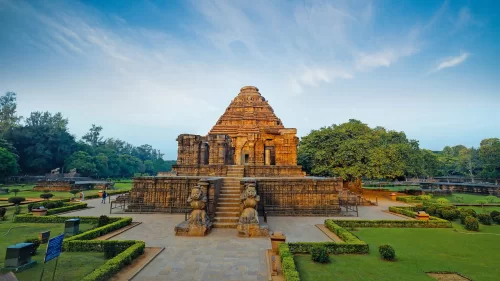 Temple
Shri Jagannath Temple is a Hindu temple dedicated to Lord Jagannath, located in Konark, Odisha, and serves as an important place of worship for local devotees and pilgrims.
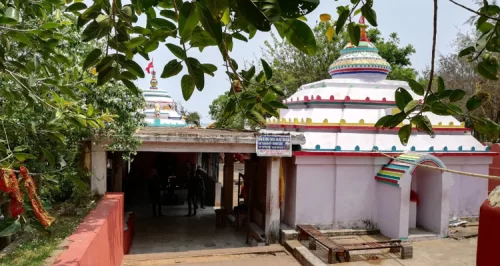 Temple
Ramachandi Temple is a Hindu temple dedicated to Goddess Ramachandi, located near the confluence of the Kushabhadra River and the Bay of Bengal close to Konark in Odisha.
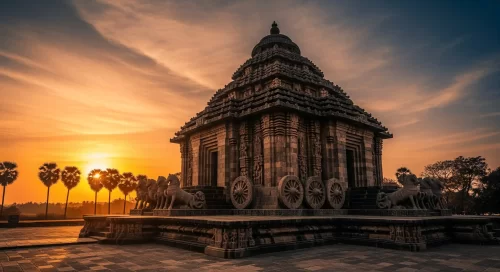 Temple
The Konark Sun Temple is a 13th-century Hindu temple dedicated to the Sun God, Surya, and is recognized as a UNESCO World Heritage site for its architectural and historical significance.
Get customized Odisha tour planning designed around temple visit timing, coastal weather patterns, wildlife seasonality, and realistic travel pacing across regions. Whether you are visiting for spiritual journeys, heritage architecture, beach relaxation,
⚡ Quick Response | 💰 Free consultation | 🕒 24×7 expert support

