+91 9910402252
admin@chalbanjare.com


| Entry Fee | INR 40 (Indians), INR 600 (Foreigners). Children below 15 years are free. |
| Timings | 06:00 – 20:00 (Daily) |
| Altitude (m) | 2 m |
| Ideal Visit Duration | 2 – 3 hours |
| Best Time of Day | Sunrise (for photography) or Late Afternoon (before the light show) |
| Crowd Level | High (Extremely busy on weekends and public holidays) |
| Distance from City Centre (km) | 35 km from Puri; 65 km from Bhubaneswar |
| Walking Difficulty | Moderate (Significant walking on stone pathways and sandy patches) |
| Parking Available | Yes (Centralized paid parking located approximately 500m from the entrance) |
| Last Mile Access | Battery-operated vehicles, auto-rickshaws, and cycle rickshaws from the parking zone |
| Suitable for Kids | Yes |
| Suitable for Seniors | Yes (Battery-operated carts available to bridge the distance from parking) |
| Wheelchair Friendly | Partial (Ramps available for the main complex, but some inner platforms have steps) |
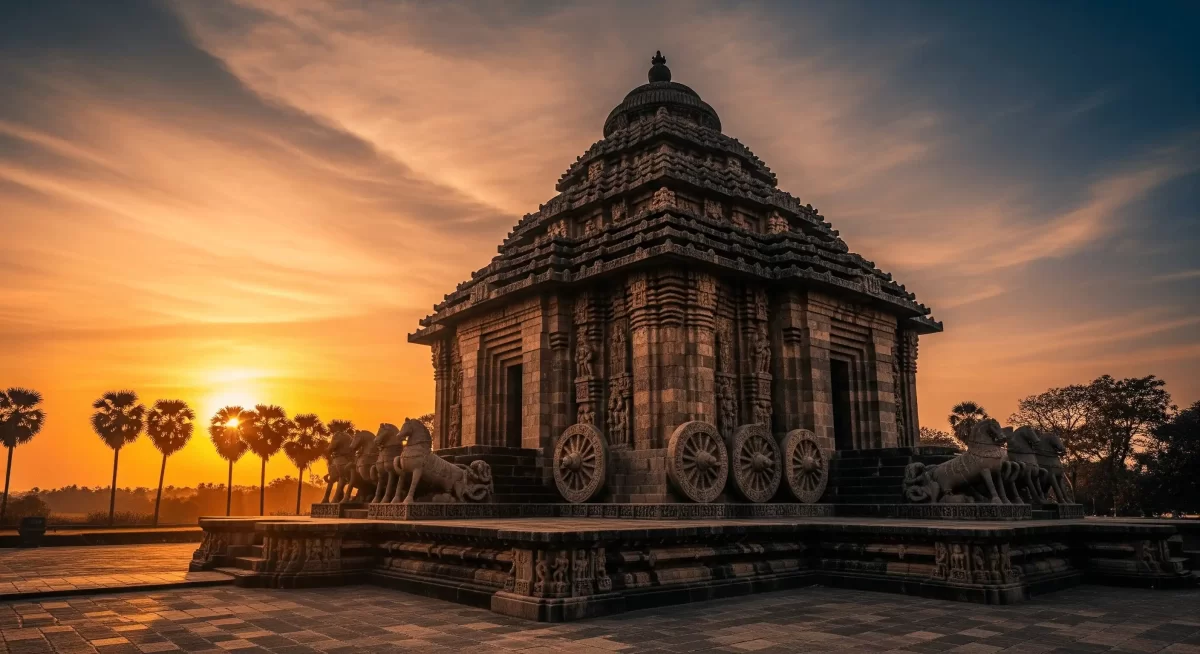
Visitors travel to this 13th-century UNESCO World Heritage site to witness the pinnacle of Kalinga architecture, designed as a colossal stone chariot for the Sun God, Surya. It is a primary destination for those seeking to see one of the most ambitious engineering feats of ancient India, where 24 intricately carved stone wheels and seven galloping horses represent the passage of time and the solar cycle in a massive, three-tiered pyramidal structure.
The atmosphere on the ground is characterized by a sense of overwhelming scale and artistic density, where every square inch of the weathered khondalite stone is covered in detailed relief. Walking through the Natya Mandap (Dancing Hall), travelers experience a profound connection to the past, as the shifting sunlight highlights the precision of the carvings—from micro-miniature animals to life-sized celestial musicians—creating a silent, monumental gallery set against the coastal winds of the Bay of Bengal.
Konark Sun Temple is distinct for its scientific sophistication, particularly the 12 pairs of wheels that function as accurate sundials capable of calculating time down to a few minutes. It stands out from other Indian temples due to its unique chariot-style geometry and its status as a monumental ruin; while the main sanctum has collapsed, the surviving structure remains a global benchmark for structural balance and the highest expression of medieval Odishan sculptural mastery.
The Konark Sun Temple, a UNESCO World Heritage site, was commissioned in the 13th century (c. 1250 CE) by King Narasimhadeva I of the Eastern Ganga Dynasty. Designed as a colossal stone chariot for the Sun God, Surya, the temple is the pinnacle of Kalingan architecture. It features 24 intricately carved stone wheels, each nearly 10 feet in diameter, and was originally pulled by seven horses, symbolizing the days of the week. The temple’s orientation was mathematically precise, ensuring that the first rays of the sun would cross the main entrance and illuminate the inner sanctum.
The temple is renowned for its sophisticated engineering and astronomical accuracy. The wheels of the chariot function as sundials, capable of calculating time down to a minute by the shadows cast by their spokes. Historically, the temple's main tower (Vimana) was believed to have housed a massive magnet at its summit, which purportedly kept the iron-clad idol of the Sun God levitating in mid-air. This magnetic field was also said to have interfered with the compasses of passing European sailors, who referred to the structure as the "Black Pagoda" to contrast it with the "White Pagoda" (Jagannath Temple) in Puri.
Culturally, the temple serves as an architectural encyclopedia of 13th-century life in Odisha. Its exterior walls are densely covered with relief sculptures depicting musicians, dancers in classical Odissi poses, mythical beasts, and scenes of royal court life. Despite the collapse of the main sanctuary tower, the surviving Jagamohana (Assembly Hall) remains a testament to the artistic grandeur of the era. Every year, the temple provides a historical backdrop for the Konark Dance Festival, maintaining its legacy as a global center for Indian classical arts and solar worship.
Visiting this 13th-century architectural marvel is most rewarding during the cooler dry season, as the site offers virtually no overhead shade and requires significant outdoor walking on sun-exposed stone. Timing your visit for the winter months ensures you can appreciate the intricate carvings of the 24 stone wheels and the Natya Mandap without the physical exhaustion caused by Odisha’s intense coastal humidity.
 Temple
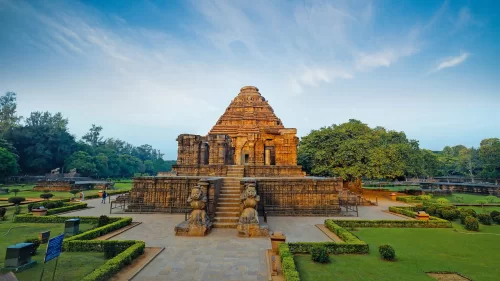
Shri Jagannath Temple is a Hindu temple dedicated to Lord Jagannath, located in Konark, Odisha, and serves as an important place of worship for local devotees and pilgrims.
 Temple
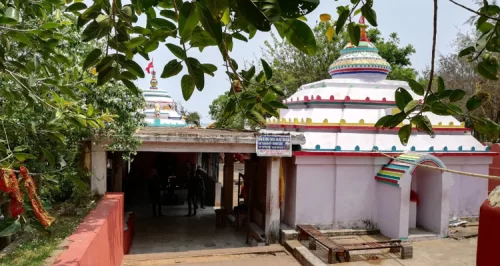
Ramachandi Temple is a Hindu temple dedicated to Goddess Ramachandi, located near the confluence of the Kushabhadra River and the Bay of Bengal close to Konark in Odisha.
 Temple
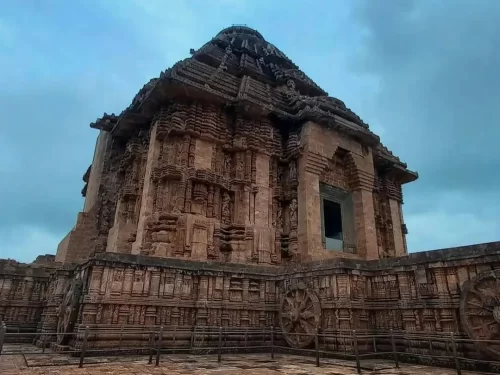
The Navagraha Temple is a secondary shrine located just outside the main enclosure of the UNESCO World Heritage Sun Temple, housing a massive 20-foot chlorite stone slab representing the nine planets.
Get customized Odisha tour planning designed around temple visit timing, coastal weather patterns, wildlife seasonality, and realistic travel pacing across regions. Whether you are visiting for spiritual journeys, heritage architecture, beach relaxation,
⚡ Quick Response | 💰 Free consultation | 🕒 24×7 expert support

