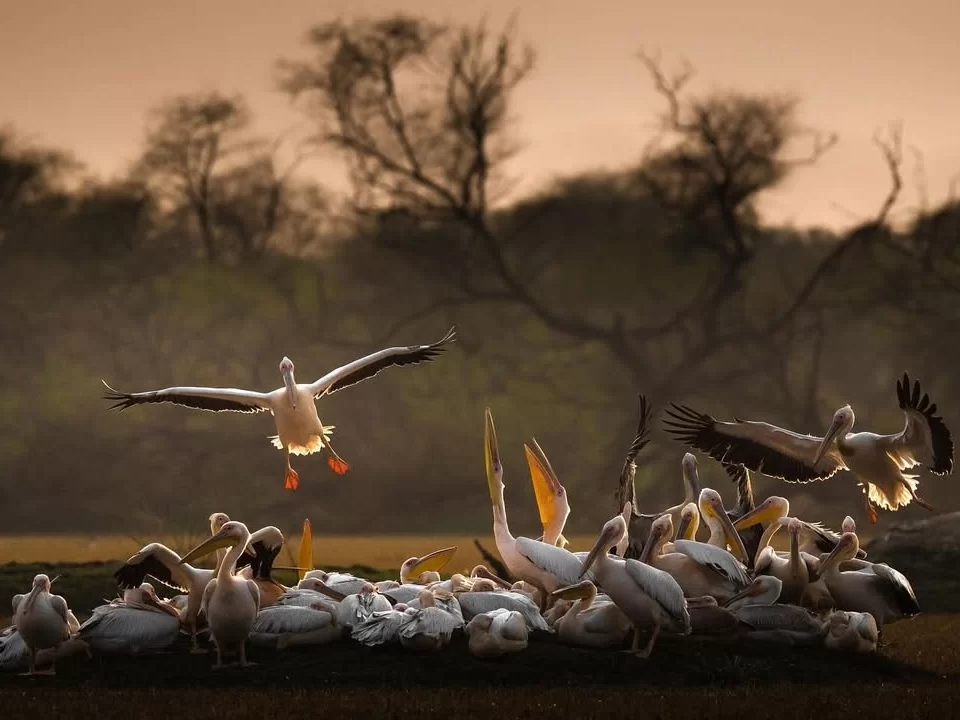
Bhitarkanika National Park, Kendrapara, Odisha, India

Bhitarkanika National Park , Bhitarkanika
Tourists visit Bhitarkanika for boat safaris through dense mangrove creeks, crocodile and bird spotting, and nature-focused travel away from city areas. It is also known for nearby island villages and forest watchtowers that offer wildlife viewing opportunities.

Quick Facts About Bhitarkanika National Park

Quick Facts About Bhitarkanika National Park, Kendrapara

Entry Fee Approx. ?20–?40 per Indian visitor; higher for foreign nationals; separate charges apply for boat safari and camera permits (fees vary and may change by forest department).
Timings General park access typically from around 7:00 AM to 5:00 PM; boat safari timings vary by season and gate.
Altitude (m) Approx. 0–10 m above sea level in the mangrove delta landscape.
Ideal Visit Duration 4–6 hours for main river and mangrove boat safari zones; longer if visiting multiple forest zones and bird sanctuaries.
Best Time of Day Early morning (7:00 AM–10:00 AM) when wildlife and bird activity are more visible during boat cruises.
Crowd Level Moderate overall; higher activity at main entry gates and boat jetties during peak winter season and holidays.
Distance from City Centre (km) Approx. 165–170 km from Bhubaneswar city centre by road.
Walking Difficulty Low to moderate; the main experience is by boat with some walking at jetties and watchtowers.
Parking Available Yes; vehicle parking typically available near major entry points and jetties.
Last Mile Access Access by road to entry points; boat launch from jetties (e.g., Khola, Jayanagar) into core mangrove creeks.
Suitable for Kids Yes; boat rides and wildlife viewing can be suitable, but supervision required near water and forest zones.
Suitable for Seniors Generally yes; boat-based visits reduce walking, but boarding and disembarking may require care.
Wheelchair Friendly Partially; accessible at some jetties and rest areas, but boat boarding and uneven terrain may be challenging.

Why Visit Bhitarkanika National Park, Kendrapara

Visitors come to Bhitarkanika National Park for mangrove boat safaris and wildlife viewing in one of India’s richest coastal ecosystems. The park is especially known for saltwater crocodiles, mudflats, and large bird populations seen along the creeks and river channels.

The on-ground atmosphere is quiet and nature-focused, with most movement happening by boat through narrow waterways surrounded by dense mangrove forest. Entry points feel remote, and the experience involves forest checkposts, jetty boarding, and slow travel through estuarine landscapes.

What makes Bhitarkanika distinct is the combination of mangrove wilderness and river-based wildlife viewing, where crocodiles are often spotted resting on banks during boat rides. Unlike typical national parks based on jeep safaris, the main visitor experience here is shaped by tides, water routes, and coas

History of Bhitarkanika National Park, Kendrapara

Bhitarkanika was officially declared a wildlife sanctuary in 1975 and later notified as a national park in 1998 to protect its mangrove ecosystem and coastal wildlife. The region forms part of the larger delta landscape influenced by the Brahmani, Baitarani, and Dhamra river systems.

The park gained national importance due to its strong population of saltwater crocodiles, including long-term conservation and breeding efforts that helped revive the species in Odisha’s coastal belt. Protection measures also focused on preserving mangrove habitat, which supports fish breeding zones and migratory bird routes.

Today, Bhitarkanika is managed as a regulated protected area with restricted core zones and controlled boat-based entry routes. Visitors experience this conservation history through forest department permits, designated boat channels, and limited access to sensitive mangrove and nesting areas.

Best Time to Visit Bhitarkanika National Park, Kendrapara

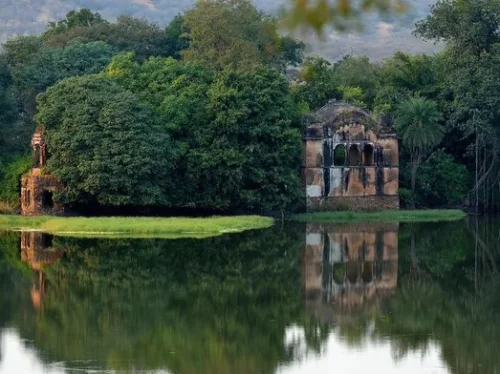
Bhitarkanika National Park is best visited during the winter season when boat safaris operate smoothly, humidity is lower, and wildlife spotting along mangrove creeks is more comfortable. Monsoon months can disrupt boat routes and reduce accessibility due to heavy rain and flooding in delta areas.
  • Ideal months: November to February
  • Best season experience: Pleasant temperatures, clearer visibility on waterways, and better bird activity in mangrove and wetland zones
  • Good shoulder season: October and March (warm but manageable for boat safaris, especially in mornings)
  • Periods to avoid: July to September due to heavy monsoon rain, waterlogged routes, and limited boat movement in some zones
  • Summer note: April to June can be very humid and hot, making long boat rides and open jetty waiting uncomfortable

How to Reach Bhitarkanika National Park, Kendrapara

  • Nearest Airport: Biju Patnaik International Airport (BBI), Bhubaneswar (approx. 160–180 km, depending on entry gate). Most visitors travel onward by taxi or private vehicle.
  • Nearest Railway Station: Bhadrak Railway Station (approx. 80–100 km) and Cuttack Railway Station (approx. 140–160 km). Road travel is required from both stations to reach the forest entry points.
  • By Road: Bhitarkanika is reached via Kendrapara district roads, and travel time depends on the chosen entry gate such as Khola, Gupti, or Dangmal. Road conditions are generally good on main routes but slower on rural stretches.
  • Last-mile Connectivity: The final access is usually through forest entry gates where boat safaris start from jetties. Visitors must arrange boats through authorised counters or pre-booked operators, depending on the season.
  • Travel Limitation: Public transport is limited near the core entry points, so a private vehicle or hired taxi is the most practical option, especially for return travel after safari hours.

What to Expect When You Visit Bhitarkanika National Park, Kendrapara

  • The main visitor experience is a boat safari through mangrove creeks, river channels, and mudflat zones where crocodiles and birds are commonly seen.
  • Expect forest department entry checkpoints where permits are verified before moving towards the boat jetty or core area routes.
  • The surroundings are remote and natural, with limited mobile network coverage in some stretches depending on the operator and route.
  • Facilities are basic at most entry points, usually including ticket counters, simple restrooms, and small food stalls near jetties.
  • Wildlife sightings depend on tide conditions, water level, season, and animal movement, so crocodile or bird visibility can vary between boat routes.
  • Most walking is limited to short distances near watchtowers, jetties, and forest rest areas, but boat boarding requires stable footing.
  • Visitors are typically families, nature travelers, and student groups, and peak days can create waiting time for boats and entry formalities.
  • During monsoon or high tide periods, some routes may be shortened or cancelled due to safety and water conditions.

Important Visitor Information for Bhitarkanika National Park, Kendrapara

  • Crowd & Weather Notes: Winter months attract the highest number of visitors, especially at popular entry gates. The region stays humid for most of the year, and boat travel feels hotter during midday.
  • Peak Hours: 10:00 AM to 2:00 PM when most day visitors arrive for boat safaris and ticket counters are busiest.
  • Quiet Hours: Early morning (opening hours to 9:30 AM) usually offers smoother entry and better chances of calm boat movement.
  • Dress Code: No dress code is required, but visitors should wear practical clothing suitable for humid weather and boat travel.
  • Safety Notes: Do not attempt to touch water edges or step close to mangrove banks, as crocodiles are present and can be seen resting near shorelines.
  • Boat Travel Caution: Boat safaris depend on tide and water conditions, and routes may be changed or cancelled by authorities for safety reasons.
  • Practical Limitation: Food options near entry points are limited and basic, so visitors often carry water and snacks for longer safari routes.
  • Restricted Areas: Access to core forest zones is regulated, and visitors must follow assigned routes without leaving the boat or marked walking areas.

Photography and Viewpoints at Bhitarkanika National Park, Kendrapara

  • The best photography opportunities are during boat safaris, especially when crocodiles are seen resting on muddy banks or swimming close to mangrove edges.
  • Watchtowers and designated forest viewpoints near core zones provide wider landscape shots of mangrove waterways and bird movement across open creeks.
  • Early morning light is usually best for clearer wildlife photography, as the water surface is calmer and visibility in narrow creeks is higher.
  • Midday sunlight can create strong glare on water channels, making crocodile and bird shots harder unless animals are close to the boat route.
  • Photography is generally allowed, but separate camera fees may apply depending on forest gate rules and the type of equipment carried.
  • Boat crowding can affect framing, especially in shared boats where seating angles are fixed and movement is limited.
  • Monsoon season reduces visibility due to cloud cover and rain, and water spray during boat travel can affect camera handling.
  • Drone use is typically restricted in protected wildlife zones, and visitors should confirm permissions with forest officials before carrying drone equipment.

Near By Attraction

Frequently Asked Questions About Bhitarkanika National Park

Bhitarkanika National Park is located in Kendrapara district of Odisha, India, near the Bay of Bengal coast.
Bhitarkanika National Park is known for its mangrove forests and one of the largest populations of saltwater crocodiles in India.
The best time to visit Bhitarkanika National Park is from October to March when the weather is comfortable and boat safaris operate smoothly.
Visitors can reach Bhitarkanika National Park by road from Bhubaneswar or Cuttack, followed by entry through designated forest gates in Odisha.
Yes, visitors must obtain an entry permit and register at the forest office before entering Bhitarkanika National Park.
Bhitarkanika National Park supports saltwater crocodiles, spotted deer, wild boar, reptiles, and a wide range of resident and migratory birds.
Yes, guided boat safaris are the primary way to explore Bhitarkanika National Park through its creeks and mangrove channels.
At least one full day is recommended to explore Bhitarkanika National Park, including boat rides and watchtower visits.
Bhitarkanika National Park is highly suitable for birdwatching, especially during winter when migratory birds arrive.
Visitors should carry valid ID, drinking water, sun protection, insect repellent, and binoculars when visiting Bhitarkanika National Park.
Tourists can stay in forest lodges inside the park or find hotels in nearby towns such as Kendrapara and Bhubaneswar, Odisha.

Loved this place ? Let’s Plan Your Odisha Trip

Get customized Odisha tour planning designed around temple visit timing, coastal weather patterns, wildlife seasonality, and realistic travel pacing across regions. Whether you are visiting for spiritual journeys, heritage architecture, beach relaxation,

⚡ Quick Response | 💰 Free consultation | 🕒 24×7 expert support

×

Plan Your Trip