Seven Sisters Waterfall Cherrapunji – Famous Multi-Tier Waterfall in Meghalaya

Seven Sisters Waterfall , Cherrapunji
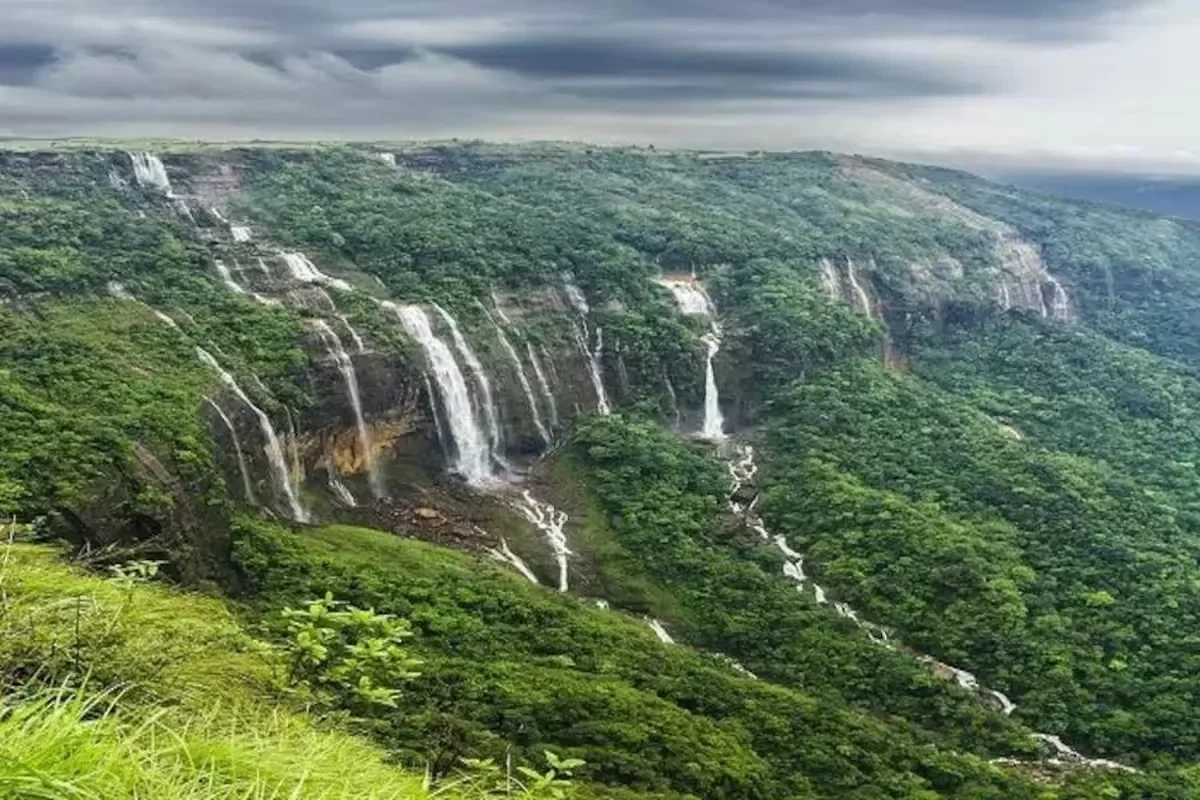
Seven Sisters Waterfall, also known as Nohsngithiang Falls, is one of the most iconic waterfalls in Meghalaya, located near Cherrapunji in the East Khasi Hills district. This waterfall is famous for its unique formation where seven distinct streams flow side by side from a high cliff, creating a breathtaking natural view. During the monsoon season, the waterfall becomes extremely powerful and looks like a massive white curtain falling over green mountains. A dedicated viewpoint area allows tourists to enjoy panoramic views of the waterfall and surrounding valley. The place is ideal for sightseeing, photography, and enjoying the scenic beauty of Sohra’s landscapes. Seven Sisters Waterfall is considered a must-visit attraction for travelers exploring Cherrapunji’s waterfall circuit.

Quick Facts About Seven Sisters Waterfall

Entry Fee 0
Timings 00:00 - 23:59
Altitude (m) 1300
Ideal Visit Duration (hrs) 1
Best Time of Day Morning
Crowd Level Moderate
Distance from Cherrapunji (km) 3
Walking Difficulty Easy
Parking Available Yes
Last Mile Access Road
Suitable for Kids Yes
Suitable for Seniors Yes
Wheelchair Friendly Yes

Why Visit Seven Sisters Waterfall

Seven Sisters Waterfall, also known as Nohsngithiang Falls, is one of the most iconic natural attractions in Cherrapunji (Sohra), Meghalaya. It is famous for its breathtaking view of seven separate streams flowing side by side down a massive green cliff, creating a spectacular waterfall curtain. This rare formation makes it one of the most unique waterfalls in India and a must-visit destination for travelers exploring Meghalaya.

The atmosphere at Seven Sisters Waterfall is refreshing, scenic, and peaceful. Surrounded by lush hills, misty valleys, and cool Sohra weather, the place feels calm and naturally beautiful. During the monsoon season, the waterfall becomes extremely powerful and the entire landscape turns vibrant green, creating a dramatic and unforgettable sightseeing experience.

What makes Seven Sisters Waterfall special is its panoramic viewpoint location and its stunning multi-stream appearance. Unlike many waterfalls that require trekking, this waterfall can be enjoyed directly from the roadside viewpoint, making it accessible for all age groups. The waterfall looks especially majestic during monsoon and post-monsoon months, and the view of the wide valley behind it makes it a perfect spot for photography, travel reels, and nature sightseeing.

Background

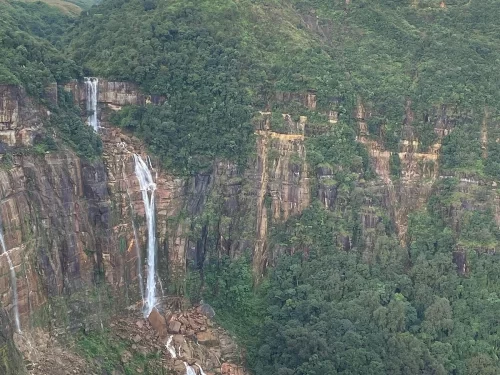
Seven Sisters Waterfall, also known as Nohsngithiang Falls, is one of the most famous natural waterfalls in Meghalaya, located near Cherrapunji (Sohra) in the East Khasi Hills. The waterfall is formed by rainwater streams flowing down a steep limestone cliff, which is a common geological feature in the Sohra region. Due to Cherrapunji’s extremely high rainfall, the waterfall becomes most active during the monsoon season and appears as a spectacular multi-stream cascade.

The waterfall became popular among tourists because of its rare natural formation, where seven separate water streams flow side by side, giving it the name “Seven Sisters Waterfall.” Over time, as Cherrapunji became a major tourist destination for waterfalls and scenic landscapes, the viewpoint of Seven Sisters Falls was developed to allow visitors to easily enjoy its panoramic beauty without trekking.

Today, Seven Sisters Waterfall is considered one of the most iconic attractions of Sohra tourism and is widely visited for its dramatic monsoon views, lush green cliff scenery, and its unique multi-tier waterfall appearance.

Best Time to Visit

The best time to visit Seven Sisters Waterfall is from June to September, during the monsoon season, when the waterfall is at its most powerful and all seven streams flow together in full force. This is the season when the waterfall looks the most dramatic, creating a breathtaking curtain-like view against lush green cliffs. The surrounding valley also becomes vibrant and misty, making the experience truly magical.

Another good time to visit is from October to November, when the monsoon has just ended and the waterfall still has a strong flow, but the weather becomes more comfortable and visibility improves. During winter months (December to February), the water flow reduces, and the waterfall may not appear as grand as in monsoon, but the viewpoint remains scenic and peaceful.

  • June to September: Best season for full waterfall flow and lush monsoon scenery
  • July to August: Peak monsoon months with the strongest waterfall view
  • October to November: Best post-monsoon period with good flow and clearer visibility
  • December to February: Reduced flow but pleasant weather for sightseeing
  • Best time of day: Morning to early afternoon (8:00 AM – 1:00 PM) for clearer views and better photos

How to Reach

  • By Air: The nearest airport is Shillong Airport (Umroi Airport), located around 80–90 km from Seven Sisters Waterfall. The nearest major airport with better connectivity is Guwahati Airport (Lokpriya Gopinath Bordoloi International Airport), approximately 165–175 km away. From the airport, hire a taxi to Shillong and continue towards Cherrapunji (Sohra).
  • By Train: The nearest major railway station is Guwahati Railway Station, around 165–175 km away. From Guwahati, travel to Shillong by taxi or bus, then proceed to Cherrapunji by road.
  • By Road: Seven Sisters Waterfall is easily accessible by road and is located along the main Cherrapunji route. The common route is Shillong → Cherrapunji (Sohra) → Seven Sisters Waterfall Viewpoint.
  • From Shillong: The distance from Shillong to Seven Sisters Waterfall is around 55–60 km and it takes approximately 2 to 2.5 hours by road depending on traffic and weather.
  • From Cherrapunji (Sohra): The waterfall viewpoint is located very close to Cherrapunji town centre, around 1–3 km away, and can be reached in about 5–10 minutes by car.
  • Local Transport: Private taxis are easily available from Shillong and Cherrapunji for sightseeing. Shared taxis are also available up to Sohra town.
  • Last Mile Access: The viewpoint has direct road connectivity. Visitors only need to walk a short distance from parking to the main viewing area.
  • Travel Tip: Visit early in the day during monsoon season to avoid fog and enjoy the best waterfall visibility.

What to Expect When You Visit

  • Spectacular multi-stream waterfall view: Visitors can witness the famous Seven Sisters formation, where multiple streams flow side by side down a huge green cliff.
  • Best monsoon waterfall experience: During rainy season, the waterfall becomes extremely powerful and looks like a massive white curtain falling over the valley.
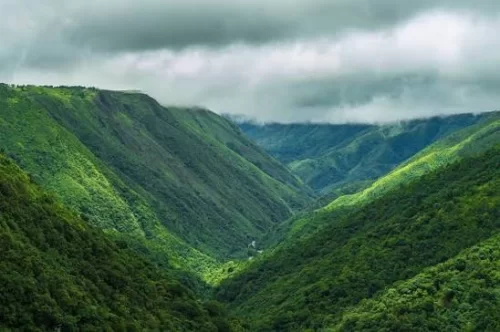
  • Panoramic viewpoint scenery: The waterfall can be enjoyed from a scenic viewpoint that offers wide valley views, misty hills, and beautiful landscape surroundings.
  • Cool and refreshing atmosphere: Expect cool breeze, misty weather, and fresh air, especially during monsoon and winter months.
  • Easy roadside accessibility: No trekking is required. The waterfall is located near the main road and can be reached with a short walk from the parking area.
  • Perfect photography opportunity: Visitors can capture stunning wide-angle shots of the waterfall, valley, and surrounding green cliffs.
  • Misty fog effect during monsoon: In rainy season, fog may cover the waterfall partially, giving a cinematic view but sometimes reducing visibility.
  • Moderate tourist crowd: Expect moderate crowd during peak season and weekends, as it is one of the most famous waterfalls in Cherrapunji.
  • Short sightseeing stop: Most visitors spend around 20 to 45 minutes here, making it a perfect quick stop during Sohra sightseeing.
  • Nearby attractions: Travelers often combine this visit with other Cherrapunji attractions like Nohkalikai Falls, Mawsmai Cave, and Thangkharang Park.

Important Visitor Information

  • Crowd & Weather Notes: Seven Sisters Waterfall is one of the most popular tourist attractions in Cherrapunji, so it gets moderately crowded during monsoon season and weekends. Weather in Sohra changes quickly, and fog or sudden rainfall is very common, especially from June to September.
  • Peak Hours: 10:30 AM to 2:30 PM (maximum tourist crowd and group visitors).
  • Quiet Hours: 8:00 AM to 10:00 AM is the best time for peaceful viewing and clear photography.
  • Dress Code: Wear comfortable travel clothes. Carry a raincoat or poncho during monsoon. Light jacket is recommended during winter as winds can be cold.
  • Footwear Recommendation: Sports shoes with good grip are recommended, especially during rainy season as the viewpoint area may be wet and slippery.
  • Safety Notes: Avoid standing near cliff edges or wet rocky surfaces. The viewpoint can become slippery during rainfall, so walk carefully.
  • Fog & Visibility Warning: In monsoon, fog may reduce visibility. If the waterfall is not visible, wait for a few minutes as fog often clears temporarily.
  • Monsoon Precaution: During heavy rain, the area becomes wet and windy. Avoid visiting during extreme weather conditions for safety reasons.
  • Travel with Kids: Suitable for kids, but parents should supervise them near open viewpoint edges.
  • Senior Citizen Advice: Suitable for seniors as access is easy with minimal walking, but they should be cautious on wet pathways.
  • Wheelchair Access: Partially accessible, but uneven ground near viewpoint may make movement difficult.
  • Parking Information: Parking is available near the viewpoint. During peak season, it may get crowded, so arrive early.
  • Eco-Tourism Note: Keep the viewpoint area clean and avoid throwing plastic waste to protect the natural beauty of the region.

Photography and Viewpoint

  • One of the best waterfall viewpoints in Meghalaya: Seven Sisters Waterfall is famous for its wide panoramic viewpoint, offering stunning views of multiple streams flowing down a green cliff.
  • Perfect wide-angle photography spot: The waterfall looks best in wide-angle shots, as it spreads across a large cliff and creates a dramatic landscape frame.
  • Best viewpoint location: The main viewpoint near the roadside provides the clearest and most complete view of the waterfall and surrounding valley scenery.
  • Best time for photography: Morning to early afternoon (8:00 AM – 12:30 PM) is ideal for better visibility, less fog, and natural lighting.
  • Monsoon photography highlight: During monsoon season, the waterfall is at its strongest and all seven streams flow together, making it the best time for dramatic waterfall photographs.
  • Misty cinematic effect: Fog and clouds often surround the waterfall, especially during rainy season, creating a cinematic atmosphere for travel reels and landscape photos.
  • Winter visibility advantage: During winter months, skies are clearer but water flow reduces. This season is best for sharp valley photography and peaceful viewpoint shots.
  • Portrait and couple photography: The viewpoint area offers a scenic background of hills and waterfall streams, making it a good spot for portrait photography.
  • Drone photography possibility: Drone shots can capture the full waterfall spread and valley depth, but visitors should check local guidelines and fly carefully due to strong winds.
  • Golden hour photography: Late afternoon can provide warm lighting on the hills, but fog may appear and reduce waterfall visibility.
  • Photography safety tip: Avoid stepping on wet surfaces near the viewpoint edge and keep your phone/camera protected from rain and mist.
  • Best season for clear scenic shots: June to September is best for full waterfall flow, while October to February is best for clearer valley visibility.

Near By Attraction

Nohkalikai Falls in Cherrapunji, Meghalaya, India’s tallest plunge waterfall cascading dramatically into a turquoise pool surrounded by lush green cliffs. Waterfall

Nohkalikai fall

Nohkalikai Falls is the most famous waterfall in Cherrapunji (Sohra), Meghalaya, known for its dramatic drop and stunning viewpoint scenery.

Thangkharang Park Cherrapunji during misty morning, featuring aerial view green lawns winding roads pavilion sacred pool trees lake backdrop, perfect nature park experience Cherrapunji Meghalaya tour package. Tourist Attraction

Thangkharang Park

Thangkharang Park is a beautiful viewpoint park in Cherrapunji (Sohra), Meghalaya, known for its panoramic valley views and peaceful natural surroundings.

Arwah Cave in Meghalaya, natural limestone cave with rugged rock formations and narrow passages. Cave

Arwah Cave

Arwah Cave is a famous limestone cave near Cherrapunji (Sohra), Meghalaya, known for its fossils, rock formations, and natural cave pathways.

Frequently Asked Questions About Seven Sisters Waterfall

Seven Sisters Waterfall is located near Cherrapunji in East Khasi Hills district of Meghalaya, India.
Seven Sisters Waterfall is known for its seven segmented streams cascading down a wide limestone cliff during the monsoon season.
The best time to visit Seven Sisters Waterfall is during the monsoon months from June to September when the waterfall is in full flow.
Visitors can reach Seven Sisters Waterfall by road from Shillong or Cherrapunji, which are well connected to Guwahati in Assam by highway.
There is usually no major entry fee to view Seven Sisters Waterfall from the designated viewpoints, though parking charges may apply.
Around one hour is generally sufficient to enjoy the viewpoint and surrounding scenery at Seven Sisters Waterfall.
Seven Sisters Waterfall is suitable for families as it can be viewed safely from fenced viewing areas.
Yes, an official viewpoint provides panoramic views of Seven Sisters Waterfall and the surrounding valley.
Photography is allowed at Seven Sisters Waterfall, especially from the designated viewing platform.
Visitors should carry rain protection, comfortable footwear, and drinking water when visiting Seven Sisters Waterfall.
Tourists can find hotels and guesthouses in Cherrapunji and Shillong, Meghalaya, within driving distance of Seven Sisters Waterfall.

Loved this place ? Let’s Plan Your Meghalaya Trip

Get customized Meghalaya tour planning designed around rainfall patterns, road connectivity, seasonal visibility, and realistic hill travel timing. Whether you are visiting for waterfalls, cave exploration, scenic drives, village experiences, or nature-fo

⚡ Quick Response | 💰 Free consultation | 🕒 24×7 expert support

×

Plan Your Trip