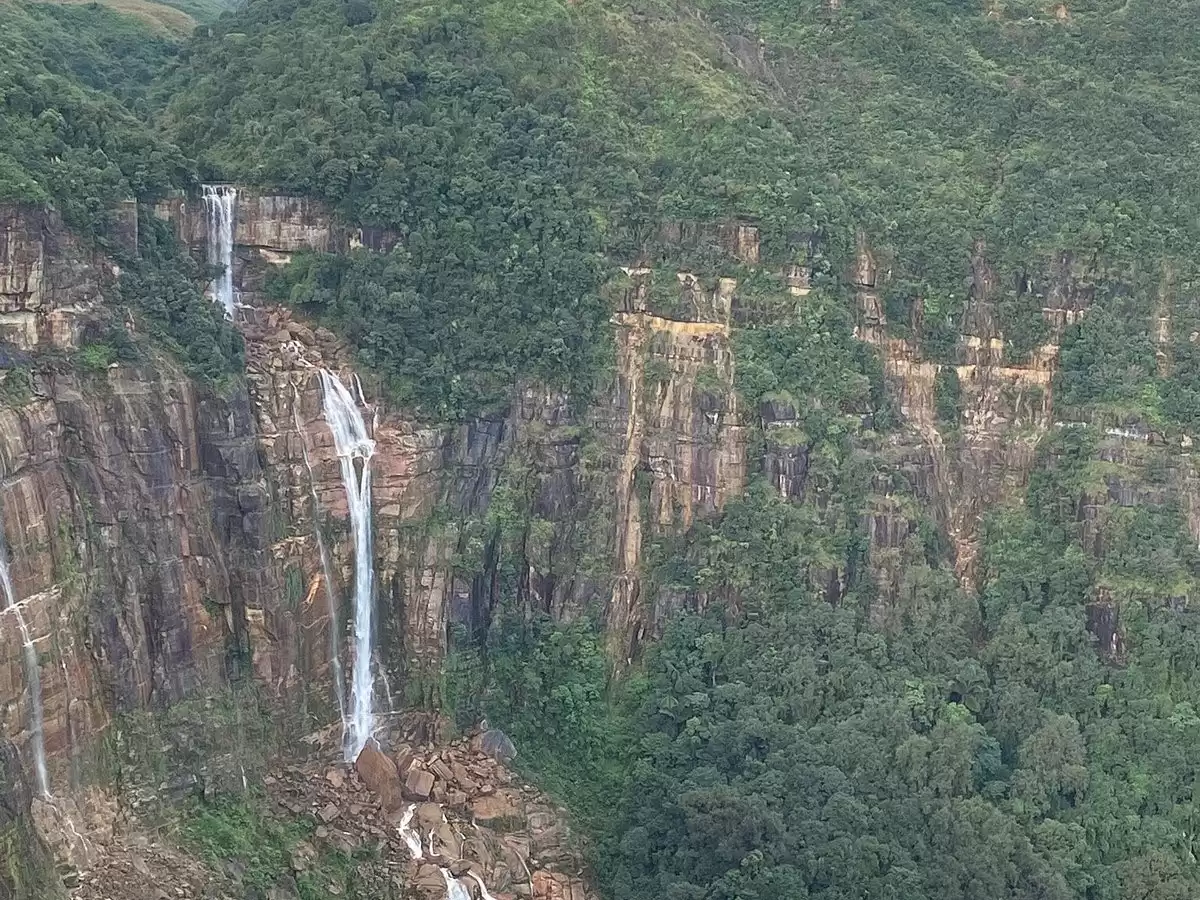
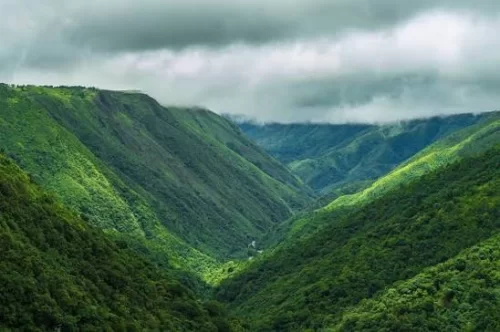
Wah Kaba Falls, Sohra (Cherrapunji), East Khasi Hills, Meghalaya, India

Wah Kaba Falls , Cherrapunji
Visitors come to enjoy panoramic views of the waterfall, surrounding gorges, and the lush landscape characteristic of the Khasi Hills. The site is easily accessible from the Shillong–Sohra road and is particularly attractive during and after the monsoon season when water flow is at its peak.

Quick Facts About Wah Kaba Falls

Wah Kaba Falls Quick Facts

Entry Fee A nominal entry fee may be charged at the viewpoint; rates are subject to local management policies.
Timings Generally accessible from sunrise to sunset; daylight visits are recommended.
Altitude (m) Approximately 1,250 m above sea level
Ideal Visit Duration 30–60 minutes
Best Time of Day Morning for clearer valley views and better visibility of the waterfall
Crowd Level Low to moderate; generally less crowded than NohKaLikai Falls and other major Sohra attractions
Distance from City Centre (km) Approximately 9 km from Sohra (Cherrapunji) town centre
Walking Difficulty Easy; the main viewpoint is located close to the parking area
Parking Available Yes, parking facilities are available near the viewpoint
Last Mile Access Direct road access followed by a short walk to the waterfall viewpoint
Suitable for Kids Yes, with supervision near viewpoint edges
Suitable for Seniors Yes
Wheelchair Friendly Partially; the primary viewpoint is relatively accessible, though terrain and pathway conditions may vary

Why Visit Wah Kaba Falls Meghalaya

Visitors come to Wah Kaba Falls to enjoy a scenic waterfall set amidst the rolling hills and deep valleys of Meghalaya, offering a rewarding stop along the Shillong–Cherrapunji route.

The atmosphere is peaceful and picturesque, with fresh mountain air, lush greenery, and viewpoints that showcase the waterfall cascading into the valley below.

What makes Wah Kaba Falls distinct is its dramatic cliffside setting, seasonal water flow enhanced by monsoon rains, and its accessibility from one of Meghalaya’s most popular scenic drives.

History of Wah Kaba Falls

Wah Kaba Falls is a natural waterfall located near Cherrapunji in Meghalaya and is known primarily for its scenic beauty rather than historical events or religious associations. Formed by seasonal streams flowing through the Khasi Hills, the waterfall cascades into a deep gorge surrounded by the region's characteristic limestone landscape.

The falls have long been part of the natural environment of the Khasi Hills and gained recognition as tourism developed in and around Cherrapunji. Its location along a major route to the region's attractions has made it a popular stop for visitors exploring Meghalaya's renowned waterfalls and viewpoints.

Today, Wah Kaba Falls is appreciated for its dramatic setting and panoramic views, offering travelers an opportunity to experience the natural heritage of one of India's wettest regions.

Best Time to Visit Wah Kaba Falls

Wah Kaba Falls is best visited from October to April when the weather in Sohra (Cherrapunji) is pleasant, visibility is clear, and visitors can enjoy panoramic views of the waterfall cascading through the lush Khasi Hills.

  • Ideal months: October to April is the most favorable period to visit Wah Kaba Falls, offering comfortable temperatures and excellent conditions for sightseeing and photography.
  • Weather conditions during the best season: Cool weather, clear skies, and lower humidity provide unobstructed views of the multi-tiered waterfall, surrounding valleys, and the scenic landscapes of the Meghalaya plateau.
  • Periods to avoid: June to September experiences heavy monsoon rainfall, which can bring dense fog, slippery pathways, and reduced visibility. While the waterfall is at its most powerful during the monsoon, frequent rain can limit viewing opportunities and outdoor exploration.

How to Reach Wah Kaba Falls

  • Nearest Airport: Shillong Airport (Umroi Airport), located approximately 75 km from Wah Kaba Falls, is the nearest airport. Many travelers also prefer Lokpriya Gopinath Bordoloi International Airport in Guwahati, about 150 km away, for better flight connectivity.
  • Nearest Railway Station: Guwahati Railway Station, approximately 130 km from the waterfall, is the nearest major railway station with extensive rail connectivity across India.
  • Road Access and Last-Mile Connectivity: Wah Kaba Falls is situated near Cherrapunji (Sohra) along the Shillong–Cherrapunji route and is easily accessible by road. Visitors can reach the designated parking area by private vehicle, taxi, or shared cab. The waterfall viewpoint is located a short walk from the parking zone, while reaching the base of the falls requires descending a steep trail with numerous steps. The route can become slippery during the monsoon season, so sturdy footwear is recommended.

What to Expect When You Visit Wah Kaba Falls

  • Environment and Surroundings: Wah Kaba Falls is a scenic waterfall near Cherrapunji, surrounded by rolling hills, deep valleys, and lush greenery. The waterfall plunges into a rocky gorge, offering panoramic views of Meghalaya’s dramatic plateau landscape.
  • Facilities and Amenities: Basic visitor amenities such as parking areas, viewing platforms, local snack stalls, and seating spaces may be available near the viewpoint. Facilities are limited, and extensive tourist infrastructure is not present at the site.
  • Accessibility and Movement: The waterfall is easily accessible by road and is primarily viewed from designated viewpoints near the parking area. Visitors may need to walk short distances on paved paths and uneven surfaces to access the best viewing locations.
  • Visitor Conditions: Most visitors stop for sightseeing and photography rather than extended exploration. Water flow varies seasonally, with the waterfall appearing most powerful during and after the monsoon. Weather conditions such as mist, rain, and low clouds can occasionally affect visibility, especially during the wet season.

Important Visitor Information for Wah Kaba Falls

  • Wah Kaba Falls receives the highest visitor numbers during weekends, public holidays, and the peak travel season from October to April when weather conditions are ideal for sightseeing.
  • Early morning hours generally offer a quieter experience and clearer views of the waterfall and surrounding valley before visitor activity increases later in the day.
  • The waterfall is most spectacular during and immediately after the monsoon season, though rain can create misty conditions and make pathways slippery.
  • No specific dress code applies, but comfortable clothing and sturdy footwear with good grip are recommended for navigating uneven trails and viewpoint areas.
  • Visitors should remain within designated viewing zones, exercise caution near cliff edges and wet surfaces, and avoid crossing safety barriers around the waterfall.

Photography and Viewpoints at Wah Kaba Falls

  • The primary viewpoint overlooking Wah Kaba Falls offers the best photography angle, where the waterfall plunges into a deep forested gorge surrounded by dramatic cliffs and rolling Khasi Hills.
  • Early morning provides the clearest visibility and softer lighting conditions, while late afternoon adds depth and contrast to the surrounding landscape.
  • The designated viewing platform allows visitors to capture the full height of the waterfall along with the expansive valley stretching beyond the gorge.
  • Post-monsoon months offer the most rewarding photography conditions, with stronger water flow, vibrant greenery, and enhanced visibility of the surrounding terrain.
  • Cloud formations, drifting mist, and changing weather patterns frequently create dramatic landscape photography opportunities throughout the day.
  • Photography is generally permitted from public viewing areas, but visitors should remain behind safety barriers and avoid approaching unstable cliff edges near the gorge.
  • Weekends and peak tourist periods can bring more visitors to the viewpoint, while weekday mornings usually provide quieter conditions and unobstructed views of the waterfall.

Near By Attraction

 Village

Tyrna Village

Tyrna Village is a rural Khasi village in East Khasi Hills district, Meghalaya, serving as the primary starting point for the trek to Nongriat and the Double Decker Living Root Bridge.

 Village

Nongriat

Nongriat Village is a remote hillside village in East Khasi Hills district, Meghalaya, accessible primarily by a long staircase trek from Tyrna village.

 Viewpoint

Mawkdok Dympep Valley View Point

Mawkdok Dympep Valley View Point is a designated scenic viewpoint located along the Shillong–Sohra road in East Khasi Hills district, Meghalaya.
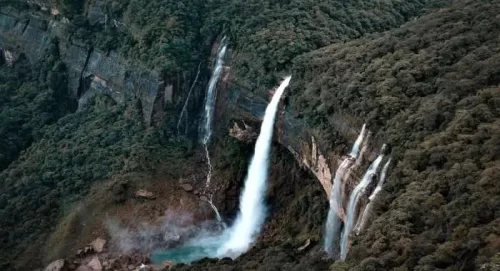
Frequently Asked Questions About Wah Kaba Falls

Loved this place ? Let’s Plan Your Meghalaya Trip

Get customized Meghalaya tour planning designed around rainfall patterns, road connectivity, seasonal visibility, and realistic hill travel timing. Whether you are visiting for waterfalls, cave exploration, scenic drives, village experiences, or nature-fo

⚡ Quick Response | 💰 Free consultation | 🕒 24×7 expert support

×

Plan Your Trip