Nartiang Monoliths – Ancient Megalithic Heritage Site in Meghalaya

Nartiang Monoliths , Jowai
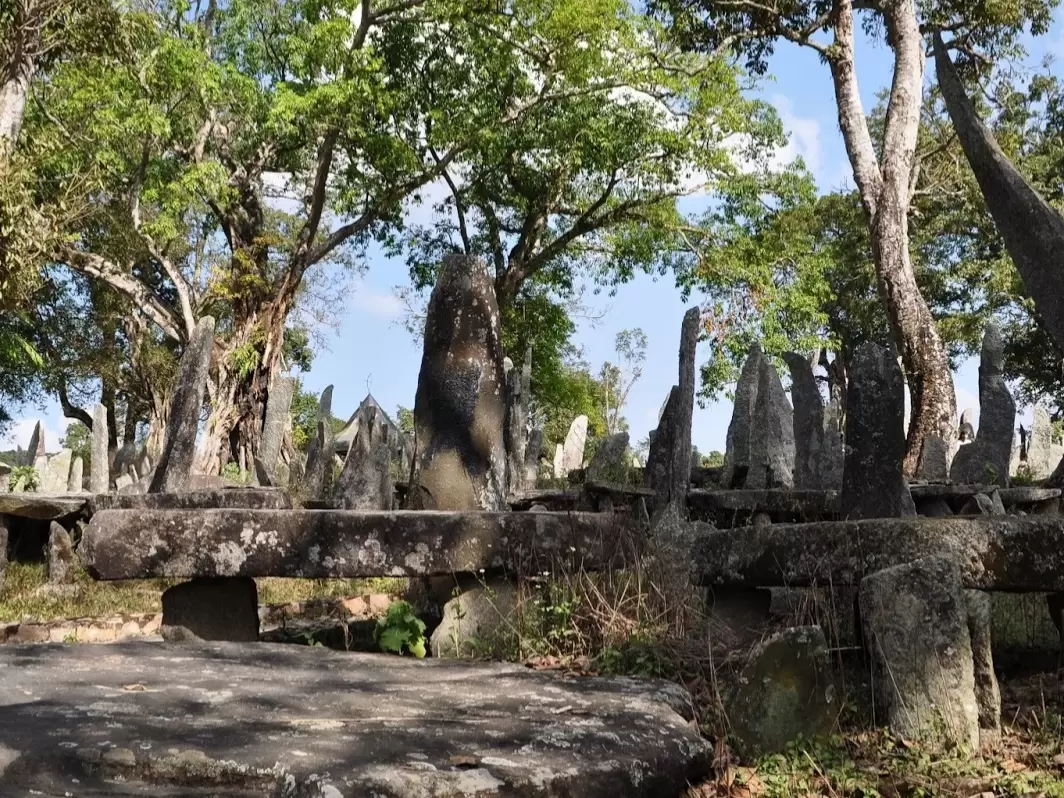
The Nartiang Monoliths, located in Nartiang village in the West Jaintia Hills of Meghalaya, are one of the largest collections of ancient megalithic stones in the Khasi–Jaintia region. These monoliths include tall upright stones (menhirs) and horizontal slabs (dolmens) erected by leaders and clans of the Jaintia kingdom between the 16th and 19th centuries. The tallest stone was set up by U Mar Phalyngki to commemorate a historic victory in battle. Recognised as a site of national importance under the Ancient Monuments and Archaeological Sites and Remains Act, the site offers deep insights into traditional practices, community history, and the region’s cultural heritage.

Quick Facts About Nartiang Monoliths

Entry Fee Free
Timings 09:00 - 17:00
Altitude (m) 1400
Ideal Visit Duration (hrs) 2
Best Time of Day Morning
Crowd Level Moderate
Distance from Shillong (km) 65
Distance from Jowai (km) 24
Walking Difficulty Moderate
Parking Available Yes
Last Mile Access Walk
Suitable for Kids Yes
Suitable for Seniors No
Wheelchair Friendly No

Why Visit Nartiang Monoliths, Meghalaya

Atmosphere: The Nartiang Monoliths offer a quiet, open-air experience surrounded by the scenic landscapes of West Jaintia Hills. Walking among the ancient standing stones, visitors can feel the weight of history and the cultural legacy of the Jaintia kingdom, with a calm and reflective environment ideal for heritage exploration and photography.

What Makes it Special: Nartiang hosts one of the largest collections of megalithic stones in Northeast India. Each stone, erected by local chiefs to commemorate victories or honor prominent figures, tells a story of centuries-old traditions. The site’s authenticity, the impressive size of the stones, and the insight it provides into Khasi-Jaintia heritage make it a must-visit for history enthusiasts, cultural travelers, and photographers seeking unique heritage experiences.

History of Nartiang Monoliths, Meghalaya

The Nartiang Monoliths date back to the 16th–19th centuries and were erected by the chiefs and leaders of the Jaintia Kingdom. Each stone commemorates significant events, victories, or the achievements of prominent figures within the community. The tallest monolith, standing at over 10 metres, marks a historic victory and is a testament to the engineering and craftsmanship of the time. The site reflects the region’s megalithic traditions, offering visitors a unique glimpse into the socio-political and ceremonial practices of the Jaintia people.

Best Time to Visit Nartiang Monoliths, Meghalaya

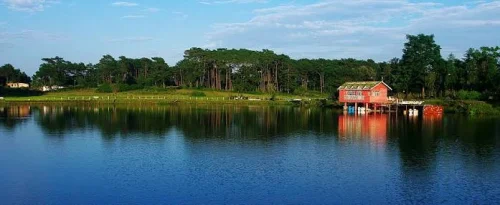
The Nartiang Monoliths are best visited during the cooler, dry months when walking around the site is comfortable and the weather is pleasant. Rainy seasons can make the earthen and dirt paths slippery, while summer afternoons may be warmer. Early morning and late afternoon visits offer softer natural light, ideal for photography and a peaceful experience.
  • October to March: Ideal months with mild and dry weather, perfect for exploring the monoliths.
  • April to June: Warm but generally comfortable; mornings and late afternoons recommended.
  • July to September: Monsoon season; heavy rainfall may make paths muddy and slippery, but the surrounding greenery is at its peak.
  • Early Morning Visits: Quieter with soft light, excellent for photography.
  • Late Afternoon Visits: Pleasant temperature and golden-hour lighting enhance the beauty of the site.

How to Reach Nartiang Monoliths, Meghalaya

  • By Air: The nearest airport is Shillong Airport (Umroi Airport), approximately 60–65 km from Nartiang. From the airport, visitors can hire a taxi or cab to reach the site.
  • By Train: There is no railway station in Nartiang. The nearest major railway station is Guwahati Railway Station, about 160 km away. From Guwahati, travelers can take a taxi or bus to Shillong and then proceed to Nartiang.
  • By Road: Nartiang is well-connected by road from Shillong and Jowai. Private taxis, rental cars, or shared cabs from Shillong (60–65 km) or Jowai (22–24 km) are the most convenient options. The drive passes scenic hills and rural landscapes of Meghalaya.
  • Local Access: Once in the village, a short walk on earthen and dirt paths leads to the monoliths. Comfortable walking shoes are recommended.

What to Expect When You Visit Nartiang Monoliths, Meghalaya

  • Historical Insight: Visitors can explore one of the largest collections of megalithic stones in Northeast India, learning about the Jaintia Kingdom’s traditions, victories, and leadership commemorated through the monoliths.
  • Scenic Village Setting: The monoliths are located in Nartiang village, surrounded by lush greenery, gently rolling hills, and rural landscapes, offering a serene and open-air experience.
  • Photography Opportunities: The site provides excellent opportunities for both wide-angle landscape shots and close-up photos of the towering stones, especially during early morning or late afternoon light.
  • Short Walking Trails: Walking paths around the monoliths are moderate in difficulty, allowing visitors to explore the site at a leisurely pace without extensive trekking.
  • Family-Friendly Visit: Suitable for all ages, including children and seniors, with caution on uneven ground.
  • Cultural Experience: Visitors may witness or hear about local rituals and oral histories connected to the monoliths, gaining insight into the Jaintia community’s heritage.

Important Visitor Information for Nartiang Monoliths, Meghalaya

  • Crowd & Weather Notes: The site experiences low to moderate crowds. Weekends and peak tourist months (October to March) are slightly busier. The weather is best during the dry, cooler months; monsoon season (July to September) can make paths slippery.
  • Peak / Quiet Hours: Early morning (9:00 AM – 11:00 AM) and late afternoon (3:00 PM – 5:00 PM) are the quietest times to visit, ideal for photography and reflection. Midday can be slightly busier.
  • Dress Code: Casual, comfortable clothing recommended. Sturdy footwear is advised for walking on uneven dirt and stone paths.
  • Safety Notes: Uneven terrain and dirt paths require caution. Children should be supervised, and seniors should take care while walking on slopes or near taller stones. Carry water and sun protection during summer months.

Photography and Viewpoints at Nartiang Monoliths, Meghalaya

  • Megalithic Stones: Capture the towering monoliths from various angles, highlighting their impressive height, intricate inscriptions, and alignment. Close-up shots reveal details of the craftsmanship and historical significance.
  • Wide Landscape Views: The surrounding village, gentle hills, and lush greenery provide natural framing for landscape and panoramic shots of the site.
  • Early Morning Light: Soft sunlight in the morning enhances textures and shadows on the stones, offering excellent conditions for photography.
  • Late Afternoon / Golden Hour: Warm, golden light in the late afternoon adds depth and mood to photos, perfect for both wide-angle and portrait-style shots.
  • Scenic Pathways: Walkways and earthen paths leading through the monoliths provide natural perspectives and foreground elements for creative compositions.
  • Cultural Storytelling: Photographing the site alongside local villagers (with permission) can tell the story of Jaintia heritage and traditions associated with the monoliths.

Near By Attraction

Krang Shuri Falls in Meghalaya, crystal clear turquoise pool beneath cascading waterfall cliffs. Waterfall

Krang Suri Waterfall

Krang Suri Waterfall is one of the most beautiful waterfalls in Meghalaya, famous for its turquoise-blue water and scenic surroundings in the Jaintia Hills.

Phe Phe Falls in Meghalaya, a scenic twin-stream waterfall cascading over rocky cliffs into natural pools surrounded by rugged landscapes. Waterfall

Phe Phe Falls

Phe Phe Falls is a scenic natural waterfall in Meghalaya, known for its peaceful surroundings, clear water flow, and offbeat trekking experience.

Thlu Amwi Falls Meghalaya wide cascading waterfall with rocky riverbank and sunset sky view Waterfall

Thlu Amwi Falls

Thlu Amwi Falls is a peaceful, offbeat waterfall near Jowai in Meghalaya, celebrated for its clear pools, natural stone bridge, and tranquil forest setting.

Frequently Asked Questions About Nartiang Monoliths

Nartiang Monoliths is located in Nartiang village in West Jaintia Hills district of Meghalaya, India.
Nartiang Monoliths is known for its large collection of ancient stone monoliths erected by the Jaintia rulers.
The best time to visit Nartiang Monoliths is from October to April when the weather in Meghalaya is pleasant for outdoor exploration.
Visitors can reach Nartiang Monoliths by road from Shillong or Jowai, which are well connected to Guwahati in Assam by highway.
There is usually no major entry fee to visit Nartiang Monoliths, though local maintenance charges may apply.
Around one to two hours are sufficient to explore the monolith park and surrounding area at Nartiang Monoliths.
Nartiang Monoliths is suitable for families as it involves open grounds and easy walking paths.
Photography is allowed at Nartiang Monoliths, especially to capture the towering stone structures.
Official guides may not always be present at Nartiang Monoliths, and visitors typically explore independently.
Visitors should carry comfortable footwear, drinking water, and sun protection when visiting Nartiang Monoliths.
Tourists can find accommodation options in Jowai and Shillong, Meghalaya, within driving distance of Nartiang Monoliths.

Loved this place ? Let’s Plan Your Meghalaya Trip

Get customized Meghalaya tour planning designed around rainfall patterns, road connectivity, seasonal visibility, and realistic hill travel timing. Whether you are visiting for waterfalls, cave exploration, scenic drives, village experiences, or nature-fo

⚡ Quick Response | 💰 Free consultation | 🕒 24×7 expert support

×

Plan Your Trip