Phe Phe Falls Meghalaya – Beautiful Hidden Waterfall Near Jaintia Hills

Phe Phe Falls , Jowai
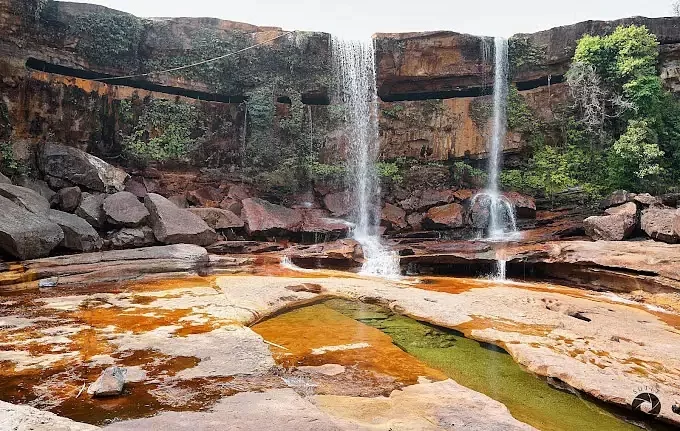
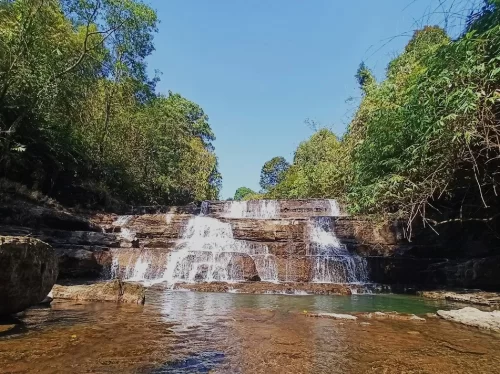
Phe Phe Falls is one of the lesser-explored waterfalls of Meghalaya, located in the Jaintia Hills region and popular among travelers looking for hidden nature spots. Surrounded by dense greenery, rocky landscapes, and fresh hill air, the waterfall offers a calm and refreshing environment away from crowded tourist places. The journey to Phe Phe Falls usually involves a short trek through village trails and forest paths, making it an ideal destination for nature lovers and adventure seekers. During monsoon and post-monsoon seasons, the waterfall becomes more powerful and scenic, creating a perfect setting for photography and peaceful sightseeing. It is a great place for travelers who want to explore Meghalaya’s raw natural beauty and enjoy a quiet waterfall experience.

Quick Facts About Phe Phe Falls

Entry Fee 50
Timings 08:00 - 17:00
Altitude (m) 1200
Ideal Visit Duration (hrs) 2
Best Time of Day Morning
Crowd Level Moderate
Distance from Jowai (km) 70
Walking Difficulty Moderate
Parking Available Yes
Last Mile Access Trek
Suitable for Kids Yes
Suitable for Seniors No
Wheelchair Friendly No

Why Visit Phe Phe Falls

Phe Phe Falls is a perfect destination for travelers who want to explore Meghalaya beyond the usual tourist circuit. This beautiful waterfall is known for its untouched natural surroundings, peaceful atmosphere, and refreshing forest environment. Unlike crowded waterfalls, Phe Phe Falls feels calm and hidden, making it ideal for nature lovers and people looking for a quiet escape into greenery and fresh hill air.

The atmosphere around Phe Phe Falls is raw and scenic, with dense vegetation, rocky pathways, and the soothing sound of flowing water. The short trek to reach the falls adds an adventurous touch to the visit, giving travelers a true Meghalaya eco-tourism experience. During monsoon and post-monsoon seasons, the waterfall becomes more powerful and the entire area turns lush green, creating a magical natural setting.

What makes Phe Phe Falls special is its offbeat charm and natural beauty that feels untouched by heavy commercialization. It is an excellent place for photography, relaxation, and enjoying Meghalaya’s hidden waterfalls. For travelers who love exploring less-crowded scenic spots, Phe Phe Falls offers a memorable experience of adventure, tranquility, and nature all in one visit.

Background

Phe Phe Falls is a naturally formed waterfall located in the Jaintia Hills region of Meghalaya, known for its untouched surroundings and peaceful forest setting. For many years, this waterfall remained mostly known only to nearby local communities, as it lies away from the main tourist routes. With the rise of eco-tourism in Meghalaya and growing interest in offbeat nature attractions, Phe Phe Falls gradually started gaining attention among travelers and explorers looking for hidden waterfalls.

The waterfall is part of Meghalaya’s rich natural landscape shaped by heavy rainfall, limestone formations, and dense green forests. Over time, the flowing water carved its path through rocky terrain, creating a scenic waterfall spot that is now visited for trekking, photography, and peaceful sightseeing. Today, Phe Phe Falls represents the raw and less-commercialized beauty of Meghalaya, offering visitors a chance to experience the region’s natural charm in its purest form.

Best Time to Visit

The best time to visit Phe Phe Falls is from June to October, when the waterfall is at its fullest and the surrounding landscape becomes lush green due to the monsoon rains. During this season, the flow of water is strong and the entire area looks fresh, vibrant, and highly photogenic. Post-monsoon months are especially recommended because the water remains powerful while the trekking trail becomes slightly safer compared to peak rainy days.

For travelers who prefer safer walking trails and comfortable weather, November to March is also a good time to visit. During winter months, the waterfall flow is moderate but the climate remains pleasant and ideal for trekking without slippery conditions. Avoid visiting during heavy rainfall days, as the path can become muddy and risky.
  • June to October: Best season to see the waterfall in full flow and enjoy greenery
  • August to September: Peak monsoon beauty, but trail may be slippery
  • October to November: Best post-monsoon period for strong water flow and safer trekking
  • December to March: Pleasant weather, moderate waterfall flow, comfortable trekking
  • Best time of day: Morning to early afternoon (9:00 AM – 2:00 PM) for safe trekking and clear photography

How to Reach

  • By Air: The nearest major airport is Shillong Airport (Umroi Airport), located around 90–110 km away depending on the exact route. The most convenient airport for most tourists is Guwahati Airport (Lokpriya Gopinath Bordoloi International Airport), approximately 180–200 km away. From the airport, hire a taxi or travel to Shillong and continue towards Jaintia Hills.
  • By Train: The nearest railway station is Guwahati Railway Station, around 180–200 km away. Guwahati is well connected with major Indian cities. From Guwahati, travelers can reach Shillong by taxi or bus and then proceed to the Jaintia Hills region.
  • By Road: Phe Phe Falls is best reached by road. Travelers generally take the route Shillong → Jowai → Phe Phe Falls. Roads are scenic and pass through villages, forest stretches, and beautiful hill landscapes.
  • From Shillong: The falls are approximately 85–110 km from Shillong and usually take around 3 to 4 hours by road depending on traffic and weather conditions.
  • From Jowai: Jowai is the nearest major town. Phe Phe Falls is located around 60–70 km from Jowai, and the drive takes approximately 2 to 2.5 hours.
  • Local Transport: Shared taxis are available up to Jowai, but for reaching the waterfall location, a private cab is recommended due to limited local transport options.
  • Last Mile Access: After reaching the nearest village/parking point, visitors must walk on a forest trail. The trek usually takes around 15–30 minutes, depending on the route and walking speed.
  • Travel Tip: It is best to visit with a local guide or local support, especially if visiting during monsoon season, as trails can be confusing and slippery.

What to Expect When You Visit

  • A beautiful offbeat waterfall experience: Phe Phe Falls is a lesser-known natural waterfall, so visitors can expect a peaceful environment away from commercial tourist crowds.
  • A short trek through nature: To reach the waterfall, you will need to walk through village trails and forest paths. The trek is scenic but may include uneven ground and slippery sections during monsoon.
  • Refreshing greenery and fresh air: The area around the falls is surrounded by dense greenery, making the atmosphere cool, calm, and perfect for nature lovers.
  • Strong waterfall flow in monsoon: During rainy and post-monsoon seasons, the waterfall becomes powerful and dramatic, creating a stunning natural view.
  • Rocky landscape near the falls: The waterfall area has rocks and wet surfaces, so visitors should be careful while walking or taking photos near the water.
  • Peaceful picnic-style vibe: Many visitors enjoy sitting near the waterfall, relaxing, and spending time in nature. It is a good spot for short breaks and peaceful moments.
  • Great photography opportunities: Travelers can expect excellent photography spots with waterfall shots, greenery back

Important Visitor Information

  • Crowd & Weather Notes: Phe Phe Falls is an offbeat waterfall and usually remains less crowded compared to popular Meghalaya waterfalls. However, during weekends and monsoon season, the crowd may increase slightly. Weather in the region changes quickly, and rainfall can occur suddenly, especially from June to September.
  • Peak Hours: 11:00 AM to 2:30 PM (most visitors arrive during daytime road trips).
  • Quiet Hours: 8:30 AM to 10:30 AM is the best time for a peaceful experience and better photography without crowds.
  • Dress Code: Wear comfortable clothes suitable for trekking and walking. In monsoon season, carry a raincoat or poncho. In winter months, light warm clothing is recommended.
  • Footwear Recommendation: Trekking shoes or sports shoes with good grip are strongly recommended, as the trail and rocks near the falls can be slippery.
  • Safety Notes: Avoid going too close to the waterfall edge, especially during monsoon when water flow becomes strong. Rocks can be wet and slippery, so walk carefully.
  • Monsoon Precaution: During heavy rain, the trail may become muddy and risky. It is advised not to visit during extreme rainfall days.
  • Travel with Kids: Kids can visit but must be supervised throughout the trek and near the waterfall area.
  • Senior Citizen Advice: Not recommended for seniors with knee pain or mobility issues due to uneven trekking paths.
  • Carry Essentials: Since facilities are limited, carry drinking water, snacks, and basic first-aid items.
  • Mobile Network: Mobile network may be weak or unavailable in remote areas near the falls, so inform your group in advance.
  • Cleanliness & Eco-Tourism: Do not litter. Carry back plastic waste and help maintain the natural beauty of the waterfall.

Photography and Viewpoint

  • Best Waterfall Photography Spot: The best viewpoint for photography is from the open rocky area in front of Phe Phe Falls, where you can capture the full waterfall flow along with the green forest backdrop.
  • Perfect Nature Background: The waterfall is surrounded by dense greenery, making it an ideal spot for nature photography, travel reels, and cinematic shots.
  • Best Time for Photography: Morning to early afternoon (9:00 AM – 1:30 PM) is best for clear lighting and safer trekking. Natural daylight during this time highlights the water flow and green surroundings beautifully.
  • Monsoon Photography Beauty: During monsoon season, the waterfall becomes powerful and highly photogenic. The surrounding landscape looks fresh and vibrant, giving dramatic waterfall shots. However, rain and mist may reduce visibility.
  • Golden Light Experience: Late afternoon can offer warm lighting for photography, but it is recommended to leave early as the trek becomes difficult in low light.
  • Close-Up Water Flow Shots: Visitors can take close-up photos of water streams and rocky textures, which look especially beautiful after rainfall.
  • Portrait Photography: Phe Phe Falls is a great spot for portrait photography with a natural waterfall background, making it popular for solo traveler photos and couple shoots.
  • Wide-Angle Recommended: Use a wide-angle lens or phone wide mode to capture the full height and width of the waterfall along with surrounding forest coverage.
  • Viewpoint Experience: Although there is no high mountain viewpoint, the open natural area around the waterfall provides an excellent viewing experience with peaceful forest vibes and relaxing water sounds.
  • Photography Safety Tip: Be careful while taking photos near wet rocks. Avoid standing too close to slippery edges, especially during monsoon when the water current is strong.
  • Best Season for Scenic Photos: June to October is best for dramatic waterfall shots, while October to March is ideal for safer photography with moderate flow and clear surroundings.

Near By Attraction

Krang Shuri Falls in Meghalaya, crystal clear turquoise pool beneath cascading waterfall cliffs. Waterfall

Krang Suri Waterfall

Krang Suri Waterfall is one of the most beautiful waterfalls in Meghalaya, famous for its turquoise-blue water and scenic surroundings in the Jaintia Hills.

Thlu Amwi Falls Meghalaya wide cascading waterfall with rocky riverbank and sunset sky view Waterfall

Thlu Amwi Falls

Thlu Amwi Falls is a peaceful, offbeat waterfall near Jowai in Meghalaya, celebrated for its clear pools, natural stone bridge, and tranquil forest setting.

Tyrshi Falls majestic cascade at Jowai Meghalaya during cloudy day, featuring lush rainforest mossy rocks fern trees pool, perfect nature adventure Meghalaya tour package. Waterfall

Tyrshi Falls

Tyrshi Falls is a beautiful and lesser?known waterfall in West Jaintia Hills, Meghalaya, admired for its cascading waters, lush paddy field views, and peaceful natural setting.

Frequently Asked Questions About Phe Phe Falls

Phe Phe Falls is located in West Jaintia Hills district of Meghalaya, India, near Jarain village close to Jowai.
Phe Phe Falls is known for its tall twin cascades flowing into a clear blue pool surrounded by forested cliffs.
The best time to visit Phe Phe Falls is from October to April when the weather in Meghalaya is suitable for trekking and sightseeing.
Visitors can reach Phe Phe Falls by road from Jowai or Shillong, followed by a short trek to the waterfall viewpoint.
There is usually a small local entry or parking fee to access Phe Phe Falls.
Around two to three hours are sufficient to trek to and explore the viewpoint at Phe Phe Falls.
Phe Phe Falls is suitable for physically active families, though the trail involves walking on uneven natural paths.
Swimming is generally not recommended at Phe Phe Falls due to depth and changing water conditions.
Photography is allowed at Phe Phe Falls, especially from the designated viewpoints along the trail.
Visitors should carry sturdy footwear, drinking water, light snacks, and rain protection when visiting Phe Phe Falls.
Tourists can find accommodation options in Jowai and Shillong, Meghalaya, within driving distance of Phe Phe Falls.

Loved this place ? Let’s Plan Your Meghalaya Trip

Get customized Meghalaya tour planning designed around rainfall patterns, road connectivity, seasonal visibility, and realistic hill travel timing. Whether you are visiting for waterfalls, cave exploration, scenic drives, village experiences, or nature-fo

⚡ Quick Response | 💰 Free consultation | 🕒 24×7 expert support

×

Plan Your Trip