Quick Facts About Mawsynram Hill
| Entry Fee | Free |
| Timings | 00:00 - 23:59 |
| Altitude (m) | 1400 |
| Ideal Visit Duration (hrs) | 4 |
| Best Time of Day | Morning |
| Crowd Level | Moderate |
| Distance from Shillong (km) | 65 |
| Walking Difficulty | Easy |
| Parking Available | Yes |
| Last Mile Access | Walk |
| Suitable for Kids | Yes |
| Suitable for Seniors | Yes |
| Wheelchair Friendly | No |
Why Visit Mawsynram Hill, Meghalaya
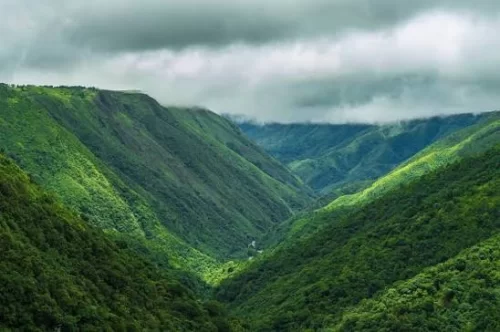
Atmosphere: Mawsynram Hill is enveloped in lush greenery, rolling hills, and dense mist, creating a serene and refreshing environment. The constant drizzle and cloud cover give the village a mystical charm, making visitors feel immersed in nature.
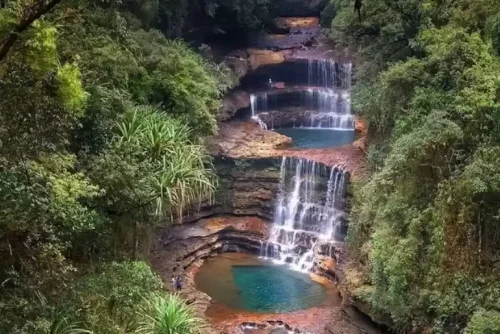
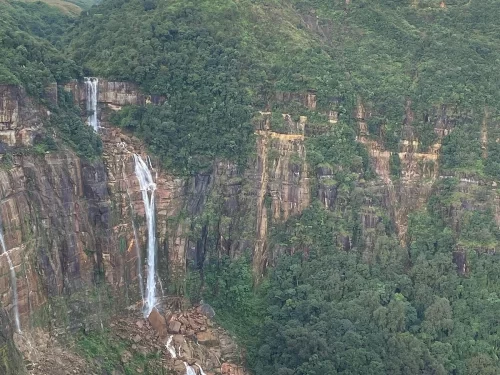
What Makes it Special: Mawsynram is world-famous as the wettest place on Earth, receiving record-breaking rainfall that nourishes its verdant landscapes, waterfalls, and rivers. Visitors are treated to spectacular natural sights, including cascading streams, verdant terraces, and unique monsoon phenomena. Its offbeat location, combined with the chance to witness extreme weather patterns and scenic viewpoints, makes Mawsynram Hill an extraordinary destination for nature lovers, photographers, and travelers seeking an authentic Northeast India experience.
About Mawsynram Hill, Meghalaya
Mawsynram Hill is primarily known for its extraordinary natural phenomenon as the wettest place on Earth. While it does not have historical or religious monuments, its significance lies in its unique geography and climatic conditions, which create lush landscapes, waterfalls, and rivers throughout the year. The area is also important for environmental and ecological studies, attracting researchers, meteorologists, and nature enthusiasts who wish to understand the impact of extreme rainfall on terrain, vegetation, and local village life. Visitors can also explore nearby Khasi villages to observe traditional lifestyles and sustainable living in one of the world's rainiest regions.
Best Time to Visit Mawsynram Hill, Meghalaya
Mawsynram Hill experiences extremely high rainfall, so timing your visit is important to enjoy both the scenery and accessibility. While the monsoon months showcase the region’s lush landscapes and dramatic waterfalls, the heavy rain can make travel challenging. Visitors can plan according to their preferences for rainfall intensity, photography, and trekking conditions.
- October to March: Best months for visiting with relatively lower rainfall, pleasant weather, and easier access to viewpoints and village areas.
- April to June: Moderate rainfall; mornings and late afternoons are ideal for sightseeing and photography.
- July to September: Peak monsoon; expect heavy rainfall and lush green scenery. Recommended for adventurous travelers and photographers seeking dramatic rain-fed landscapes.
- Early Morning Visits: Calm atmosphere, misty hills, and softer light for photography.
- Late Afternoon Visits: Clearer skies after rain showers with scenic golden-hour lighting for landscapes.
How to Reach Mawsynram Hill, Meghalaya
- By Air: The nearest airport is Shillong Airport (Umroi Airport), approximately 60–65 km from Mawsynram. From the airport, taxis or rental cars can be hired to reach the hill village.
- By Train: There is no railway station in Mawsynram. The closest major railway station is Guwahati Railway Station, about 160 km away. From Guwahati, travelers can hire a taxi or take a bus to Shillong, and then continue by road to Mawsynram.
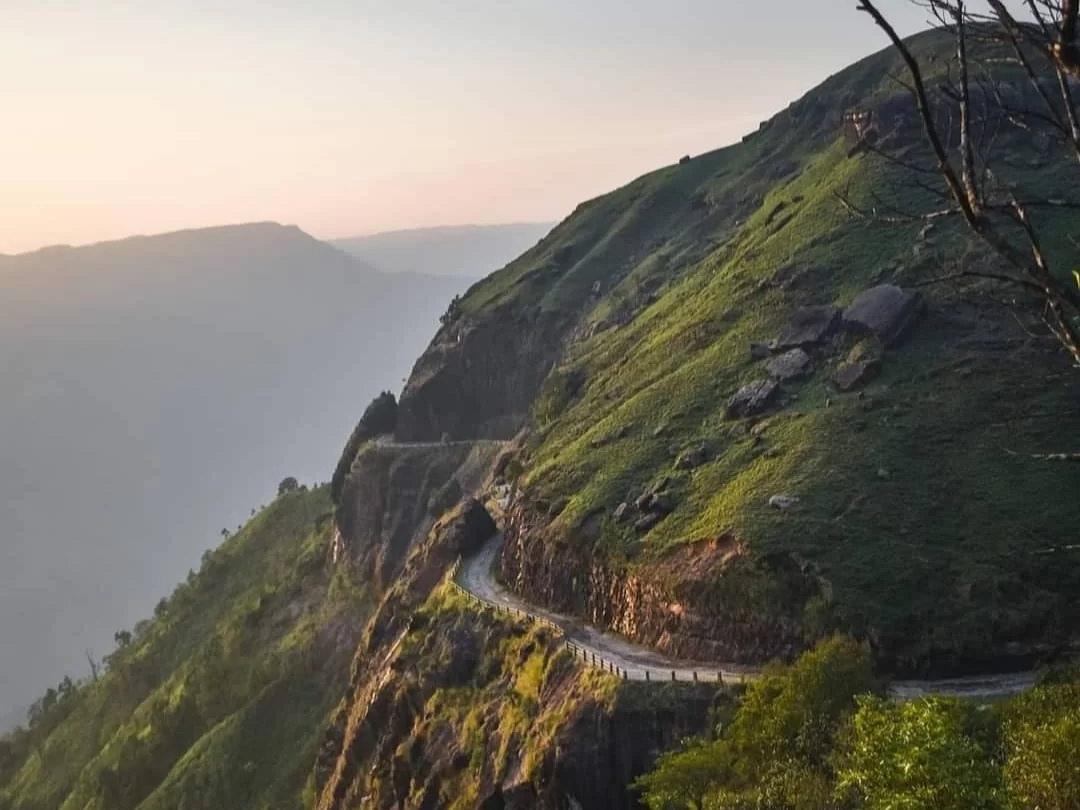
- By Road: Mawsynram is well connected by road from Shillong via NH 106 and local roads. Private taxis, rental cars, or shared cabs from Shillong (approx. 60–65 km) are the most convenient options. The drive passes through scenic Khasi Hills and picturesque villages.
- Local Access: Once in Mawsynram, short walks from parking areas lead to viewpoints, waterfalls, and surrounding attractions. Paths are generally easy but may be slippery during heavy rainfall.
What to Expect When You Visit Mawsynram Hill, Meghalaya
- Heavy Rainfall: Mawsynram is the world’s wettest place, so expect frequent showers and mist-covered landscapes, especially during the monsoon months.
- Lush Green Scenery: The region is covered with verdant hills, terraces, rivers, and waterfalls, offering breathtaking natural beauty throughout the year.
- Village Life: Visitors can experience the traditional Khasi lifestyle, with stilted houses, local farming practices, and small village markets.
- Scenic Viewpoints: Several viewpoints offer panoramic vistas of hills, valleys, and rain-fed waterfalls.
- Photography Opportunities: Ideal for nature, landscape, and monsoon photography, with dramatic skies and lush greenery.
- Short Walks & Trails: Expect easy to moderate walking along village lanes and natural paths to reach viewpoints and waterfall sites.
Important Visitor Information for Mawsynram Hill, Meghalaya
- Crowd & Weather Notes: The village sees low to moderate crowds, with peak visitors during post-monsoon and winter months. Expect frequent rainfall, mist, and slippery paths, especially during the monsoon (June to September).
- Peak / Quiet Hours: Early mornings (7:00 AM – 10:00 AM) are the quietest for peaceful sightseeing and photography. Late afternoons (3:00 PM – 5:00 PM) are also less crowded and provide soft natural lighting.
- Dress Code: Casual, comfortable clothing is recommended. Waterproof jackets, umbrellas, and sturdy footwear are essential during rainy months.
- Safety Notes: Paths may be slippery or uneven, particularly near waterfalls and viewpoints. Supervise children, assist seniors where needed, and carry essentials like water and rain gear. Avoid walking on mud-covered slopes during heavy rainfall.
Photography and Viewpoints at Mawsynram Hill, Meghalaya
- Main Viewpoints: Capture panoramic vistas of lush Khasi Hills, misty valleys, and rain-fed terraces. The viewpoints near the village provide safe and scenic angles for landscape photography.
- Waterfall and Stream Shots: Numerous seasonal waterfalls and streams create dynamic photography opportunities, especially during and after the monsoon season.
- Mist and Clouds: Frequent cloud cover and light drizzle add a mystical effect to photos, creating dramatic natural landscapes perfect for wide-angle shots.
- Village Life: Traditional stilted Khasi homes, terraced farms, and local villagers offer authentic cultural context for lifestyle photography.
- Golden Hour & Early Morning: Early morning or late afternoon provides soft lighting, enhancing the natural beauty of hills, waterfalls, and terraces.
- Seasonal Variation: Post-monsoon (October–March) offers clear views and vibrant greenery, while monsoon months deliver powerful waterfalls and lush landscapes for dramatic imagery.