+91 9910402252
admin@chalbanjare.com


| Entry Fee | INR 10 for Indians, INR 100 for Foreign Nationals |
| Timings | 9:00 AM - 6:00 PM (closed on public holidays) |
| Altitude (m) | Approx. 500 m |
| Ideal Visit Duration | 30 minutes to 1 hour |
| Best Time of Day | Morning (cooler weather and fewer crowds) |
| Crowd Level | Low to moderate |
| Distance from City Centre (km) | Approx. 25 km from Aurangabad city centre |
| Walking Difficulty | Easy (flat terrain around the tomb area) |
| Parking Available | Yes (available near the entrance to the tomb complex) |
| Last Mile Access | Accessible by car/auto up to the tomb; short walk to the tomb entrance |
| Suitable for Kids | Yes |
| Suitable for Seniors | Yes |
| Wheelchair Friendly | Partially (main pathways are level, but the tomb complex may have uneven surfaces in places) |
Visitors come to the Tomb of Mughal Emperor Aurangzeb Alamgir in Khuldabad, near Aurangabad, to pay respects to one of the most powerful and controversial rulers of the Mughal Empire. Unlike other royal tombs, Aurangzeb’s tomb is simple and unadorned, reflecting his ascetic lifestyle and personal beliefs. The site offers a quiet, reflective experience for those interested in Mughal history and the legacy of the emperor.
The on-ground atmosphere is calm and somber, with the tomb’s minimalist design creating a serene space for contemplation. Surrounded by a lush garden and located near other historical sites, the tomb offers a peaceful environment that contrasts with the grandeur of other Mughal monuments. Visitors often come here for both historical insight and to connect with the more personal aspects of Aurangzeb’s life.
What makes the Tomb of Aurangzeb Alamgir distinct for travelers is its simplicity and its departure from the opulent Mughal tomb style. Unlike other tombs, this site emphasizes humility and the emperor's religious devotion. It offers a unique perspective on Mughal history and provides a quieter, more reflective stop for those exploring the region’s royal heritage.
The Tomb of Mughal Emperor Aurangzeb Alamgir is located in Khuldabad, near Aurangabad, Maharashtra. It is the final resting place of Aurangzeb, the sixth emperor of the Mughal dynasty, who ruled from 1658 to 1707. Known for his strict adherence to Islamic principles and his military conquests, Aurangzeb is one of the most controversial and significant rulers in Indian history.
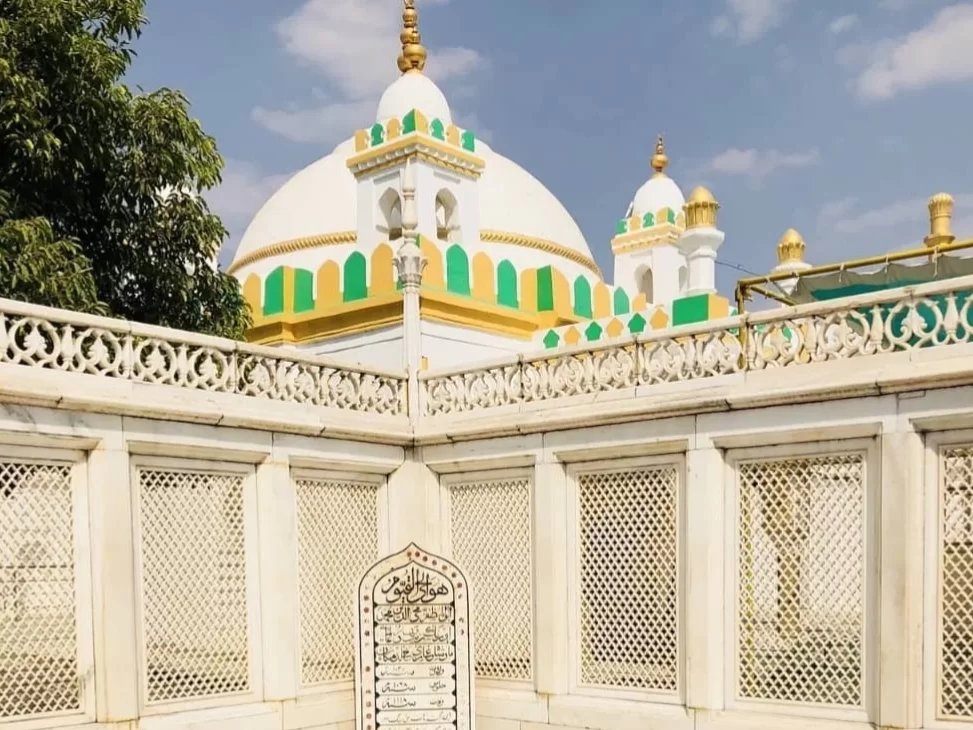
Unlike the grand tombs of other Mughal emperors, such as the Taj Mahal, Aurangzeb’s tomb is simple and unadorned, reflecting his personal preference for humility in death. The tomb is situated in a modest, peaceful setting within a walled enclosure, with a small mosque nearby. The simplicity of the structure is in line with his known desire to lead a modest life, even in his final resting place.
Today, the Tomb of Aurangzeb stands as a historical site, drawing visitors interested in the life and legacy of the Mughal emperor. While his reign is marked by significant military campaigns and the expansion of the Mughal Empire, the simplicity of his tomb reflects the austere values he upheld throughout his life. It remains a quiet and reflective place, offering insight into the personal life of one of India’s most powerful yet enigmatic rulers.
The best time to visit the Tomb of Mughal Emperor Aurangzeb Alamgir in Aurangabad is from October to March, when the weather is cooler and more comfortable for exploring this historical site and the surrounding peaceful landscape.
The Tomb of Mughal Emperor Aurangzeb, located in Khuldabad, Maharashtra, is the final resting place of one of India’s most controversial and powerful Mughal rulers. The tomb is simple and unadorned, reflecting the emperor’s preference for humility in death, and offers visitors a glimpse into the life and legacy of the last major Mughal emperor.
The Tomb of Mughal Emperor Aurangzeb, located in Khuldabad near Aurangabad, Maharashtra, is a simple yet historically significant structure. Unlike other grand Mughal tombs, Aurangzeb’s tomb reflects his modest lifestyle and wishes for a simple burial. The tomb is set amidst a peaceful garden and is an important pilgrimage site for those interested in Mughal history and architecture.
 Tourist Attraction
Jayakwadi Dam is a major irrigation and water-storage dam built across the Godavari River near Paithan in Maharashtra.
 Fort
Fort
Daulatabad Fort is a medieval hill fortress at Daulatabad near Chhatrapati Sambhajinagar, Maharashtra, known for its strategic defensive design and fortified hilltop setting.
 Temple
Shri Grishneshwar Jyotirlinga Temple is a historic Hindu temple dedicated to Lord Shiva, located near the Ellora Caves in Chhatrapati Sambhajinagar district, Maharashtra.
Get customized Maharashtra tour planning designed around seasonal weather shifts, long-distance road travel flow, hill station comfort, coastal timing, and heritage exploration pacing. Whether you are visiting for historic caves, spiritual journeys, beach
⚡ Quick Response | 💰 Free consultation | 🕒 24×7 expert support

