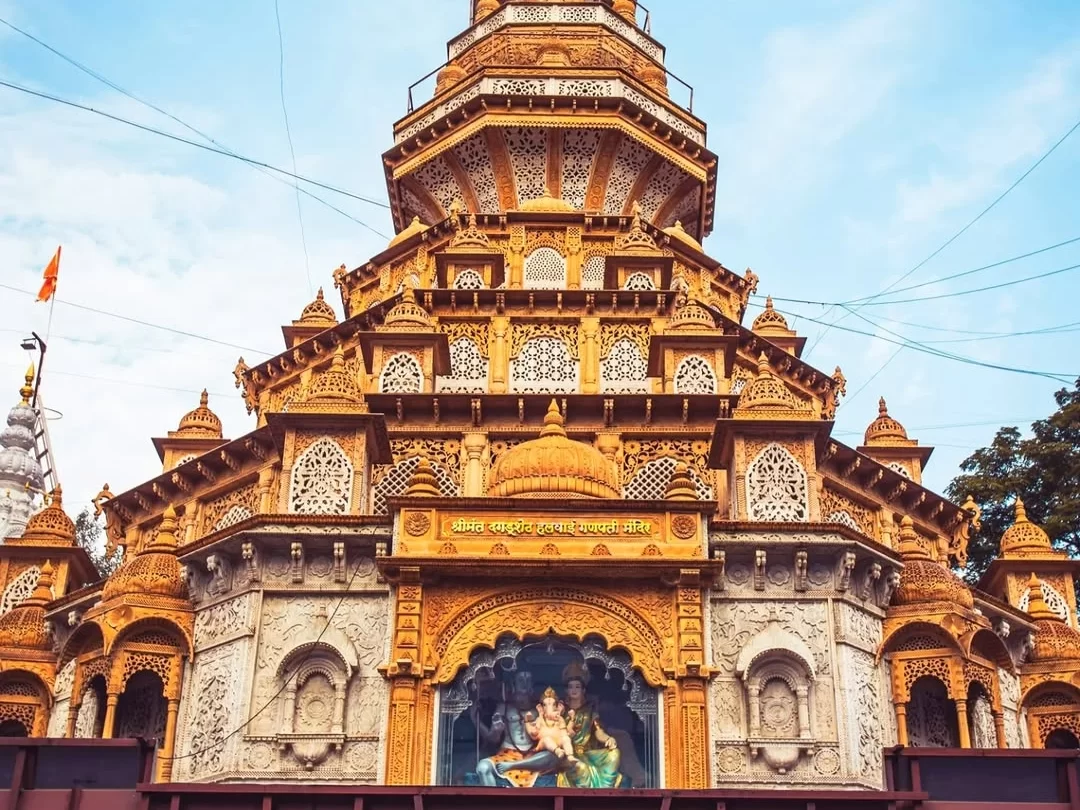
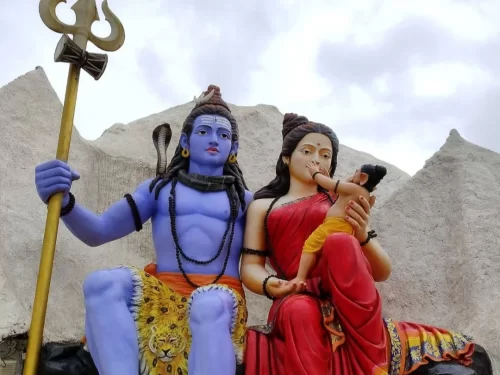
Shrimant Dagdusheth Halwai Ganpati Mandir, Pune – The Revered Ganesh Temple of Maharashtra

Shrimant Dagdusheth Halwai Ganpati Mandir , Pune
Shrimant Dagdusheth Halwai Ganpati Mandir was established in 1893 by Dagdusheth Halwai, a sweet maker and devotee of Lord Ganesha. Located in the heart of Pune, the temple is renowned for its richly adorned Ganesh idol and its vibrant Ganesh Chaturthi festivities. The temple attracts thousands of devotees daily, including prominent public figures, and stands as one of the most prominent religious landmarks in Maharashtra.

Quick Facts About Shrimant Dagdusheth Halwai Ganpati Mandir

Quick Facts About Shrimant Dagdusheth Halwai Ganpati Mandir Pune

Entry Fee No entry fee
Timings 6:00 AM – 10:30 PM (daily)
Altitude (m) 560 m
Ideal Visit Duration 30–60 minutes (longer during peak days)
Best Time of Day Early morning for shorter queues; evenings are busiest
Crowd Level Very High (especially during Ganesh Chaturthi and festivals)
Distance from City Centre (km) 1 km (from Pune city centre)
Walking Difficulty Easy (organized queue system and flat access)
Parking Available Limited (paid parking nearby)
Last Mile Access Taxi/auto/bus to Budhwar Peth; short walk to temple
Suitable for Kids Yes (supervision required in crowded queues)
Suitable for Seniors Yes (special darshan arrangements available)
Wheelchair Friendly Limited (crowded access during peak hours)

Why Visit Shrimant Dagdusheth Halwai Ganpati Mandir Pune

Why Visit

Shrimant Dagdusheth Halwai Ganpati Mandir is one of Pune’s most revered temples dedicated to Lord Ganesha, located in Budhwar Peth, Maharashtra. Established in 1893 by Dagdusheth Halwai, a sweet maker and philanthropist, the temple has grown into a major spiritual centre attracting devotees from across India. Visitors come to seek blessings for prosperity, success, and the removal of obstacles.

Atmosphere

The atmosphere is vibrant, devotional, and highly organised, especially during Ganesh Chaturthi when the temple becomes the focal point of Pune’s grand celebrations. Daily aartis and bhajans create a continuous spiritual rhythm, while structured darshan arrangements help manage the steady flow of devotees. The temple’s central city location adds to its accessibility and energy.

What Makes it Special

What makes Shrimant Dagdusheth Halwai Ganpati Mandir special is its richly adorned idol of Lord Ganesha, decorated with gold ornaments and elaborate floral arrangements. The temple is closely associated with Pune’s public Ganesh festival tradition initiated during the freedom movement era. Its strong philanthropic initiatives and enduring cultural influence make it one of Maharashtra’s most significant Ganapati shrines.

History of Shrimant Dagdusheth Halwai Ganpati Mandir Pune

Shrimant Dagdusheth Halwai Ganpati Mandir is located in Pune, Maharashtra, and is one of the most revered temples dedicated to Lord Ganesha in the city. The temple was established in 1893 by Dagdusheth Halwai, a wealthy sweet maker and philanthropist, following the death of his son during a plague epidemic.

Under the guidance of Lokmanya Bal Gangadhar Tilak, the temple became associated with the public celebration of Ganesh Chaturthi, transforming the festival into a community event that fostered unity and social reform during British colonial rule. The idol of Lord Ganesha is known for its grandeur, adorned with gold ornaments and intricate decorations.

Over the decades, the temple grew into a prominent spiritual and cultural landmark in Pune, attracting devotees from across Maharashtra and India. Today, Shrimant Dagdusheth Halwai Ganpati Mandir stands as both a devotional center and a symbol of Pune’s socio-cultural history, closely linked to the evolution of public Ganesh festivities.

Best Time to Visit – Shrimant Dagdusheth Halwai Ganpati Mandir Pune

The best time to visit Shrimant Dagdusheth Halwai Ganpati Mandir in Pune, Maharashtra, is from October to February, when the weather is pleasant and suitable for temple darshan. During these months, temperatures are moderate, making it comfortable for devotees to stand in queues and participate in daily aartis and rituals.

  • October–November: Post-monsoon freshness with comfortable weather—ideal for peaceful darshan.
  • December–January: Coolest and most comfortable season—best for early morning and evening worship.
  • February: Pleasant conditions continue—morning visits are recommended.
  • March–May (Summer): Warm weather; early morning and late evening darshan are more manageable.
  • June–September (Monsoon): Frequent rainfall; temple visits continue, though travel may be slower during showers.

Best time of day: 6:00 AM to 9:00 AM and 6:00 PM to 8:30 PM are ideal for darshan, aligning with major aarti timings and offering a devotional atmosphere.

  • Spiritual tip: Visit during early morning aarti for a peaceful experience.
  • Festival insight: Ganesh Chaturthi is celebrated grandly and attracts massive crowds—plan well in advance during this period.
  • Dress code note: Modest traditional attire is recommended in keeping with temple customs.

How to Reach Shrimant Dagdusheth Halwai Ganpati Mandir Pune

Shrimant Dagdusheth Halwai Ganpati Mandir is located in Budhwar Peth, Pune, Maharashtra, near Laxmi Road in the old city area. Dedicated to Lord Ganesha, it is one of the most revered and iconic temples in Pune and is easily accessible by road, rail, and air.

  • By Air (Nearest airport): The nearest airport is Pune International Airport (Lohegaon), approximately 11–13 km away. From the airport, hire a taxi or app-based cab to Budhwar Peth. Travel time is about 30–45 minutes depending on traffic.
  • By Train (Nearest railway station): Pune Junction Railway Station is about 3–4 km from the temple. From the station, take a taxi, auto-rickshaw, or PMPML bus to reach Laxmi Road area.
  • By Metro: Pune Metro connectivity is expanding within central Pune. Visitors can use the nearest operational metro station and continue by auto-rickshaw or taxi to reach the temple.
  • By Road: The temple is well connected via Laxmi Road and Shivaji Road. PMPML buses frequently operate to nearby stops in Budhwar Peth and Mandai area.
  • Taxi / Auto-rickshaw: Taxis and auto-rickshaws are widely available across Pune and can drop you directly at Dagdusheth Ganpati Mandir.
  • Self-drive: Self-driving is possible, but parking in the old city area is limited and often crowded, especially during Ganesh Chaturthi and Tuesdays. Use designated public parking areas nearby.
  • Walking access: Visitors staying in central Pune areas such as Shivajinagar or Deccan can reach the temple by a short auto ride or depending on distance.
  • Travel tips (EEAT): Tuesdays and Ganesh Chaturthi festival witness heavy crowds. Arrive early morning for smoother darshan. Dress modestly and follow the official queue system for entry.

What to Expect When You Visit Shrimant Dagdusheth Halwai Ganpati Mandir Pune

Shrimant Dagdusheth Halwai Ganpati Mandir, located in Budhwar Peth, Pune, Maharashtra, is one of the most revered and prominent temples dedicated to Lord Ganesha. Established in 1893 by the Halwai (sweet-maker) community, the temple is known for its richly adorned Ganesha idol and its central role in Pune’s Ganesh Chaturthi celebrations.

  • Dedicated to Lord Ganesha: the temple houses a large, beautifully decorated idol of Shri Ganpati, adorned with gold ornaments and floral arrangements.
  • Historic public Ganesh Utsav roots: the temple played a significant role in the rise of community Ganesh festivals in Pune during the late 19th century.
  • Grand Ganesh Chaturthi celebrations: during the festival, the temple becomes a focal point for elaborate decorations and devotional gatherings.
  • Highly active worship schedule: daily aartis and poojas draw continuous streams of devotees.
  • Structured darshan management: organized queues help manage heavy footfall, especially on Tuesdays and during festivals.
  • Strict security measures: due to its prominence, entry involves security screening.
  • Modest dress expectations: respectful attire is required; footwear must be removed before entering the temple.
  • Restricted photography inside: photography is generally limited within the sanctum to preserve sanctity.
  • Urban temple setting: located in the heart of Pune’s old city area with busy surrounding streets.
  • Short but spiritually intense visit: most devotees focus on darshan and offerings rather than extended exploration.

Tip for a smoother visit: visit early morning for shorter queues, avoid peak Ganesh festival hours if seeking a calmer darshan, and follow temple decorum and security instructions carefully.

Important Visitor Information – Shrimant Dagdusheth Halwai Ganpati Mandir, Pune

  • Crowd & Weather Notes: The temple experiences very heavy footfall during Ganesh Chaturthi, Maghi Ganesh Jayanti, weekends, and other auspicious days. Pune has a tropical wet and dry climate; summers (March to May) can be warm, monsoon months (June to September) bring moderate to heavy rainfall, and winters are pleasant.
  • Peak / Quiet Hours: Peak hours are early morning and evening during aarti and special pooja timings. During Ganesh Chaturthi, crowds remain high throughout the day. For a relatively quieter darshan, late morning on weekdays is preferable outside festival season.
  • Dress Code: Modest attire is recommended as it is a major place of worship. Shoulders and knees should be covered. Footwear must be removed before entering the temple premises.
  • Safety Notes: Follow temple and police security guidelines strictly, especially during festival periods. Be prepared for queue systems during peak times. Keep personal belongings secure in crowded areas and maintain silence and decorum inside the temple.

Photography and Viewpoint – Shrimant Dagdusheth Halwai Ganpati Mandir Pune

Shrimant Dagdusheth Halwai Ganpati Mandir, located in Budhwar Peth, Pune, Maharashtra, is one of the most revered temples dedicated to Lord Ganesha. Established in 1893 by Dagdusheth Halwai, the temple is renowned for its richly adorned Ganesh idol and grand celebrations during Ganesh Chaturthi. Photography here focuses primarily on exterior framing and devotional ambience, as interior photography is generally restricted.

  • Photography permissions: Photography inside the sanctum and inner temple area is generally prohibited; always follow temple and security guidelines.
  • Best light for exterior photography: Early morning offers softer light and manageable crowds, while evenings highlight decorative lighting.
  • Temple façade compositions: Frame the entrance and decorative archways from permitted areas to capture the temple’s festive character.
  • Festival-period visuals: During Ganesh Chaturthi, wide frames can document elaborate decorations and public celebrations from outside restricted zones.
  • Wide vs. telephoto strategy: Wide lenses capture the temple frontage and surrounding street context, while telephoto lenses isolate ornamental details.
  • Devotional atmosphere frames: Capture queues and offerings respectfully without intruding on prayer activities.
  • Mobile photography tips: Use gridlines for straight alignment, avoid flash, and stabilize shots in evening lighting conditions.
  • Crowd & timing awareness: Tuesdays and festival days attract heavy pilgrim flow—early visits provide cleaner exterior compositions.
  • Security considerations: The temple maintains strict security checks; comply fully with device and photography restrictions.
  • Responsible religious-site photography: Maintain modest attire, avoid attempting unauthorized photography, and prioritize reverence at all times.

Near By Attraction

Darshan Museum. Spiritual museum in Pune featuring detailed Hindu deity sculptures and cultural exhibits. Museum

Darshan Museum

Darshan Museum is an innovative museum in Pune, offering a multimedia spiritual experience based on the life of Sadhu Vaswani.
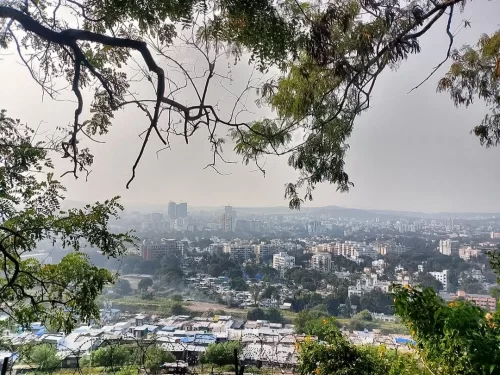
Parvati Hill Pune. Scenic hilltop viewpoint with panoramic city views and historic temples. Temple

Parvati Hill

Parvati Hill is a prominent hill in Pune, known for its ancient temples and panoramic views of the city.

Osho Garden Pune. Serene Zen garden near Osho International Meditation Resort with lush greenery and walking paths. Garden

Osho Garden

Osho Garden is a peaceful landscaped garden in Pune, known for its serene pathways and riverside setting.

Frequently Asked Questions About Shrimant Dagdusheth Halwai Ganpati Mandir

Shrimant Dagdusheth Halwai Ganpati Mandir is located in Pune in Maharashtra near Budhwar Peth. It is one of the most prominent Lord Ganesha temples in the city.
Shrimant Dagdusheth Halwai Ganpati Mandir can be reached within 15 to 20 minutes by taxi auto or local bus from Pune railway station depending on traffic. It is centrally located in the old city area.
The best time to visit Shrimant Dagdusheth Halwai Ganpati Mandir is early morning on weekdays when crowds are comparatively lower. Visiting outside major festival days provides a smoother darshan experience.
Shrimant Dagdusheth Halwai Ganpati Mandir is famous for its richly decorated Ganesha idol and strong devotional following. It is especially known for grand celebrations during Ganesh Chaturthi.
Shrimant Dagdusheth Halwai Ganpati Mandir is suitable for family visits though visitors should be prepared for queues during peak hours. Organized entry lines help manage large crowds.
There are several hotels near Shrimant Dagdusheth Halwai Ganpati Mandir in central Pune offering budget to mid range accommodation. Areas like Deccan and Shivajinagar provide convenient stay options.
Shrimant Dagdusheth Halwai Ganpati Mandir provides organized darshan queues security checks and basic facilities for devotees. Shops and eateries are available in the surrounding area.
Most visitors spend 30 minutes to one hour at Shrimant Dagdusheth Halwai Ganpati Mandir depending on queue length. Festival days may require additional waiting time.
Shrimant Dagdusheth Halwai Ganpati Mandir becomes extremely crowded during Ganesh Chaturthi and other major Hindu festivals. Planning visits early in the day helps manage waiting time.
Travelers visiting Shrimant Dagdusheth Halwai Ganpati Mandir should wear modest clothing and carry minimal belongings. Following temple guidelines and respecting devotional practices is important.

Loved this place ? Let’s Plan Your Maharashtra Trip

Get customized Maharashtra tour planning designed around seasonal weather shifts, long-distance road travel flow, hill station comfort, coastal timing, and heritage exploration pacing. Whether you are visiting for historic caves, spiritual journeys, beach

⚡ Quick Response | 💰 Free consultation | 🕒 24×7 expert support

×

Plan Your Trip